
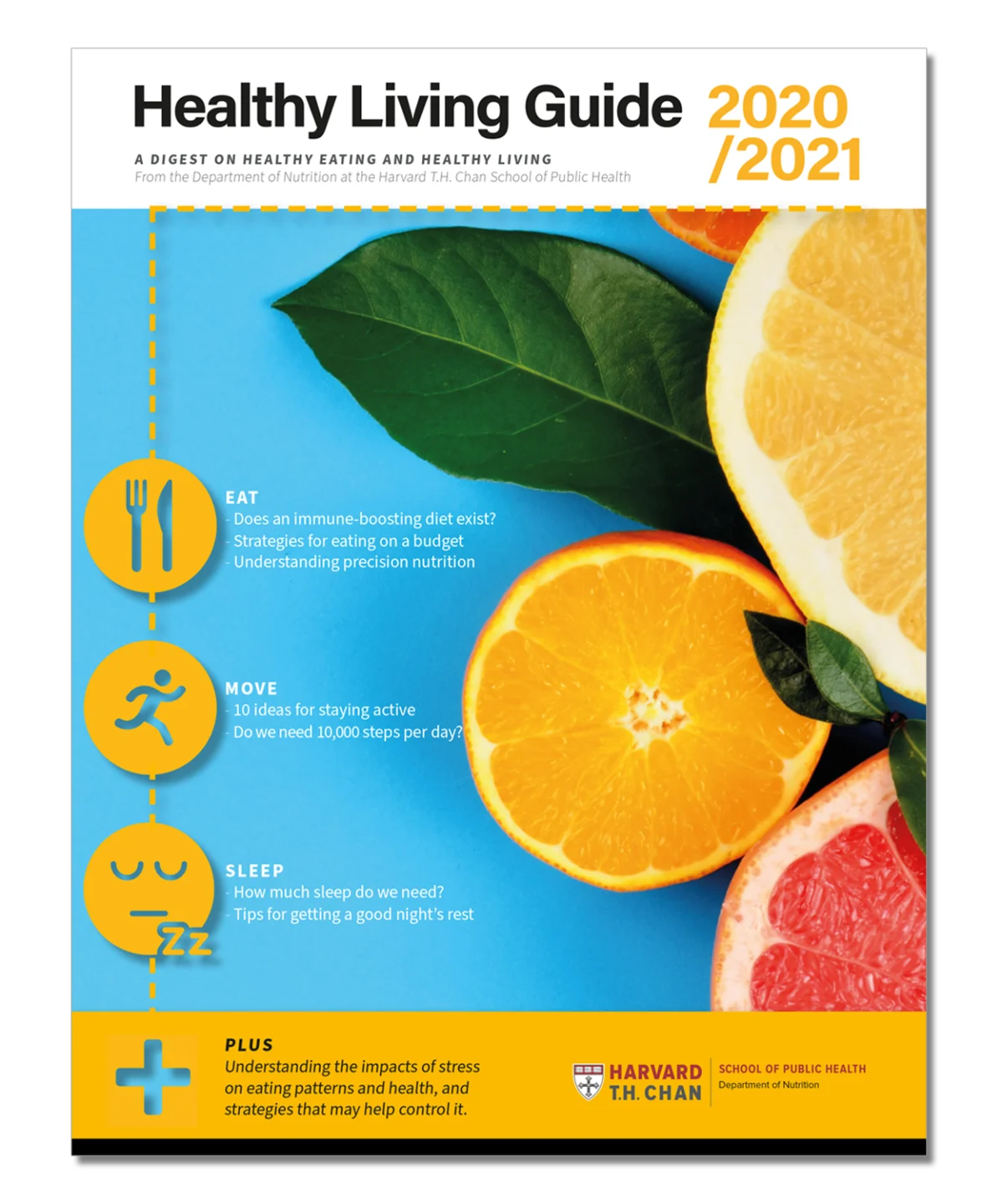
The Department of Nutrition at Harvard T.H. Chan School of Public Health has unveiled its fourth annual Healthy Living Guide, marking a significant evolution in its approach to promoting well-being. This year’s edition, released at the dawn of 2024, places a heightened emphasis on the integration of mindfulness into public health initiatives, a direct reflection of the recent establishment of the Thich Nhat Hanh Center for Mindfulness in Public Health. The guide, available for download as a printable PDF, consolidates research highlights and practical tips across core areas of nutrition, physical activity, and sleep, with a particular focus on how mindful practices can amplify their positive effects on both individual and planetary health.
The Dawn of a Mindful Approach to Public Health
The launch of the Thich Nhat Hanh Center for Mindfulness in Public Health in 2023 signifies a strategic pivot for the Department of Nutrition. Named in honor of the esteemed Zen master and peace activist, the Center is dedicated to exploring and applying mindfulness principles to foster well-being at a population level. This initiative moves beyond individual self-improvement, aiming to cultivate healthier habits and environments for large, diverse groups, both nationally and globally. A central tenet of the Center’s mission is to investigate the profound connections between mindful eating, personal health outcomes, and the sustainability of our planet’s resources. This thematic integration is a cornerstone of the 2023-2024 Healthy Living Guide, influencing the selection of research and advice presented.
The decision to establish this dedicated center and to weave its philosophy into the annual guide is informed by a growing body of scientific evidence. Research has increasingly demonstrated the tangible benefits of mindfulness across various health domains. A 2022 meta-analysis published in the Journal of the American Medical Association (JAMA) Internal Medicine reviewed over 200 studies and found that mindfulness-based interventions could lead to significant improvements in mental health conditions such as anxiety and depression, as well as physical health markers like chronic pain and sleep disturbances. The application of these principles to nutrition, particularly mindful eating, has shown promise in helping individuals develop healthier relationships with food, reduce disordered eating patterns, and make more sustainable dietary choices.
Key Research Highlights and Practical Guidance
The 2023-2024 Healthy Living Guide delves into several critical areas, offering readers evidence-based insights and actionable strategies. Among the featured topics are:
-
Ultra-Processed Foods and Mental Health: The guide highlights recent research exploring the complex relationship between the consumption of ultra-processed foods (UPFs) and mental well-being. Studies, such as those published in the British Journal of Psychiatry, have indicated a correlation between high UPF intake and an increased risk of depression and anxiety. The guide aims to educate readers on identifying UPFs and offers strategies for reducing their consumption, emphasizing the benefits of whole, minimally processed foods for both cognitive function and emotional resilience. This is particularly relevant given the global rise in UPF consumption, which now accounts for a significant portion of diets in many developed nations. For instance, data from the USDA suggests that UPFs comprise over 50% of the average American’s daily caloric intake.
-
The Power of Movement: Zumba and Physical Activity: Recognizing the crucial role of physical activity, the guide explores the engaging benefits of programs like Zumba. This energetic dance fitness program not only promotes cardiovascular health and calorie expenditure but also has demonstrable positive impacts on mood and stress reduction, aligning with the guide’s overarching mindfulness theme. Research published in journals like the Journal of Sport and Health Science has shown that participation in group fitness activities like Zumba can enhance feelings of social connection and enjoyment, thereby increasing adherence to exercise routines. The guide offers practical tips for incorporating such activities into daily life, underscoring the importance of finding enjoyable forms of movement.
-
Sleep Chronotypes and Health Implications: The guide also sheds light on the concept of "chronotypes" – individual differences in the timing of sleep-wake cycles. It presents evidence on how aligning lifestyle with one’s natural chronotype (e.g., morning lark or night owl) can significantly impact overall health, including metabolic function, cognitive performance, and mood regulation. Disruptions to natural sleep patterns, often seen in modern society, have been linked to increased risks of conditions like obesity, diabetes, and cardiovascular disease. The guide offers insights into identifying one’s chronotype and provides recommendations for optimizing sleep hygiene to promote better health outcomes, referencing studies that show consistent sleep schedules improve mood and reduce fatigue.
A Chronology of the Healthy Living Guide Initiative
The Healthy Living Guide has evolved over its four-year history, reflecting the dynamic nature of nutritional science and public health recommendations.
- 2020-2021 Edition: The inaugural guide focused on establishing foundational knowledge in nutrition, physical activity, and sleep, providing accessible information to a broad audience during a period of heightened health awareness.
- 2021-2022 Edition: This iteration began to incorporate emerging research, with a growing emphasis on the links between diet and chronic disease prevention.
- 2022-2023 Edition: The third edition saw a deeper dive into the interconnectedness of various lifestyle factors, including the impact of diet on mental health and the importance of stress management. This period also coincided with early discussions and planning for the establishment of a dedicated mindfulness center.
- 2023-2024 Edition: The current guide represents a significant expansion of the mindfulness focus, directly stemming from the formal launch of the Thich Nhat Hanh Center. This edition aims to provide a holistic framework for well-being, where mindful practices are seen not as an add-on, but as an integral component of healthy eating, active living, and restorative sleep.
Broader Implications and Future Directions
The integration of mindfulness into public health discourse, as championed by the Thich Nhat Hanh Center and reflected in the latest Healthy Living Guide, carries significant implications.
Firstly, it offers a more compassionate and sustainable approach to health promotion. By emphasizing awareness, acceptance, and non-judgment, mindfulness can help individuals overcome barriers to healthy behaviors that are often rooted in self-criticism or rigid adherence to restrictive diets. This can lead to greater long-term adherence and improved self-efficacy.
Secondly, the focus on planetary health through mindful eating addresses the critical intersection of personal well-being and environmental sustainability. Practices like mindful consumption, reducing food waste, and choosing plant-forward diets are not only beneficial for individual health but also contribute to a lower carbon footprint and more responsible resource utilization. This holistic perspective is increasingly vital as the world grapples with the dual challenges of public health crises and climate change.
Thirdly, the emphasis on population-level interventions through the Thich Nhat Hanh Center suggests a commitment to addressing health disparities. By developing and disseminating evidence-based mindfulness practices that are accessible and adaptable to diverse communities, the Center aims to create systemic change that benefits all, not just those with the resources to seek individual interventions.
The Harvard T.H. Chan School of Public Health’s Healthy Living Guide serves as a vital resource for individuals seeking to enhance their well-being. The inclusion of the Thich Nhat Hanh Center’s philosophy marks a forward-thinking evolution, recognizing that true health encompasses not only physical vitality but also mental clarity and a conscious connection to the wider world. As the guide itself concludes, wishing readers a "healthy, fulfilling, and mindful 2024," it encapsulates a vision of well-being that is both personal and profoundly interconnected.
Readers are encouraged to download the full printable Healthy Living Guide (PDF) to access detailed tip sheets and summaries. For those seeking to delve deeper into the original research and articles featured in previous editions, links to the full online content are also provided. The guide also includes an interactive element: a quiz designed to test healthy living knowledge, with answers found within the previous year’s edition, further reinforcing the continuity and depth of the Department of Nutrition’s commitment to public health education.
