

Hyaluronic acid (HA), alongside its ubiquitous derivative sodium hyaluronate, stands as a cornerstone ingredient in the global skincare and makeup industries, revered for its unparalleled hydrating capabilities. This naturally occurring glycosaminoglycan is intrinsically woven into the fabric of human biology, predominantly residing within the extracellular matrix—the intricate scaffold that provides structural support and facilitates cellular communication within the skin. Found across both the superficial epidermis and the deeper dermis, HA plays a pivotal role extending beyond mere hydration, actively participating in critical metabolic processes, facilitating skin repair mechanisms, and offering robust protection against environmental aggressors such as free radicals and ultraviolet (UV) radiation.
The Biochemical Foundation of Skin Hydration
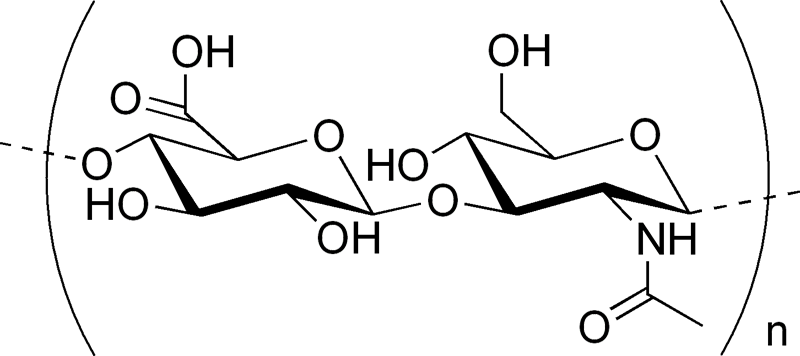
At its core, hyaluronic acid is a long, unbranched polysaccharide composed of repeating disaccharide units of D-glucuronic acid and N-acetyl-D-glucosamine. Its highly polar nature, attributed to numerous hydroxyl and carboxyl groups, grants it an extraordinary affinity for water molecules. This unique characteristic allows HA to bind and retain water molecules with remarkable efficiency, creating a gel-like substance that fills the intercellular space, contributing significantly to the skin’s turgor, firmness, and plumpness. This water-holding capacity is not merely aesthetic; it is fundamental to maintaining skin barrier integrity, elasticity, and overall physiological function.
For decades, it was commonly posited that a decline in endogenous hyaluronic acid levels was a primary driver behind the characteristic thinning and dryness associated with aged skin. However, contemporary research has refined this understanding. While the visible effects of aging, both chronological and environmentally induced (photoaging), undoubtedly manifest as changes in skin texture and hydration, scientific consensus now indicates that the total amount of hyaluronic acid in the skin does not necessarily decrease with age. Instead, studies suggest a complex redistribution of HA within the dermal and epidermal layers, coupled with changes in its molecular size and the efficiency of its synthesis and degradation pathways, which collectively contribute to the altered appearance and function of mature skin. This nuanced perspective underscores the dynamic nature of HA within the body and the intricate mechanisms governing skin homeostasis.
A Historical Journey: From Rooster Combs to Biofermentation
The story of hyaluronic acid stretches back to 1934 when Karl Meyer and John Palmer first isolated the substance from the vitreous humor of bovine eyes. They named it "hyaluronic acid" from "hyalos" (Greek for glassy) and "uronic acid" (referring to its uronic sugar component). Initial research focused on its biological functions, particularly its role in joint lubrication and eye health. By the 1960s, HA began to see clinical application in ophthalmology, notably in cataract surgery, where its viscoelastic properties proved invaluable. Its use in orthopedics, particularly for treating osteoarthritis via intra-articular injections (viscosupplementation), followed suit in the 1970s and 80s, leveraging its ability to restore joint fluid viscosity and cushion.
The transition of hyaluronic acid into the realm of cosmetics gained momentum in the late 20th century. Early sources of HA were predominantly animal-derived, most notably from rooster combs, which were a rich and readily available source, containing approximately 15 times more HA than human skin. This method, while effective, presented ethical and practical considerations, particularly for vegetarian and vegan consumers, and raised concerns about potential antigenic reactions, though purification processes minimized these risks.
The true revolution in HA sourcing for the cosmetic and pharmaceutical industries arrived with the advent of biofermentation. This biotechnological process involves culturing specific bacteria, such as Streptococcus equi or Bacillus subtilis, in a nutrient-rich medium. These bacteria naturally produce HA as a byproduct, which can then be extracted and purified. Biofermentation offers several advantages: it is a more sustainable and ethical production method, eliminating the need for animal-derived materials; it allows for precise control over the molecular weight of the HA produced, a crucial factor for diverse applications; and it generally yields a purer product with a lower risk of impurities. Today, the vast majority of HA used in skincare and medical applications is produced via biofermentation, reflecting a significant advancement in biochemical engineering and consumer demand for cruelty-free ingredients.
Hyaluronic Acid in Modern Skincare: A Multi-Dimensional Approach
In the contemporary skincare landscape, hyaluronic acid is predominantly celebrated as an exceptional humectant. Humectants are hygroscopic substances that attract and bind water from the atmosphere and deeper layers of the skin, drawing it to the skin’s surface. By doing so, HA-infused moisturisers and serums effectively hydrate the stratum corneum, the outermost layer of the skin. This surface hydration has profound effects: it plumps up skin cells, smooths the appearance of fine lines and wrinkles caused by dehydration, and imparts a visibly younger, more refreshed, and less fatigued complexion.
While other humectants like glycerin are also highly effective and more economical, glycerin can sometimes impart a slightly sticky or heavy sensation on the skin. Hyaluronic acid, often combined with glycerin in formulations, tends to offer a lighter, more elegant feel, enhancing user experience without compromising hydration efficacy. The art of formulating with HA has evolved significantly, with cosmetic chemists leveraging various forms and molecular weights to optimize performance.
The concept of molecular weight is paramount when discussing HA in skincare. Hyaluronic acid is not a singular entity but exists across a broad spectrum of molecular sizes, typically categorized into high molecular weight (HMW-HA) and low molecular weight (LMW-HA), sometimes further segmented into ultra-low, medium, and cross-linked forms.
- High Molecular Weight HA (HMW-HA): Possessing larger molecular structures (typically >1,000 kDa), HMW-HA forms a protective, hydrating film on the skin’s surface. It excels at drawing moisture from the environment and preventing transepidermal water loss (TEWL), providing immediate plumping and a smooth feel. However, due to its size, it generally cannot penetrate beyond the superficial layers of the epidermis.
- Low Molecular Weight HA (LMW-HA): Created by enzymatic or chemical hydrolysis that breaks down HMW-HA into smaller fragments (e.g., 5-250 kDa). These smaller molecules are theoretically capable of penetrating deeper into the epidermis and potentially reaching the upper dermis. This deeper penetration is believed to offer more profound and sustained hydration, contributing to improved skin elasticity and internal moisture retention. "Sodium hyaluronate" often refers to a smaller, salt form of HA, typically with lower molecular weights, allowing for better skin penetration.
The role of LMW-HA, however, has been a subject of ongoing scientific discourse. Some studies have indicated that very low molecular weight HA fragments (e.g., <20 kDa) could potentially act as inflammatory signals within the skin, possibly due to their recognition by specific cellular receptors like TLR2 and TLR4. This led to concerns about their use in formulations. It is crucial to contextualize this. Inflammation is not inherently detrimental; it is a complex biological response vital for wound healing, tissue repair, and defense against pathogens. Research has shown that certain LMW-HA fragments can positively influence skin repair mechanisms, bolster the skin’s natural antimicrobial defenses, and even alleviate symptoms in conditions like seborrheic dermatitis. The scientific consensus is moving towards a more nuanced understanding, suggesting that the precise molecular weight, concentration, and formulation context dictate the biological outcome, with many LMW-HA forms being beneficial for skin health. Further research continues to elucidate the precise effects of various HA fragments on normal, healthy skin.
Despite its exceptional hydrating properties, a common misconception is that topical application of HA can replenish the skin’s natural stores of HA in the deeper dermis. While LMW-HA can penetrate the lower epidermis, it does not typically reach the dermis in quantities sufficient to directly "refill" the body’s endogenous HA reserves. Its primary benefits remain centered on superior epidermal hydration, which, in turn, significantly improves overall skin barrier function, resilience, and appearance. Beyond hydration, HA also exhibits some modest anti-inflammatory and antioxidant activities, contributing to skin health in a holistic manner.
Beyond the Bottle: Diverse Applications of Hyaluronic Acid
The versatility of hyaluronic acid extends far beyond skincare, cementing its status as a critical biomolecule across various medical and aesthetic disciplines.
In cosmetic makeup, dehydrated hyaluronic acid spheres are ingeniously incorporated into anhydrous (water-free) formulations, particularly in skin-smoothing primers. Upon application, these dry spheres settle into fine lines and wrinkles. As they come into contact with residual moisture from the skin and humidity from the air, they swell significantly, physically plumping out the skin’s surface and creating a smoother canvas for makeup application. This temporary filling effect visibly reduces the appearance of textural irregularities.
Perhaps one of the most transformative applications of HA in aesthetics is in injectable dermal fillers. Chemically modified (cross-linked) hyaluronic acid gels are the primary component of popular fillers such as Juvéderm, Restylane, and Voluma. These sterile gels are meticulously injected beneath the skin to restore lost volume, plump up deep wrinkles (like nasolabial folds and marionette lines), enhance facial contours (cheeks, jawline), and augment lips. The cross-linking process makes the HA more resistant to enzymatic degradation by hyaluronidase enzymes naturally present in the body, thereby extending the filler’s longevity, typically from six months to over a year. While generally safe, these procedures require administration by qualified medical professionals to ensure proper technique and minimize risks such as bruising, swelling, or, in rare cases, vascular occlusion. The use of HA-based fillers for larger body enhancements, such as breast or buttock augmentation (e.g., Macrolane), has been more controversial, with some regulatory bodies expressing concerns about potential interference with diagnostic imaging and long-term safety, leading to restrictions or withdrawal in certain markets.
In the medical field, hyaluronic acid remains indispensable. As previously noted, it is widely used in orthopedics for viscosupplementation in osteoarthritic joints, providing lubrication and shock absorption to alleviate pain and improve mobility. In ophthalmology, HA eye drops are a mainstay for treating dry eye syndrome due to its excellent lubricating and moisturizing properties. It is also used during eye surgeries to protect delicate tissues. Furthermore, HA-based products are employed in wound healing, often in the form of dressings or gels, to create a moist environment conducive to tissue regeneration, reduce scarring, and modulate inflammatory responses. Its biocompatibility and biodegradability make it an ideal material for various medical devices and drug delivery systems.
The efficacy of oral hyaluronic acid supplements sold in nutrition stores remains a subject of considerable debate and ongoing research. The primary challenge lies in whether HA, a large polysaccharide, can survive the digestive process largely intact, be absorbed into the bloodstream, and then effectively reach target tissues like the skin or joints in a bioavailable form. While some studies suggest potential benefits, particularly for joint health with specific LMW-HA formulations, the evidence for significant dermatological improvements from oral intake is less conclusive compared to topical or injectable applications. Consumers are often advised to approach these supplements with caution and consult healthcare professionals.
Market Trends and the Future of Hyaluronic Acid
The global market for hyaluronic acid has witnessed exponential growth, driven by increasing consumer awareness of its benefits, advancements in formulation technology, and its expanding applications across beauty and medicine. Industry reports project continued robust growth, with the skincare segment being a significant driver. Demand is fueled by an aging global population seeking effective anti-aging solutions and a broader interest in science-backed, efficacious ingredients.
Innovations continue to emerge, including the development of HA derivatives (e.g., sodium acetylated hyaluronate, hydrolyzed hyaluronic acid), which offer enhanced properties such as improved skin affinity, deeper penetration, or greater stability. Formulators are also exploring "full-spectrum" HA products that combine various molecular weights to deliver comprehensive hydration across multiple skin layers.
Looking ahead, research is delving deeper into the precise cellular and molecular interactions of HA, exploring its potential in tissue engineering, regenerative medicine, and targeted drug delivery. Scientists are investigating how HA can be further modified or encapsulated to enhance its therapeutic efficacy and longevity in the body. The evolving understanding of HA’s role in cellular signaling and inflammation also opens new avenues for therapeutic interventions in various dermatological and systemic conditions.
In conclusion, hyaluronic acid has transcended its initial biological discovery to become a highly valued and versatile compound. Its remarkable ability to retain moisture, coupled with its biocompatibility and adaptability, has cemented its status as a powerhouse ingredient in skincare, a cornerstone in aesthetic medicine, and a vital tool in various medical treatments. As scientific understanding deepens and technological innovations advance, the multifaceted applications and benefits of hyaluronic acid are poised to continue expanding, solidifying its role as an indispensable component in health and beauty for years to come.
