
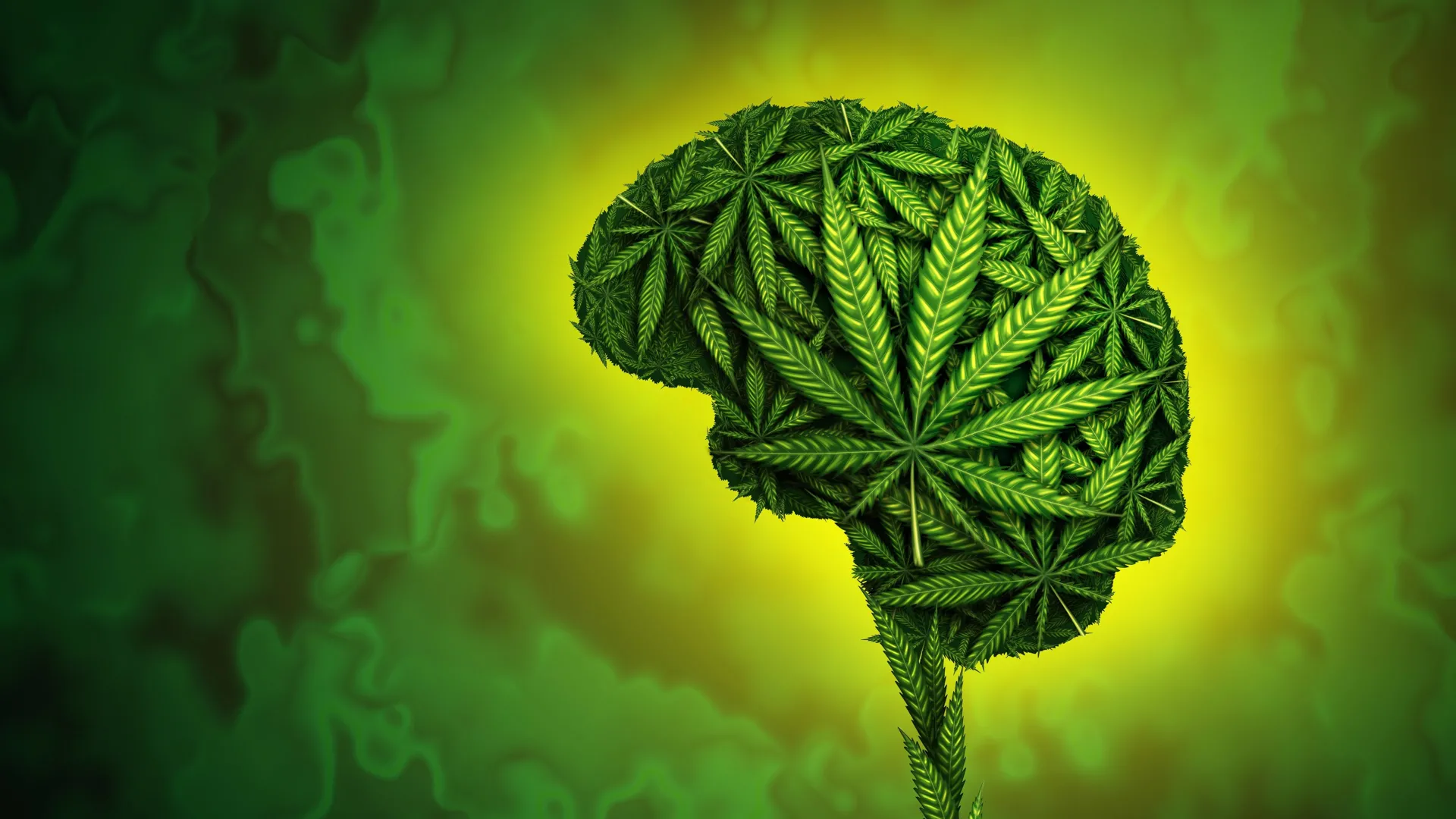
A groundbreaking meta-analysis published in the esteemed medical journal The Lancet has delivered a significant blow to the widespread perception of medicinal cannabis as a panacea for mental health disorders. The comprehensive study, the most extensive to date examining the safety and effectiveness of cannabinoids across a broad spectrum of psychiatric conditions, concludes that medicinal cannabis does not effectively treat anxiety, depression, or post-traumatic stress disorder (PTSD). This finding emerges at a critical juncture, as the use of cannabis for medical purposes has become increasingly prevalent globally, with a substantial portion of users self-medicating for mental health symptoms.
The Widespread Appeal of Medicinal Cannabis and the Need for Evidence
The findings of this rigorous analysis arrive amidst a burgeoning trend in medicinal cannabis consumption. In the United States and Canada, an estimated 27 percent of individuals aged 16 to 65 report having used cannabis for medical reasons. Crucially, approximately half of these individuals state they turn to cannabis specifically to alleviate symptoms associated with mental health challenges. This widespread adoption, often driven by anecdotal evidence and patient testimonials, has outpaced definitive scientific validation for many of these applications. The current study directly addresses this gap, providing a robust, evidence-based assessment that challenges prevailing assumptions.
Dr. Jack Wilson, the lead author from the University of Sydney’s Matilda Centre, articulated the profound implications of these results. "These findings raise serious questions about the approval and routine prescription of medicinal cannabis for conditions such as anxiety, depression, and PTSD," Dr. Wilson stated. He further elaborated on the potential downsides, noting, "Though our paper didn’t specifically look at this, the routine use of medicinal cannabis could be doing more harm than good by worsening mental health outcomes, for example a greater risk of psychotic symptoms and developing cannabis use disorder, and delaying the use of more effective treatments." This cautionary note underscores the critical need for clinicians and patients alike to approach medicinal cannabis with a thorough understanding of its limitations.
A Deeper Dive into the Evidence: Glimmers of Hope and Persistent Doubts
While the study definitively refutes the efficacy of medicinal cannabis for major mental health disorders, it does offer some tentative indications of potential benefits in a select few other conditions. Researchers identified limited evidence suggesting a possible role for medicinal cannabis in managing cannabis use disorder (also known as cannabis dependency), autism, insomnia, and tics or Tourette’s syndrome. However, Dr. Wilson was quick to temper any overzealous interpretations of these findings.
"The overall quality of evidence for these other conditions, such as autism and insomnia, was low," he emphasized. "In the absence of robust medical or counseling support, the use of medicinal cannabis in these cases are rarely justified." This assertion highlights a crucial distinction between a potential symptom-modulating effect and a truly therapeutic intervention that can be reliably recommended by healthcare professionals.
The study acknowledges that medicinal cannabis has established benefits in other medical domains. "There is, however, evidence that medicinal cannabis may be beneficial in certain health conditions, such as reducing seizures associated with some forms of epilepsy, spasticity among those with multiple sclerosis, and managing certain types of pain," Dr. Wilson conceded. "But our study shows the evidence for mental health disorders falls short."
Regarding autism, Dr. Wilson specifically noted the nuanced findings. "In the case of autism specifically, while the study showed some evidence medicinal cannabis could assist with a reduction in symptoms, it is worth noting that there is no one – or universal – experience of autism, so this finding should be treated with caution." This observation points to the heterogeneity of the autism spectrum and the challenges in generalizing treatment responses.
Navigating the Complex Landscape of Substance Use Disorders
The research also delved into the intricate relationship between medicinal cannabis and various substance use disorders, revealing a spectrum of outcomes that demand careful consideration. The findings suggest that cannabis-based treatments might offer some promise for individuals struggling with cannabis dependence itself. However, the study uncovered a concerning trend among individuals with cocaine-use disorder, where the use of medicinal cannabis appeared to exacerbate cravings.
Dr. Wilson drew an analogy to established pharmacological interventions: "Similar to how methadone is used to treat opioid-use disorder, cannabis medicines may form part of an effective treatment for those with a cannabis-use disorder. When administered alongside psychological therapy, an oral formulation of cannabis was shown to reduce cannabis smoking." This suggests a potential role for cannabis-based products as an adjunct therapy in specific contexts of addiction management.
Conversely, the study’s findings on cocaine-use disorder paint a starkly different picture. "However, when medicinal cannabis was used to treat people with cocaine-use disorder, it increased their cravings," Dr. Wilson reported. "This means it should not be considered for this purpose and may, in fact, worsen cocaine dependence." This highlights the potential for unintended and detrimental consequences when medicinal cannabis is employed outside of well-researched indications.
A Call for Enhanced Regulatory Oversight and Evidence-Based Prescribing
The rapid proliferation of medicinal cannabis use and prescribing practices has become a significant point of concern for major medical organizations worldwide, including the American Medical Association. Experts have consistently voiced apprehension regarding the limited regulatory frameworks and the persistent uncertainty surrounding the actual effectiveness and safety profiles of these products.
"Our study provides a comprehensive and independent assessment of the benefits and risks of cannabis medicines, which may support clinicians to make evidence-based decisions, helping to ensure patients receive effective treatments while minimising harm from ineffective or unsafe cannabis products," Dr. Wilson stated, underscoring the study’s aim to equip healthcare providers with the data needed for informed clinical judgment.
The Genesis of the Research: A Rigorous Methodological Approach
The robust findings presented in The Lancet are the culmination of a meticulous systematic review and meta-analysis. This extensive research synthesized data from 54 randomized controlled trials (RCTs) conducted globally over a remarkable 45-year period, spanning from 1980 to 2025. The inclusion of RCTs, considered the gold standard in medical research for establishing causality, lends significant weight and reliability to the study’s conclusions.
The research was generously funded by the National Health and Medical Research Council (NHMRC), an Australian government body responsible for funding health and medical research. Declarations of interest provided by the authors indicate that Wayne Hall and Myfanwy Graham have received consultation fees from the World Health Organization. Wayne Hall has also been compensated for providing expert testimony on the risks associated with cannabis use. Myfanwy Graham holds a position as a member of the Medicinal Cannabis Expert Working Group within the Australian Department of Health, Ageing and Disability, and has received funding from the Therapeutic Goods Administration for independent evidence reviews on medicinal cannabis. All other contributing authors declared no competing interests, reinforcing the study’s commitment to objectivity and scientific integrity.
Broader Implications for Public Health and Future Research
The implications of this comprehensive analysis extend far beyond the immediate clinical setting. The findings are likely to influence regulatory policies, patient education initiatives, and the direction of future research into the therapeutic potential of cannabinoids. For policymakers, the study provides a strong evidentiary basis for re-evaluating current guidelines regarding the prescription and accessibility of medicinal cannabis for mental health conditions.
For patients, the results serve as a critical reminder that while anecdotal reports of success may be compelling, they should not supersede scientific evidence. It underscores the importance of open communication with healthcare providers about the risks and benefits of any treatment, including medicinal cannabis. The study’s findings may also prompt a renewed focus on evidence-based therapies for anxiety, depression, and PTSD, such as psychotherapy and established pharmacologic treatments.
From a research perspective, the study highlights the urgent need for more high-quality, placebo-controlled trials to investigate the efficacy of cannabinoids in specific, well-defined patient populations and for precisely delineated medical conditions. The nuanced findings regarding substance use disorders, for instance, warrant further investigation to understand the underlying mechanisms and potential therapeutic applications or contraindications.
The long-term impact of this research could be a more discerning and evidence-driven approach to the integration of medicinal cannabis into healthcare systems, ensuring that its use is guided by robust scientific understanding rather than popular perception. As the landscape of cannabis therapeutics continues to evolve, studies like this from The Lancet are indispensable in charting a course toward safe and effective patient care.
