
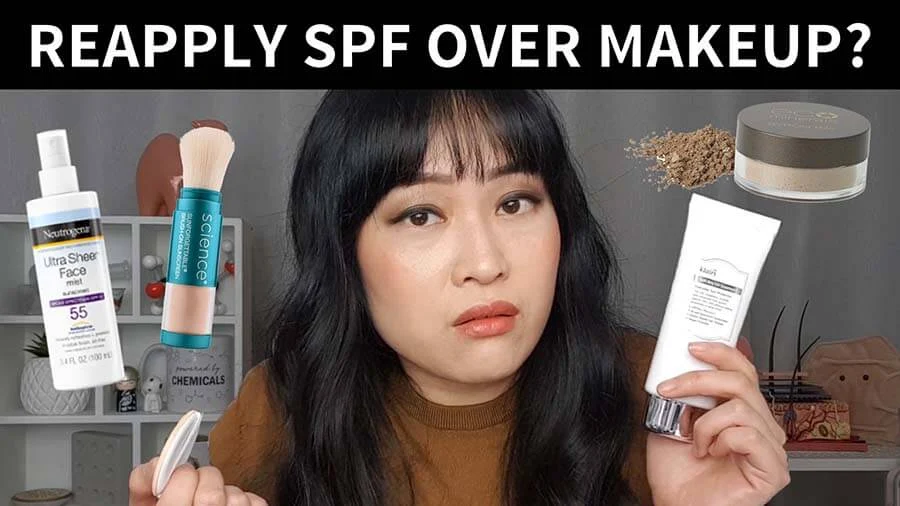
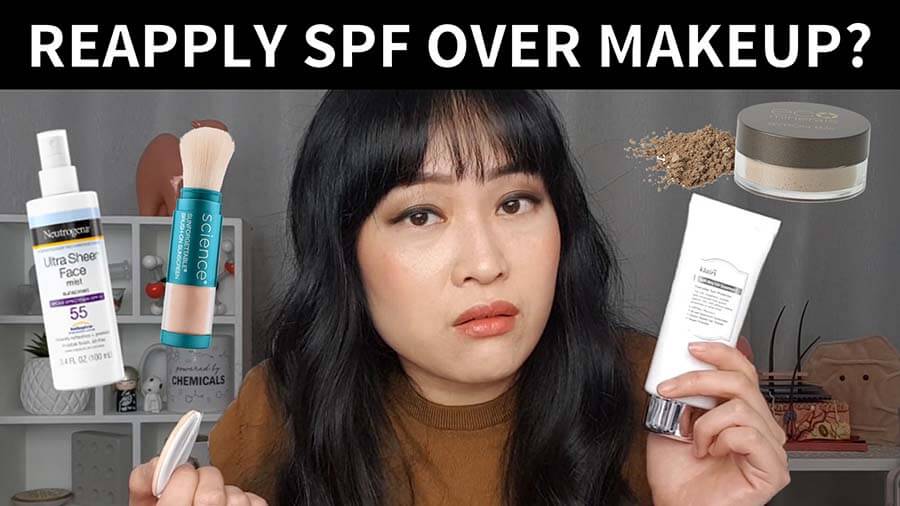
Maintaining consistent and effective ultraviolet (UV) protection throughout the day presents a significant challenge for many individuals, particularly those who incorporate makeup into their daily routines. While morning sunscreen application is a widely accepted practice, the directive to reapply every two hours often clashes with the desire to preserve a carefully crafted cosmetic look. This article delves into the scientific rationale behind regular sunscreen reapplication, analyzes the efficacy of various reapplication methods over makeup, and offers practical strategies to ensure optimal skin protection against the detrimental effects of solar radiation.
The Imperative for Regular Sunscreen Reapplication
Dermatologists and public health organizations universally recommend regular sunscreen reapplication, typically every two hours, or more frequently after swimming, sweating, or towel drying. This recommendation stems from several critical factors that diminish sunscreen’s protective efficacy over time. Understanding these mechanisms is fundamental to appreciating the necessity of reapplication.
Firstly, physical abrasion and removal are primary culprits. Daily activities such as touching one’s face, rubbing against clothing, hair movement, and even casual contact can physically dislodge the sunscreen film from the skin surface. Each instance of contact removes a portion of the protective layer, thereby reducing the amount of active UV filters present and compromising the overall SPF (Sun Protection Factor) rating. The less sunscreen remaining on the skin, the lower the actual protection achieved.
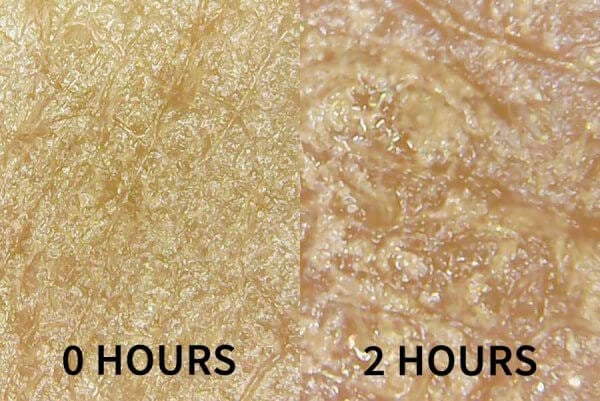
Secondly, the meticulously formed sunscreen film degrades and breaks up due to the skin’s natural physiological processes. Throughout the day, the skin produces sebum (oil) and sweat (water), which interact with and destabilize the continuous film that sunscreen is designed to create. This disruption is exacerbated by heavy sweating. Furthermore, dynamic facial movements—talking, eating, yawning, smiling—cause the skin to stretch and contract, leading to the cracking and clumping of the sunscreen layer. Visual evidence, often observed with foundation (a product designed for similar film-forming properties), clearly demonstrates this phenomenon. Microscope images reveal that a smooth, even film immediately after application can become patchy and migrate into pores and creases within a few hours, creating areas of reduced or absent coverage. This film degradation significantly impairs the evenness and continuity essential for broad-spectrum protection.
Thirdly, the sunscreen film thins over time due to evaporation of volatile components and absorption of certain ingredients into the stratum corneum, the outermost layer of the skin. As the film becomes thinner, its ability to absorb, reflect, or scatter UV radiation is compromised, leading to a decrease in protective capacity.
Finally, while modern formulations have largely mitigated this issue, some older organic (chemical) UV filters were not photostable. This meant they would chemically degrade and become less effective after absorbing a certain amount of UV radiation. Contemporary sunscreens, however, predominantly utilize photostable filters or incorporate stabilizing technologies to enhance their longevity. While this specific problem is less prevalent today, the other factors of physical removal, film degradation, and thinning still necessitate reapplication even with the most advanced photostable formulations. In essence, the protective barrier created by sunscreen is a dynamic entity, constantly under assault from environmental and physiological factors, necessitating regular replenishment to maintain its integrity.
Quantifying the Decline in Protection: A Scientific Perspective
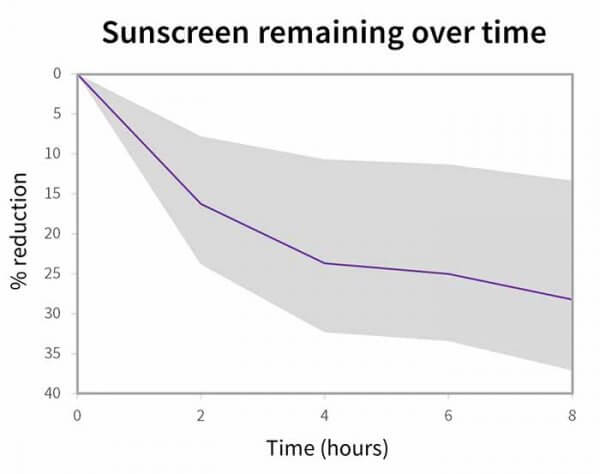
Despite the clear directive for reapplication, specific data on how much protection remains after several hours of typical wear, particularly without intense activity, has historically been sparse. A pivotal study published in the Journal of Dermatological Treatment in 2019, conducted by Rungananchai et al., provided valuable insights into this question. This research involved 20 participants who applied 2 mg/cm² of a sunscreen containing a visible dye, allowing researchers to photographically track its presence on the skin over time. Participants were permitted up to an hour of outdoor exposure but otherwise engaged in minimal movement.
The study’s findings indicated a quantifiable reduction in sunscreen coverage:
- After 2 hours, an average of 16% less dye was observed on the skin.
- After 4 hours, this reduction increased to 23% (7% less than the 2-hour mark).
- By 8 hours, the total reduction reached nearly 30% (an additional 4.5% decrease).
This suggests that approximately 30% less sunscreen coverage remained on the skin after an 8-hour period under relatively sedentary conditions. To illustrate the impact on SPF, if one applies SPF 50 sunscreen initially, a 30% reduction in coverage would effectively lower its protection to approximately SPF 35. Similarly, SPF 30 would drop to SPF 21, and SPF 15 to SPF 10. It is crucial to remember that SPF values do not scale linearly with protection; SPF 30 blocks about 97% of UVB rays, while SPF 50 blocks about 98%. While a drop from 50 to 35 might seem minor in terms of percentage blocked, it still means a greater amount of UV radiation reaching the skin over prolonged exposure. The study also noted that water-resistant sunscreens generally exhibit better staying power, even under mild disturbance, and some chemical sunscreens absorb into the upper layers of the skin, contributing to their persistence.
However, the Rungananchai study’s conditions—minimal movement, no other facial products—represent an idealized scenario. In real-world applications, especially with makeup, the rate of degradation and removal could be significantly higher. Therefore, while a substantial amount of protection might theoretically remain, relying solely on morning application for an entire day of moderate to high UV exposure is generally considered insufficient by dermatological experts. The degree of protection needed ultimately depends on individual UV exposure levels and personal concerns regarding the long-term effects of UV radiation, such as skin cancer, photoaging (wrinkles), and hyperpigmentation.
Dermatological Recommendations and the Real-World Challenge
Leading dermatological bodies, such as the American Academy of Dermatology (AAD) and the World Health Organization (WHO), consistently advocate for comprehensive sun protection strategies. These include seeking shade, wearing protective clothing, and applying broad-spectrum sunscreen with an SPF of 30 or higher, reapplying it every two hours, or immediately after swimming or sweating. This advice underscores the critical role of sustained protection throughout the day, irrespective of makeup.
The core challenge for makeup wearers lies in reconciling this scientific imperative with cosmetic aesthetics. Reapplying traditional cream or lotion sunscreens directly over a full face of makeup can disrupt the foundation, concealer, and other products, leading to a patchy, uneven, or "cakey" finish. This practical hurdle often leads individuals to forgo reapplication, inadvertently leaving their skin vulnerable to UV damage during periods of peak sun exposure. Addressing this necessitates exploring reapplication methods that minimize cosmetic disturbance while maximizing protective efficacy.
Evaluating Sunscreen Reapplication Methods Over Makeup
Several product formats are marketed for on-the-go sunscreen reapplication. However, their efficacy varies significantly, and consumers must be discerning about their true protective capabilities.
1. Foundation and SPF-Rated Cosmetics:
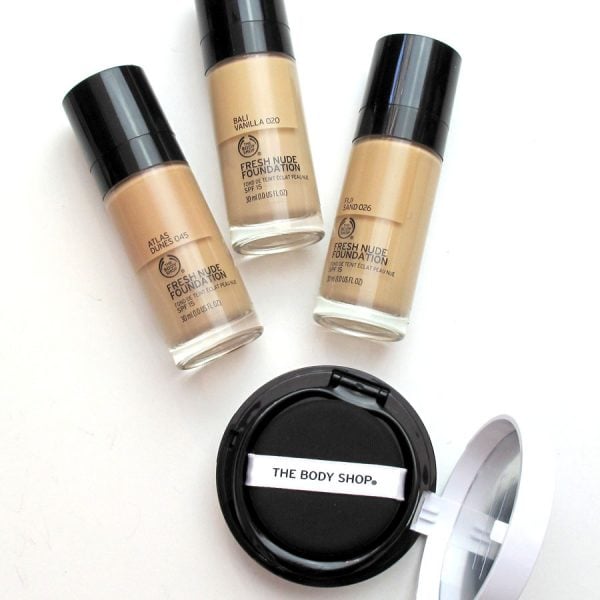
Many liquid foundations, tinted moisturizers, and BB/CC creams incorporate SPF. While these products offer an initial layer of protection, they are generally inadequate for standalone sun protection or reapplication. Studies, such as one by Loretz et al. in 2006, indicate that the average application amount of liquid foundation (approximately 0.54 g for a typical face) is far less than the 1.25 g (or 1/4 teaspoon) required to achieve the stated SPF on the label when applied at the standard 2 mg/cm². For instance, a foundation labeled SPF 30 might only provide an actual SPF of around 5-10 when applied in typical quantities. The situation is even less favorable for those who use minimal foundation (e.g., 0.2 g), where the effective SPF plummets further. Therefore, relying on SPF in makeup for reapplication is largely ineffective for achieving significant protection.
2. Powder Sunscreens:
Powder sunscreens, often presented as convenient for touch-ups, are even less reliable for delivering adequate protection. Research conducted by the Cosmetic, Toiletry, and Fragrance Association in the 1980s found that the average application of face powder is a mere 85 milligrams. On a typical face area of 400 cm², this translates to an application density significantly below the 2 mg/cm² standard. Even an SPF 50 powder would yield an actual SPF of less than 2 under such application. The inherent nature of powders to adhere unevenly and provide incomplete coverage further compromises their protective capacity.
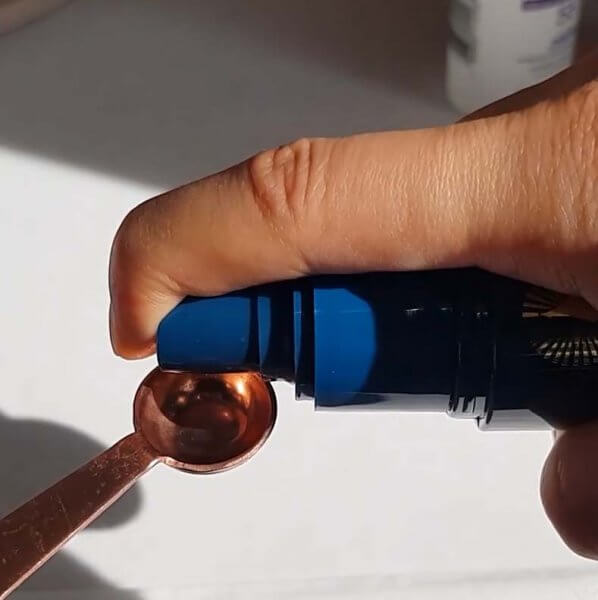
While some brands, like Colorescience, have developed advanced powder formulations designed for better adhesion and water resistance, achieving their stated SPF (e.g., SPF 50) in real-world conditions remains challenging. Data from Colorescience’s FDA submissions reveal that attaining significant coverage (e.g., 0.542 mg/cm² remaining after water resistance tests) typically requires an application of 2 mg/cm² of powder, meticulously patted into an even layer, and allowed to set for 15 minutes. Furthermore, extracting the necessary amount of product from brush dispensers can involve swirling the brush for 60 seconds and priming it multiple times—a process deemed unrealistic for routine reapplication. The small pack sizes and high cost of many powder sunscreens also make them an impractical and expensive solution for adequate, consistent coverage. While water-resistant powder sunscreens might offer a marginal improvement due to their rigorous testing, other formats are generally more reliable for effective protection.
3. Sunscreen Sprays (Aerosols and Pump Mists):
Sunscreen sprays, both aerosol (pressurized cans with propellants) and non-aerosol pump mists, initially appeared to offer a convenient solution for reapplication over makeup. However, recent scientific scrutiny has cast serious doubt on their ability to provide sufficient and even coverage.
Aerosol Sprays: Tests, such as those conducted by Choice magazine, have revealed that only 40-60% of the contents of an aerosol spray can are actual sunscreen, with the remainder being propellants. Since SPF testing is performed on the sunscreen concentrate before the addition of propellant, consumers need to apply a significantly larger volume of the sprayed product to achieve the labeled SPF. The problem is compounded by wind, which can carry away a substantial portion of the spray before it even reaches the skin.
Pump Mists and General Spray Issues: More recent experiments, including those conducted by Lab Muffin Beauty Science and reports from Australian researchers (ARPNSA), have demonstrated that the amount of sunscreen landing on the face from a spray is far less than commonly assumed. With typical application distances, only 1/5 to 1/9 of the sprayed product actually lands on the skin. This means that to achieve the recommended 1/4 teaspoon (1.25g) of sunscreen on the face, one would need to spray an unrealistic quantity, likely saturating the face and disturbing makeup significantly. The uneven distribution inherent in spray application also creates areas of insufficient protection, leaving the skin vulnerable.
Consequently, direct spraying onto the face for reapplication is no longer recommended. The only viable method for using sunscreen sprays to achieve reliable protection is to spray the product into the hand (e.g., into a quarter-teaspoon measure to gauge the amount), and then pat it onto the skin with fingers or a sponge, treating it essentially as a regular lotion.
4. Lotion Sunscreen with a Cushion Applicator (The Recommended Method):
For most individuals seeking to reapply sunscreen over makeup without completely disrupting their look, applying regular sunscreen lotion with a cushion puff emerges as the most effective and practical compromise. This technique, popularized within the Asian skincare community, offers several advantages:
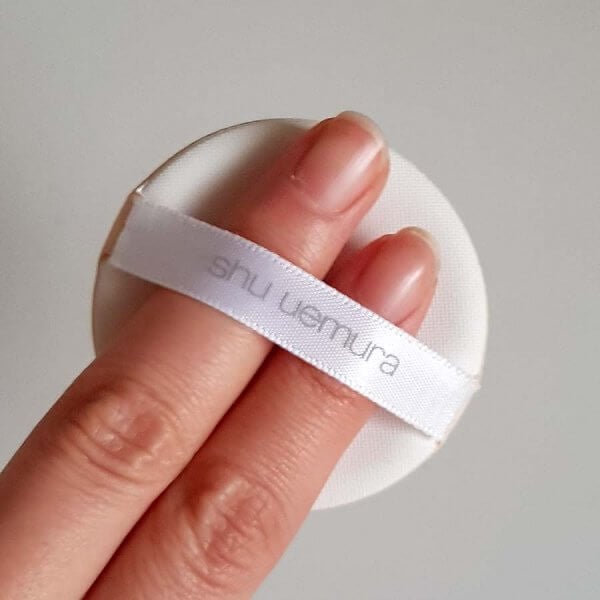
- Controlled Application: A cushion puff, thinner than traditional beauty sponges, absorbs less product, ensuring that a greater proportion of the sunscreen is transferred to the skin. This allows for a more controlled and precise application of the necessary amount.
- Even Distribution: The patting motion of a cushion puff helps to press the sunscreen gently over makeup, creating a more even layer compared to rubbing, which would smear makeup.
- Minimal Makeup Disturbance: While some minor disruption is inevitable, the patting technique minimizes smudging and allows the sunscreen to sit on top of the existing makeup without extensively blending it away.
- Versatility: Cushion puffs are portable, hygienic when stored in a sealed bag, and can be folded to reach intricate areas like around the nose and eyes.
- Product Compatibility: This method works best with lightweight, silicone-based sunscreens that spread easily and dry down without feeling heavy or sticky. Sunscreens with a minimal white cast are also preferable.
Practical Application Strategy:
To implement this method, dispense a suitable amount of your chosen sunscreen (e.g., 1/4 teaspoon for the face) onto the back of your hand or directly onto the cushion puff. Begin by gently patting the sunscreen onto areas of the face with minimal makeup, such as the forehead and jawline, building up a couple of layers if needed. Then, proceed to areas with heavier makeup, such as the cheeks and T-zone, using light, tapping motions. Areas with intricate makeup, like eyeshadow, are challenging to reapply over without disruption; in such cases, it might be advisable to either skip eyeshadow or be prepared to reapply it afterwards. For
