

Polycystic Ovary Syndrome (PCOS) remains one of the most prevalent yet frequently misunderstood endocrine disorders among women of reproductive age globally. Despite affecting an estimated 8% to 13% of women, a significant portion of the population remains undiagnosed or experiences substantial delays in receiving a formal clinical assessment. Research published in the journal Human Reproduction indicates that for many women, the journey to a diagnosis is characterized by a "diagnostic odyssey" that can span upwards of two years and require consultations with at least three different healthcare providers. This delay is particularly concerning given that PCOS is a leading cause of ovulatory infertility and is associated with significant long-term metabolic and psychological health risks.
The clinical community has long sought more efficient ways to streamline the diagnostic process, which traditionally relies on a combination of physical examinations, detailed medical histories, and laboratory testing. In response to these barriers, the emergence of at-home hormonal screening kits, such as the PCOS Home Test from Let’s Get Checked, represents a shift toward decentralized healthcare. These tools aim to provide women with preliminary data regarding their hormonal health, potentially shortening the timeframe between the onset of symptoms and the initiation of a management plan.
The Clinical Framework: Understanding the Rotterdam Criteria
To understand the utility of new diagnostic tools, it is essential to examine the established medical standards for identifying PCOS. Since 2003, the Rotterdam criteria have served as the international benchmark for diagnosis. Under these guidelines, a patient must present with at least two of the following three conditions, provided other mimicking disorders have been excluded:

- Oligo-ovulation or Anovulation: This is clinically observed as irregular menstrual cycles, typically defined as having fewer than eight periods per year or experiencing cycles that last longer than 35 days.
- Hyperandrogenism: This refers to elevated levels of "male" hormones, such as testosterone. It can be identified through biochemical blood tests or clinical signs, including hirsutism (excessive hair growth on the face, chest, or back), severe adult acne, or androgenetic alopecia (thinning hair on the scalp).
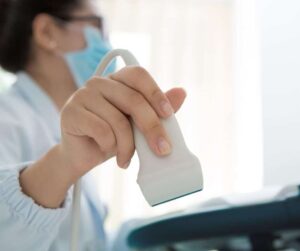
- Polycystic Ovaries: Identified via transvaginal ultrasound, this criterion is met if one or both ovaries contain 12 or more follicles measuring 2–9 mm in diameter or have an increased ovarian volume (greater than 10 ml).
It is a common clinical misconception that the presence of "cysts" is required for a diagnosis. In reality, the "cysts" observed in PCOS are actually small, immature follicles that have failed to develop and release an egg due to hormonal imbalances. Furthermore, approximately 20% of women in the general population may have polycystic ovaries on an ultrasound without exhibiting the hormonal or ovulatory disturbances necessary for a PCOS diagnosis.
The Diagnostic Timeline: Barriers to Timely Care
The two-year delay cited in recent studies is often attributed to the non-specific nature of PCOS symptoms. Many symptoms, such as weight gain or irregular periods, are frequently dismissed by patients or misdiagnosed by general practitioners as stress-related issues or lifestyle-driven concerns.
The typical chronology of a PCOS diagnosis often follows a frustrating path:
- Year 0: Onset of symptoms, often during puberty or early twenties. Patients may experience irregular cycles or skin changes.
- Month 6–12: The patient seeks initial medical advice. Symptoms are often treated individually (e.g., birth control for cycles, topical creams for acne) without investigating the underlying endocrine cause.
- Year 1.5: Persistent symptoms or difficulties in conceiving lead the patient to seek a second or third opinion, often from a specialist such as an endocrinologist or gynecologist.
- Year 2: Comprehensive blood work and imaging are finally performed, leading to a confirmed diagnosis.
This prolonged timeline can have detrimental effects on a patient’s mental health, leading to increased anxiety and a sense of medical gaslighting. The introduction of accessible testing aims to intervene earlier in this timeline by providing objective biochemical evidence that patients can bring to their physicians.

Differential Diagnosis and the Role of Comprehensive Blood Work
A critical component of a PCOS diagnosis is the "diagnosis of exclusion." Because the symptoms of PCOS overlap with several other serious conditions, doctors must rule out other endocrine disorders before confirming the syndrome. Key conditions that must be excluded include:
- Cushing’s Syndrome: A disorder caused by excess cortisol.
- Congenital Adrenal Hyperplasia: A genetic condition affecting the adrenal glands.
- Thyroid Dysfunction: Specifically hypothyroidism, which can cause irregular cycles and weight gain.
- Hyperprolactinemia: Excess production of prolactin, which can stop ovulation.
Standard blood panels for PCOS typically measure a suite of reproductive hormones. These include Luteinizing Hormone (LH) and Follicle-Stimulating Hormone (FSH)—often looking for an elevated LH to FSH ratio—as well as Total Testosterone, Sex Hormone-Binding Globulin (SHBG), and Free Androgen Index (FAI). In cases where fertility is a primary concern, Anti-Müllerian Hormone (AMH) levels are also measured, as women with PCOS frequently exhibit high AMH due to the large number of small follicles in their ovaries.
Innovation in Patient Access: The At-Home Testing Model
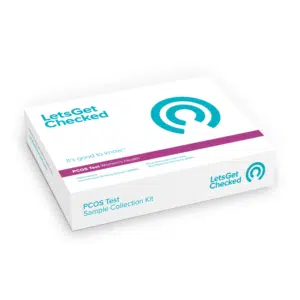
The Let’s Get Checked PCOS Home Test utilizes a capillary blood sample—collected via a finger prick—to analyze these same critical biomarkers. This method allows individuals to bypass the initial hurdles of scheduling multiple doctor appointments just to request blood work. The kit tests for a comprehensive profile including Testosterone, SHBG, FAI, LH, FSH, and Cortisol.
The procedural aspect of the test is designed to align with the female biological clock. For women with regular cycles, the sample collection is recommended on days 3, 4, or 5 of the menstrual cycle to capture baseline hormonal levels accurately. For those with highly irregular or absent periods—a hallmark of the condition—the test can be taken on any three consecutive weekdays. This flexibility is essential for a population that, by definition, often lacks a predictable cycle.
Once the sample is collected, it is processed in laboratories that maintain CLIA (Clinical Laboratory Improvement Amendments) certification and CAP (College of American Pathologists) accreditation. These are the same standards met by hospital and clinic laboratories, ensuring that the biochemical data is of clinical grade. Following the analysis, the results are reviewed by a medical team, and if abnormalities are detected, a clinical nurse contacts the patient to discuss the findings and outline the necessary next steps for a formal diagnosis.
Analysis of Implications: Benefits and Limitations
The rise of at-home testing in the endocrine space carries significant implications for public health. On the positive side, it empowers patients with data, potentially reducing the time to diagnosis. In a healthcare system where appointment wait times for specialists can be months long, having lab results in hand can expedite the first consultation.
However, medical experts emphasize that at-home tests should be viewed as a screening tool rather than a final diagnosis. A "probable diagnosis" provided by a kit must still be validated by a physician who can perform a physical exam and, if necessary, an ultrasound. Furthermore, at-home tests are not suitable for those currently on hormonal birth control, as synthetic hormones suppress the body’s natural production, rendering the test results uninterpretable for diagnostic purposes.
The cost of these tests also presents a factor for consideration. While the Let’s Get Checked kit is priced at approximately $119 (with various discounts available through partner organizations), this may be an out-of-pocket expense for many, whereas traditional lab work might be covered by insurance. Nevertheless, for those without comprehensive insurance or those living in "medical deserts" with limited access to specialists, the cost may be lower than the cumulative expense of multiple office visits and travel.
Long-Term Health Risks and the Importance of Early Intervention
The urgency of early PCOS diagnosis extends beyond managing symptoms like acne or irregular periods. PCOS is increasingly recognized as a metabolic precursor to several life-altering conditions. Women with PCOS are at a significantly higher risk for:
- Type 2 Diabetes: Over 50% of women with PCOS develop type 2 diabetes or pre-diabetes before the age of 40. This is largely driven by insulin resistance, which affects approximately 70% of PCOS patients regardless of their weight.
- Cardiovascular Disease: PCOS is linked to hypertension (high blood pressure) and high LDL (bad) cholesterol, increasing the long-term risk of heart attack and stroke.
- Endometrial Cancer: Infrequent ovulation leads to the continuous thickening of the uterine lining (endometrium) without the regular shedding provided by a period. This increases the risk of endometrial hyperplasia and, eventually, cancer.
- Non-Alcoholic Fatty Liver Disease (NAFLD): The metabolic disturbances in PCOS can lead to fat accumulation in the liver.
By identifying the condition early—potentially through the use of accessible home screening—patients can implement lifestyle interventions, such as specific dietary changes and exercise regimens, or pharmacological treatments like Metformin or Inositol, to mitigate these risks.
The Psychological Burden and Economic Impact
Beyond the physical health implications, the delay in PCOS diagnosis carries a heavy psychological and economic toll. Studies have shown that women with PCOS experience higher rates of depression, anxiety, and body dysmorphia compared to the general population. The visible symptoms of hyperandrogenism, such as facial hair and hair loss, can severely impact self-esteem and social functioning.
Economically, the "diagnostic odyssey" represents a drain on healthcare resources. Multiple consultations for the same unresolved symptoms increase costs for both the patient and the healthcare system. A streamlined process, aided by preliminary at-home testing, could theoretically reduce the number of unnecessary "discovery" visits, allowing the patient to enter the healthcare system at the specialist level with relevant data already prepared.

Conclusion: A Multi-Faceted Approach to Women’s Health
The evolution of PCOS diagnosis reflects a broader trend in modern medicine toward patient-centered, data-driven care. While the traditional clinical path remains the gold standard for confirmation, the integration of at-home hormonal testing provides a vital entry point for the millions of women who currently fall through the cracks of the healthcare system.
As research continues to highlight the systemic nature of Polycystic Ovary Syndrome—touching everything from metabolic health to mental well-being—the goal of the medical community is to shift from reactive treatment to proactive management. Reducing the diagnostic window from two years to a matter of weeks is a critical step in improving the quality of life and long-term health outcomes for women worldwide. Through a combination of innovative technology, patient education, and clinical expertise, the path to understanding one’s hormonal health is becoming increasingly accessible.
