

Clinical research and nutritional science have increasingly converged on the Mediterranean diet as a premier intervention for managing Polycystic Ovarian Syndrome (PCOS), a complex endocrine disorder affecting approximately 8% to 13% of women of reproductive age worldwide. While historically treated through pharmaceutical means such as hormonal contraceptives and insulin sensitizers, the shift toward lifestyle-based management has gained significant momentum. Recent studies published in journals such as Nutrients and Human Reproduction suggest that this traditional eating pattern—characterized by high consumption of plant-based foods, healthy fats, and lean proteins—offers a multi-targeted approach to the metabolic and reproductive challenges inherent in PCOS. By addressing chronic inflammation, insulin resistance, and hormonal imbalances, the Mediterranean diet is emerging not merely as a weight-loss tool but as a comprehensive therapeutic strategy for long-term endocrine health.
The Clinical Evolution of PCOS Management
The understanding of PCOS has evolved significantly since it was first described by Irving Stein and Michael Leventhal in 1935. Originally viewed primarily as a reproductive disorder characterized by enlarged ovaries and amenorrhea, the medical community now recognizes PCOS as a systemic metabolic condition. The 1990s marked a pivotal shift when researchers established the profound link between PCOS and insulin resistance, leading to the use of Metformin and other insulin-sensitizing agents. In the last decade, however, the focus has expanded to include the role of chronic low-grade inflammation and gut dysbiosis.
This chronological shift in understanding has necessitated a broader approach to treatment. Clinical guidelines from organizations such as the International PCOS Network now emphasize lifestyle intervention as the first-line therapy. The Mediterranean diet, with its high density of antioxidants and anti-inflammatory compounds, aligns precisely with these updated clinical objectives. Data indicates that approximately 33% of women with PCOS also meet the criteria for metabolic syndrome, a cluster of conditions that increase the risk of heart disease, stroke, and type 2 diabetes. For this demographic, the Mediterranean diet serves as a preventative measure against long-term cardiovascular and metabolic decline.
Mitigating Chronic Inflammation and Insulin Resistance
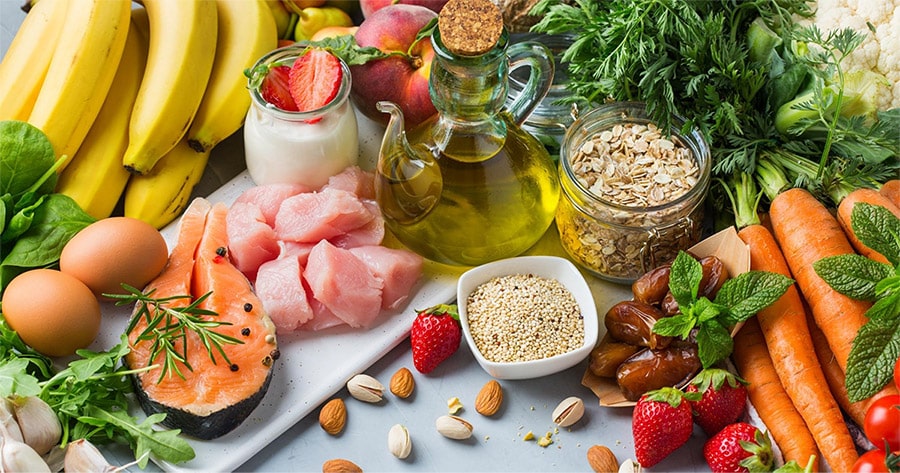
One of the primary drivers of PCOS symptoms is chronic systemic inflammation. Women with the syndrome often exhibit elevated levels of C-reactive protein (CRP) and other inflammatory markers, which are closely linked to insulin resistance. The Mediterranean diet is inherently anti-inflammatory due to its emphasis on extra virgin olive oil, fatty fish, and a diverse array of colorful vegetables. These foods provide polyphenols and omega-3 fatty acids that inhibit inflammatory pathways at the cellular level.
Research published in the journal Endocrine, Metabolic & Immune Disorders indicates that the Mediterranean diet can significantly reduce systemic inflammation, which in turn enhances insulin sensitivity. Insulin resistance affects an estimated 50% to 70% of women with PCOS, regardless of their Body Mass Index (BMI). When the body’s cells become resistant to insulin, the pancreas compensates by producing more of the hormone. High levels of insulin (hyperinsulinemia) stimulate the ovaries to produce excess testosterone, leading to the hallmark symptoms of PCOS: acne, hirsutism (excess hair growth), and irregular ovulation. By stabilizing blood glucose levels through the consumption of low-glycemic index (GI) whole grains and fiber-rich legumes, the Mediterranean diet reduces the insulin demand, thereby lowering androgen production.
Reproductive Outcomes and Fertility Enhancement
Infertility is one of the most distressing complications of PCOS, often caused by anovulation resulting from hormonal imbalances. The impact of the Mediterranean diet on reproductive health is supported by compelling data from the field of assisted reproductive technology (ART). A study published in Human Reproduction observed that women who adhered closely to a Mediterranean-style diet had a 65-68% higher likelihood of achieving a successful pregnancy and live birth compared to those with low adherence.
The benefits extend beyond the female partner. Evidence suggests that the high antioxidant content of the diet improves semen quality, addressing potential male-factor infertility simultaneously. For women with PCOS, the diet’s ability to lower serum testosterone levels is critical. Lower androgens facilitate more regular menstrual cycles and improve the quality of oocytes (eggs). This hormonal rebalancing is further supported by the high intake of Omega-3 fatty acids found in the Mediterranean pattern, which have been shown to specifically target and reduce testosterone concentrations in the blood.
Hepatic Health and the Gut Microbiome
The implications of PCOS extend to the liver and the gastrointestinal tract, areas often overlooked in traditional gynecological care. Women with PCOS are at a significantly higher risk for Non-Alcoholic Fatty Liver Disease (NAFLD) compared to the general population. This is largely due to the interplay between insulin resistance and visceral fat. Longitudinal research has demonstrated that following a Mediterranean diet for 12 months can improve liver fat content and insulin sensitivity, even in cases where significant weight loss is not achieved. This suggests that the nutrient composition of the diet—specifically the replacement of saturated fats with monounsaturated fats (MUFAs)—has a direct protective effect on hepatic tissue.
Furthermore, the gut microbiome has emerged as a key player in PCOS pathology. Studies have shown that women with PCOS typically possess a less diverse gut microbiome, which can exacerbate inflammation and metabolic dysfunction. The Mediterranean diet is exceptionally high in prebiotic fibers from legumes, fruits, and vegetables, which serve as fuel for beneficial gut bacteria. By fostering a more diverse and stable microbial environment, the diet helps to regulate the "leaky gut" phenomenon often associated with inflammatory conditions, providing another layer of symptomatic relief for PCOS patients.
Comparative Analysis: Mediterranean vs. Western Dietary Patterns
The efficacy of the Mediterranean diet is most apparent when contrasted with the "Standard American Diet" or Western diet. The Western diet is characterized by high intakes of refined sugars, trans fats, and processed red meats, all of which are known to trigger oxidative stress and insulin spikes. For a woman with PCOS, a Western diet acts as a catalyst for symptom flare-ups.
| Feature | Mediterranean Diet | Western Diet |
|---|---|---|
| Primary Fat Source | Monounsaturated (Olive Oil) | Saturated & Trans Fats |
| Carbohydrate Quality | High Fiber, Low GI (Whole Grains) | Refined Sugars, High GI |
| Protein Sources | Fish, Legumes, Poultry | Red Meat, Processed Meats |
| Antioxidant Content | Very High (Fruits/Vegetables) | Low |
| Impact on Insulin | Stabilizing | Spiking |
The Mediterranean diet’s reliance on whole, unprocessed foods ensures a steady supply of micronutrients such as magnesium, zinc, and B vitamins, which are often depleted in women with PCOS. These nutrients are essential for glucose metabolism and hormonal synthesis. By removing the inflammatory triggers found in processed snacks and sugary beverages, the Mediterranean diet creates a physiological environment conducive to healing.
Socio-Economic and Lifestyle Integration
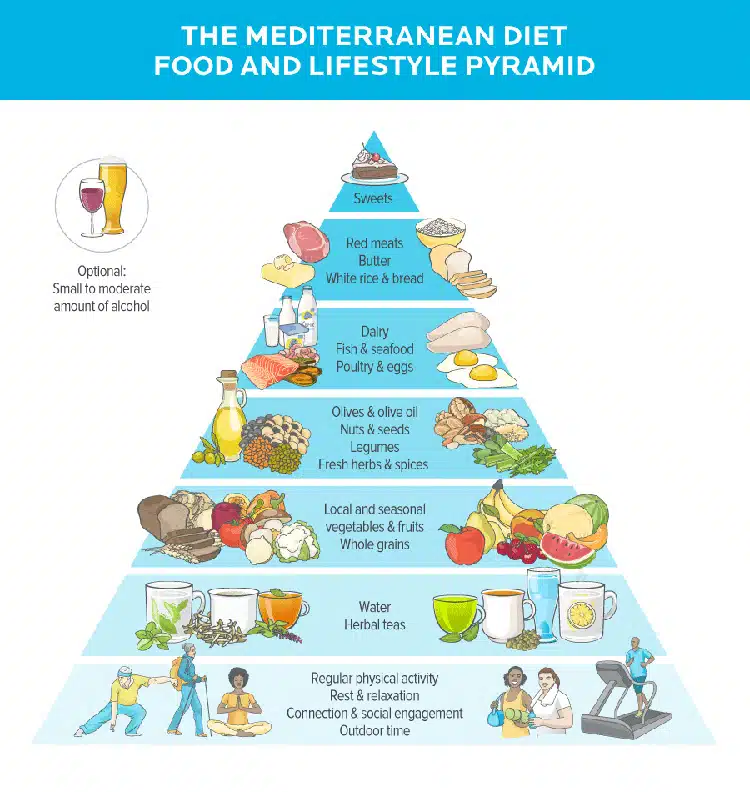
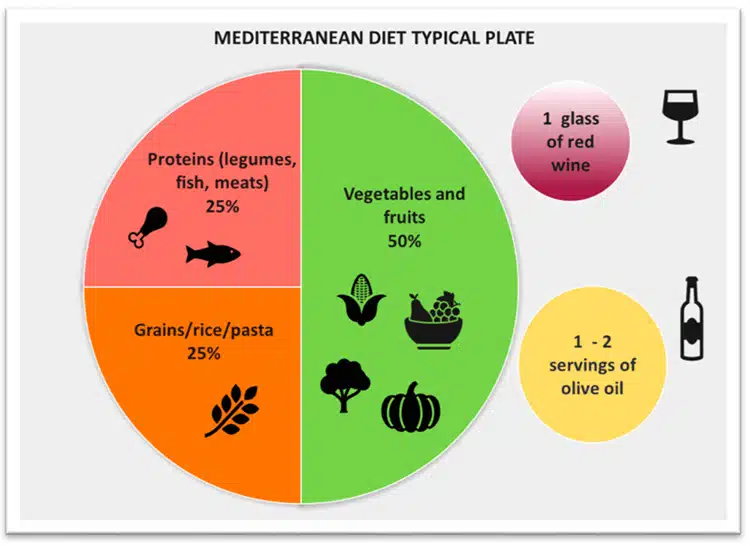
A unique aspect of the Mediterranean diet is that it is often described as a "lifestyle" rather than a restrictive regimen. This distinction is vital for long-term adherence, a common hurdle in PCOS management. The lifestyle emphasizes two non-dietary factors that significantly impact metabolic health: the consumption of locally sourced, seasonal foods and the practice of mindful, slow eating.
Eating locally and seasonally reduces the reliance on ultra-processed, shelf-stable products that often contain endocrine-disrupting preservatives. Furthermore, the practice of eating slowly has been shown to improve satiety signaling. Women with PCOS often struggle with dysregulated hunger hormones, such as ghrelin and leptin, which can lead to frequent cravings and overeating. By adopting the Mediterranean habit of unhurried meals, individuals can better tune into their body’s fullness cues, aiding in weight maintenance and reducing the psychological stress associated with "dieting."
Broader Public Health Implications and Conclusion
The adoption of the Mediterranean diet as a standard of care for PCOS has broader implications for public health. Given that PCOS is a precursor to type 2 diabetes and cardiovascular disease, effective dietary intervention can reduce the long-term economic burden on healthcare systems. Furthermore, the diet has been linked to a reduced risk of certain cancers, including breast cancer, which is of particular relevance given the hormonal complexities of PCOS.
In conclusion, the Mediterranean diet offers a scientifically validated, holistic framework for managing the multifaceted symptoms of PCOS. By addressing the root causes of the syndrome—insulin resistance and inflammation—rather than merely masking the symptoms, this dietary pattern empowers women to take control of their endocrine health. While pharmaceutical interventions remain necessary for some, the integration of Mediterranean nutritional principles provides a foundation for improved fertility, metabolic stability, and long-term wellness. As research continues to unfold, the Mediterranean diet stands as a cornerstone of modern, integrative gynecological and metabolic medicine.
