

Polycystic Ovarian Syndrome (PCOS) remains one of the most prevalent endocrine disorders affecting women of reproductive age globally, characterized by a complex interplay of hormonal imbalances, ovulatory dysfunction, and metabolic disturbances. As clinical understanding of the syndrome shifts from a purely reproductive focus to a systemic metabolic perspective, nutritional interventions have emerged as a primary pillar of long-term management. Among these, the Mediterranean diet (MD) has garnered significant attention from the medical community. Emerging research suggests that this dietary pattern, rich in monounsaturated fats, antioxidants, and fiber, offers a multifaceted approach to mitigating the core drivers of PCOS, including chronic inflammation, insulin resistance, and hyperandrogenism.
Clinical Overview of PCOS and the Metabolic Burden
PCOS affects approximately 8% to 13% of reproductive-aged women, though many cases remain undiagnosed. The syndrome is defined by the Rotterdam criteria, which require at least two of the following: oligo- or anovulation, clinical or biochemical signs of hyperandrogenism, and polycystic ovaries on ultrasound. Beyond these diagnostic markers, however, lies a significant metabolic burden. Between 50% and 70% of women with PCOS exhibit some degree of insulin resistance, regardless of their Body Mass Index (BMI).
This insulin resistance is not merely a secondary symptom but a primary driver of the disorder’s pathology. Elevated insulin levels stimulate the ovarian theca cells to produce excess androgens (testosterone), which in turn disrupts the menstrual cycle and leads to physical symptoms such as hirsutism, cystic acne, and androgenetic alopecia. Furthermore, women with PCOS are at a significantly higher risk for developing Type 2 diabetes, non-alcoholic fatty liver disease (NAFLD), and cardiovascular complications later in life.
The Mediterranean Diet: A Nutritional Framework
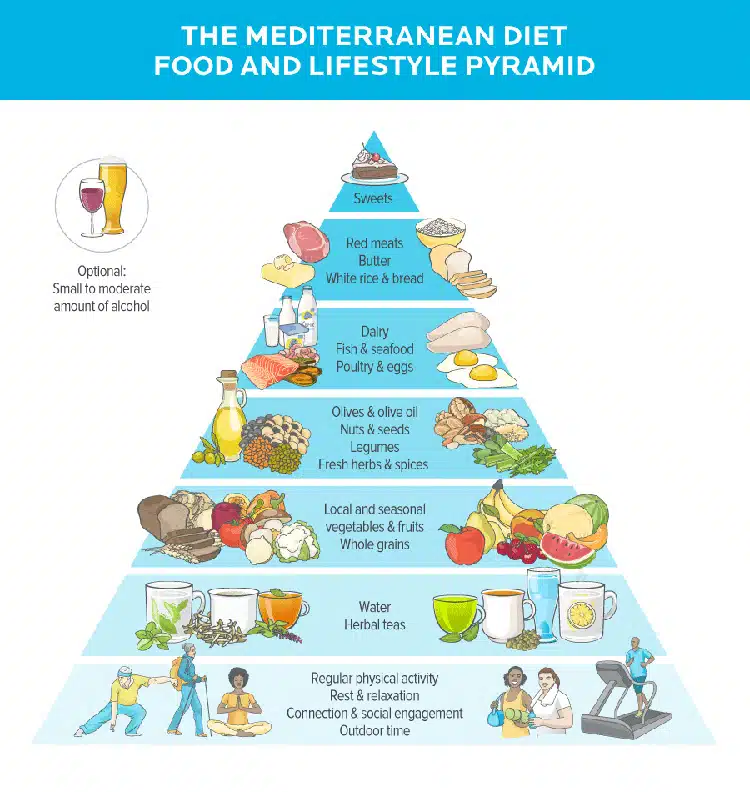
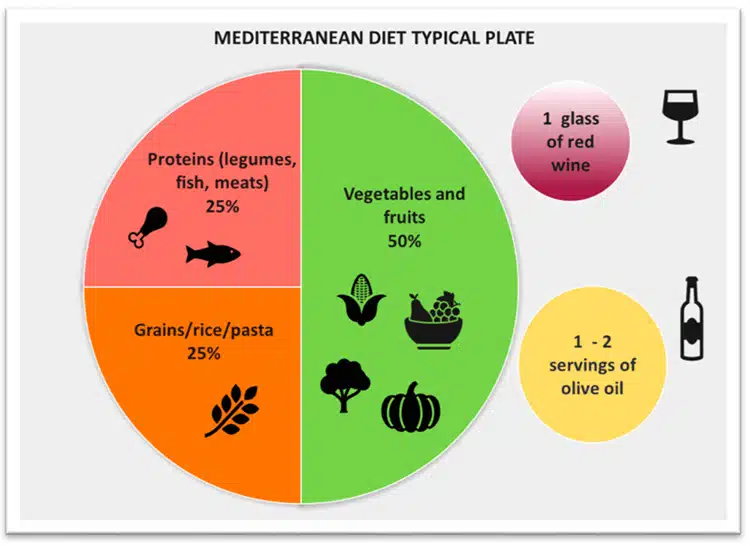
The Mediterranean diet is less a restrictive "diet" and more a sustainable nutritional framework based on the traditional eating habits of populations bordering the Mediterranean Sea. It is characterized by a high intake of plant-based foods, including fruits, vegetables, legumes, nuts, seeds, and whole grains. The primary source of added fat is extra virgin olive oil, providing high levels of monounsaturated fatty acids (MUFAs) and polyphenols.
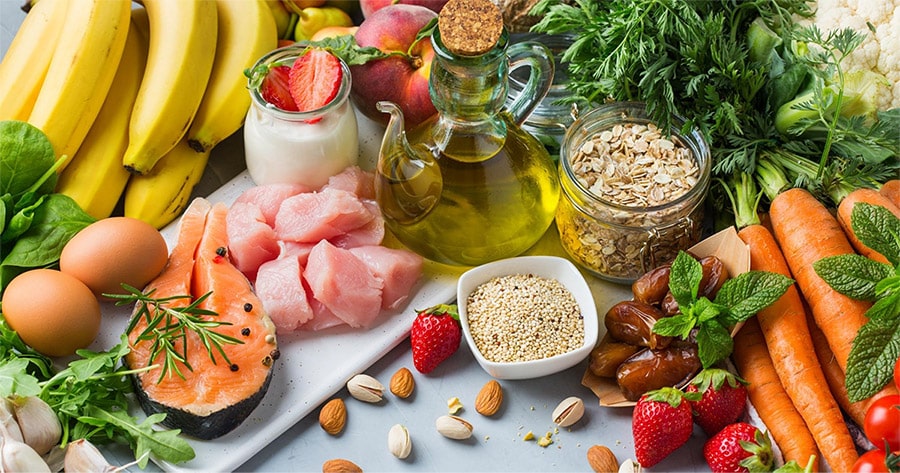
Protein in the MD is primarily derived from fish, poultry, and eggs in moderate portions, with a notably low consumption of red meat and processed meats. Dairy is consumed in moderation, typically in the form of fermented products like yogurt and cheese. Refined sugars and highly processed carbohydrates are almost entirely absent from the traditional iteration of this diet. For women with PCOS, this profile offers a low-glycemic index (GI) approach that stabilizes blood glucose while providing the anti-inflammatory compounds necessary to combat systemic stress.
Mitigation of Chronic Low-Grade Inflammation
One of the most critical aspects of PCOS is the presence of chronic low-grade inflammation. Clinical studies have consistently shown that women with PCOS have elevated markers of inflammation, such as C-reactive protein (CRP) and white blood cell counts, which are independent of obesity. This inflammatory state contributes to the "vicious cycle" of PCOS, where inflammation worsens insulin resistance, and insulin resistance, in turn, promotes further adipose tissue inflammation.
The Mediterranean diet acts as a potent anti-inflammatory intervention. The high concentrations of antioxidants from colorful vegetables and the oleocanthal found in extra virgin olive oil function similarly to non-steroidal anti-inflammatory drugs (NSAIDs) at a molecular level. Research published in the journal Endocrine, Metabolic & Immune Disorders – Drug Targets indicates that adherence to the MD leads to a significant reduction in systemic inflammatory markers. By dampening this inflammatory response, the diet helps restore cellular sensitivity to insulin, thereby addressing the root cause of many PCOS symptoms.
Impact on Insulin Sensitivity and Glucose Homeostasis
Insulin resistance in PCOS is often characterized by a defect in the post-receptor insulin signaling pathway in skeletal muscle and adipose tissue. The Mediterranean diet’s emphasis on fiber and complex, unprocessed carbohydrates ensures a slow, steady release of glucose into the bloodstream, preventing the sharp insulin spikes that exacerbate ovarian androgen production.
Clinical data suggests that following the MD can lower fasting insulin levels and improve the Homeostatic Model Assessment for Insulin Resistance (HOMA-IR) scores. This is particularly relevant for the 33% of women with PCOS who also meet the criteria for metabolic syndrome. By improving glucose homeostasis, the MD serves as a non-pharmacological alternative or adjunct to medications like Metformin or supplements such as Inositol, which are commonly prescribed to manage the metabolic aspects of the syndrome.
Reproductive Health and Fertility Outcomes
Infertility is one of the most distressing symptoms of PCOS, often resulting from chronic anovulation. However, the nutritional environment plays a decisive role in oocyte quality and the hormonal balance required for conception. A landmark study published in Human Reproduction highlighted the profound impact of the Mediterranean diet on reproductive success. The study found that women who adhered closely to the MD had a 65-68% greater likelihood of achieving a successful pregnancy and live birth compared to those with low adherence.
The benefits extend beyond the female partner. Research indicates that the high antioxidant and Omega-3 content of the MD improves semen quality, including sperm count and motility. For couples struggling with PCOS-related infertility, adopting a Mediterranean-style eating pattern can improve the microenvironment of the follicular fluid and enhance the chances of both natural and assisted conception (IVF).
Reduction of Hyperandrogenism and Physical Symptoms
Hyperandrogenism, or elevated "male" hormones, is responsible for the distressing dermatological symptoms of PCOS. The Mediterranean diet is naturally high in Omega-3 fatty acids, particularly from fish and walnuts. Omega-3s have been shown to increase Sex Hormone-Binding Globulin (SHBG) levels. SHBG is a protein that binds to testosterone in the blood; when SHBG is low (as is common in PCOS), there is more "free" testosterone available to cause acne and hair growth.
Furthermore, a study in the journal Nutrients observed that women with PCOS who did not follow the MD tended to have significantly higher levels of circulating testosterone. By increasing SHBG and reducing the insulin-driven production of androgens in the ovaries, the MD provides a systemic approach to clearing skin and reducing hirsutism over time.
Gut Microbiome Diversity and Hepatic Health
Recent scientific inquiry has identified the gut microbiome as a key player in the development and severity of PCOS. Women with the syndrome often exhibit "dysbiosis," or a lack of diversity in gut bacteria, which can increase intestinal permeability and trigger further inflammation. The high fiber content of the Mediterranean diet acts as a prebiotic, fueling the growth of beneficial bacteria such as Bifidobacterium and Lactobacillus. This improvement in gut health correlates with better weight management and reduced metabolic endotoxemia.
Additionally, the MD has shown remarkable efficacy in treating Non-Alcoholic Fatty Liver Disease (NAFLD), which is disproportionately common in the PCOS population. A 12-month clinical trial demonstrated that the MD improved liver fat content and insulin sensitivity even in the absence of significant weight loss, suggesting that the nutrient composition of the diet provides direct hepatoprotective benefits.
The Lifestyle Component: Beyond Macronutrients
The Mediterranean approach is fundamentally different from the "Western Diet," which is characterized by high-calorie, nutrient-poor, and ultra-processed foods. However, the Mediterranean model also emphasizes lifestyle factors that are often overlooked in clinical settings but are vital for hormonal balance.
- Local and Seasonal Consumption: By prioritizing fresh, locally sourced produce, individuals reduce their exposure to endocrine-disrupting chemicals (EDCs) often found in the pesticides and plastic packaging of industrial food chains.
- Mindful Consumption: The tradition of eating slowly and communally has been linked to improved satiety signaling. For women with PCOS, who often struggle with leptin resistance and increased hunger cues, the practice of mindful eating can be a critical tool for weight maintenance and psychological well-being.
- Physical Activity: The MD is traditionally paired with an active lifestyle, which further enhances the insulin-sensitizing effects of the nutrition plan.
Broader Implications and Long-Term Prognosis
The adoption of the Mediterranean diet represents a shift toward "food as medicine" in the management of PCOS. While pharmacological interventions are necessary for some, the MD provides a foundation that addresses the cardiovascular and diabetic risks associated with the syndrome. Analysis suggests that long-term adherence to this dietary pattern not only manages current symptoms like acne and irregular cycles but also serves as a preventative measure against breast cancer and heart disease—conditions for which women with PCOS may be at elevated risk.
From a public health perspective, the Mediterranean diet is highly sustainable. Unlike ketogenic or highly restrictive low-carbohydrate diets, which can be difficult to maintain and may negatively impact gut health or stress hormones if not formulated correctly, the MD is palatable and inclusive of various food groups. This leads to higher compliance rates, which is essential for a condition that requires lifelong management.
In conclusion, while research specifically targeting the PCOS-Mediterranean diet link is still expanding, the existing body of evidence regarding its anti-inflammatory, insulin-sensitizing, and fertility-enhancing properties makes it a gold-standard recommendation. For the millions of women navigating the complexities of PCOS, the Mediterranean diet offers a scientifically validated pathway to hormonal harmony and metabolic resilience. Medical professionals are increasingly encouraged to integrate these dietary strategies into standard care protocols, recognizing that the kitchen may be as important as the clinic in the fight against PCOS.
