
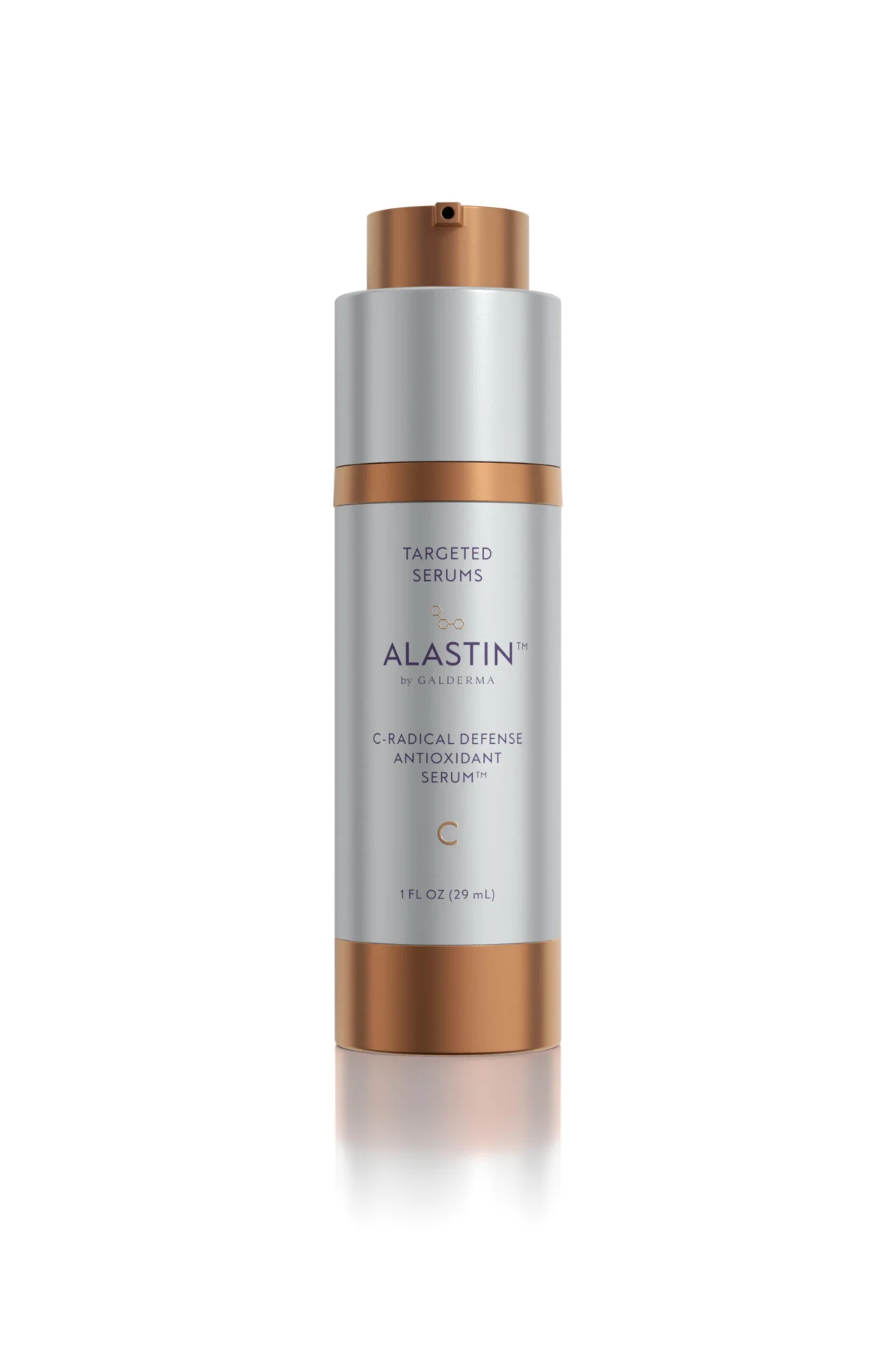
The expansion of the professional skincare market in the United Kingdom has reached a new milestone with the official introduction of C-Radical Defense Antioxidant Serum by ALASTIN Skincare, a subsidiary of the global dermatology leader Galderma. This launch represents a strategic pivot in the formulation of Vitamin C treatments, moving away from traditional aqueous solutions toward a more stable, encapsulated delivery system designed to enhance efficacy while minimizing the irritation often associated with high-potency antioxidant topicals. By leveraging a proprietary liposomal delivery mechanism for sodium ascorbate, the serum aims to address the persistent challenges of oxidative stress, environmental damage, and the natural degradation of skin elasticity.
The Evolution of Antioxidant Technology in Clinical Skincare
For decades, the gold standard in antioxidant skincare has been L-ascorbic acid. While highly effective at neutralizing free radicals, L-ascorbic acid is notoriously unstable, prone to oxidation when exposed to light or air, and requires a low pH environment that can cause significant irritation for patients with sensitive or compromised skin. ALASTIN’s C-Radical Defense Antioxidant Serum departs from this traditional path by utilizing sodium ascorbate. According to laboratory data released by the company, this specific form of Vitamin C is encapsulated within a liposomal system, which protects the active ingredient from premature degradation and ensures a more controlled release into the dermal layers.
The primary objective of this formulation is not merely to brighten the skin, but to protect the structural integrity of the extracellular matrix. Specifically, the serum is engineered to conserve elastin. While collagen provides the skin’s strength, elastin is responsible for its ability to "snap back" after stretching or contracting. Environmental aggressors—most notably ultraviolet (UV) radiation and particulate matter from pollution—trigger the release of enzymes that break down elastin fibers. By neutralizing the free radicals that stimulate these enzymes, C-Radical Defense serves as a preventative measure against skin laxity and premature aging.
Comprehensive Formulation: The 14-Antioxidant Complex
Beyond its primary Vitamin C component, the serum incorporates a sophisticated matrix of 14 distinct antioxidants. This multi-faceted approach is designed to provide broad-spectrum protection against a variety of environmental stressors, including Blue Light (HEV), infrared radiation, and ozone pollution. Key ingredients within this complex include:
- Lactoferrin: An iron-binding glycoprotein that helps mitigate the oxidative damage caused by free iron in the skin, which is often exacerbated by UV exposure.
- Ergothioneine: A naturally occurring amino acid and potent antioxidant that specifically targets mitochondrial DNA, protecting the "powerhouses" of skin cells from oxidative stress.
- Ectoin: An extremolyte that helps skin cells maintain water balance and protects against the inflammatory effects of environmental pollutants.
- Green Tea Extract (EGCG): A well-documented polyphenol that provides anti-inflammatory benefits and helps reduce the redness associated with photo-damage.
- Coenzyme Q10 (Ubiquinone): A vital component in cellular energy production that helps to energize the skin’s natural repair mechanisms.
This combination of ingredients reflects a growing trend in "cosmeceuticals"—products that bridge the gap between cosmetics and pharmaceuticals—where the focus is on synergistic formulations rather than a single "hero" ingredient.
Chronology of ALASTIN’s Integration into the UK Market
The launch of C-Radical Defense Antioxidant Serum is the latest chapter in a multi-year expansion strategy for ALASTIN Skincare. Founded in 2015, ALASTIN quickly gained a reputation in the United States for its focus on peri-procedure skincare, specifically products designed to be used before and after cosmetic treatments like laser resurfacing or chemical peels. The brand’s core TriHex Technology, designed to clear out damaged collagen and elastin, became a staple in dermatology and plastic surgery practices.
In late 2021, Galderma, the world’s largest independent dermatology company, announced its acquisition of ALASTIN Skincare. This move was intended to bolster Galderma’s "Integrated Dermatology" strategy, combining injectable treatments (such as Restylane and Dysport) with high-performance topical skincare. Following the acquisition, Galderma began a phased international rollout. The brand officially entered the UK market in early 2023, initially focusing on its core post-procedure range. The introduction of the C-Radical Defense Antioxidant Serum in late 2024 signifies the brand’s move into the daily-use maintenance category, targeting a broader consumer base of skincare enthusiasts and patients seeking long-term preventative care.
Clinical Data and Laboratory Insights
The development of C-Radical Defense was informed by rigorous laboratory testing. ALASTIN has cited data suggesting that the liposomal delivery of sodium ascorbate results in a significant reduction in the production of free radicals compared to untreated skin. Furthermore, the company’s research highlighted a specific preservation of elastin levels. In comparative studies, skin treated with the 14-antioxidant complex showed a marked resilience against the degradation of elastic fibers when exposed to simulated environmental stress.
These findings are particularly relevant in the context of urban living. Residents of major UK metropolitan areas are frequently exposed to levels of nitrogen dioxide and particulate matter that exceed recommended guidelines. Recent dermatological studies have linked these pollutants to an increase in pigmentary disorders and accelerated skin aging. By providing a "shield" against these factors, the C-Radical Defense serum addresses a growing public health concern regarding the impact of air quality on skin health.
Official Responses and Strategic Vision
The UK launch has been met with significant internal support from Galderma’s leadership. Rene Wipperich, General Manager for Galderma UK and Ireland, emphasized that the new serum is a reflection of the company’s dedication to science-backed innovation. Wipperich noted that the product responds directly to "evolving consumer expectations," where patients are increasingly looking for medical-grade efficacy without the harsh side effects of traditional formulations.
Industry analysts suggest that the launch is a strategic move to capture a larger share of the "pre-juvenation" market—a demographic of younger consumers who are investing in high-quality skincare to delay the need for more invasive cosmetic procedures. By positioning the serum as a tool for "long-term skin health" and "resilience," Galderma is aligning ALASTIN with the wellness-oriented mindset that currently dominates the beauty industry.
While official statements from independent UK dermatologists are expected to follow as the product reaches more clinics, the initial reception among practitioners who utilize Galderma’s portfolio has been positive. Many aesthetic clinicians have noted the benefit of having an antioxidant serum that can be safely integrated into a regimen involving retinoids or other active treatments, where the potential for irritation is usually a limiting factor.
Broader Impact on the Professional Skincare Landscape
The introduction of C-Radical Defense Antioxidant Serum into the UK market is likely to influence the competitive landscape of professional-grade skincare. For years, the market has been dominated by a few key players who rely heavily on L-ascorbic acid. ALASTIN’s use of sodium ascorbate and liposomal delivery challenges the industry to reconsider how Vitamin C is delivered to the skin.
Furthermore, this launch reinforces the importance of the UK as a hub for dermatological innovation. Despite economic fluctuations, the UK’s prestige skincare sector has shown remarkable resilience, with consumers continuing to prioritize products that offer visible, clinical results. As more pharmaceutical companies like Galderma expand their topical portfolios, the line between clinical treatment and daily skincare continues to blur.
From a regulatory and safety perspective, the serum adheres to the stringent standards required for distribution within the UK and the European market. The emphasis on non-irritating, stable formulations is expected to set a new benchmark for upcoming product launches in the antioxidant category.
Implications for Future Dermatological Care
Looking ahead, the success of the C-Radical Defense Antioxidant Serum may pave the way for further liposomal-based formulations within the ALASTIN range. The ability to deliver potent actives deep into the skin while maintaining the surface barrier is a critical frontier in dermatological research. As the industry moves toward more personalized and targeted treatments, the role of multi-antioxidant complexes will likely expand.
In conclusion, the launch of ALASTIN’s C-Radical Defense Antioxidant Serum represents more than just a new product on the shelf; it is an indicator of the shifting priorities in skincare science. By prioritizing stability, elastin preservation, and broad-spectrum environmental protection, Galderma is positioning ALASTIN as a leader in the next generation of preventative dermatology. For UK consumers and practitioners, this signifies access to advanced technology that aims to bridge the gap between immediate aesthetic improvement and the long-term preservation of skin health.
