
The European Union has committed a significant €5.7 million to Alganova, an ambitious four-year project aiming to establish a cutting-edge biorefinery. This initiative seeks to harness the power of microalgae, cultivated on waste streams and captured carbon dioxide, to produce sustainable proteins and valuable functional ingredients. This substantial investment underscores a growing recognition within the EU of algae’s pivotal role in securing the future of global food systems and fostering a more circular bioeconomy.
The funding for Alganova originates from the Circular Bio-based Europe Joint Undertaking (CBE JU), a substantial €2 billion partnership forged between the European Union and the Bio-Based Industries Consortium. The CBE JU is dedicated to propelling advancements in Europe’s circular bioeconomy by supporting innovative projects that transform renewable bio-based resources into high-value products, thereby reducing reliance on fossil fuels and minimizing waste.
A Collaborative Endeavor for a Sustainable Future
Spearheaded by Spain’s Idener Research & Development, the Alganova project is a testament to international collaboration, bringing together a consortium of 12 leading institutions from across Europe. This diverse group includes renowned organizations such as Fraunhofer IVV, Algemy Ingredients, Research Institutes of Sweden (RISE), the Nova University of Lisbon, Zero Emissions Engineering, and ITQB Nova, among others. Together, these partners will focus on developing and validating a sophisticated, computationally assisted, circular biorefinery. The core of this process involves cultivating microalgal biomass using agro-marine byproducts and industrial biogenic CO2 as primary feedstocks.
Addressing the Environmental Burden of Conventional Protein Production
The impetus behind Alganova is deeply rooted in the environmental and resource-intensive nature of conventional animal agriculture. Current data reveals that animal agriculture accounts for a staggering 81-86% of the EU’s food-related greenhouse gas emissions and occupies approximately 71% of its farmland. Despite this substantial footprint, it contributes only 32% of the bloc’s total calorie intake and 64% of its protein. This inefficiency is further highlighted by the fact that it takes roughly 6 kilograms of plant protein to produce just 1 kilogram of meat. This stark imbalance necessitates a paradigm shift towards more sustainable protein sources.
Alganova aims to directly counter these challenges by "upcycling" waste streams and emissions. Instead of treating agricultural and industrial byproducts, as well as captured CO2, as waste, the project views them as valuable nutrient-optimized feedstocks for microalgae cultivation. This approach not only contributes to the EU’s strategic protein transition but also significantly bolsters the principles of the circular economy by closing resource loops.
Leveraging Proven Microalgae Strains for Diverse Applications
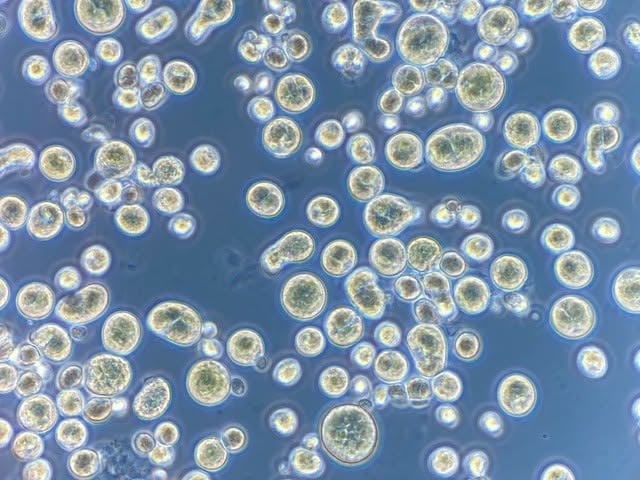
The project is specifically focusing on two widely commercialized and well-researched single-cell microalgae strains: Chlorella vulgaris and Dunaliella salina. These strains have already gained regulatory approval from the EU as safe for human consumption, providing a solid foundation for their integration into the food supply chain. Alganova’s biorefinery will be engineered to efficiently extract a range of valuable components from these microalgae, including high-quality protein extracts, essential polyunsaturated fatty acids (PUFAs), and beneficial carotenoids. The cultivation process will employ both autotrophic (using light and CO2) and heterotrophic (using organic carbon sources) methods to optimize biomass yield and composition.
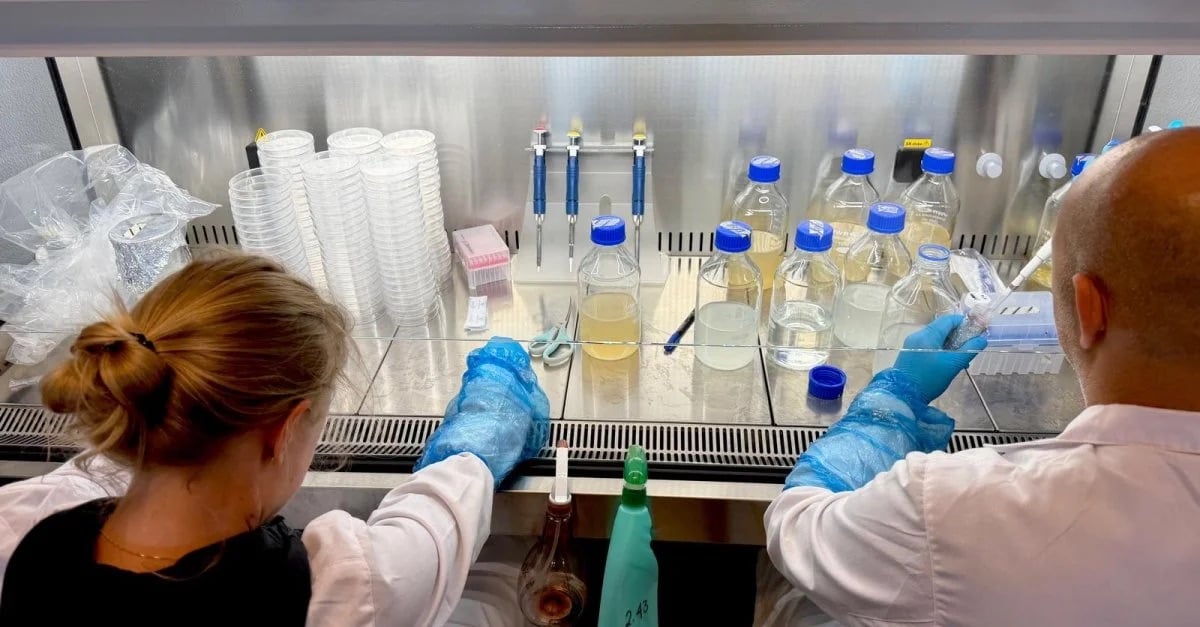
Francisco Nascimento, an auxiliary researcher at ITQB Nova, elaborated on the project’s scientific underpinnings: "We are going to study microalgae collected from Portuguese rivers, including Lima, Arado, and Zêzere, to evaluate their potential for producing biomass and other valuable products. We will also investigate how alternative growth substrates can increase biomass production and reduce production costs." This exploration of local microalgae strains and cost-effective growth media is crucial for the scalability and economic viability of the Alganova model.
A Digitalized and Optimized Biorefinery
A key innovation within the Alganova project is the development of a highly digitized and optimized biorefinery. The consortium will utilize advanced computational tools and digital twins of the bioreactors to design, refine, and enhance the bioprocesses. Digital twins, which are virtual replicas of physical assets, allow for real-time monitoring, simulation, and predictive control, enabling significant improvements in efficiency, yield, and resource utilization. The project aims to scale up the core bioprocesses to Technology Readiness Level (TRL) 7, a stage that signifies a near-complete, pre-commercial system ready for demonstration in an operational environment.
Beyond the technological advancements, the Alganova consortium is committed to a comprehensive validation process. This includes rigorous assessment of the safety, nutritional quality, and regulatory compliance of the derived algal ingredients. Furthermore, the project will involve the development of food product prototypes incorporating these novel ingredients and a thorough demonstration of the economic and climate benefits of the integrated biorefinery approach. To ensure maximum impact, Alganova will prioritize robust communication, dissemination of findings, and active engagement with stakeholders across the value chain.
Enhancing Food Security and Achieving Price Parity
The Alganova project has set forth several ambitious goals to be achieved by the conclusion of its four-year run. A primary objective is to reduce greenhouse gas emissions by at least 40% per kilogram of protein produced when compared to conventional animal protein systems. Concurrently, the project aims to lower production costs by 30-40%, targeting a price point of €3-4 per kilogram for algal proteins. This cost reduction is critical to making plant-based proteins, including those derived from microalgae, more competitive with traditional animal-derived proteins and even with existing plant-based alternatives.
Through the sophisticated application of digital twin optimization and predictive process control, Alganova anticipates a significant boost in biomass productivity, estimated at around 15%. Furthermore, the project aims to achieve substantial reductions in energy consumption for algae protein production, projected between 20-30%.
Far-Reaching Environmental and Economic Benefits
The environmental ambitions of Alganova extend beyond carbon emissions. The project seeks to drastically reduce freshwater usage, targeting a mere 300 liters per kilogram of protein produced – a figure considerably lower than that required for animal agriculture and even soy protein cultivation. A remarkable objective is the upcycling of up to 95% of byproducts from the marine and agriculture sectors, effectively transforming waste into valuable resources. The project also forecasts achieving an 80% saving in land use compared to conventional crop-based protein systems, freeing up valuable land for other ecological or agricultural purposes.
These objectives align directly with the EU’s strategic vision for greater food sovereignty, particularly in light of the bloc’s heavy reliance on imported protein ingredients. The EU currently imports approximately 70% of its oilseeds and protein crops, creating vulnerabilities in its food supply chain. By establishing robust domestic production of high-value ingredients from microalgae and waste streams, Alganova aims to significantly enhance Europe’s self-sufficiency. The project projects a gross profit exceeding €5 million over a 10-year operational period for each replicated facility, demonstrating strong economic potential.
Job Creation and Public Health Advancement
Beyond its direct environmental and economic contributions, Alganova is poised to foster significant socio-economic development. Each replicated facility is expected to support rural and bio-based industrial growth by creating up to 40 direct jobs and an additional 120 indirect roles. The project’s knowledge-sharing and dissemination efforts are designed to enable the adoption of its findings by approximately 1,800 researchers across 90 EU institutions by the end of the decade, fostering a broader scientific and industrial ecosystem.
From a consumer perspective, Alganova is targeting a 50% purchase intent and an 80% consumer trust score for its algae-based ingredients. This focus on consumer acceptance is crucial for the widespread adoption of novel food sources. The project emphasizes the significant public health benefits offered by microalgae-derived ingredients, highlighting an impressive 80% protein digestibility and superior profiles of essential amino acids and polyunsaturated fatty acids. These nutritional advantages have the potential to contribute to improved public health outcomes across the EU.
The Alganova project represents a significant step forward in the EU’s commitment to a sustainable and resilient food future. By integrating innovative biotechnological approaches with a circular economy framework, the initiative has the potential to transform protein production, reduce environmental impact, and enhance food security for generations to come.
