

Polycystic Ovary Syndrome (PCOS) remains one of the most prevalent endocrine disorders affecting individuals of reproductive age, impacting an estimated 8% to 13% of women worldwide according to the World Health Organization. While the condition is characterized by hormonal imbalances, irregular menstrual cycles, and metabolic challenges, its impact on pregnancy necessitates a specialized approach to nutritional supplementation. For women navigating the complexities of PCOS, the selection of a prenatal vitamin is not merely a routine health choice but a critical intervention designed to mitigate the risks associated with insulin resistance, chronic inflammation, and potential developmental complications for the fetus. Clinical research indicates that targeted micronutrient intake can significantly alter the trajectory of a PCOS-impacted pregnancy, ensuring that both the mother and the developing infant receive the metabolic support required for a healthy gestation.
The Clinical Necessity of Prenatal Supplementation in PCOS
Prenatal vitamins serve as a concentrated source of essential nutrients that are often difficult to obtain in sufficient quantities through diet alone, particularly when metabolic disorders are present. For the general population, these supplements are designed to prevent neural tube defects and support bone development. However, for those with PCOS, the requirements are often higher due to the body’s unique physiological demands. Women with PCOS frequently experience higher rates of oxidative stress and systemic inflammation, which can deplete nutrient stores more rapidly. Furthermore, the prevalence of insulin resistance in PCOS patients—estimated to affect up to 70% of those with the condition—can interfere with the absorption and utilization of certain vitamins, making high-quality supplementation a medical priority.
Beyond basic fetal development, prenatal vitamins in the context of PCOS are utilized to manage specific symptoms. They play a role in stabilizing blood sugar levels, reducing the risk of androgen-related complications, and preparing the uterine environment for implantation. Medical professionals emphasize that the objective of these vitamins is twofold: to provide the building blocks for the baby’s organs and to safeguard the mother against the heightened risks of gestational diabetes and pre-eclampsia.

Chronology of Nutritional Support: From Preconception to Postpartum
The timeline for starting a prenatal regimen is a critical factor in its efficacy. Leading reproductive endocrinologists and organizations, including the American College of Obstetricians and Gynecologists (ACOG), recommend that nutritional intervention begins at least three months prior to attempted conception. This "preconception window" is vital for women with PCOS because it allows for the improvement of egg quality and the stabilization of the hormonal environment before fertilization occurs.
- Preconception Phase (3–6 Months Before Conception): The focus is on improving oocyte (egg) quality and restoring regular ovulation. Nutrients like Coenzyme Q10 (CoQ10) and Inositol are often introduced here to address the specific metabolic hurdles of PCOS.
- The First Trimester: This period is defined by rapid cellular division. The introduction of high-dose folate is paramount during the first 12 weeks to ensure the closure of the neural tube.
- The Second and Third Trimesters: As the fetus grows, the demand for iron and calcium increases exponentially. For the PCOS patient, this is also the period where the risk of gestational diabetes peaks, requiring consistent monitoring of Vitamin D and Magnesium levels.
- The Postpartum Period: Supplementation often continues through breastfeeding to replenish the mother’s nutrient stores and support the infant’s ongoing brain development via breast milk.
Analysis of Five Essential Nutrients for PCOS Pregnancies
To effectively manage a pregnancy with PCOS, a prenatal vitamin must go beyond a standard multivitamin profile. Five core nutrients have been identified by the American Pregnancy Association and clinical researchers as non-negotiable for this demographic.

Folate and Folic Acid
Folate, a B-vitamin (B9), is the cornerstone of prenatal care. Its primary role is the development of the baby’s spinal cord and brain. For women with PCOS, there is an increasing clinical preference for "methylated folate" (5-MTHF) over synthetic folic acid. This is because a significant portion of the population carries a genetic variation (MTHFR) that prevents the efficient conversion of folic acid into its active form. Given that PCOS is already a metabolic challenge, ensuring the body can immediately use the folate provided is essential for preventing neural tube defects, cleft lips, and certain heart defects. The standard recommendation is a minimum of 400 micrograms (mcg) daily.
Iron
Iron deficiency anemia is a common complication in pregnancy, but for women with PCOS, iron plays an additional role in supporting the oxygenation of tissues already stressed by metabolic dysfunction. The recommended daily intake is 27 milligrams (mg). Iron is vital for the expansion of maternal blood volume and the development of the placenta. Because iron can sometimes exacerbate the gastrointestinal issues (such as constipation) often seen in PCOS, choosing a "gentle" or chelated form of iron in a prenatal vitamin is frequently recommended.
Calcium
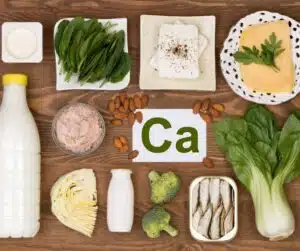
During pregnancy, the fetus will prioritize its own skeletal development by drawing calcium from the mother’s bones if dietary intake is insufficient. For women with PCOS, maintaining bone density is crucial, as hormonal imbalances can sometimes affect long-term bone health. A daily intake of 1,000 mg is the clinical standard. Calcium also plays a secondary role in muscle function and nerve transmission, which are essential as the body adapts to the physical strain of pregnancy.
Vitamin D
Vitamin D functions more like a hormone than a vitamin, and its impact on PCOS is profound. Research indicates that approximately 80% of women with PCOS are deficient in Vitamin D. This deficiency is linked to worsened insulin resistance and lower fertility rates. In the context of pregnancy, Vitamin D is essential for calcium absorption and has been shown to reduce the risk of spina bifida. Experts recommend 4,000 IU (International Units) for pregnant women with PCOS to maintain optimal metabolic function and support the fetal immune system.
Omega-3 Fatty Acids (DHA and EPA)
Omega-3s are critical for the baby’s cognitive and ocular development. However, for the mother with PCOS, the anti-inflammatory properties of Omega-3s are the primary benefit. Chronic inflammation is a hallmark of PCOS; by supplementing with at least 300 mg of DHA daily, women can help lower androgen levels and improve insulin sensitivity. While plant-based sources like flaxseed exist, fish-oil-derived Omega-3s are generally considered more bioavailable for the human body.
Market Analysis: Leading Formulations for PCOS
Several products have emerged as industry leaders due to their adherence to high manufacturing standards and their specific inclusion of nutrients vital for PCOS management.
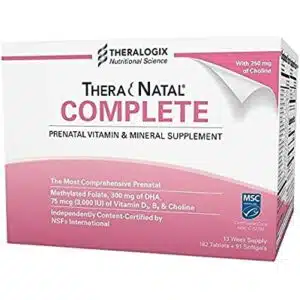
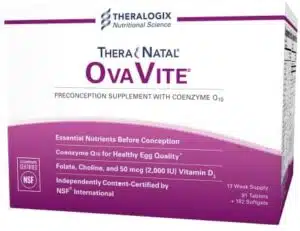
- TheraNatal Complete: Manufactured by Theralogix, this supplement is frequently cited by specialists because it includes methylated folate and a higher-than-average dose of Vitamin D. The company utilizes independent testing to ensure the absence of gluten and artificial dyes, which is beneficial for women with PCOS who may have sensitivities to additives.
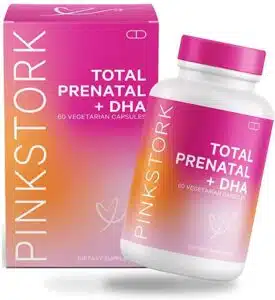
- Pink Stork Total Prenatal: This formulation is noted for its comprehensive B-complex profile and the inclusion of trace minerals like selenium and chromium. Chromium, in particular, is a trace mineral that has been studied for its ability to improve glucose metabolism, making it a strategic addition for those at risk of gestational diabetes.
- Nature Made Prenatal with Folic Acid + DHA: This represents a high-quality, accessible option. While it follows a more traditional nutrient profile, its USP (United States Pharmacopeia) verification ensures that the ingredients listed on the label are present in the correct potencies and will dissolve properly in the body.
Addressing Infertility and Egg Quality: The Role of Preconception Supplements
A major hurdle for many with PCOS is the initial act of conceiving. The hormonal imbalance often results in "poor egg quality," where the oocytes lack the mitochondrial energy required for successful fertilization and implantation. In these instances, a standard prenatal may be supplemented with preconception-specific nutrients.
Coenzyme Q10 (CoQ10) is a powerful antioxidant that supports mitochondrial function. Studies have shown that CoQ10 supplementation can improve the response of the ovaries to stimulation and increase the quality of the eggs produced. Furthermore, the use of Myo-inositol (often in a 40:1 ratio with D-chiro-inositol) has become a gold standard in PCOS care. Inositol acts as a second messenger in insulin signaling and has been shown to restore ovulation and improve the maturity of eggs in clinical trials.

Broader Implications: Risk Mitigation and Long-Term Health
The use of targeted prenatal vitamins in PCOS patients carries implications that extend beyond the birth of the child. Women with PCOS are statistically at a higher risk for gestational diabetes, pre-eclampsia, and preterm birth. By addressing nutritional deficiencies early, healthcare providers can potentially lower the incidence of these complications, thereby reducing the burden on the healthcare system and improving long-term health outcomes for the mother.
Gestational diabetes, for instance, is not only a pregnancy risk but also a predictor of Type 2 diabetes later in life. Supplements that improve insulin sensitivity during pregnancy may play a role in altering the mother’s long-term metabolic trajectory. Similarly, the prevention of pre-eclampsia through adequate Vitamin D and Calcium intake protects the mother from acute cardiovascular stress.
Conclusion and Recommendations for Patients
While prenatal vitamins are a powerful tool, medical professionals stress that they should be part of a holistic management plan. This includes a low-glycemic index diet to manage insulin, regular moderate exercise to maintain cardiovascular health, and frequent monitoring by an obstetrician or reproductive endocrinologist.
For women with PCOS, the journey to motherhood often requires more preparation and precision than it does for the general population. However, with the correct nutritional foundation—centered on high-dose Vitamin D, methylated folate, and anti-inflammatory Omega-3s—the risks associated with the condition can be significantly managed. As research continues to evolve, the integration of metabolic support into standard prenatal care remains the most effective strategy for ensuring a healthy pregnancy and a thriving infant in the face of Polycystic Ovary Syndrome.
