
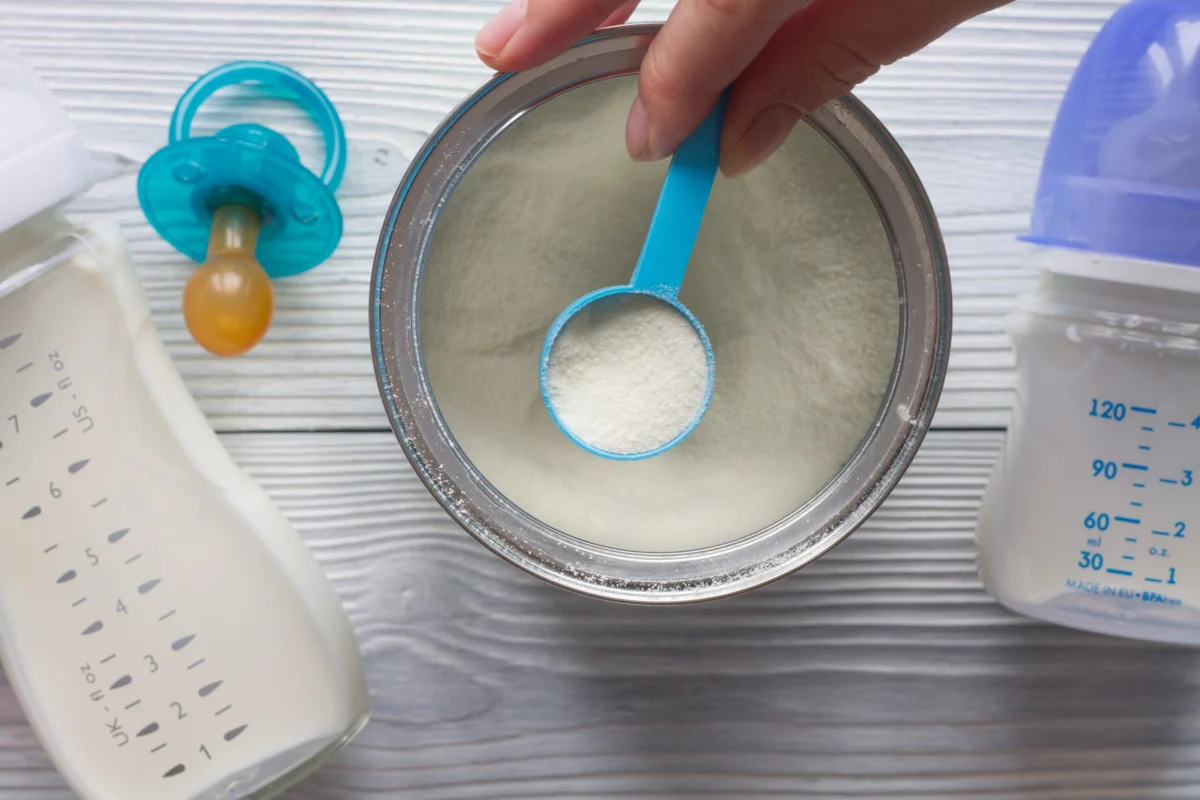
The United States has grappled with significant infant formula shortages in recent years, a crisis primarily exacerbated by pandemic-related disruptions to global supply chains. This alarming situation underscores the critical reliance of many families on commercially prepared infant formula, particularly when human milk is not accessible or available in sufficient quantities. While breastfeeding is widely encouraged by health organizations, it is not universally feasible for all mothers. Factors such as the need to return to work early, limited access to lactation support systems, or specific infant health needs can present significant barriers. Furthermore, some infants have medical conditions, including allergies, metabolic or gastrointestinal disorders, or disabilities that necessitate specialized infant formulas or preclude breastfeeding altogether. The widespread unavailability of these essential products has left countless families in distress, struggling to find safe and adequate nutrition for their youngest and most vulnerable members.
The Genesis of the Crisis: A Confluence of Factors
The infant formula shortage did not emerge overnight but rather developed as a consequence of several interconnected issues. The COVID-19 pandemic served as a significant catalyst, triggering unprecedented disruptions across global manufacturing and logistics networks. Factories faced labor shortages, raw material procurement became challenging, and transportation bottlenecks led to delays and increased costs. These widespread supply chain vulnerabilities, affecting numerous industries, hit the highly concentrated infant formula market particularly hard.
The infant formula industry in the United States is characterized by a limited number of major manufacturers. This oligopolistic structure, while often leading to efficiencies, can also create a more fragile system where a disruption at a single facility can have a disproportionately large impact on national availability. In February 2022, this fragility was starkly revealed when Abbott Nutrition, one of the largest formula producers, initiated a voluntary recall of certain powdered infant formulas and temporarily shut down its Sturgis, Michigan, manufacturing facility due to concerns over potential bacterial contamination, specifically Cronobacter sakazakii. This facility was a critical supplier of specialized formulas for infants with complex medical needs, including metabolic disorders and severe allergies. The shutdown, coupled with existing pandemic-related strains on the supply chain, rapidly transformed a manageable issue into a national crisis.
A Chronology of Escalation
The timeline of the infant formula crisis paints a stark picture of escalating concern and a delayed, yet ultimately urgent, response:
- Late 2021 – Early 2022: Initial signs of strain emerge in the infant formula supply chain, with reports of spot shortages in certain regions. These are largely attributed to ongoing pandemic-related logistical challenges and increased consumer demand.
- February 17, 2022: Abbott Nutrition announces a voluntary recall of specific powdered infant formulas (Similac, Alimentum, and EleCare) manufactured at its Sturgis, Michigan, facility. The company states that the recall is a precautionary measure after the U.S. Food and Drug Administration (FDA) initiated an investigation into infant illnesses and deaths linked to Cronobacter sakazakii found at the plant. The facility is subsequently shut down for further investigation and remediation.
- March 2022: The impact of the Sturgis facility shutdown becomes acutely apparent. Widespread shortages begin to be reported across the country, with empty shelves becoming a common sight in many stores. The crisis garners significant media attention.
- April – May 2022: Families, particularly those reliant on specialized formulas, face mounting desperation. Reports emerge of parents traveling long distances, resorting to social media groups to trade formula, and even considering unsafe homemade alternatives. The FDA faces increasing pressure to expedite the reopening of the Sturgis facility and to explore other avenues for increasing supply.
- May 11, 2022: President Joe Biden signs the Access to Formula Act, a bipartisan bill aimed at providing emergency funding to the Special Supplemental Nutrition Program for Women, Infants, and Children (WIC) to help families purchase formula during the shortage.
- May 18, 2022: President Biden invokes the Defense Production Act (DPA) to prioritize the production and delivery of infant formula ingredients and finished products. This executive action aims to streamline the manufacturing process and ensure critical components reach formula producers.
- May 2022: The FDA announces "Operation Fly Formula," a government initiative to expedite the importation of infant formula from foreign countries that meet U.S. safety standards. The first shipments begin to arrive in the U.S. later in the month.
- June 2022: The Sturgis, Michigan, facility begins to resume production after reaching an agreement with the FDA to resolve safety concerns. However, the process of ramping up production and replenishing national stocks is slow.
- July – August 2022: While shortages begin to ease in many areas, the supply chain remains fragile, and some specialized formulas continue to be difficult to find. The long-term implications of the crisis and the need for systemic changes become a major focus.
The Human Toll: Stories of Desperation and Resilience
The statistics and supply chain disruptions, while critical, often fail to capture the profound human impact of the infant formula shortage. Parents, already navigating the immense challenges of raising young children, were thrust into a crisis that threatened their infants’ basic nutritional needs. Social media platforms became crucial hubs for desperate parents, sharing information about where formula might be available, organizing formula swaps, and offering emotional support.
Stories circulated of mothers who had to switch their infants from specialized formulas to less suitable alternatives, risking adverse reactions. Others resorted to rationing formula, diluting it to make it last longer, a practice strongly discouraged by pediatricians due to the risk of malnutrition. The emotional toll was immense, with parents reporting feelings of fear, anxiety, and helplessness as they struggled to provide for their children.
Supporting Data and Expert Analysis
The extent of the shortage can be illustrated by data from market research firms and public health agencies. Prior to the crisis, infant formula availability was generally robust. However, as the shortage intensified, out-of-stock rates for infant formula surged dramatically. Data from Information Resources Inc. (IRI), a market research firm, indicated that out-of-stock levels for infant formula in the U.S. reached over 40% in early June 2022, a significant increase from pre-crisis levels.
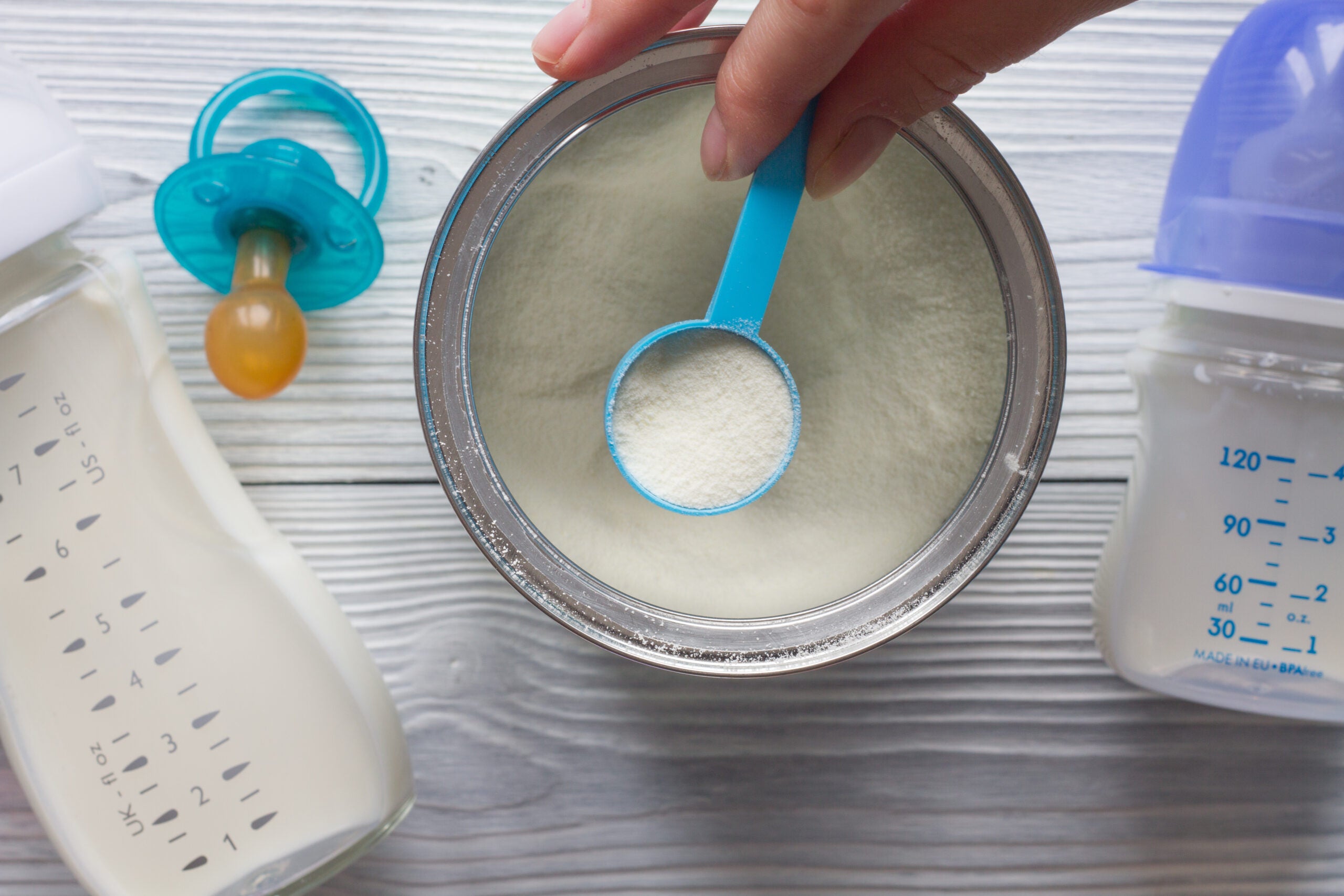
Expert analyses from organizations like the American Academy of Pediatrics (AAP) and the Harvard T.H. Chan School of Public Health highlighted several critical vulnerabilities within the U.S. infant formula system:
- Market Concentration: The reliance on a small number of manufacturers makes the supply chain inherently susceptible to disruptions.
- Regulatory Hurdles: The stringent FDA approval process for new infant formula products, while crucial for safety, can create barriers to entry for new manufacturers and slow down the introduction of new product lines to address shortages.
- International Dependencies: While the U.S. is a major producer, the global nature of the food supply chain means that international events can impact domestic availability.
- Lack of Robust Stockpiling: Unlike some other essential goods, there was no significant national stockpile of infant formula to draw upon during such a crisis.
Official Responses and Policy Interventions
In response to the escalating crisis, federal and state governments implemented a series of measures. President Biden’s administration took several key actions:
- Defense Production Act (DPA): This act empowered the government to prioritize the allocation of resources and components needed for infant formula production, encouraging manufacturers to ramp up output and ensuring timely delivery of essential ingredients.
- Operation Fly Formula: This initiative involved direct government coordination to import infant formula from countries with high safety standards, including the European Union and Australia. This provided much-needed relief by diversifying the sources of available formula.
- FDA Modernization Efforts: The FDA worked to streamline its review processes and inspections, facilitating the return of the Sturgis facility to operational status and expediting the approval of imported formulas. They also issued guidance to manufacturers on meeting U.S. standards.
- WIC Program Flexibility: The WIC program, which provides nutrition assistance to low-income families, was granted flexibility to allow participants to purchase a wider range of formula brands and sizes, and to purchase formula from a broader range of retailers.
Beyond federal actions, state governments also played a role by issuing consumer alerts, working with local retailers to manage inventory, and in some cases, establishing hotlines to connect families with available formula.
Broader Impact and Long-Term Implications
The infant formula shortage has exposed critical weaknesses in the U.S. food system and has far-reaching implications for public health, economic stability, and national preparedness.
Public Health Concerns:
The immediate concern was ensuring infants received adequate nutrition. The shortage risked increasing rates of malnutrition, rickets (due to insufficient vitamin D), and other health issues. For infants with specialized dietary needs, the lack of appropriate formula could lead to severe health complications. The crisis also highlighted the challenges faced by families who cannot breastfeed, underscoring the importance of a reliable and accessible supply of safe infant formula as a vital public health resource.
Economic Ramifications:
The crisis had ripple effects on the economy. It strained the finances of families who had to purchase formula at inflated prices or travel extensively to find it. It also put pressure on retailers and distributors to manage dwindling inventory and increased logistical costs. The reliance on imported formula, while necessary, also had implications for international trade balances and domestic manufacturing incentives.
Systemic Vulnerabilities and Future Directions:
The infant formula crisis has served as a wake-up call, prompting calls for systemic changes to prevent future occurrences. As highlighted in an article from the American Journal of Clinical Nutrition, several key action steps are crucial:
- Diversifying the Manufacturing Base: Reducing market concentration by encouraging new entrants and supporting smaller manufacturers could create a more resilient supply chain. This might involve regulatory adjustments or incentives.
- Strengthening Domestic Production Capacity: Investing in and modernizing U.S.-based manufacturing facilities can reduce reliance on international supply chains, which are often more susceptible to global disruptions.
- Improving Supply Chain Transparency and Resilience: Implementing better tracking and monitoring systems for infant formula production and distribution can help identify potential shortages earlier. Building redundancy into the supply chain, including strategic reserves, could also mitigate impacts.
- Revisiting Regulatory Frameworks: While safety is paramount, a review of FDA regulations may be warranted to ensure they facilitate innovation and rapid response to shortages without compromising safety standards. This could include faster pathways for approving new manufacturing facilities or product formulations.
- Enhancing International Cooperation: Strengthening partnerships with international allies for formula supply and developing clear protocols for emergency importation can be crucial during national crises.
- Public Health Preparedness: Integrating infant formula availability into national emergency preparedness plans, similar to other essential medical supplies, is vital.
The infant formula crisis, while a deeply unsettling experience for millions of families, has also provided a critical opportunity to re-evaluate and strengthen a vital component of public health infrastructure. Addressing the complex interplay of manufacturing, regulation, and supply chain management is essential to ensure that no family in the United States faces such a dire situation again. The lessons learned from this period must translate into concrete, long-term policy changes that prioritize the nutritional well-being of the nation’s youngest citizens.
