
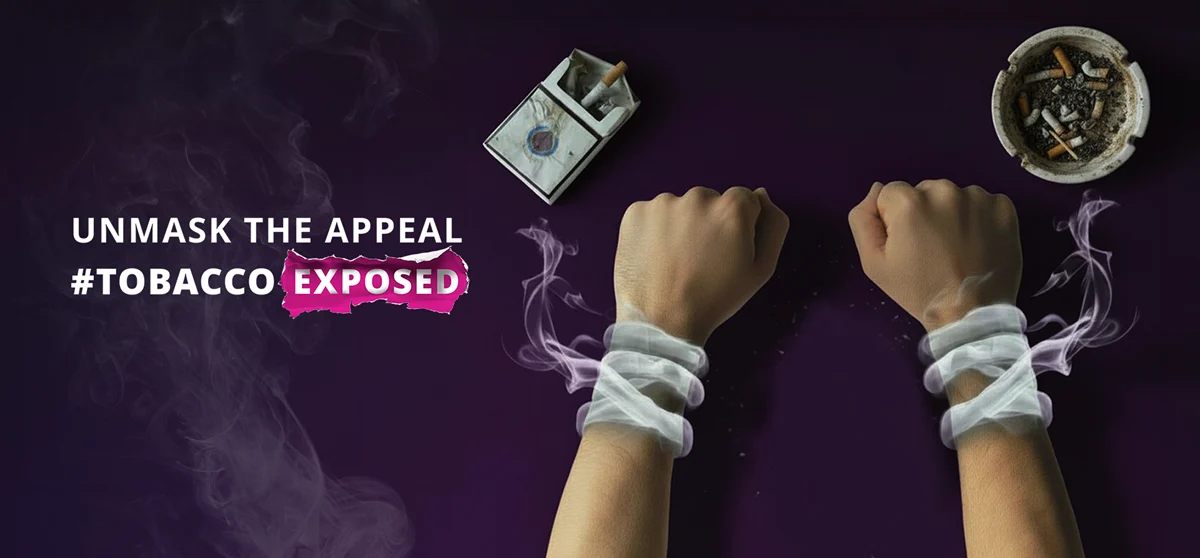
The World Health Organization has issued a stark warning to the international community regarding a burgeoning health crisis, revealing that at least 40 million children aged 13 to 15 are currently using tobacco products globally. In a comprehensive report released ahead of World No Tobacco Day on May 31, the global health body highlighted a disturbing trend: the rapid proliferation of e-cigarettes and nicotine pouches specifically designed to hook a new generation of users. The WHO is calling upon governments to implement immediate and stringent regulatory measures to counter the tobacco industry’s increasingly sophisticated tactics, which threaten to undo decades of progress in public health and tobacco control.
The urgency of this appeal stems from a calculated shift in the tobacco industry’s business model. As traditional cigarette smoking rates decline in several regions due to heightened awareness and regulation, major corporations are pivoting toward alternative nicotine delivery systems. These products, which include flavored vapes and smokeless nicotine pouches, are frequently marketed as "cleaner" or "safer" alternatives, yet health experts warn they are engineered to be highly addictive and are often the primary entry point for youth into lifelong nicotine dependence.
The Engineering of Addiction: Targeting the Next Generation
The WHO report underscores that the tobacco and nicotine industries are not merely selling products but are "deliberately engineering" them to maximize appeal among adolescents. By manipulating chemical compositions to reduce the harshness of nicotine and introducing thousands of enticing flavors—ranging from "cotton candy" and "gummy bear" to exotic fruits—manufacturers have successfully lowered the barrier to entry for non-smokers.
Dr. Etienne Krug, Director of the Department of Health Determinants, Promotion, and Prevention at the WHO, emphasized the predatory nature of these strategies. He noted that even as tobacco continues to claim millions of lives annually, companies are aggressively pushing flavored e-cigarettes and nicotine pouches. These products are designed to be easier to use, harder to quit, and socially acceptable through sleek, high-tech designs that resemble USB drives or cosmetic items.
Nicotine is a potent neurotoxin, and its effects are particularly devastating for the developing brain. Medical research indicates that the human brain continues to develop until the mid-20s. Exposure to nicotine during this critical period can permanently alter the formation of neural pathways, affecting attention, learning, mood, and impulse control. Furthermore, high concentrations of nicotine found in many modern e-cigarettes and pouches can lead to acute toxicity and increase the risk of future addiction to other substances.
The Rapid Rise of Nicotine Pouches and Regulatory Gaps
A significant portion of the WHO’s recent alarm centers on nicotine pouches, which have become one of the fastest-growing segments of the global nicotine market. Unlike traditional chewing tobacco or snus, these pouches are often tobacco-free but contain high levels of extracted nicotine. They are placed between the lip and gum, making them discreet and easy to use in environments where smoking or vaping is prohibited, such as schools or offices.
The WHO’s investigation into nicotine pouch brands found a glaring lack of international oversight. Approximately 160 countries currently have no specific regulations governing the sale, marketing, or composition of nicotine pouches. This regulatory vacuum has allowed the industry to utilize aggressive promotion tactics, including the use of social media influencers and lifestyle branding that equates nicotine use with coolness, success, and adventure.
Bright, candy-like packaging and the absence of graphic health warnings—which are mandatory for cigarettes in many jurisdictions—further contribute to the perception that these products are harmless. The WHO warns that this "regulatory "wild west" is leaving millions of young people unprotected and vulnerable to the same deceptive tactics that the tobacco industry used in the mid-20th century to popularize cigarettes.
A Chronology of Global Tobacco Control and Current Milestones
The current push for regulation is part of a long-standing global effort to curb tobacco use, which remains the leading cause of preventable death worldwide. The trajectory of this movement provides context for the current urgency:
- 2003: The adoption of the WHO Framework Convention on Tobacco Control (WHO FCTC), the first international treaty negotiated under the auspices of the WHO.
- 2021: The launch of the WHO "Commit to Quit" campaign, which provided toolkits and digital resources to help over 100 million people attempt to stop using tobacco.
- May 15, 2026: The WHO issued a specific warning regarding the surge in nicotine pouch sales and the industry’s focus on youth-centric social media marketing.
- May 19, 2026: Recognition of global leaders through the World No Tobacco Day Awards, honoring those who have implemented bold policies to counter industry tactics.
- May 31, 2026: World No Tobacco Day, serving as the focal point for a global call to action for users to quit and for governments to strengthen protections.
This timeline illustrates a shift in focus from traditional combustible tobacco to the "new frontier" of electronic and smokeless nicotine delivery systems. The 2026 theme emphasizes the protection of children from industry interference, reflecting the reality that the battle for public health has moved into the digital and chemical engineering space.
Supporting Data: The Human and Economic Toll
The statistics surrounding tobacco use remain staggering. Tobacco use kills more than 7 million people every year through direct use, with an additional 1.2 million deaths attributed to non-smokers being exposed to second-hand smoke. It is a primary driver of non-communicable diseases (NCDs), including:
- Cardiovascular Disease: Tobacco use is a leading cause of heart attacks and strokes.
- Respiratory Illness: Chronic obstructive pulmonary disease (COPD) and asthma are exacerbated by nicotine and tobacco products.
- Cancer: Tobacco is linked to more than 20 different types or subtypes of cancer, including lung, throat, and bladder cancer.
Beyond the human suffering, the economic burden is immense. Global healthcare costs related to tobacco-induced illnesses are estimated in the trillions of dollars, compounded by the loss of productivity due to premature death and disability. For developing nations, the impact is even more severe, as the industry often targets these markets with fewer regulations and lower public awareness.
Official Responses and Models of Success: The Rio de Janeiro Example
In the face of these challenges, some jurisdictions are emerging as beacons of effective policy. The WHO highlighted the city of Rio de Janeiro, Brazil, as a premier example of how local government action can effectively counter the nicotine epidemic.
Rio de Janeiro has implemented a multi-pronged strategy that includes:
- Intensified Enforcement: Hundreds of coordinated inspections were conducted across the city to ensure retailers complied with bans on e-cigarette sales and advertising.
- Modernized Legislation: The city updated its smoke-free laws to explicitly include all tobacco and nicotine products, ensuring that public spaces remain truly vape-free.
- Public Awareness: Large-scale campaigns were launched to educate the public—particularly parents and educators—about the hidden dangers of "discreet" nicotine products.
This localized approach demonstrates that while international treaties like the FCTC provide a framework, the "boots on the ground" enforcement by municipal and national authorities is what ultimately restricts industry access to youth.
Broader Impact and Implications for Global Health Policy
The WHO’s stance signals a paradigm shift in how nicotine is perceived. By grouping e-cigarettes and pouches with traditional tobacco, the organization is challenging the industry’s "harm reduction" narrative. While some proponents argue that e-cigarettes can help adult smokers transition away from combustible tobacco, the WHO argues that the mass marketing of these products to non-smoking youth creates a net negative for public health.
The implications for future policy are clear. The WHO urges governments to adopt a comprehensive "ban and brand" strategy:
- Banning Flavors: Removing the "candy" appeal that serves as the primary hook for children.
- Total Advertising Bans: Closing loopholes that allow companies to use influencers and social media to bypass traditional media restrictions.
- Standardized Packaging: Implementing plain packaging for all nicotine products to reduce brand appeal.
- Indoor Bans: Ensuring that the normalization of nicotine use is not reinforced by allowing vaping or pouch use in public indoor spaces.
As May 31 approaches, the WHO is encouraging the world’s one billion nicotine users to use the date as a catalyst for quitting. The organization provides a "Quitting Toolkit" designed to support individuals through the physiological and psychological challenges of withdrawal.
The long-term goal is to foster a "tobacco-free generation." However, as the WHO’s latest report makes clear, the tobacco industry is a resilient and well-funded adversary. The transition from smoke to vapor and pouches is not a retreat by the industry, but a tactical evolution. Without robust, synchronized international regulation and a commitment to protecting adolescent brain health, the world risks replacing one addiction crisis with another, potentially more insidious, electronic equivalent.
