
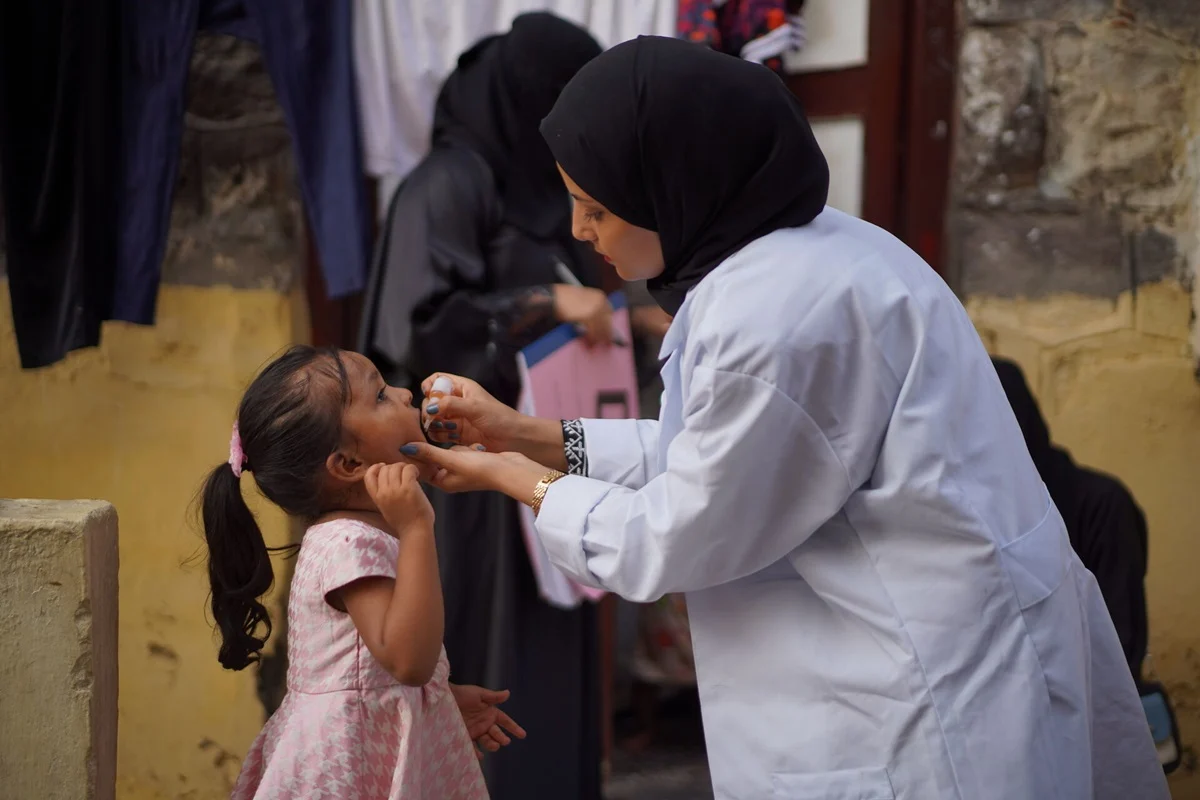
The Big Catch-Up (BCU), a historic multi-year and multi-country initiative designed to reverse the unprecedented decline in childhood vaccinations caused by the COVID-19 pandemic, has successfully reached an estimated 18.3 million children aged one to five years across 36 priority nations. In an announcement timed to coincide with the commencement of World Immunization Week 2026, Gavi, the Vaccine Alliance, the World Health Organization (WHO), and UNICEF confirmed that more than 100 million doses of life-saving vaccines were administered during the implementation period. This massive mobilization has significantly narrowed critical immunity gaps that had left millions of children vulnerable to preventable and potentially fatal diseases.
Of the 18.3 million children reached between 2023 and 2025, approximately 12.3 million were classified as "zero-dose children"—individuals who had never received a single dose of any vaccine. Furthermore, 15 million children who had previously missed their measles vaccinations were immunized, and 23 million doses of inactivated polio vaccine (IPV) were distributed to un- and under-vaccinated children. The latter is considered a cornerstone of the global effort to achieve the total eradication of polio. Although the formal implementation of the program concluded on March 31, 2026, and final data verification is ongoing, early forecasts indicate the initiative is on track to meet or exceed its ultimate target of reaching at least 21 million un- and under-immunized children.
While the success of the BCU represents a major milestone in global health recovery, the participating agencies have issued a stern warning. They emphasize that while catch-up campaigns are vital for closing immediate gaps, they are resource-intensive "gap-filling" measures. The most effective and sustainable method for protecting children and preventing large-scale outbreaks remains the continuous expansion and strengthening of routine immunization programs.
The Historical Context: Recovering from the Pandemic Backslide
To understand the scale of the Big Catch-Up, it is necessary to examine the depth of the crisis it was designed to solve. Between 2020 and 2022, the COVID-19 pandemic triggered the largest sustained decline in childhood vaccinations in approximately 30 years. Lockdowns, diverted healthcare resources, supply chain disruptions, and the physical closure of clinics meant that millions of children missed their scheduled shots.
By the end of 2021, the number of zero-dose children worldwide had increased by nearly 40% compared to 2019 levels. This "backslide" threatened to undo decades of progress in reducing child mortality. In response, Gavi, WHO, and UNICEF launched the Big Catch-Up in April 2023. The initiative was unique in its focus; while traditional immunization programs target infants under the age of one, the BCU systematically expanded its scope to include children up to age five. This recognized that children who missed their vaccinations during the height of the pandemic had "aged out" of standard infant programs but remained biologically vulnerable to disease.
A Chronology of the Big Catch-Up Initiative
The timeline of the BCU reflects a rapid transition from emergency response to systemic strengthening:
- April 2023 – Launch: The initiative was officially unveiled during World Immunization Week 2023, identifying 36 high-priority countries in Africa and Asia that accounted for 60% of the world’s zero-dose children.
- Late 2023 – Resource Mobilization: Gavi provided dedicated funding and technical assistance, while WHO and UNICEF deployed experts to assist national governments in micro-planning and supply chain logistics.
- 2024 – Peak Implementation: Mass vaccination campaigns were integrated with routine health services. Countries began updating age-eligibility policies to ensure children older than one could still receive vaccines for free.
- 2025 – Sustained Outreach: Efforts shifted toward reaching the "last mile"—remote, conflict-affected, and underserved urban communities where vaccine equity gaps are most pronounced.
- March 31, 2026 – Program Conclusion: Implementation of the BCU-funded activities officially ended, transitioning toward the long-term Gavi 6.0 strategy.
- April 2026 – Data Reporting: The preliminary results of 18.3 million children reached were announced, marking the start of a new phase of routine immunization focus.
Regional Success Stories and Data Analysis
The impact of the BCU was most visible in countries that faced the highest burdens of unimmunized children. Twelve countries—Burkina Faso, the Democratic People’s Republic of Korea, Ethiopia, Kenya, Madagascar, Mauritania, Niger, Pakistan, Somalia, Togo, the United Republic of Tanzania, and Zambia—reported reaching more than 60% of their zero-dose children under the age of five who had missed the first dose of the diphtheria-tetanus-pertussis (DTP1) vaccine.
In Ethiopia, the results were particularly striking. The country reached more than 2.5 million previously zero-dose children with DTP1. Additionally, the Ethiopian health system delivered nearly 5 million doses of IPV and over 4 million doses of the measles vaccine. These efforts were supported by intensive community engagement and the training of thousands of frontline health workers.
Nigeria also demonstrated significant progress. Despite complex security challenges in several regions, Nigeria reached 2 million zero-dose children with DTP1 and administered 3.4 million doses of IPV. These large-scale successes in high-population countries have been instrumental in stabilizing regional health security.
Strengthening Health Systems for the Future
The Big Catch-Up was not merely about administering shots; it was designed to leave behind more resilient health systems. One of the initiative’s primary achievements was the "catalyzation" of long-lasting infrastructure. This included:
- Policy Reform: Many countries updated their national immunization schedules to permanently allow for the vaccination of children beyond their first birthday, removing a significant legal and administrative barrier.
- Worker Training: Health workers were trained specifically in "catch-up" protocols—screening older children for missing doses during routine clinic visits for other ailments.
- Civil Society Engagement: By partnering with local leaders and community organizations, the BCU helped rebuild trust in vaccines in areas where pandemic-related misinformation had taken root.
- Technological Integration: The use of improved data monitoring systems allowed health officials to identify "hotspots" of unvaccinated children with greater precision than before the pandemic.
Leadership Perspectives on the Milestone
Global health leaders have hailed the BCU as a testament to international cooperation. Dr. Sania Nishtar, CEO of Gavi, the Vaccine Alliance, remarked on the collective effort: "As the largest ever international effort to reach missed children with life-saving vaccines, the Big Catch-Up shows what is possible when governments, partners, and communities work together to protect the most vulnerable in society. Thanks to this accomplishment, not only are millions of children now protected from preventable diseases but so are their communities, for generations to come."
Dr. Tedros Adhanom Ghebreyesus, Director-General of the WHO, highlighted the recovery aspect of the program. "By protecting children who missed out on vaccinations because of disruptions to health services caused by COVID-19, the Big Catch-Up has helped to undo one of the pandemic’s major negative consequences," he stated. He added that national immunization programs are now better equipped to find and vaccinate children who fall through the cracks of routine services.
UNICEF Executive Director Catherine Russell emphasized the necessity of political will. "Vaccinations save lives," she said. "This initiative shows what’s possible when countries have the resources, tools, and political will to reach children with lifesaving vaccines. We’ve caught up with some of the children who missed routine vaccinations during the pandemic—but many more remain out of reach."
Addressing the Persistent Threat of Measles and New Challenges
Despite the successes of the BCU, the global health community faces a daunting reality. In 2024, an estimated 14.3 million infants under the age of one failed to receive a single vaccine through routine programs. This "annual cohort" of zero-dose children continues to grow, driven by factors such as climate-induced displacement, ongoing conflict, and strained domestic health budgets.
The consequences of these gaps are most visible in the resurgence of measles. As a highly contagious viral disease, measles often serves as an early warning sign of holes in the immunization net. In 2024, there were approximately 11 million cases of measles globally. The number of countries experiencing large-scale outbreaks has nearly tripled since 2021. This surge is attributed to a combination of persistent vaccination gaps and a decline in vaccine confidence in certain regions.
The BCU has shown that targeted investments can yield massive results, but experts argue that the global community cannot rely on periodic "catch-up" campaigns to maintain health security. The focus must now shift toward the Immunization Agenda 2030 (IA2030) and Gavi’s 2026–2030 strategy (Gavi 6.0), which prioritize reaching zero-dose children as part of a permanent, sustainable routine health system.
Implications and the Path to 2030
The conclusion of the Big Catch-Up’s implementation phase marks a pivot point for global health policy. The data gathered during the last three years provides a roadmap for where the hardest-to-reach populations live and what barriers prevent them from accessing care.
As World Immunization Week 2026 continues under the theme "For every generation, vaccines work," the call to action for the international community is clear: sustained domestic investment is required. While international donors like Gavi provide the initial spark, the long-term success of these programs depends on national governments integrating immunization into their primary healthcare budgets.
The success of the Big Catch-Up has proven that the "pandemic backslide" is not an irreversible trend. However, with millions of infants still missing out every year, the work of closing the vaccine equity gap is far from finished. The transition from the BCU to Gavi 6.0 will require a renewed commitment to reaching children in conflict zones and fragile states, ensuring that the progress made between 2023 and 2026 becomes the foundation for a future where no child dies from a preventable disease.
About the Partners
Gavi, the Vaccine Alliance is a public-private partnership that has helped immunize more than 1.2 billion children since its inception in 2000. By bringing together governments, the WHO, UNICEF, and the private sector, Gavi has helped halve child mortality in 78 lower-income countries.
UNICEF works in over 190 countries and territories to protect the rights of every child. As one of the world’s largest buyers of vaccines, UNICEF plays a critical role in the procurement and delivery of immunization services to the most disadvantaged communities.
The World Health Organization (WHO) is the United Nations agency for health, leading global efforts to expand access to medicines and health care. The WHO provides the technical norms and standards that guide national immunization strategies worldwide.
