
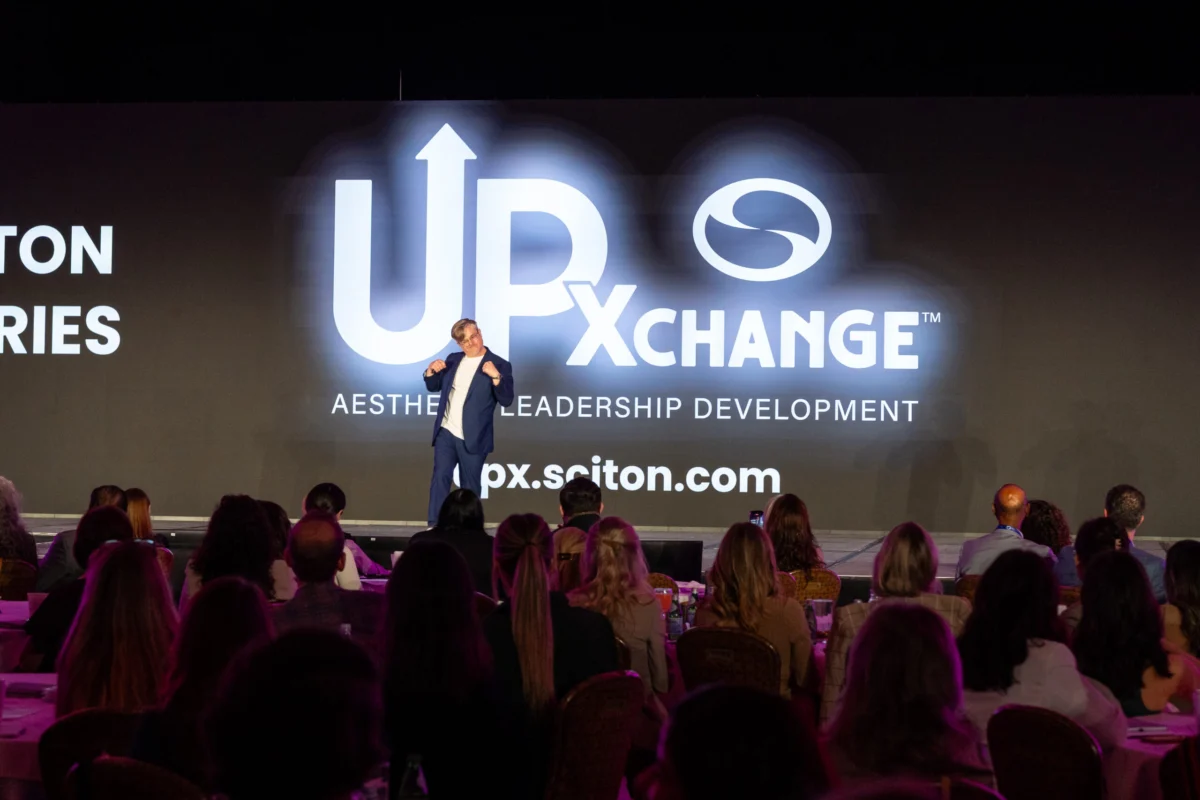
Sciton, a leading manufacturer of medical and aesthetic laser and light-source technologies, recently concluded its high-profile leadership development initiative, the UP Xchange, marking a significant milestone in the professionalization of the aesthetic medicine sector. The event, which drew more than 300 delegates from across the globe, served as a strategic platform for clinical education, business management, and peer-to-peer networking. Held with the participation of 10 prominent key opinion leaders (KOLs) and Sciton’s senior leadership teams from both the United States and the Europe, Middle East, and Africa (EMEA) regions, the summit addressed the evolving needs of modern aesthetic practices. By bridging the gap between advanced clinical application and sustainable business growth, the UP Xchange sought to empower clinic owners and practitioners with the tools necessary to navigate an increasingly competitive global market.
The agenda for the UP Xchange was meticulously structured to provide a multi-specialty perspective on aesthetic medicine. Unlike traditional clinical seminars that focus solely on procedural techniques, this program integrated live laser and injectable demonstrations with intensive breakout sessions focused on leadership and operational excellence. This dual approach reflects a growing trend in the industry where clinical proficiency must be matched by robust business strategies to ensure patient safety and practice longevity. Among the featured speakers were Miss Jenny Doyle, a consultant oculoplastic surgeon; Dr. Zoya Awan, a respected aesthetic practitioner; and Rick O’Neill, a digital consultant specializing in the healthcare and aesthetic sectors. Their contributions highlighted the intersection of surgical precision, dermatological health, and digital patient engagement.
The Evolution of Sciton’s Educational Ecosystem
Sciton’s commitment to practitioner education is rooted in its corporate philosophy of "building a company that lasts." Founded in 1997 by Jim Hobart and Dan Negus, the Palo Alto-based company has long prioritized the longevity of its devices through modular designs and upgradeable platforms. The UP Xchange represents the latest iteration of this philosophy, moving beyond equipment sales to focus on the "Success Partner" model. In this model, the manufacturer assumes a role in the ongoing success of the clinic, providing not just the hardware, but the intellectual capital required to utilize it effectively.
The EMEA region has become a focal point for Sciton’s international expansion. As the demand for non-invasive aesthetic procedures grows across Europe and the Middle East, the need for standardized training and leadership development has become paramount. The UP Xchange was designed to meet this demand by creating a forum where practitioners from diverse regulatory environments could share insights. The presence of the US leadership team underscored the global nature of the brand, allowing for a cross-pollination of ideas between the mature American market and the rapidly evolving EMEA landscape.
Clinical Innovation and Integrated Treatment Protocols
A central theme of the UP Xchange was the integration of different modalities to achieve superior patient outcomes. The live demonstrations showcased the synergistic effects of combining Sciton’s flagship energy-based devices with injectable treatments. This "stacking" approach has become a hallmark of advanced aesthetic medicine, as it allows practitioners to address multiple layers of skin aging—from surface pigmentation and texture to deeper structural volume loss—in a single, coordinated treatment plan.
Miss Jenny Doyle’s presentations focused on the delicate balance of peri-orbital rejuvenation, where the precision of laser technology is critical due to the sensitivity of the ocular area. Her insights into the safety profiles of various wavelengths provided attendees with a deeper understanding of how to mitigate risks while maximizing results. Similarly, Dr. Zoya Awan addressed the importance of skin health as the foundation for any aesthetic intervention. By focusing on the biological response of the skin to thermal energy, her sessions provided a scientific framework for the use of BroadBand Light (BBL) and fractional laser resurfacing.
The live demonstrations were not merely technical displays but served as a masterclass in patient communication and expectation management. Attendees observed how experts conduct consultations, explain the sensations of the laser during the procedure, and outline the recovery process. This focus on the "soft skills" of aesthetic medicine is a critical component of the UP Xchange curriculum, as patient satisfaction is often as much a result of the experience as it is the clinical outcome.
Data-Driven Growth and the Aesthetic Market Landscape
The UP Xchange took place against a backdrop of significant growth in the global medical aesthetics market. According to recent industry reports, the market for energy-based aesthetic devices is projected to grow at a compound annual growth rate (CAGR) of over 10% through 2030. This growth is driven by several factors, including an aging population, increasing social acceptance of aesthetic procedures, and technological advancements that reduce downtime and improve safety.
However, this growth brings challenges, including market saturation and a rise in consumer expectations. Data presented during the breakout sessions indicated that modern patients are more informed and discerning than ever before. They often research specific technologies—such as Sciton’s HALO or MOXI systems—before even booking a consultation. This shift requires clinics to adopt sophisticated digital marketing and patient retention strategies. Rick O’Neill’s contributions were particularly relevant in this context, as he provided a roadmap for digital transformation. His sessions covered the importance of Search Engine Optimization (SEO), the role of social media in building brand authority, and the use of Customer Relationship Management (CRM) systems to track the patient journey and improve lifetime value.
Chronology of the Leadership Program
The development and execution of the UP Xchange followed a strategic timeline designed to maximize impact. The planning phase began several months prior, with Sciton’s clinical and marketing teams identifying the most pressing challenges facing their providers. By surveying their user base, Sciton identified a significant gap in "business-side" education, which informed the decision to include leadership development as a core pillar of the event.
- Phase One: Regional Needs Assessment. Sciton analyzed performance data and feedback from its EMEA and US territories to determine the most relevant clinical and business topics.
- Phase Two: Faculty Selection. Key opinion leaders were selected not just for their clinical skill, but for their ability to articulate business strategies and their experience in managing successful practices.
- Phase Three: Event Execution. The multi-day summit featured a mix of plenary sessions for broad concepts and smaller breakout groups for deep-dive technical and managerial training.
- Phase Four: Implementation and Follow-up. Post-event, Sciton provided attendees with resources to help them implement the ideas discussed, ensuring that the value of the exchange extended beyond the duration of the conference.
Official Perspectives and Stakeholder Reactions
The success of the event was echoed in the official statements from Sciton’s leadership. David Higham, Sciton’s European Sales Director, emphasized the importance of providing a space for reflection and strategic thinking. He noted that the environment created by UP Xchange allowed practitioners to step away from the daily pressures of clinic management to focus on long-term goals. According to Higham, the primary value of the event lay in its ability to foster real connections and provide actionable ideas that could be implemented immediately upon the practitioners’ return to their clinics.
Feedback from attendees suggested a high level of engagement with the leadership aspects of the program. Many practitioners noted that while they have numerous opportunities for clinical training, there are few venues that address the complexities of running an aesthetic business, such as staff management, financial planning, and brand positioning. The consensus among participants was that the UP Xchange provided a holistic view of what it means to be a leader in the aesthetic field today.
Broader Impact and Industry Implications
The UP Xchange signifies a broader shift toward the professionalization and regulation of the aesthetic industry. In regions like the UK, where the regulation of non-surgical cosmetic procedures is under intense scrutiny by bodies such as the Joint Council for Cosmetic Practitioners (JCCP), events that emphasize high-level training and ethical leadership are crucial. By setting a high bar for education, Sciton is contributing to a culture of safety and excellence that benefits the entire industry.
Furthermore, the emphasis on multi-specialty collaboration highlights the maturing of the sector. The participation of oculoplastic surgeons, dermatologists, and general aesthetic practitioners in a single forum reflects the multidisciplinary nature of modern anti-aging medicine. This collaborative approach is essential for developing comprehensive treatment protocols that prioritize patient health over quick fixes.
As Sciton continues to expand its global footprint, the UP Xchange model is likely to be replicated and adapted for different markets. The success of this gathering demonstrates that in the high-stakes world of medical aesthetics, the most valuable commodity is not just the technology itself, but the community of experts and leaders who drive the industry forward. By investing in the leadership potential of its providers, Sciton is not only securing its own market position but also elevating the standard of care for patients worldwide. The insights gained from the UP Xchange are expected to influence clinic operations and treatment strategies for years to come, reinforcing the vital link between clinical mastery and business acumen.
