
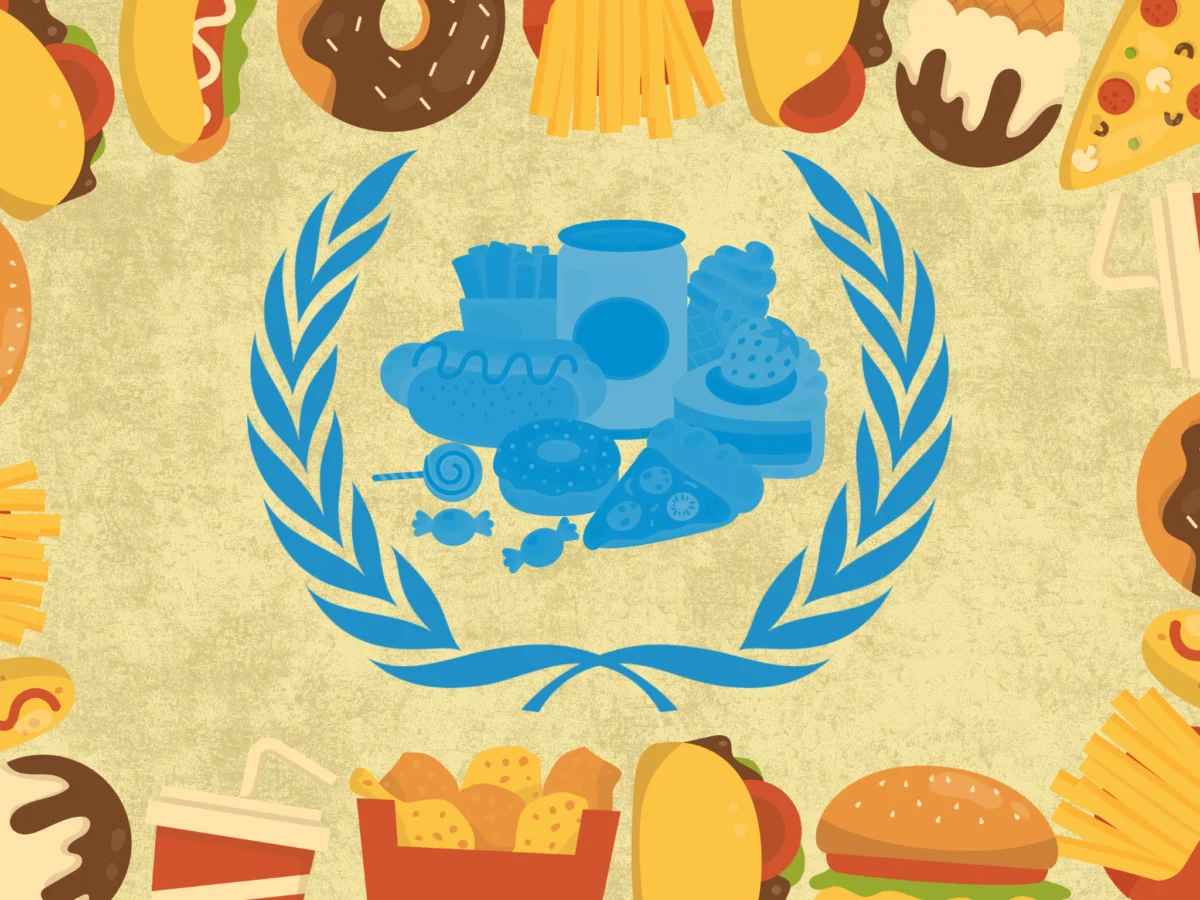
The Brazilian government has officially requested the World Health Organization (WHO) to develop international regulations mandating countries to restrict the sale of ultra-processed foods (UPFs), with a particular focus on protecting children and adolescents. This significant proposal, backed by several other nations, aims to establish a unified global approach to curbing the consumption of these often unhealthy food products. As the WHO currently works on comprehensive guidelines for UPFs, Brazil’s initiative seeks to expedite and strengthen these efforts by pushing for concrete policy measures. The proposal is set to be presented at the World Health Assembly in Geneva, with the ultimate goal of achieving a vote and adoption at next year’s assembly.
The push for stricter regulations on ultra-processed foods is gaining momentum worldwide, reflecting growing concerns among policymakers and public health advocates about their detrimental impact on health. Brazil’s proactive stance is particularly noteworthy given its foundational role in defining UPFs through the Nova classification system, developed in 2009. This classification categorizes foods based on the extent and purpose of food processing, with UPFs being defined as industrial formulations and techniques or containing cosmetic additives with little culinary value – essentially, foods that cannot be replicated in a home kitchen.
The Growing Global Concern Over Ultra-Processed Foods
Ultra-processed foods have been consistently linked in numerous scientific studies to a wide array of adverse health outcomes, including increased risks of obesity, cardiovascular diseases, type 2 diabetes, certain cancers, and even premature mortality. These foods are characterized by their high levels of added sugars, unhealthy fats, sodium, and artificial ingredients, while often being low in essential nutrients, fiber, and whole food components. Their long shelf life, aggressive marketing strategies, and convenience have contributed to their widespread popularity, particularly among younger demographics.

The Nova classification, while influential, has also faced criticism for being overly simplistic. Some health experts argue that processing level alone should not be conflated with nutritional value. They point to examples of foods that, while technically ultra-processed, can still offer health benefits, such as certain plant-based alternatives, whole-grain breads, and fortified cereals. This nuance highlights the complexity of the UPF debate, yet the overarching consensus among many public health bodies remains that the prevalence of UPFs in modern diets poses a significant public health challenge.
Brazil’s Leadership and the Path to Global Action
Brazil’s proposal to the WHO is not an isolated initiative but rather a culmination of its own domestic efforts and a recognition of a global trend. The country has already implemented measures to limit UPFs in schools, capping their presence in school meals at a maximum of 10%, with an ultimate goal of complete elimination. Brazilian health minister Alexandre Padilha has publicly stated the intention to further reduce this percentage, citing positive preliminary data from cities that have successfully removed UPFs from school menus, showing a decrease in adolescent consumption of these products.
The draft resolution submitted by Brazil calls for member states to "develop, strengthen, and implement comprehensive regulatory frameworks to restrict the marketing of ultra-processed foods, with particular emphasis on the protection of children and adolescents." This encompasses a multi-faceted approach, urging governments to adopt evidence-based definitions and classification systems for UPFs. Crucially, it seeks to curb or even prohibit the advertising of UPFs in environments frequented by children, including schools, healthcare facilities, and cultural or sporting events.
Targeting Marketing Practices: A Key Component of the Proposal
A significant focus of Brazil’s proposal is on addressing the sophisticated and often aggressive marketing tactics employed by UPF manufacturers to appeal to young consumers. These strategies include the use of health and nutrition claims, vibrant packaging, child-friendly characters, catchy jingles, celebrity endorsements, promotional offers, and collectible items. The resolution aims to combat all forms of media, including digital marketing practices like targeted advertising, influencer campaigns, data-driven personalization, and cross-border content that can reach children and teenagers.
This aspect of the proposal draws parallels with past concerns about the food industry’s marketing practices towards children. In the United States, for instance, several major food manufacturers faced a lawsuit alleging they employed tactics similar to the tobacco industry to promote UPFs to children, though this case was ultimately dismissed. The growing awareness of these practices has fueled calls for greater accountability and stricter oversight.
International Support and the Road Ahead
Brazil’s proposal has already garnered significant international support, with France, Mexico, and Uruguay endorsing the initiative. This coalition of nations is crucial for building momentum at the World Health Assembly. The proposal is scheduled for presentation by Minister Padilha and aims to secure broad support for its inclusion on the agenda for a vote at the next year’s assembly, where it would require a simple majority to pass.
The WHO itself has been actively engaged in addressing the UPF issue. A panel of experts has been convened to develop guidelines, acknowledging that UPF consumption "has been associated with a myriad of negative health effects." However, the process has not been without its challenges. Critics have raised questions about the composition of the expert panel, noting the exclusion of food scientists due to the WHO’s conflict-of-interest policies. Concerns have also been voiced regarding the organization’s transparency, particularly its decision not to publish public comments on the topic, leading to accusations of bias.
Precedents and Implications of the Proposed Regulations
Brazil’s resolution highlights existing precedents for the WHO recommending measures to protect children from products deemed harmful. In 2010, a similar resolution was adopted to limit the marketing of food and non-alcoholic beverages to children. Furthermore, a 2016 resolution provided guidance on ending the "inappropriate promotion" of food for infants and young children. These past actions demonstrate the WHO’s willingness to address dietary concerns impacting vulnerable populations.

The implications of Brazil’s proposed resolution, if adopted, could be far-reaching. It would establish a global framework for regulating UPFs, encouraging a more consistent and robust approach to public health interventions. For countries that adopt these regulations, it could lead to a reduction in the availability and marketing of UPFs, potentially contributing to improved dietary patterns and long-term health outcomes. This could translate into lower rates of diet-related chronic diseases, reduced healthcare burdens, and a healthier future generation.
However, the path to global consensus and implementation will likely be complex. The food industry, a powerful economic force, may lobby against such stringent regulations. Debates surrounding the definition of UPFs and the balance between public health goals and economic interests are expected. Moreover, the effectiveness of these regulations will depend on their rigorous enforcement and the ability of national governments to adapt and implement them within their specific contexts.
The Broader Context: Policy and Industry Response
The global policy landscape is increasingly scrutinizing UPFs. In the United States, several states, including California, Arizona, and Louisiana, have banned the use of UPFs in schools. At the federal level, there have been promises of action on citizen petitions calling for the revocation of the food safety status of certain UPFs. The Food and Drug Administration (FDA) is actively working on a definition of UPFs to encourage companies to label their products as "non-ultra-processed," similar to how "sugar-free" or "fat-free" labels are used. The U.S. House of Representatives is also considering bipartisan legislation aimed at reducing childhood diabetes, which includes provisions for defining UPFs, prohibiting their advertising to children, and requiring warning labels.
These domestic policy shifts in various countries underscore the growing recognition of the UPF issue as a critical public health concern. Brazil’s initiative at the WHO aims to elevate this concern to a global level, fostering international cooperation and setting a precedent for future action. The success of this proposal will hinge on its ability to garner widespread support among WHO member states and to navigate the complexities of international policy-making, ultimately shaping the future of food regulation and public health on a global scale. The ongoing dialogue and the eventual vote at the World Health Assembly will be pivotal in determining whether the world collectively moves towards a future with fewer ultra-processed foods, especially for its youngest citizens.
