
Polycystic Ovary Syndrome (PCOS) remains one of the most prevalent endocrine disorders among women of reproductive age, affecting approximately 8% to 13% of the global female population. Characterized by hormonal imbalances, insulin resistance, and ovulatory dysfunction, the condition often presents a complex array of symptoms including hirsutism, acne, and irregular menstrual cycles. While pharmaceutical interventions such as oral contraceptives and anti-androgen medications are standard, a growing body of clinical research and patient advocacy points toward spearmint tea (Mentha spicata) as a potent, natural adjunct therapy. Recent studies suggest that the regular consumption of spearmint tea can significantly alter the hormonal profile of women with PCOS, specifically by reducing free and total testosterone levels, thereby mitigating the physiological and psychological burdens of the disorder.
Clinical Foundations: The Impact of Spearmint on Androgen Levels
The scientific interest in spearmint tea as a treatment for PCOS gained significant momentum following a landmark randomized controlled trial conducted by researchers and published in Phytotherapy Research. This study involved 42 women diagnosed with PCOS who were divided into two distinct cohorts. The intervention group consumed spearmint tea twice daily for a period of one month, while the control group consumed a placebo herbal tea.
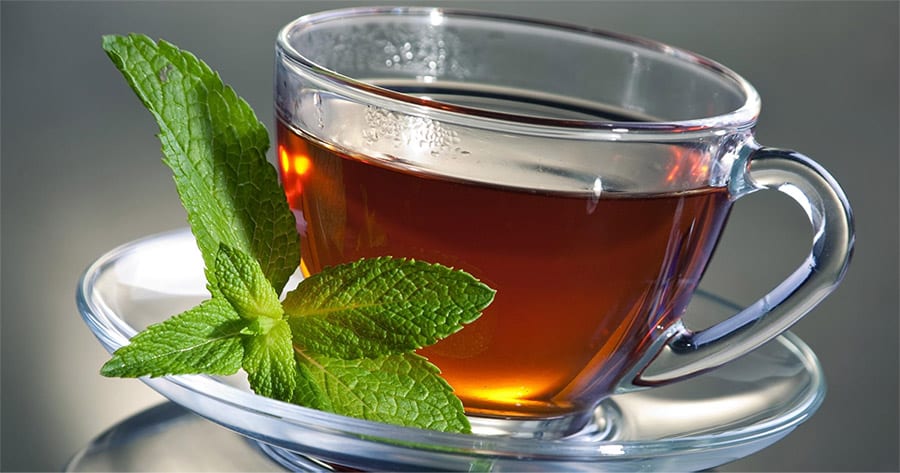
The findings were statistically significant: the women in the spearmint group demonstrated a substantial decrease in free and total testosterone levels. Conversely, their levels of luteinizing hormone (LH) and follicle-stimulating hormone (FSH) increased. This shift is critical because PCOS is frequently defined by "androgen excess," where high levels of male hormones interfere with the development and release of eggs during the menstrual cycle. By normalizing these hormone levels, spearmint tea acts as a natural anti-androgen, providing a non-pharmacological pathway to hormonal equilibrium.
Chronology of Research and Discovery
The therapeutic use of mint species dates back centuries in traditional medicine, but its specific application for hormonal regulation is a relatively modern discovery.
- Early 2000s: Preliminary observations in Turkey suggested that women who consumed large amounts of spearmint tea experienced a reduction in libido, leading researchers to investigate the plant’s effect on testosterone.
- 2007-2009: Early short-term studies confirmed that spearmint could lower androgens in a five-day window. This led to the 30-day randomized controlled trial in 2009, which established the clinical framework for using spearmint tea to treat hirsutism in PCOS patients.
- 2013-2015: Subsequent research, including a study highlighted by the American Academy of Dermatology (AAD), shifted focus toward dermatological outcomes. This research found that two cups of organic spearmint tea daily could reduce inflammatory acne lesions by 25% after one month and 51% after three months.
- 2017-2018: Research expanded into the metabolic and cognitive benefits of spearmint, exploring its effects on blood sugar regulation and memory enhancement.
Metabolic Health and Insulin Resistance
A primary driver of PCOS symptoms is insulin resistance, a condition where the body’s cells do not respond effectively to insulin, leading to elevated blood sugar levels. This metabolic dysfunction often triggers the ovaries to produce even more testosterone, creating a feedback loop that worsens the condition.

While human trials specifically targeting insulin in PCOS are ongoing, animal models have provided compelling data. A 2017 study published in the Iranian Journal of Pharmaceutical Research demonstrated that aqueous extracts of Mentha spicata leaves significantly reduced blood sugar levels and improved antioxidant activity in diabetic rats. For women with PCOS, this suggests that spearmint tea may serve as a protective measure against the development of Type 2 diabetes. By potentially lowering insulin resistance, the tea addresses the root cause of androgen overproduction, rather than merely treating the outward symptoms.
Dermatological Implications: Hirsutism and Acne
Hirsutism—the growth of dark, coarse hair in areas where men typically grow hair, such as the face, chest, and back—is reported by up to 70% of women with PCOS. It is often cited as the most distressing symptom due to its impact on self-esteem.
The 2009 trial noted that while the 30-day period was too short to show a clinical disappearance of hair, the participants reported a subjective "significant reduction" in the density and growth rate of unwanted hair. Because hair growth cycles operate on a multi-month timeline, experts suggest that consistent consumption of spearmint tea for at least six months is necessary to see visible clinical changes in hirsutism.

Furthermore, the anti-inflammatory properties of spearmint make it a powerful tool against hormonal acne. Unlike topical treatments that only address the skin’s surface, spearmint tea works systemically to lower the androgens that trigger excessive sebum production, thereby preventing the formation of inflammatory lesions from within.
Cognitive Function and the Combatting of "Brain Fog"
Many women with PCOS report "brain fog," a state of cognitive fatigue, lack of mental clarity, and memory lapses. This is often linked to both hormonal fluctuations and the chronic inflammation associated with the syndrome.
Spearmint contains high concentrations of polyphenols, including rosmarinic acid, which have been linked to improved cognitive performance. A 2018 study published in the Journal of Alternative and Complementary Medicine followed 90 individuals with age-associated memory impairment. After 90 days of taking a standardized spearmint extract, participants showed a 15% improvement in working memory and a significant increase in the ability to focus. For the PCOS community, these findings suggest that spearmint tea may help alleviate the mental lethargy and focus issues that frequently accompany the disorder.

Antioxidant Properties and Oxidative Stress
Women with PCOS exhibit higher markers of oxidative stress compared to those without the condition. Oxidative stress can damage follicles and exacerbate insulin resistance. A 2013 meta-analysis in Human Reproduction Update confirmed that circulating markers of oxidative stress are significantly elevated in PCOS patients, regardless of their Body Mass Index (BMI).
Spearmint is a rich source of antioxidants. These compounds neutralize free radicals, reducing systemic inflammation. By lowering the oxidative burden on the body, spearmint tea supports overall cellular health and may improve the environment in which ovarian follicles develop, potentially aiding fertility.
Implementation: Dosage, Preparation, and Safety
To achieve the therapeutic benefits observed in clinical settings, medical professionals and herbalists generally recommend the following protocol:
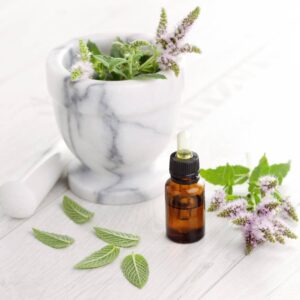
- Dosage: Two cups of spearmint tea per day (approximately 1 gram of dried leaves per 12 ounces of water).
- Preparation: The tea should be steeped in boiling water for at least 10 minutes to ensure the extraction of essential oils and polyphenols. It can be consumed hot or cold.
- Consistency: Because herbal interventions work gradually, a minimum commitment of three to six months is recommended to evaluate efficacy.
Precautions and Side Effects
While spearmint is generally recognized as safe (GRAS) by the FDA, there are certain contraindications. Individuals suffering from Gastroesophageal Reflux Disease (GERD) may find that mint relaxes the lower esophageal sphincter, worsening heartburn. Additionally, due to its effect on hormone levels, pregnant or breastfeeding women should consult a healthcare provider before use. There is also a theoretical risk of liver or kidney strain if consumed in extreme excess, though this is typically associated with highly concentrated supplements rather than standard tea consumption.
Broader Impact and Future Outlook
The shift toward integrating spearmint tea into PCOS management reflects a broader trend in women’s healthcare: the move toward integrative medicine. Patients are increasingly seeking options that minimize the side effects associated with long-term pharmaceutical use, such as the weight gain or mood changes sometimes linked to hormonal birth control.
Medical professionals are beginning to view spearmint tea not as a "cure," but as a valuable component of a holistic management plan that includes diet, exercise, and, when necessary, medication. The ability of a simple, accessible herb to produce measurable changes in serum testosterone levels provides a powerful tool for patient autonomy.

As research continues, the focus is likely to shift toward long-term longitudinal studies that track the impact of spearmint on ovulation and fertility rates. For now, the evidence supports spearmint tea as a scientifically valid, low-cost, and low-risk intervention that addresses the hormonal, metabolic, and dermatological challenges of Polycystic Ovary Syndrome. For the millions of women navigating the complexities of PCOS, this "simple" remedy offers a significant step toward reclaiming hormonal health and improving quality of life.
