
British ingredient giant Tate & Lyle has significantly broadened its strategic collaboration with Canadian plant cell culture innovator BioHarvest Sciences, expanding the partnership to encompass multiple plant-based sweetener molecules. This strategic move underscores Tate & Lyle’s commitment to its comprehensive sugar reduction strategy, aiming to provide the food and beverage industry with a more robust and flexible toolkit of next-generation sweetening solutions. The expanded agreement signals a deeper integration of BioHarvest’s cutting-edge botanical synthesis technology into Tate & Lyle’s product development pipeline, addressing the escalating global demand for healthier, more sustainable, and naturally derived ingredients.
The enhanced partnership builds upon the initial collaboration established in late 2024, which focused on developing novel plant-based molecules designed to reduce sugar content in consumer products. The initial phase of their collaboration was driven by a clear market imperative: to meet the growing consumer desire for alternatives that are not only healthier but also affordable and sustainably produced. By extending the scope to include a wider array of sweetener molecules, Tate & Lyle is now positioned to offer manufacturers a more versatile range of options, catering to diverse formulation requirements across various food and beverage categories.
"We are enabling access to differentiated, plant-based sweetening solutions designed to support a range of sensory, application, and economic requirements," stated Zaki Rakib, CEO of BioHarvest Sciences. This sentiment highlights the core objective of the expanded collaboration: to deliver tailored solutions that meet the multifaceted demands of the modern food industry.
This significant development in Tate & Lyle’s strategic alliances occurred just weeks before the company agreed to a substantial £2.7 billion ($3.6 billion) takeover by its US-based rival, Ingredion Incorporated. The proposed acquisition, a landmark event in the ingredient manufacturing sector, is anticipated to lead to a workforce reduction of approximately 3% at Tate & Lyle and is projected to generate combined annual revenues of $9.9 billion. The timing of the expanded BioHarvest partnership, preceding the Ingredion acquisition announcement, suggests a forward-looking strategy by Tate & Lyle to solidify its position in the high-growth sugar reduction market, regardless of its ownership structure.
Addressing Evolving Consumer Demands with Complementary Sweeteners
The strategic rationale behind Tate & Lyle’s investment in a diverse portfolio of plant-based sweeteners is rooted in the evolving landscape of consumer preferences and health consciousness. Victoria Spadaro-Grant, Chief Science and Innovation Officer at Tate & Lyle, articulated this vision: "As we define what customers ultimately look for in next-generation sweeteners – sugar-like taste, solutions anchored in nature, reduced calories, and responsible use of resources – it is clear that several unmet needs in the market today are unlikely to be addressed with a single sweetener."
This perspective underscores a critical industry insight: the future of sugar reduction is not about a one-size-fits-all solution, but rather a sophisticated interplay of ingredients that can be deployed independently or in synergy to achieve optimal results. Tate & Lyle’s approach is to develop complementary sweeteners that can be precisely formulated to meet specific product characteristics, including taste profiles, texture, stability, and cost-effectiveness.
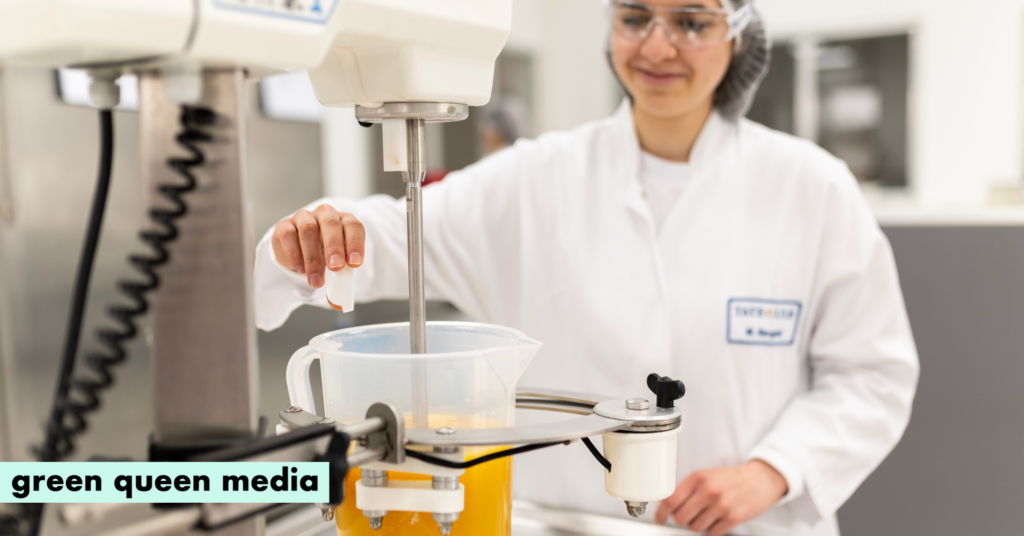
To achieve this, Tate & Lyle is leveraging BioHarvest’s proprietary Botanical Synthesis platform. This innovative, non-GMO technology is designed to produce high-value plant-derived compounds without the need for traditional agriculture and cultivation of the source plants. The platform integrates advanced plant cell biology, sophisticated elicitation technologies, artificial intelligence-driven development processes, and industrial-scale bioreactors. The result is the creation of "precision botanics" – compounds that exhibit enhanced potency, purity, consistency, and scalability, critical attributes for commercial success in the food and beverage industry.
The reliance on plant cell culture technology offers significant advantages over conventional agricultural extraction methods, particularly for rare or difficult-to-source botanical ingredients. This approach aligns perfectly with Tate & Lyle’s strategic priorities, which emphasize ingredients that deliver superior performance, robust scalability, and a commitment to responsible and sustainable sourcing practices. By decoupling production from traditional farming, BioHarvest’s platform can mitigate risks associated with climate variability, land use, and supply chain disruptions, offering a more predictable and resilient source of key ingredients.
Market Trends Driving Sugar Reduction Innovation
The intensified focus on sugar reduction by industry leaders like Tate & Lyle is directly informed by robust consumer research and significant shifts in global health trends. A comprehensive seven-country survey conducted by Tate & Lyle the previous year revealed a powerful consumer sentiment: over 50% of respondents indicated plans to reduce their sugar intake within the next 12 months. Notably, this intention to cut down on sugar was more pronounced than the desire to reduce calorie or fat consumption. The survey also highlighted a strong preference for sweeteners derived from fruits and plants, provided they offer a desirable taste experience.
These findings resonate with research from Ingredion, Tate & Lyle’s prospective parent company, which in 2025 indicated that 64% of global respondents were actively reducing their sugar consumption, primarily for health reasons. An additional 42% cited weight management as a key driver for their sugar reduction efforts.
A significant emerging factor influencing this trend is the widespread adoption of Glucagon-Like Peptide-1 (GLP-1) receptor agonists, such as Ozempic and Mounjaro. In the United States alone, the percentage of consumers utilizing these weight-loss medications increased from 10% to 18% between 2024 and 2025. Previous studies have shown a direct correlation between the use of GLP-1 drugs and altered dietary habits, with approximately two-thirds of users reporting reduced or eliminated intake of sugary beverages. Furthermore, 45% of GLP-1 users are consuming less sugar overall.
The impact of these medications on dietary patterns is substantial. When asked about their consumption goals for 2025, the most frequent response from Americans was to reduce sugar intake, cited by 45% of respondents. Concurrently, younger demographics, including Gen Z and millennials, express a particularly positive view of non-sugar sweeteners, with over half believing these alternatives are as healthy, if not healthier, than traditional sugar. This generational shift in perception is a critical indicator for future market demand and product development.
Public Health and Planetary Health Benefits of Sugar Reduction
Beyond individual health benefits, the global movement towards sugar reduction carries significant implications for public health and environmental sustainability. Tate & Lyle, which divested its legacy sugar business to American Sugar Refining in 2010, has strategically pivoted towards producing health-forward ingredients. This transition reflects a growing understanding of the detrimental impact of excessive sugar consumption on public health.
Globally, added sugars account for approximately 8% of daily caloric intake, a figure that has quadrupled over the past six decades. The consumption of these "empty calories" is strongly linked to a range of serious health conditions, including cardiovascular disease, various forms of cancer, obesity, and type 2 diabetes. The scale of the diabetes epidemic is alarming: over the past three decades, the number of individuals diagnosed with diabetes has doubled, with 95% of these cases being type 2 diabetes. Projections suggest that within the next decade, half of the world’s population could be classified as overweight or obese, highlighting the urgent need for effective dietary interventions.
Victoria Spadaro-Grant further elaborated on the strategic importance of the expanded collaboration: "Expanding the scope of our collaboration with BioHarvest to include multiple plant-based sweetener molecules reflects the technical progress achieved to date and the aim to further expand our broad toolbox of sweetening solutions." She emphasized the flexibility offered by this partnership, stating, "The flexibility from the expanded collaboration with BioHarvest is critical as customers seek food and beverage category-specific solutions that balance taste, cost, and labeling requirements, while supporting sugar and calorie reduction." This strategic alignment positions Tate & Lyle to innovate rapidly and efficiently, reinforcing its commitment to shaping the future of sweetness through science-led solutions.
The environmental dimension of sugar consumption is also a significant consideration. Research indicates that reducing added sugar intake to the World Health Organization’s recommended limit of 5% of daily calories could have a substantial positive impact on the environment. Such a reduction could free up an estimated 483 million tonnes of sugarcane and 128 million tonnes of sugar beets annually. This reallocation of agricultural resources could pave the way for land rewilding, enhance carbon sequestration efforts, facilitate diversification into non-sugar crops, and improve overall carbon efficiency within the agricultural sector.
Industry Landscape and Future Outlook
Despite its strategic pivot towards health-focused ingredients and the burgeoning market for sugar alternatives, Tate & Lyle has faced financial headwinds, with revenues declining by 3% in the past year. The impending integration into Ingredion, however, occurs at a time when demand for sugar alternatives is at an all-time high.

The sugar reduction market is highly dynamic, with numerous innovative companies emerging to address consumer needs. A wave of startups is developing "sweet proteins," such as brazzein and thaumatin, for use in sugar-free sweeteners. Notable players in this space include Oobli, Amai Proteins, MycoTechnology, Pentasweet, Perfect Day, Sweegen, Microfarmtory, and Nanjing Bestzyme, many of which are leveraging precision fermentation or other advanced biotechnologies.
Simultaneously, other companies are focusing on commercializing technologies that reduce sugar content in existing food and beverage products. Examples include Better Juice, Austria Juice, BlueTree Technologies, IncreBio, and Neoh, which are developing solutions ranging from enzymatic sugar reduction to yeast fermentation-based approaches. This vibrant ecosystem of innovation underscores the significant market opportunity and the competitive landscape in which Tate & Lyle is operating.
The expanded partnership between Tate & Lyle and BioHarvest Sciences represents a strategic step forward in this evolving market. By focusing on complementary, plant-based sweetener molecules derived from advanced cell culture technology, Tate & Lyle is positioning itself to offer manufacturers the nuanced and adaptable solutions required to meet the diverse and growing demands of health-conscious consumers worldwide. The success of this collaboration will be a key indicator of Tate & Lyle’s ability to navigate the complexities of the ingredient market and capitalize on the significant opportunities presented by the global sugar reduction trend, even as it undergoes a major corporate transition.
