
Cultivated meat pioneer Aleph Farms has initiated a strategic restructuring of its Israeli operations, reducing certain roles as it fully embraces an outsourcing-based production model. This move, described by the company as the "right move in the current landscape," signifies a broader global shift towards an "asset-light" approach, prioritizing capital efficiency and flexibility in a maturing industry. The decision follows a period of significant investment and evolving investor sentiment within the alternative protein sector.
The Rehovot-based startup has reportedly cut 10 roles within its Israeli operations, a development first reported by Israeli tech publication Calcalist. This latest round of redundancies comes two years after a previous workforce reduction that saw approximately 30% of its staff in the country let go. While the precise figures and scope of the current cuts are specific to the Israeli context, Aleph Farms confirmed the news to Green Queen, emphasizing that these changes are intrinsically linked to the company’s overarching strategy of leveraging external manufacturing capabilities.
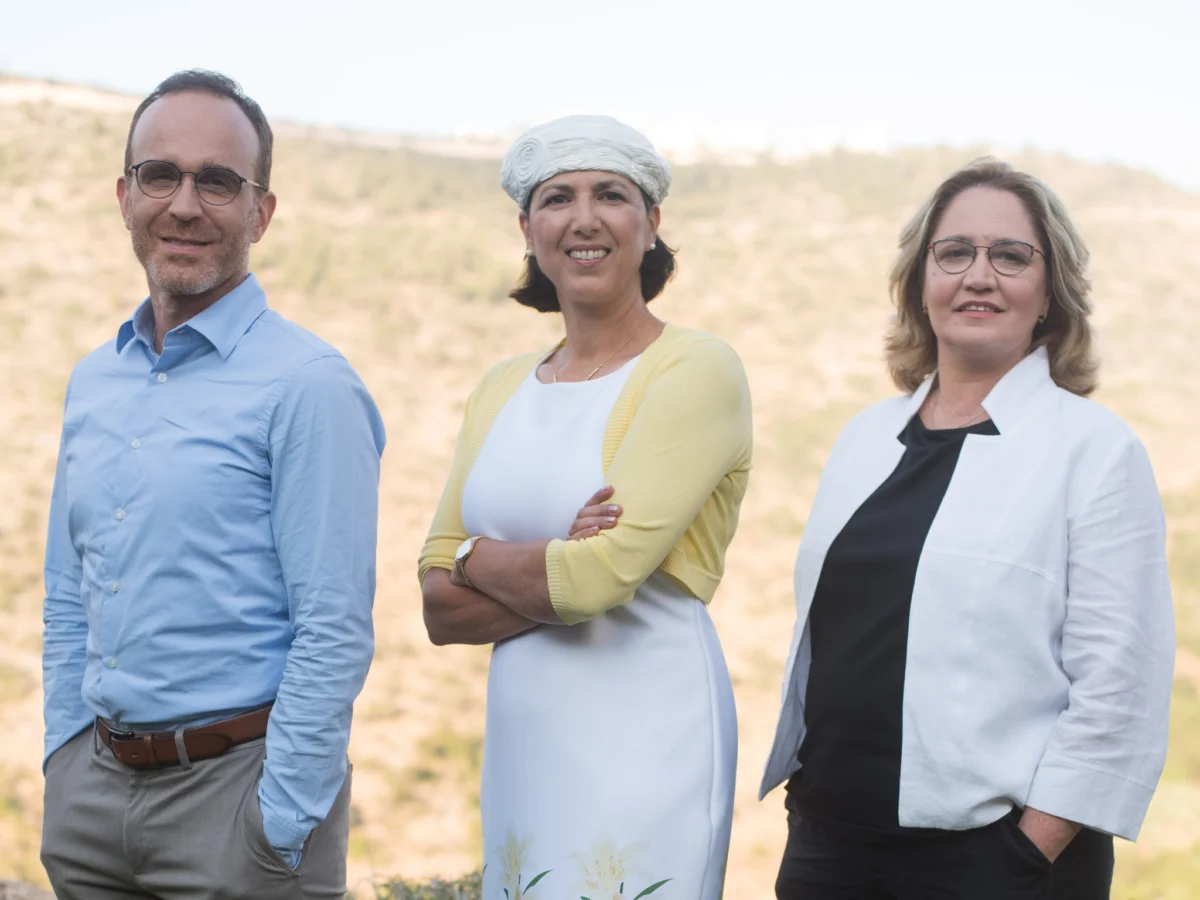
"We are implementing in Israel the same asset-light approach we have rolled out in Switzerland and Singapore," stated Didier Toubia, co-founder and CEO of Aleph Farms, in an exclusive statement. "It is a global alignment, and the right move in an environment that calls for disciplined capital allocation." This strategic pivot underscores a significant trend within the cultivated meat industry, where many companies are re-evaluating their capital-intensive expansion plans in favor of more agile and cost-effective production methods.
The "asset-light" model championed by Aleph Farms centers on a hub-and-spoke production strategy. Instead of investing heavily in and operating its own large-scale, centralized manufacturing facilities, the company is forging strategic partnerships with third-party manufacturers in key global markets. This allows Aleph Farms to outsource the complex and capital-intensive process of cultivated meat production, thereby enhancing operational flexibility and significantly reducing upfront investment and ongoing operational costs.
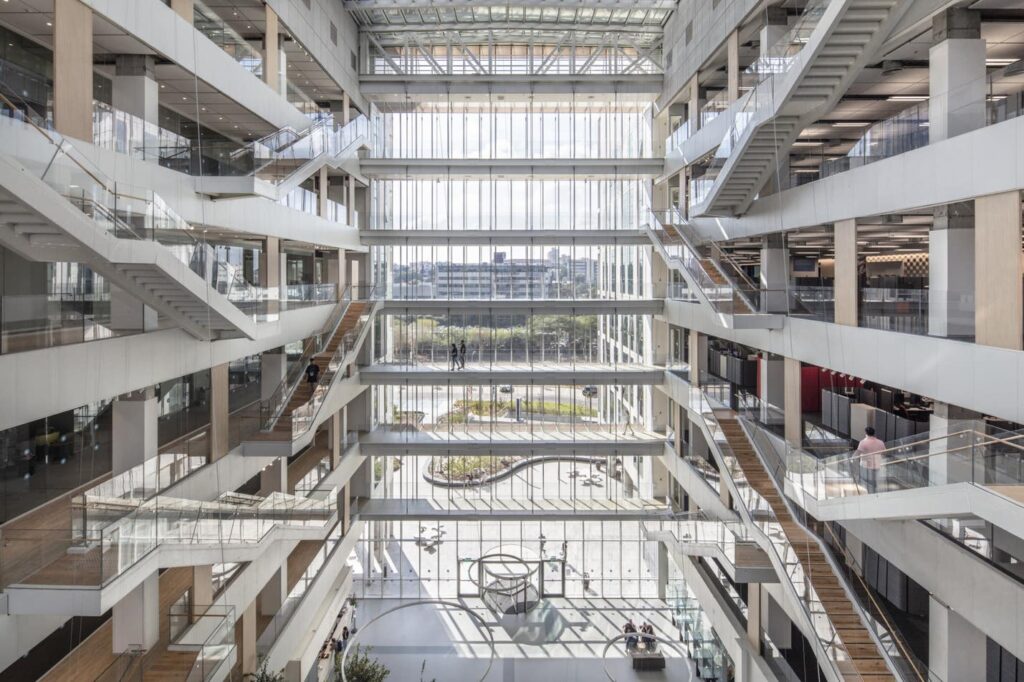
While Aleph Farms does maintain a significant physical presence with a 65,000 square foot facility in Rehovot, Israel, which has an initial annual capacity of 10 metric tons of cultivated steak, its long-term production strategy is now leaning heavily on external collaboration. Toubia previously articulated this shift, noting in an interview last year that the company was entering a new phase characterized by heightened capital expenditure and a more risk-averse investor base. This necessitated a move away from a "grow at all costs" mentality towards a focus on profitability through increased efficiency.
"We have paused our investments in large plants and big facilities, and postponed our launch to really take the time first to reduce our costs, improve the scalability of our platform, and build the foundations right before we expand," Toubia had explained. This strategic recalibration is evident in Aleph Farms’ ongoing global partnerships. The company is actively constructing a production facility in Thailand in collaboration with biotech firms BBGI and Fermbox Bio. Furthermore, it has established alliances with The Cultured Hub in Switzerland and Cell Agritech in Malaysia to facilitate its cultivated meat production for the European and Asia-Pacific markets, respectively.
A spokesperson for Aleph Farms elaborated on the broader industry trend, noting, "Much of the industry is moving this way, because it grants more flexibility and is more capital-efficient." The current economic climate, marked by inflation and a more cautious investment landscape, necessitates a "disciplined approach to capital allocation." The spokesperson further clarified the implications of the recent restructuring in Israel: "As part of this, we are reducing some roles tied to pilot operations, and we are in active discussions with third parties to provide those production services instead." This suggests a streamlining of internal pilot production capabilities in favor of leveraging established external manufacturing expertise.
A Strategic Pivot Amidst Funding Efforts and Market Maturation
The workforce adjustments in Israel are occurring concurrently with Aleph Farms’ active pursuit of its latest funding round. To date, the company has successfully secured $147 million in investments. As of September, it had raised $7 million in the initial tranche of its current financing effort, with CEO Didier Toubia expressing optimism about raising an additional $20-25 million by the close of 2025. While no definitive announcements have been made regarding the completion of this round, Aleph Farms confirmed that the fundraising process remains "an active process." The anticipated growth capital is earmarked to "support its next phase of scale-up."
The cultivated meat sector, once characterized by rapid expansion and substantial venture capital injections, is now navigating a more pragmatic phase. Investors are increasingly prioritizing clear pathways to profitability, sustainable unit economics, and robust regulatory progress. Companies like Aleph Farms, which were at the forefront of pioneering the technology, are now compelled to demonstrate their ability to scale responsibly and efficiently.
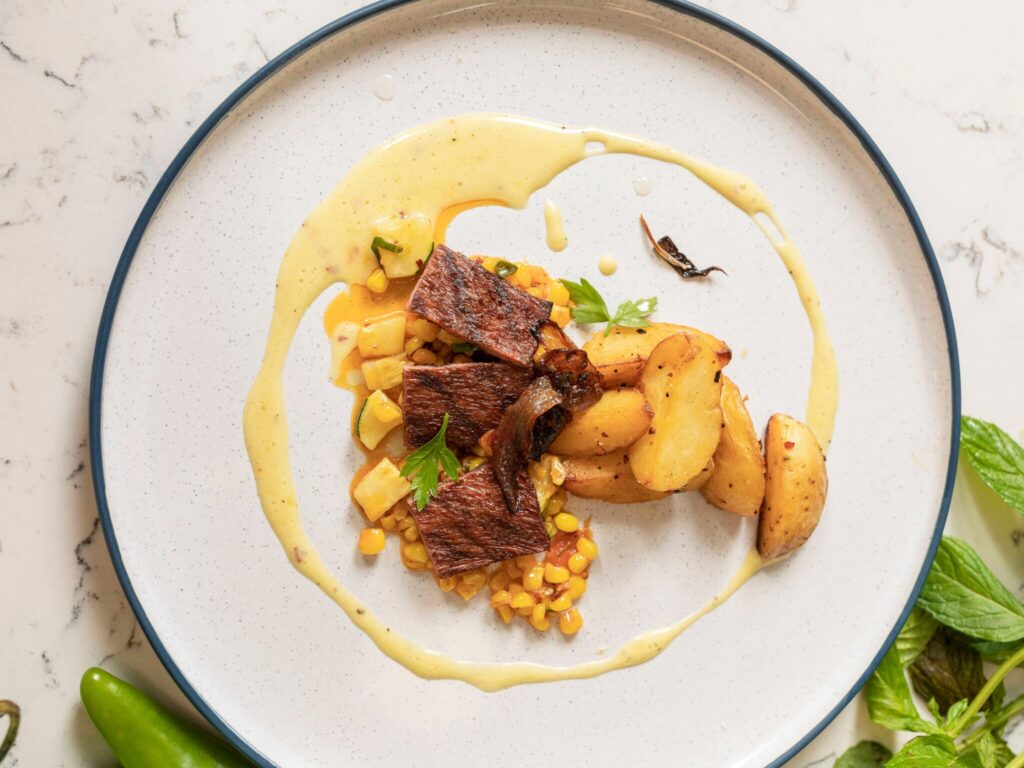
Aleph Farms’ flagship product, the Petit Steak, represents a hybrid approach to alternative protein. It combines non-modified, non-immortalized cells from Black Angus cattle with a plant-based protein matrix derived from soy and wheat. Marketed under the Aleph Cuts brand, this product has reportedly achieved favorable results in taste tests, indicating a promising consumer reception for its cultivated offerings.
Regulatory approvals represent a critical hurdle for all cultivated meat companies, and Aleph Farms has made significant strides in this area. The company has received clearance to sell its cultivated beef in Israel and is awaiting regulatory approval in Singapore, the United Kingdom, and Switzerland. Further applications are planned for the European Union and the United Arab Emirates, signaling an ambitious global market entry strategy.
Despite the operational adjustments in its Israeli base, Aleph Farms maintains its commitment to continued expansion across all its operational regions. "Aleph Farms continues all its activities across every region we operate in, and we remain determined to lead the global cellular agriculture category," a company spokesperson affirmed. This dedication highlights the company’s long-term vision for cellular agriculture as a transformative force in the food system.
A Phased Approach to Market Leadership
In September, Toubia outlined a comprehensive three-phase plan designed to solidify Aleph Farms’ leadership position in the industry. The initial phase, focused on establishing robust growth foundations, centers on product launches with restaurant partners in Israel and Singapore by 2027. A key objective of this phase is to achieve positive gross margins, a critical indicator of financial sustainability.
The second phase, projected to span from 2027 to 2028, will emphasize profitability. This period will involve strategic expansion into the Asia-Pacific and European Union markets, a significant build-out of production capacity (likely through its outsourced model), and the securing of crucial government support and offtake agreements.
It is in the third phase, post-2028, that Aleph Farms plans to fully commit to large-scale market penetration. This ambitious stage includes launching in the United States and Japan, introducing a broader portfolio of new products, and establishing a presence in premium retail channels. This phased rollout demonstrates a calculated approach, prioritizing foundational strengths and market validation before embarking on expansive global commercialization.
The strategic reallocation of resources and roles within Aleph Farms’ Israeli operations is not indicative of a retreat, but rather a calculated adaptation to the evolving dynamics of the cultivated meat industry. By embracing an asset-light, outsourcing-driven production model, the company aims to enhance its financial resilience, accelerate its global market entry, and ultimately achieve its ambitious vision of leading the cellular agriculture revolution. The success of this strategy will hinge on its ability to forge strong, reliable partnerships with contract manufacturers and navigate the complex regulatory landscapes across its target markets, all while continuing to innovate and bring its unique cultivated meat products to consumers worldwide. The company’s sustained commitment to funding and its clear, phased strategic plan suggest a determined effort to weather the current industry headwinds and emerge as a dominant player in the future of food production.
