
The Origins of a Persistent Controversy
The debate surrounding retinyl palmitate is not new. For years, the ingredient has been a target of organizations advocating for "clean beauty," a movement that often emphasizes natural ingredients and questions the safety of synthetic compounds, sometimes based on interpretations of preliminary scientific data. Retinyl palmitate, a synthetic form of vitamin A, is frequently incorporated into sunscreens and other cosmetic formulations for its antioxidant properties and perceived anti-aging benefits, such as reducing the appearance of wrinkles and improving skin texture. Its inclusion in sunscreens, products designed to protect against sun damage, makes the claim of photocarcinogenesis particularly alarming to consumers.
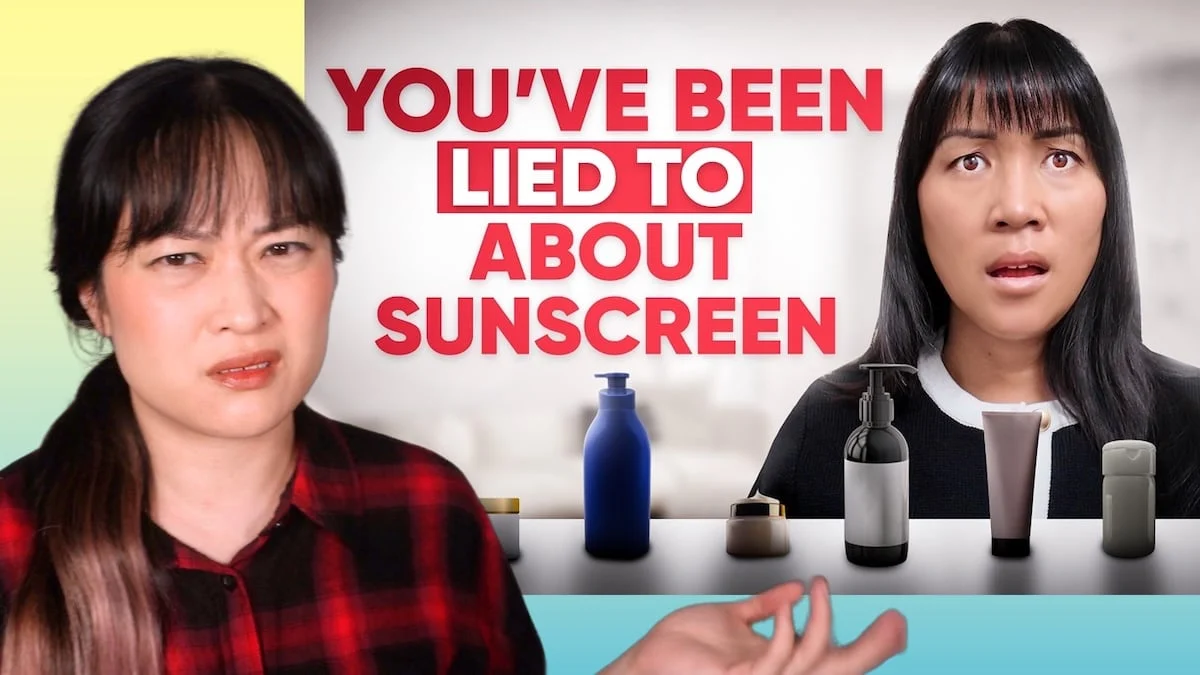
Dr. Burkart’s recent video reignited this discussion, stating, "Some [sunscreen] ingredients can actually promote skin cancer. This one is really shocking because that’s the exact opposite of what sunscreen is supposed to do. Retinyl palmitate is a synthetic form of vitamin A that’s often added to sunscreens for its so-called anti-aging benefit… But here is what is most shocking. When exposed to sunlight, retinyl palmitate becomes highly unstable, breaks down into free radicals, which are extremely reactive. These free radicals damage DNA and lipids, as well as proteins, accelerate skin aging and may even increase the risk of tumor formation over time. In fact, studies show that retinyl palmitate when applied to the skin and exposed to sunlight generates reactive oxygen species or ROS and lipid peroxides, two well-established drivers of oxidative stress and photocarcinogenesis, which is the formation of cancer in response to sunlight."
These statements, particularly the phrase "when applied to the skin," create an impression that human-relevant studies confirm a direct link between retinyl palmitate in sunscreens and increased skin cancer risk. However, a closer examination of the scientific literature, as undertaken by Wong and Kanadil, reveals a more nuanced picture, where the evidence cited is often extrapolated beyond its appropriate context.
Deconstructing the Scientific Evidence: In Vitro, Cell, and Animal Studies
The arguments against retinyl palmitate typically rest on three categories of studies:
In Vitro Experiments
These "test tube" studies demonstrate that retinyl palmitate, when isolated and exposed to UV radiation, can break down to form reactive oxygen species (ROS). These ROS are known to damage cellular structures, including DNA, leading to oxidative stress—a mechanism implicated in the development of skin cancer. While scientifically accurate in their controlled environment, these experiments do not account for the complex biochemical milieu of human skin. The human integument is rich in a diverse array of antioxidants and protective compounds that can neutralize ROS, making the isolated breakdown observed in a test tube an incomplete representation of real-world biological processes.
Cell Studies
Research involving cells grown in petri dishes has shown that when exposed to UV radiation, cells treated with retinyl palmitate exhibited a higher rate of mutation compared to untreated cells. Similar to in vitro experiments, these cell culture studies, while providing valuable insights into cellular mechanisms, operate under highly artificial conditions. They lack the multi-layered protection, metabolic processes, and repair mechanisms inherent to living tissue, particularly the sophisticated structure of human skin.
Animal Studies: The NTP Mouse Study
Perhaps the most frequently cited piece of evidence is a specific animal study conducted by the National Toxicology Program (NTP). Dr. Burkart highlighted this, stating, "What’s even more concerning is that animal studies conducted by the National Toxicology Program found that mice whose skin was treated with retinyl palmitate and exposed to sunlight (simulated sunlight) developed significantly more skin tumors than those animals who were not exposed to the same ingredient, but still had the simulated sunlight. But yet somehow this ingredient is still included in countless mainstream products, including sunscreens, which are marketed for daily use."
This NTP study, published in 2012 (though the research dates back further), involved SKH-1 hairless mice treated with retinyl palmitate and exposed to simulated solar light. The findings did indeed suggest an increase in skin tumors in the treated group. However, as Wong and Kanadil point out, these studies are not new and have been a matter of public record for a considerable period. The continued inclusion of retinyl palmitate in sunscreens, particularly in regions with stringent cosmetic regulations like the European Union, suggests that regulatory bodies and safety assessors have thoroughly evaluated these data and concluded that the ingredient is safe under typical conditions of use.
Expert Rebuttal and Regulatory Scrutiny: The Verdict on Safety
The crucial step often overlooked by critics is the comprehensive safety assessment performed by official regulatory bodies, which integrate all available scientific data, including the very studies cited by proponents of the "skin cancer risk" theory.
A prime example is the European Union’s Scientific Committee on Consumer Safety (SCCS), an independent panel of highly experienced scientists, predominantly toxicologists, responsible for evaluating the safety of cosmetic ingredients in the EU market. The SCCS conducted rigorous reviews of vitamin A derivatives, including retinyl palmitate, in both 2016 and 2022. Their assessments, which are far more detailed and stringent than standard peer-reviewed papers, directly address the concerns raised by the in vitro, cell, and animal studies.
The SCCS concluded that retinyl palmitate is safe for use in sunscreens, based on several key reasons:
The Complexity of the Skin Environment
Unlike isolated in vitro experiments, human skin is a complex biological system teeming with natural antioxidants such as vitamin C, vitamin E, glutathione, and various enzymes. In this intricate environment, retinyl palmitate, which itself possesses antioxidant properties, behaves differently. It can act as a pro-oxidant in isolation but can function as an antioxidant or be rapidly metabolized in the presence of other protective compounds, potentially decreasing overall oxidative stress rather than increasing it. The simple breakdown observed in a test tube does not translate directly to the physiological reality of human skin.
Species-Specific Differences: Hairless Mice vs. Human Skin
The NTP study’s reliance on SKH-1 hairless mice is a critical factor. These mice are specifically bred for their extreme sensitivity to UV radiation, making them an accelerated model for studying photocarcinogenesis. Their skin lacks hair, has a thinner epidermis, and possesses different immunological responses compared to human skin, making them significantly more susceptible to UV-induced damage and tumor formation. While useful for rapid screening, results from these models cannot be directly extrapolated to humans, whose skin is much more robust and adapted to sun exposure. Human skin possesses superior natural defenses against UV radiation, including melanin pigmentation, thicker epidermal layers, and efficient DNA repair mechanisms. For humans, retinoids, including retinyl palmitate, have actually been shown to have protective effects against various skin conditions, including certain forms of skin cancer.
Real-World Clinical Data: Retinoids as Protective Agents
Dermatologists have utilized various retinoids (which include retinol, tretinoin, and retinyl palmitate) in clinical practice for over 50 years. During this extensive period, retinoids have been successfully employed not only for their anti-aging and acne-treating properties but also in the prevention and treatment of certain precancerous skin lesions and non-melanoma skin cancers. Patients using retinoids are often under regular dermatological supervision, providing a vast body of real-world evidence. If retinoids, including retinyl palmitate, significantly increased skin cancer risk, this would have been evident in clinical populations by now. The long-standing clinical experience strongly suggests a protective, rather than harmful, role for retinoids in sun-exposed skin.
Unexplained Anomalies in the NTP Study
The NTP mouse study itself contained some anomalous results that complicated a straightforward interpretation. For instance, in certain groups, higher UV exposure actually led to fewer tumors. Moreover, a control cream without retinyl palmitate also resulted in an increase in tumors compared to untreated mice. These inconsistencies suggest that other factors, potentially an ingredient in the cream’s base, might have influenced the outcomes. One suspected culprit is diisopropyl adipate, another ingredient in the base, which has been shown to cause increased UV sensitivity in hairless mice. However, subsequent testing of diisopropyl adipate on human skin did not yield similar sensitizing effects, further undermining the direct applicability of the mouse study to human safety.
The Broader Implications for Consumer Safety and Scientific Communication
The SCCS’s comprehensive assessments in 2016 and 2022, which concluded the safety of retinyl palmitate in sunscreens, represent the gold standard for regulatory science. It is noteworthy that the SCCS is not hesitant to recommend restrictions when warranted; their 2022 report, for example, recommended restricting the maximum concentration of retinol in skincare due to concerns about overall systemic vitamin A intake from various sources (food, supplements, and cosmetics). This cautious approach underscores their commitment to consumer safety and lends significant weight to their conclusion regarding retinyl palmitate in sunscreens.
The persistent dissemination of claims about retinyl palmitate’s alleged photocarcinogenic effects highlights a broader challenge in public health communication: the misinterpretation and selective presentation of scientific data. While individual in vitro, cell, or animal studies can provide foundational insights, they rarely offer a complete picture of human biological responses. Regulatory bodies, with their panels of diverse experts, are tasked with synthesizing all available evidence, including epidemiological data, clinical observations, and mechanistic studies, to arrive at robust safety conclusions relevant to human use.
Consumers are increasingly seeking transparency and safety in their products, which is a positive trend. However, the rise of "clean beauty" narratives, which often oversimplify complex toxicology and may cherry-pick studies without considering their full context or the weight of regulatory evaluations, can lead to unnecessary alarm and distrust in scientifically validated products. When information sources point to isolated studies while omitting comprehensive official reports and expert consensus, it serves as a significant red flag for potential misinformation.
The case of retinyl palmitate in sunscreens serves as a critical reminder of the importance of relying on authoritative, peer-reviewed, and regulatory scientific assessments. These bodies, comprised of independent experts, provide the most reliable guidance on ingredient safety, ensuring that products on the market are both effective and safe for consumer use, thereby preventing unwarranted fear and promoting evidence-based decision-making in personal care.
