
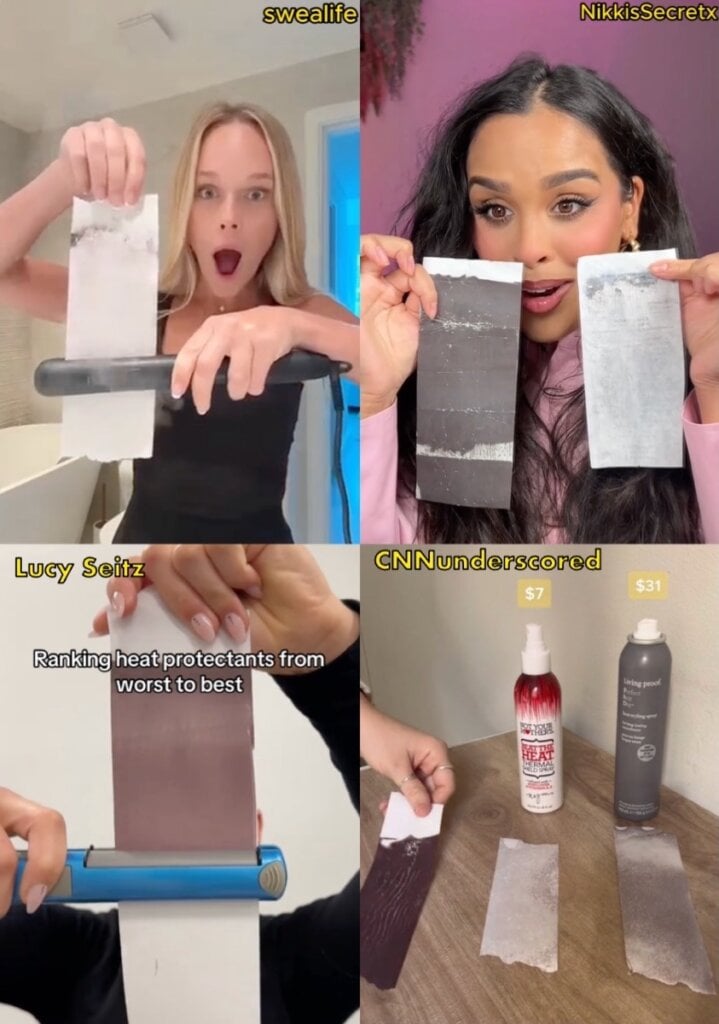
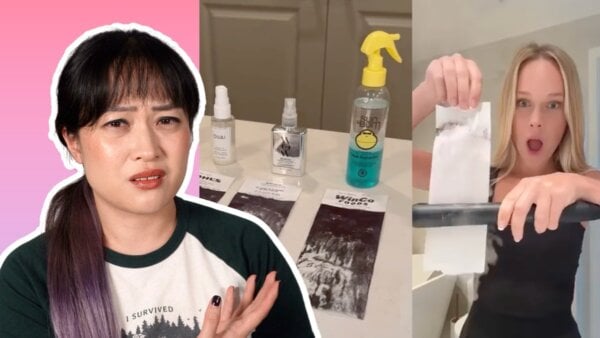
A widely circulating social media trend, primarily on platforms like TikTok, has prompted a rigorous scientific investigation into the efficacy of a DIY method for testing heat protectants. The test, which involves spraying a heat protectant onto a thermal paper receipt and then applying a flat iron hair straightener, posits that receipts remaining white indicate superior heat protection. However, a detailed analysis by Dr. Michelle Wong of Lab Muffin Beauty Science, published on September 9, 2025, conclusively reveals that this viral test is fundamentally flawed and provides no accurate insight into a product’s ability to protect human hair from thermal damage. The investigation underscores the critical difference between superficial visual effects and genuine scientific validation, highlighting the potential for widespread misinformation in the digital age.
The Rise of the Receipt Test: A Social Media Phenomenon
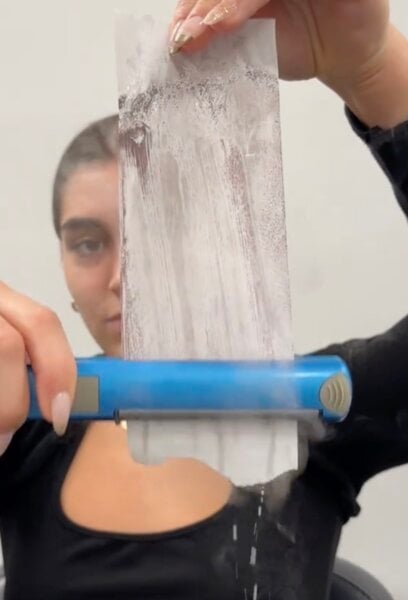
The "receipt test" gained considerable traction among beauty enthusiasts and consumers seeking quick, visual demonstrations of product effectiveness. In an era where online influencers heavily shape purchasing decisions, such seemingly straightforward experiments offer a compelling narrative. The appeal lies in its apparent logic: thermal receipts turn black when exposed to heat, much like hair can be damaged by excessive temperatures. Therefore, a product preventing the receipt from blackening was intuitively assumed to be a powerful heat shield. Cosmetologists and beauty creators, most notably Lucy Seitz on TikTok, systematically showcased these tests, often specifying straightener temperatures (e.g., 340°F or 170°C) and incorporating controls, lending an air of scientific credibility to the viral content. The visual simplicity and immediate results resonated with millions, driving a surge in consumers attempting the test at home and drawing conclusions about their heat protectants.
Initial Scientific Scrutiny: Replicating the Viral Method
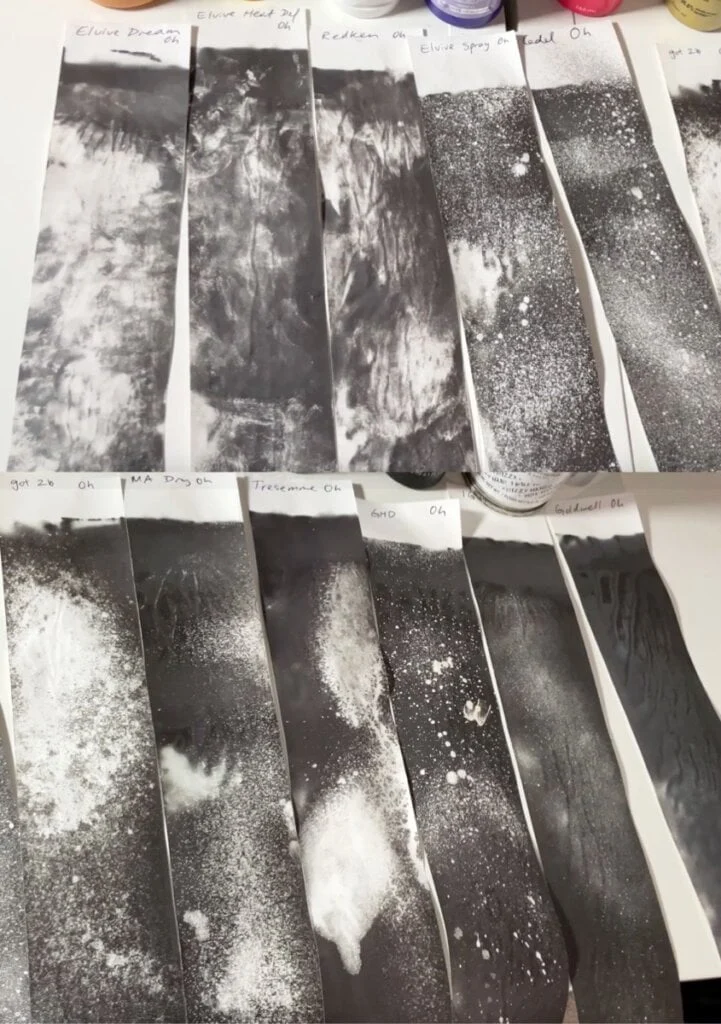
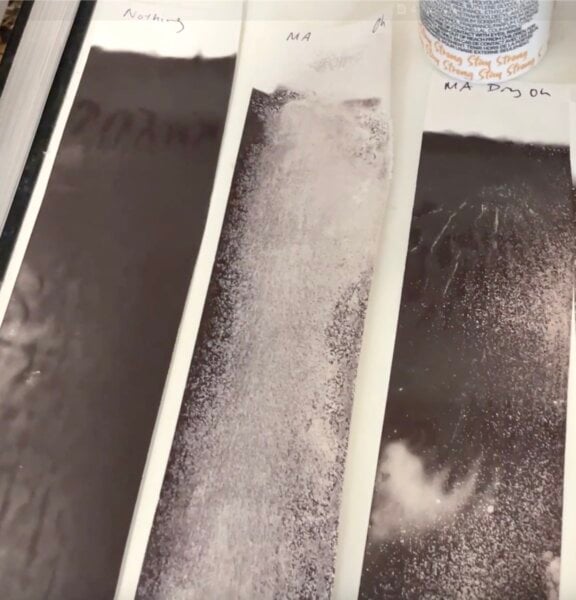
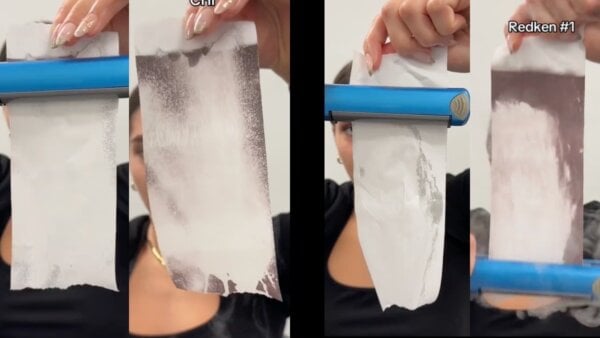
Dr. Wong initiated her investigation by attempting to replicate these viral tests. Her initial approach involved applying 11 different heat protectants—comprising 7 pump sprays, 1 propellant spray, and 3 cream products—to thermal receipts. These products represented a range of formulations, chosen to identify any potential patterns in their interactions with thermal paper. A key observation from Lucy Seitz’s videos was the apparent wetness of the receipts during testing. When Dr. Wong first applied the Marc Anthony spray, the immediate application of a 170°C straightener resulted in crackling and smoking, signaling a significant interaction with residual moisture.
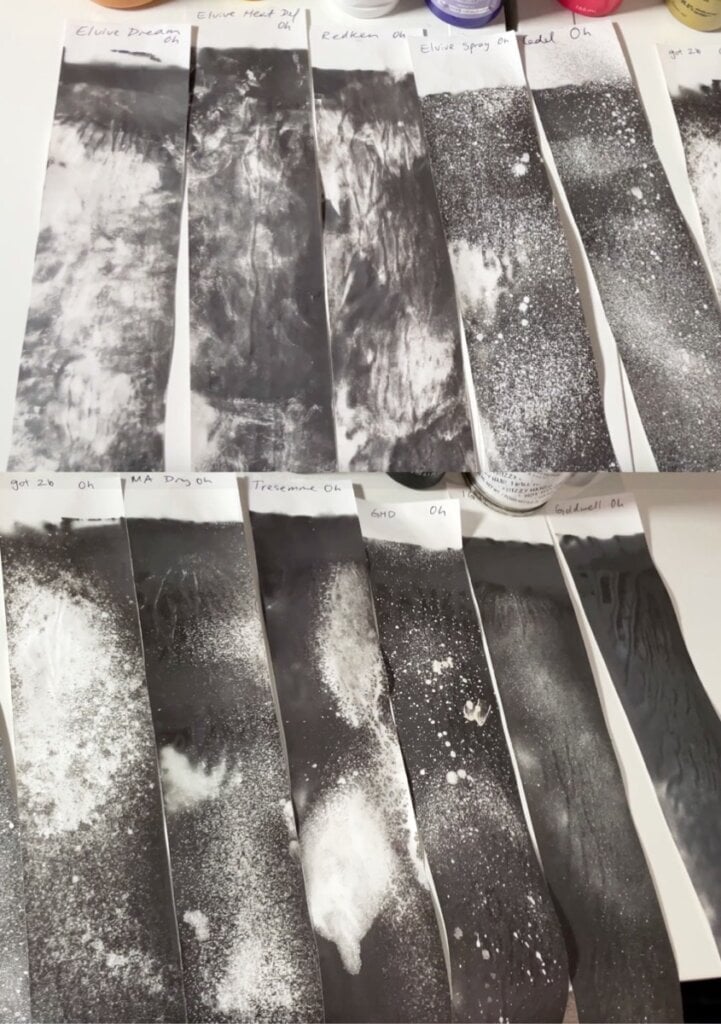
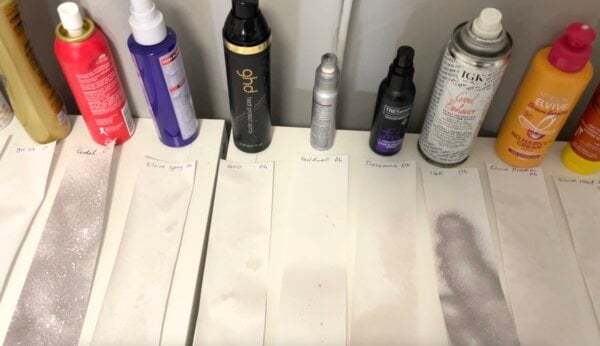
Recognizing the potential impact of water, Dr. Wong modified her initial tests. Products were applied to receipts and allowed to dry for approximately 15 minutes, the time it took to apply all products. The results from this initial drying period revealed a stark difference compared to immediate application. Receipts treated with creams, generally applied more thickly, appeared significantly lighter than sprays. This observation hinted at a buffering effect, where a thicker layer of product, potentially containing more moisture, could insulate the receipt from the heat. Conversely, two sprays, Goldwell and IGK, which contained water lower on their ingredient lists (implying a higher concentration of other solvents or less water), resulted in the darkest receipts. This suggested that products with less water or slower-evaporating components might offer less immediate cooling.
The Role of Water: A Misleading Cooling Effect
The initial findings strongly suggested that residual water played a crucial role. Water possesses a high specific heat capacity and latent heat of vaporization, making it an excellent cooling agent. If a product, especially a spray, left a significant amount of water on the receipt, the flat iron’s heat would first be absorbed to evaporate this water before the thermal paper itself reached its activation temperature. This "cooling effect" could create the illusion of heat protection.
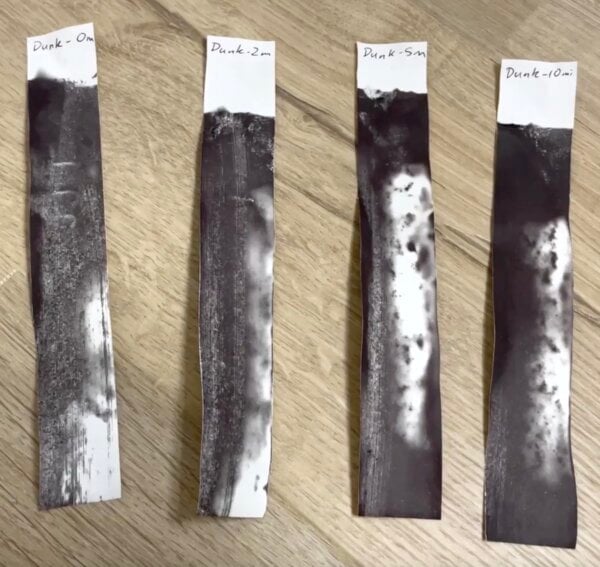
To rigorously test this hypothesis, Dr. Wong conducted dedicated "water tests." Receipts were either dunked in water or sprayed with it, then subjected to a 170°C straightener immediately, or after 2, 5, or 10 minutes of drying. The dunked receipts remained largely white across all drying times, with the "0 minutes" test surprisingly appearing slightly less white, possibly due to insufficient water absorption into the paper’s core at that instant. For the sprayed receipts, the effect was more transient: white bits appeared immediately, turned grey by 2 minutes, and became entirely black by 5 minutes. This confirmed that water does make a difference, with longer drying times leading to darker receipts as the cooling effect diminished.
While water undeniably provides a cooling buffer, this mechanism is detrimental to hair. When water-laden hair is subjected to high heat, the rapid, explosive evaporation of water within the hair shaft can lead to structural damage, often manifesting as "bubble hair" – microscopic bubbles forming within the cortex. Therefore, a "heat protectant" that "works" solely by keeping hair wet is counterproductive and harmful. Furthermore, the primary function of a true heat protectant is not merely to block heat, but to distribute it evenly and reduce mechanical damage from styling tools, allowing for effective styling at lower, safer temperatures.
Unveiling Thermal Paper’s True Nature: A Pivotal Discovery
A critical turning point in the investigation came from an unexpected discovery about the true nature of thermal paper. Initially, Dr. Wong, like many consumers, had relied on common search results suggesting thermal paper changed color at temperatures similar to hair straighteners (150-185°C). However, a deeper dive into scientific literature, particularly a German Wikipedia article referencing a specialized paper, revealed the actual melting point of thermal paper’s active components to be between 40 to 80°C. Further investigation revealed that thermal paper generally begins to develop color between 60 to 100°C (140-212°F) and achieves full density between 70 and 120°C (158-248°F).
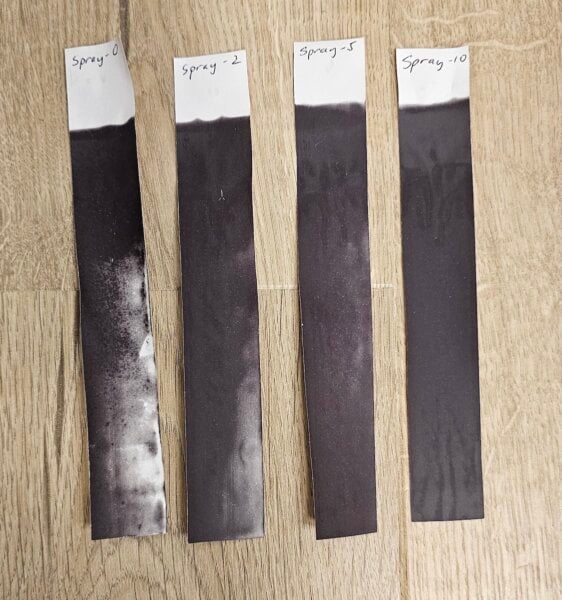
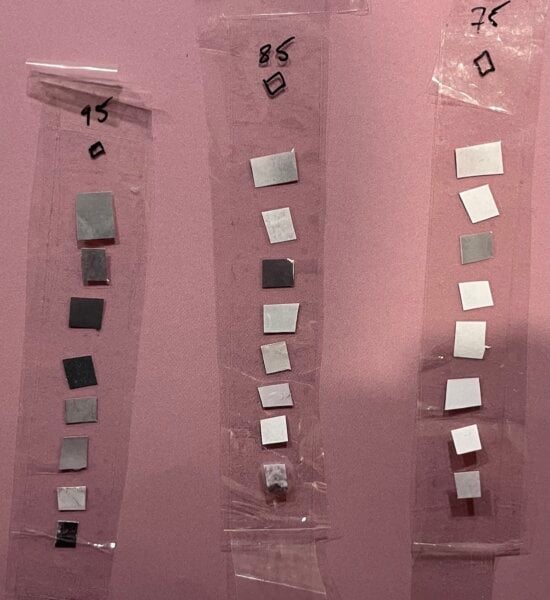
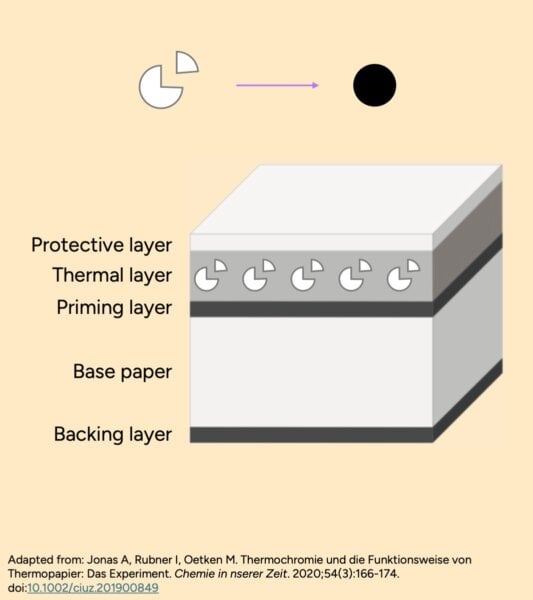
This discrepancy was significant. If receipts reacted at the lower end of this revised range (e.g., 50°C), the test would be entirely invalid, as hair typically sustains damage only above 100°C. To verify this, Dr. Wong conducted "receipt temperature tests" by immersing various thermal receipt samples into cooling boiling water. After grappling with methodological challenges (paper falling off tape, adhesive interference), she found that most receipts consistently turned black around 95°C. While this temperature aligns more closely with the threshold for hair damage, the underlying mechanism for the color change remained distinct from how hair responds to heat. The revelation about thermal paper’s chemical composition and reaction mechanisms was crucial for understanding the test’s true limitations. Thermal paper contains a leuco dye and a developer, embedded in a matrix. Heat melts this matrix, allowing the dye and developer to mix and produce a visible color. This is a chemical reaction, not a direct measure of heat absorption or transfer relevant to hair keratin.
Day 2 Results and Emerging Anomalies
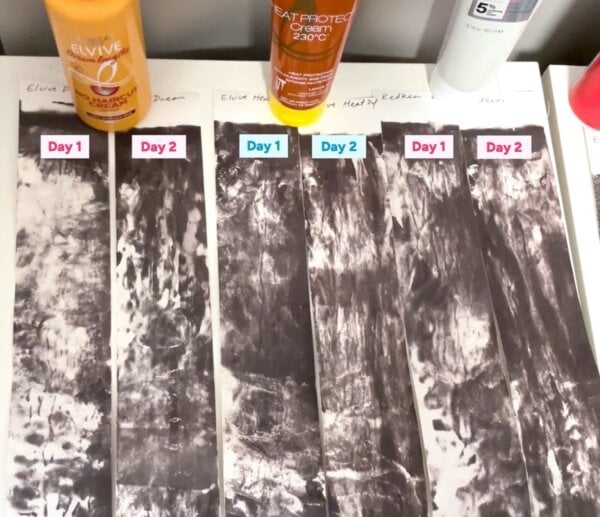
The investigation continued with a second set of receipts that had been prepared on Day 1 but tested 24 hours later, ensuring they were thoroughly dry. The initial expectation was that these receipts, devoid of residual water, would all turn significantly darker. However, the results were surprising: many products still kept the receipts remarkably light, defying the simple "water-cooling" explanation.
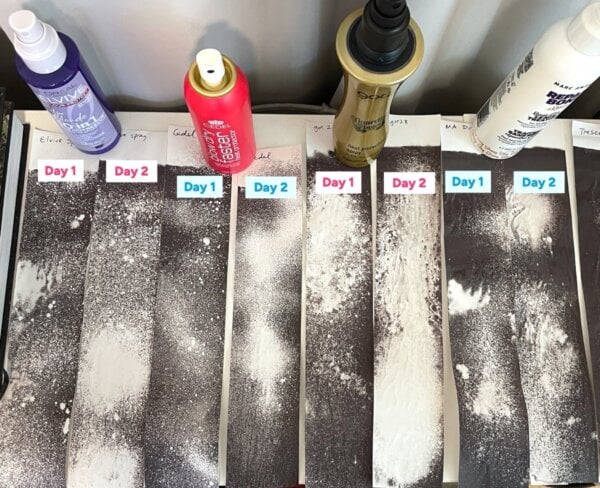
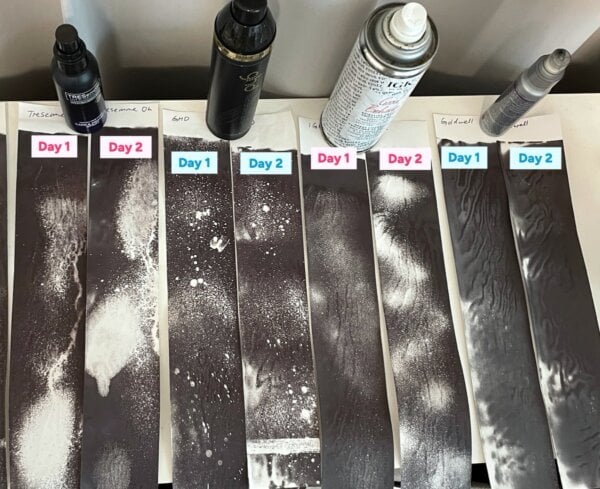
This observation, coupled with "Weird Observation 1" from Day 1 (some receipts turning grey immediately after spraying, before heating), suggested a more complex interaction. Dr. Wong meticulously re-examined Lucy Seitz’s videos and noticed subtle grey areas on some receipts, aligning with where they later remained white after heating. This led to a crucial insight: the products were not merely insulating against heat; they were chemically interacting with the thermal ink itself. The grey coloration and subsequent lack of blackening indicated that the ink layer was being disrupted or dissolved.
The New Hypothesis: Chemical Dissolution of Thermal Ink
Based on these accumulating anomalies, Dr. Wong formulated a new hypothesis: Heat protectants that "work" in this test are dissolving the ink layer on the receipt. Thermal paper ink is designed to react to heat by melting a solvent-like substance, allowing colorless dye precursors to mix and form visible black ink. This ink layer is delicate, and certain solvents can interfere with this process.
Dr. Wong noted that the sprays causing immediate greying contained high amounts of alcohol. Alcohol is a powerful solvent, capable of dissolving oily substances more effectively than water. She proposed that the alcohol (or other solvents) in the heat protectant was dissolving the ink layer. A small amount of dissolution might cause a faint grey color (partial reaction), but a more thorough dissolution could prevent the dye and developer from mixing correctly, thus keeping the receipt white even when heated. This also explained "Weird Observation 2," where some spray products appeared even lighter on Day 2: the solvents continued to disrupt the ink layer over a longer drying period.

Confirmatory Experiments: Testing the Solvent Theory
To validate the chemical dissolution hypothesis, Dr. Wong conducted a series of confirmatory tests using substances known for their solvent properties, which were definitely not intended to form a protective layer on hair:
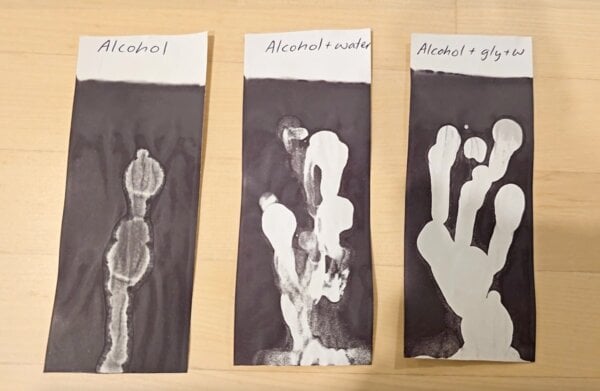
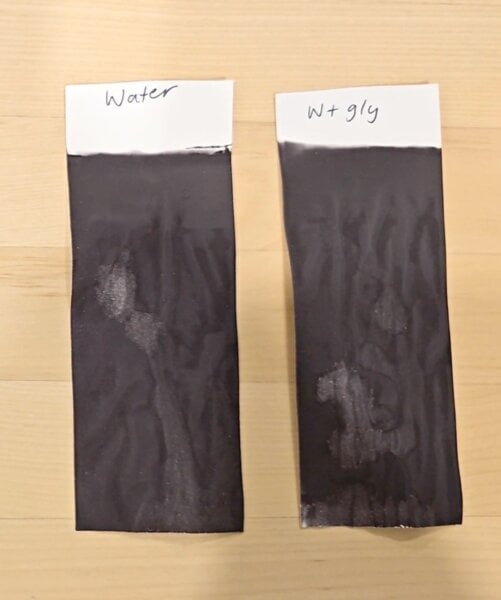
- Alcohol, Water, Glycerin: Drops of pure methylated spirits (alcohol), alcohol mixed with water, and alcohol with water and glycerin were applied to receipts and heated after 30 minutes of drying. All kept the receipts light. Diluted alcohol produced a whiter result than pure alcohol, suggesting that water and glycerin, by hydrogen bonding with alcohol, slowed its evaporation, allowing more time for the solvent to disrupt the ink layer. Pure water and water with glycerin, being less effective solvents for the oily ink components, did not significantly disturb the ink.
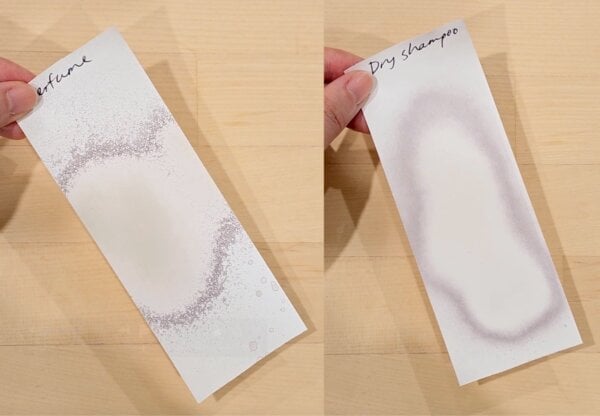
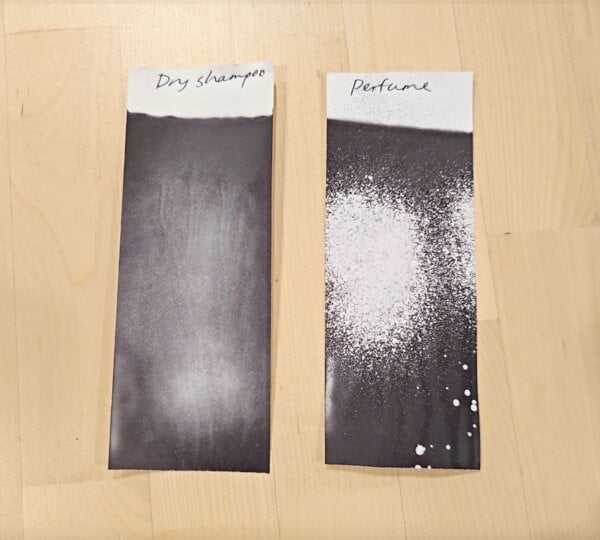
- Other Alcohol-Containing Products: Perfume, which is high in alcohol, immediately turned receipts grey and kept them white after heating. Dry shampoo also caused immediate greying, but the receipts didn’t stay as white after heating, likely because dry shampoos contain fewer humectants, allowing the alcohol to evaporate too quickly for sustained ink dissolution.
- Surfactants: Many heat protectants that "worked" in the viral test did not contain alcohol but did contain surfactants. Surfactants are cleaning agents that excel at dissolving oily substances. Micellar water and water with detergent, both rich in surfactants, kept receipts white when tested approximately 30 minutes after application. This effect extended to other beauty products containing emulsifying surfactants, such as CeraVe Moisturising Cream and Laneige Cream Skin, both of which kept receipts white. Sunscreens, often formulated with both alcohol and surfactants, similarly kept receipts white. This explained why some non-alcohol sprays or creams could also "pass" the test.
- Volatile Silicones: The top silicone layer of a two-phase eye makeup remover (mostly cyclopentasiloxane) had minimal impact on the receipt. This is likely because silicones are too oily to effectively dissolve the ink layer and evaporate too quickly, explaining why some silicone-based heat protectants might "fail" the receipt test despite being effective on hair.
- Propellant: Dr. Wong also investigated if propellants like HFC-152a, found in some high-performing products in Lucy Seitz’s tests, had an effect. Testing with compressed air (primarily propellant) showed no effect on the receipts.
- Erasing Existing Ink: As a final confirmation, Dr. Wong tested whether the same solvent-containing substances could erase already blackened thermal ink. Alcohol, perfume, sunscreen, micellar water, and moisturizer largely succeeded in fading or erasing the dark ink, further supporting the hypothesis that these chemicals dissolve or disrupt the thermal ink layer.
Industry Standards vs. DIY Methods: The Importance of Rigor
The comprehensive investigation unequivocally concludes that the viral thermal receipt test is a misleading indicator of heat protectant efficacy. It primarily demonstrates which products contain solvents (alcohols, surfactants) capable of chemically interacting with the thermal ink, or which contain enough water to provide a temporary, harmful cooling effect. Neither mechanism reflects how heat protectants function on human hair.
Genuine heat protectants work by mechanisms entirely different from those observed in the receipt test. They contain ingredients like silicones, polymers, and hydrolyzed proteins that form a protective barrier on the hair shaft. This barrier helps to:
- Distribute heat more evenly: Preventing "hot spots" that can cause localized damage.
- Reduce friction: Allowing styling tools to glide smoothly over hair, minimizing mechanical damage like breakage and snagging.
- Slow down heat transfer: While not blocking heat entirely, they can reduce the rate at which heat penetrates the hair, allowing for styling with less exposure time to extreme temperatures.
- Strengthen hair: Some ingredients can temporarily fortify the hair structure, making it more resilient to thermal stress.
As demonstrated by brands like Amika, proper heat protectant testing involves sophisticated instrumental methods on actual hair samples. This can include tensile strength tests, measuring protein loss, evaluating hair surface morphology under electron microscopes, or using specialized machines that simulate repeated styling with hot tools, like a "hamster wheel" device that combs treated hair repeatedly. These methods provide quantifiable, relevant data on damage reduction, unlike the subjective visual outcome of a receipt test.
Implications for Consumers and Digital Literacy
The debunking of the viral heat protectant receipt test carries significant implications for consumer education and digital literacy. In an online landscape saturated with unverified information, consumers are increasingly susceptible to quick-fix "hacks" that lack scientific basis. Relying on such tests can lead to:
- Misguided product choices: Consumers may select products that "pass" the receipt test but offer no real protection for their hair, potentially leading to long-term damage.
- Erosion of trust: When scientifically sound products "fail" a popular but flawed test, consumer trust in reputable brands and scientific claims can be undermined.
- Spread of misinformation: Viral content, regardless of its accuracy, spreads rapidly, making it challenging for factual information to gain equal traction.
To make informed decisions about heat protectants, consumers should prioritize information from credible sources. Look for products that provide specific claims on their packaging, such as protection up to a certain temperature, results from "instrumental tests," or comparisons to non-conditioning shampoos. Furthermore, understanding key ingredients—like silicones (e.g., dimethicone, cyclopentasiloxane), polymers (e.g., polyquaternium-11), and hydrolyzed proteins (e.g., hydrolyzed wheat protein)—can help identify formulations designed for heat protection. Crucially, if a heat protectant contains water, always allow hair to dry thoroughly before using hot styling tools to avoid the detrimental "bubble hair" effect.
In conclusion, while the viral heat protectant receipt test offered a superficially appealing and accessible method for evaluating products, Dr. Michelle Wong’s meticulous investigation has revealed its fundamental flaws. The test primarily reflects the chemical interaction of product ingredients with thermal paper’s ink layer and the transient cooling effect of residual water, rather than actual hair protection. This serves as a vital reminder for consumers to approach social media "science" with a critical eye and to seek out evidence-based information when making beauty product choices.
