
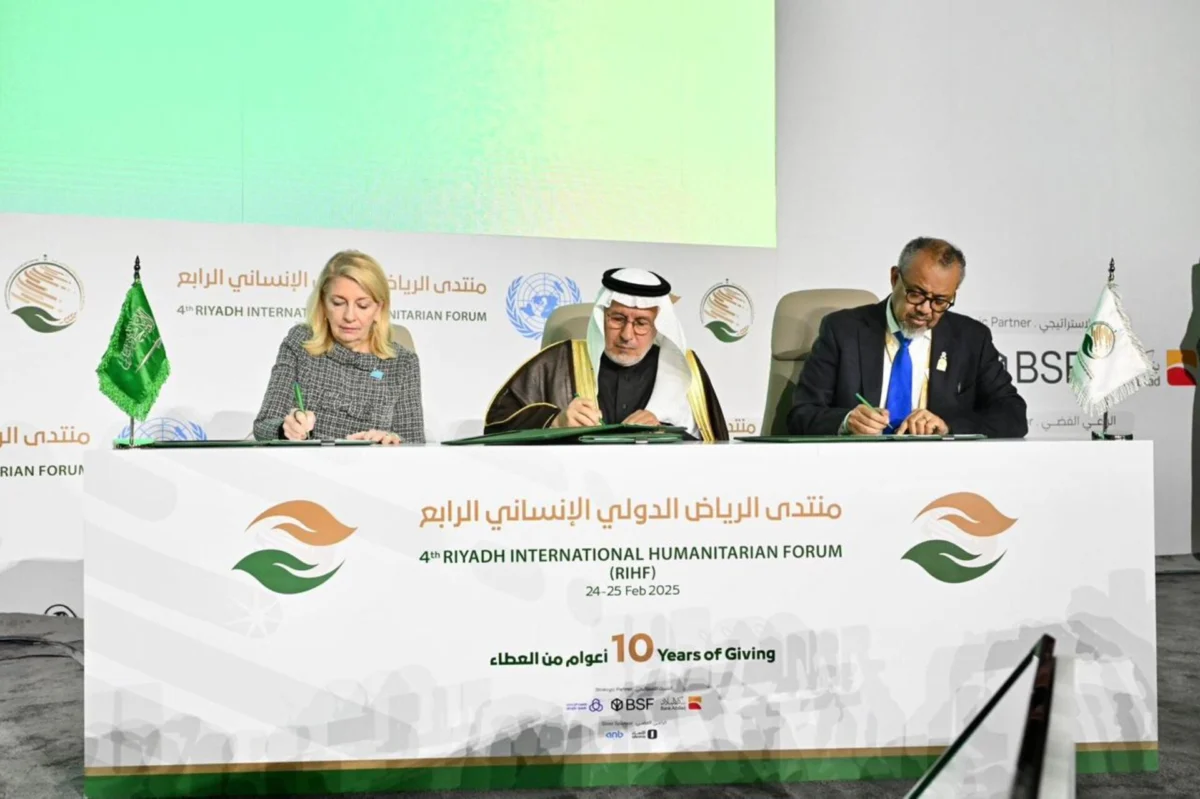
The Riyadh International Humanitarian Forum, held from February 24–25, 2025, served as a pivotal convergence point for global leaders, humanitarian agencies, and policy experts. As the world faces an unprecedented intersection of climate-induced displacement, geopolitical conflict, and the resurgence of preventable infectious diseases, the forum provided a platform to codify new strategies for health diplomacy. Marking the 10th anniversary of the King Salman Humanitarian Aid and Relief Centre (KSRelief), the event facilitated the signing of landmark agreements between the World Health Organization (WHO) and Saudi Arabian authorities, injecting critical funding into the most vulnerable regions of the Middle East and beyond.
A Decade of Humanitarian Leadership
Established in 2015, KSRelief has rapidly evolved from a regional aid provider into a central pillar of international humanitarian response. Over the past decade, the organization has navigated the complexities of Yemen’s protracted conflict, the Syrian refugee crisis, and the ongoing instability in Sudan. The 2025 forum was designed not merely as a commemorative milestone, but as a strategic session to evaluate the efficacy of health interventions in high-risk zones.
The forum’s core thematic pillars—advocacy for the survival of crisis-affected populations, the protection of frontline aid workers, and the strengthening of resilient health systems—reflect the shifting paradigm of modern humanitarianism. As security risks for aid workers reach record highs globally, the Riyadh forum emphasized that the delivery of life-saving medicine is contingent upon the safe, unimpeded access of humanitarian personnel to conflict-stricken areas.
Chronology of Strategic Funding Agreements
The forum’s agenda was defined by a series of high-stakes financial agreements aimed at mitigating immediate health threats. The proceedings unfolded as follows:
- February 24, 2025: Opening plenary sessions addressed the systemic challenges of health service delivery in conflict zones. KSRelief and WHO officials initiated discussions on the deteriorating health infrastructure in Yemen.
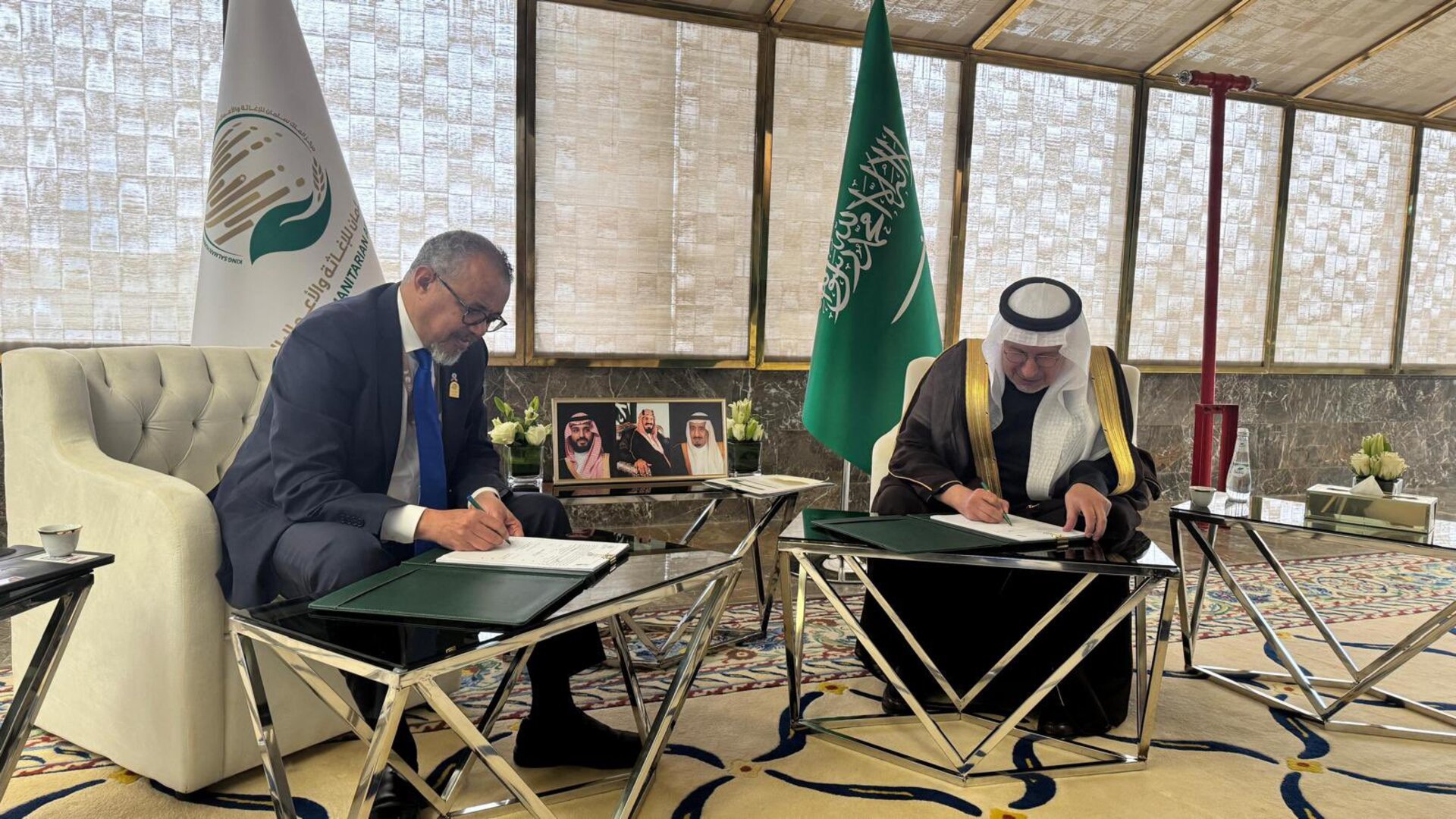
- February 25, 2025 (Morning): Formal signing of the Yemen health packages. These included US$ 12 million earmarked for aggressive malaria control programs and US$ 2.1 million dedicated to cholera suppression. These funds are designed to bolster local clinics that have been struggling with supply chain disruptions.
- February 25, 2025 (Midday): Agreement finalized for a US$ 3.6 million grant to the WHO Egypt Country Office. This funding addresses the specific medical needs of Sudanese refugees currently seeking safety in Egypt, with a primary focus on dialysis and chronic disease management.
- February 25, 2025 (Afternoon): The forum reached its apex with the official confirmation of the US$ 500 million pledge to the Global Polio Eradication Initiative (GPEI). This reaffirmed a commitment first voiced in April 2024, now formalized through binding trilateral agreements between KSRelief, WHO, and UNICEF.
The Global Polio Eradication Initiative: A Massive Injection of Capital
The US$ 500 million allocation to the GPEI stands as one of the most significant single-donor contributions in the history of the polio eradication movement. The funds are split into a US$ 300 million investment for WHO and a US$ 200 million investment for UNICEF.

The timing of this injection is critical. After years of progress, the world has witnessed a resurgence of polio in conflict-affected regions, including the borders of Afghanistan and Pakistan, as well as the densely populated, war-torn environments of Gaza. The funding is targeted to support the vaccination of 370 million children annually. By leveraging the logistical reach of UNICEF and the technical expertise of WHO, the partnership aims to close immunity gaps that have allowed the wild poliovirus to circulate despite the global community’s best efforts.
Contextualizing Health Crises in the Middle East
The urgency behind the funding for Yemen and Sudan cannot be overstated. Yemen, which has endured years of civil war, continues to battle seasonal outbreaks of cholera, a waterborne disease that thrives in the absence of functional sanitation infrastructure. Malaria, too, remains a significant threat, exacerbated by the breakdown of vector control programs.
In the case of Sudan, the ongoing conflict has displaced millions, many of whom have crossed international borders into Egypt. The strain on host countries to provide specialized medical care—such as dialysis for patients with end-stage renal disease—has created an urgent need for external assistance. The US$ 3.6 million agreement signed during the forum represents a targeted attempt to prevent a secondary health catastrophe among the displaced Sudanese population.
Institutional Reactions and Official Perspectives
The agreements were met with broad approval from the international community. Dr. Tedros Adhanom Ghebreyesus, Director-General of the WHO, noted that the collaboration with KSRelief represents a "model of effective health diplomacy." He emphasized that the partnership is not merely about financial transfers but about the technical integration of resources into fragile health systems.
Dr. Abdullah Al Rabeeah, Supervisor-General of KSRelief, reiterated the Kingdom’s stance during his closing remarks. He underscored that the humanitarian commitments made in Riyadh are a direct reflection of Saudi Arabia’s strategic foreign policy, which prioritizes health security as a prerequisite for regional stability. The sentiment was echoed by UNICEF Executive Director Catherine Russell, who highlighted that the GPEI funding will provide the necessary "last mile" reach to ensure that even the most isolated children are protected against preventable disease.
Analysis: Implications for Global Humanitarianism
The Riyadh International Humanitarian Forum 2025 highlights a broader shift toward "localized humanitarianism." By funding regional WHO and UNICEF offices directly, KSRelief is empowering local health entities to act as the first responders to outbreaks. This approach is widely considered to be more sustainable than traditional, top-down aid models that often rely on heavy international presence.
However, the effectiveness of these investments will depend on the ground-level security environment. The polio eradication efforts in Gaza, for instance, remain subject to the volatility of the ongoing conflict. Analysts suggest that while the financial backing is robust, the ultimate success of these programs rests on the ability of international organizations to negotiate "days of tranquility" or humanitarian corridors, allowing vaccination teams to operate without the threat of military engagement.
Furthermore, the focus on dialysis and cholera treatment signals a growing realization that humanitarian aid must evolve to address the "chronic phase" of modern conflicts. Wars are no longer short-term emergencies; they are long-term displacements. Consequently, the shift toward funding dialysis units and infectious disease prevention programs demonstrates an understanding that displaced populations require long-term care rather than just temporary relief.
Conclusion and Future Outlook
The Riyadh International Humanitarian Forum has set a high benchmark for philanthropic and state-led humanitarian action in 2025. By bridging the gap between high-level diplomacy and ground-level medical necessity, the forum has provided a roadmap for how international partners can collaborate to address the world’s most intractable health crises.
As KSRelief moves into its second decade, the focus is likely to remain on these high-impact interventions. The success of the polio initiative, the containment of cholera in Yemen, and the provision of care for Sudanese refugees will serve as the primary metrics for the effectiveness of the agreements signed in Riyadh. The international community will be watching closely to see how these funds are translated into tangible health outcomes, potentially setting a precedent for future donor-agency partnerships in an increasingly fragmented global landscape. The forum’s legacy, therefore, will be defined by the resilience of the health systems it has chosen to fortify during this period of global instability.
