
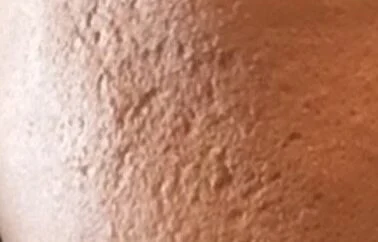
A Canadian lawyer, whose identity remains protected to preserve her privacy, has offered a candid and poignant account of living with severe acne scarring, revealing the profound and multifaceted impact it has had on her daily existence and emotional landscape. Her testimony underscores a significant public health issue that extends far beyond cosmetic concerns, touching upon mental health, social integration, and the pervasive influence of societal beauty standards. "Every day is a struggle, and the emotional wounds feel just as raw as the physical ones," shares the 40-year-old South Asian woman, articulating a sentiment often echoed by individuals grappling with chronic skin conditions. Her experience serves as a powerful reminder that while "accept yourself, love yourself" are frequently offered platitudes, the reality of carrying visible, persistent scars, particularly on the face, can impose an immense psychological burden that is difficult for many to comprehend.
The narrative provided by the anonymous lawyer paints a vivid picture of a life significantly altered by her dermatological condition. She describes how the "weight becomes very heavy" when scars are visibly present on one’s face, leading to profound social withdrawal. "To date, there are days when I won’t go out in public," she states, highlighting how factors like specific lighting angles and makeup applications can accentuate the deep scarring, uneven texture, and years of damage to her skin. As she ages, the natural loss of skin elasticity exacerbates the appearance of the scars, further contributing to her distress. This leads her to "limit social media and in-person socialization to the extent that I can," a stark illustration of the condition’s isolating effects. Her concern extends to younger generations, recognizing the immense pressure they face in a world saturated with "unrealistic beauty expectations," making the prospect of lifelong scarring an even harder reality to accept.
The Traumatic Onset and Relentless Progression
The lawyer’s journey with acne began around the age of 20, coinciding with her university years. However, the condition escalated dramatically in her early 30s, transforming into a severe, aggressive form that swiftly led to significant scarring and hyperpigmentation. "The progression of my acne was swift and relentless," she recounts, detailing how her face became "covered in painful, cystic acne" within a matter of months. This particular aspect of her experience highlights a critical dermatological fact: the severity and type of acne, especially cystic acne, are strong predictors of subsequent scarring. Cystic acne involves deep, inflamed lesions that can destroy skin tissue and collagen, leading to depressed (atrophic) scars like ice pick, boxcar, and rolling scars, or, less commonly, raised (hypertrophic or keloidal) scars.

Adding another layer of complexity to her condition was her ethnic background. As a person of color, she faced a higher inherent risk for post-inflammatory hyperpigmentation (PIH), which manifested as significant dark spots alongside her active acne. This concurrent issue not only complicated her overall skin condition but also narrowed her available treatment options, as many conventional acne treatments can sometimes exacerbate hyperpigmentation or are not suitable for all skin tones. The combination of cystic acne and severe hyperpigmentation proved to be "deeply traumatic and emotionally devastating." She vividly recalls the emotional toll of seeing her "once-clear skin covered in large, dark and pus-filled hills," leading to feelings of helplessness and a shattered sense of confidence. The physical pain associated with cystic lesions, coupled with the visual distress of her reflection, made her "extremely sensitive both emotionally and physically," resulting in avoidance of mirrors and a pervasive fear of social judgment.
The Intersectional Burden: Cultural Insensitivity and Skin of Color
The lawyer’s South Asian cultural background introduced an additional, painful dimension to her struggle. She describes how "insensitive comments about skin conditions are unfortunately common and something I experienced regularly which made the experience even more isolating." These "often cruel and unsolicited comments" were "thrown my way with callous disregard to my situation," underscoring a broader societal issue of lack of empathy and understanding towards visible differences, particularly within certain cultural contexts where skin perfection is highly valued. This cultural specificity adds an intersectional layer to her suffering, highlighting how race, ethnicity, and cultural norms can profoundly influence the experience of a medical condition.
Dermatological experts often emphasize that individuals with skin of color face unique challenges related to acne and its sequelae. Beyond the increased propensity for hyperpigmentation, some ethnic groups are also more prone to keloidal scarring, which involves an overgrowth of scar tissue that can be disfiguring and difficult to treat. These factors necessitate specialized knowledge and culturally competent care from healthcare providers. The lack of awareness or sensitivity among the general public, as experienced by the lawyer, further exacerbates the psychological burden, transforming a medical condition into a source of public shame and isolation.
The Pervasive Psychological and Social Toll of Acne Scarring
The lawyer’s testimony aligns with extensive medical literature documenting the severe psychological and social consequences of acne and, more acutely, acne scarring. While acne itself is a common inflammatory skin disease affecting up to 85% of adolescents and young adults, and persisting into adulthood for many, its scars represent a permanent physical reminder that can profoundly impact an individual’s quality of life long after the active lesions have subsided.
Research indicates that individuals with acne and acne scarring are at a significantly higher risk for various mental health issues, including depression, anxiety, social phobia, body dysmorphic disorder, and reduced self-esteem. Studies have shown that the psychological impact of acne scarring can be comparable to that of other chronic diseases such as arthritis or diabetes. The constant visibility of facial scars can lead to persistent feelings of self-consciousness, shame, and embarrassment. This often translates into social withdrawal, avoidance of eye contact, and reluctance to participate in activities that might draw attention to their face. For many, as described by the lawyer, this can mean limiting social interactions, both online and offline, and in extreme cases, becoming housebound.
The impact extends to various aspects of life, including academic performance, career prospects, and romantic relationships. Individuals may avoid job interviews, public speaking, or social gatherings, fearing judgment or discrimination based on their appearance. The pervasive influence of media-driven beauty ideals, which overwhelmingly promote flawless skin, further intensifies these feelings of inadequacy and "otherness." The lawyer’s observation about the "unrealistic beauty expectations we are surrounded by" for the younger generation is particularly pertinent, given the amplified pressure from social media platforms that often showcase filtered and idealized representations of skin.
Expert Perspectives on Acne and Scarring
Dermatologists and mental health professionals consistently highlight the need for a holistic approach to managing acne and its scarring. Dr. Maria Garcia, a dermatologist specializing in skin of color, emphasizes, "It is crucial for clinicians to recognize that acne and its scars are not merely cosmetic issues. They are chronic conditions with profound psychosocial implications, particularly for patients with diverse skin types who may experience more pronounced hyperpigmentation and unique scarring patterns. Early and aggressive treatment of active acne is the best defense against severe scarring, but once scars form, a multi-modal treatment strategy is often required."
Mental health experts further underscore the importance of addressing the emotional distress alongside physical treatments. Dr. David Chen, a clinical psychologist, notes, "Patients with significant facial scarring often benefit from psychological support, including cognitive-behavioral therapy (CBT), support groups, and counseling, to help them cope with body image issues, social anxiety, and depression. The emotional burden can be immense, and validating these feelings is a critical first step towards healing." Patient advocacy groups, such as Acne Action Canada (the implied source of the original story), play a vital role in raising awareness, combating stigma, and providing resources for individuals affected by acne and scarring. Their mission often involves promoting early intervention, advocating for access to effective treatments, and fostering a supportive community where individuals can share their experiences and find solidarity.
Treatment Landscape and Remaining Challenges
While advancements in dermatology have provided a range of treatment options for acne scars, complete eradication remains challenging, especially for severe cases. Available treatments include various types of lasers (ablative and non-ablative fractional lasers), microneedling, chemical peels, dermal fillers, subcision, and surgical excision. For hyperpigmentation, treatments like topical retinoids, hydroquinone, azelaic acid, and certain laser therapies are utilized. However, the effectiveness of these treatments can vary significantly depending on the type and depth of scarring, skin type, and individual response. Furthermore, many of these procedures are expensive, require multiple sessions, and may not be covered by public health insurance, creating significant access barriers for many patients.
The lawyer’s comment, "If there’s one thing I can say, it is that today there are many more resources available and do your research thoroughly," acknowledges the progress made but also subtly hints at the complexity and potential frustration in navigating these options. It often requires significant personal investment in terms of time, finances, and emotional resilience to pursue and undergo these treatments, often with no guarantee of complete satisfaction.
Broader Implications and a Call for Empathy

The candid account of this Canadian lawyer casts a critical light on several broader societal implications. Firstly, it highlights the need for greater public awareness and education regarding the true impact of dermatological conditions. Dismissing acne or its scars as merely "cosmetic" trivializes the profound suffering experienced by millions. Secondly, it calls for enhanced cultural sensitivity within healthcare and society at large. Understanding how cultural norms and biases can exacerbate the psychological burden of a visible condition is essential for providing compassionate and effective care.
Finally, and perhaps most powerfully, the lawyer’s concluding reflection offers a profound lesson in empathy. Despite her ongoing personal struggle, she has developed "deep compassion and empathy for people who have had injuries to their face and others who have suffered facial disfigurement." She articulates that if her "intense" feelings stem from pitted acne scars, her "heart, compassion and love go out to them even more to their extremely difficult challenges." This statement transcends her personal pain, transforming it into a conduit for a universal message of understanding and solidarity with all who face visible differences. It underscores that while the journey towards self-acceptance is intensely personal and often arduous, it can also cultivate a profound capacity for human connection and compassion, reminding us that true beauty lies not in flawless skin, but in the resilience of the human spirit and the empathy we extend to one another. Her story is not just an individual’s struggle; it is a call for a more understanding, inclusive, and compassionate society.
