
The Genesis of the Investment Round
The WHO Investment Round was formally inaugurated at the 77th World Health Assembly in May 2024. For decades, the organization has navigated a complex fiscal landscape characterized by a heavy reliance on voluntary contributions, which often come with strict mandates on how the funds must be utilized. This structural limitation has frequently hindered the WHO’s ability to respond fluidly to emerging health crises or to prioritize long-term, systemic health infrastructure over immediate, donor-driven agendas.
The Investment Round was conceptualized as a strategic remedy to this volatility. It aims to secure financing for the WHO’s core work over the next four-year budget cycle. By aggregating resources at the beginning of this cycle, the organization intends to empower its leadership to make strategic decisions without the constant pressure of periodic fundraising gaps. The initiative is built on three pillars: flexibility, which aligns funds with the approved General Programme of Work; predictability, ensuring resources are available early in the budget period; and resilience, by broadening the base of donors beyond the traditional donor nations.
A Chronology of Commitments
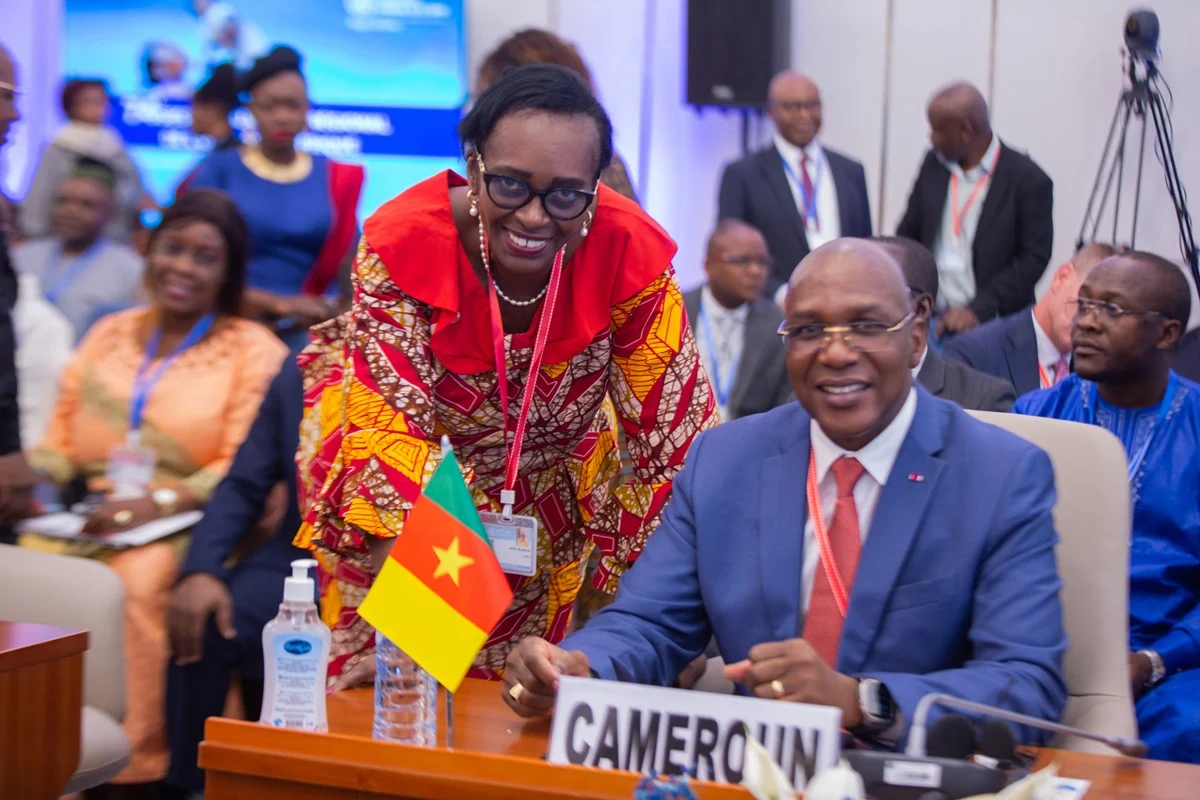
The momentum for the Investment Round has been building throughout the third quarter of 2024. Following the May launch, the WHO began a series of diplomatic engagements to socialize the necessity of the initiative. The Regional Committee for Africa meeting served as the first major regional milestone for the project.
The 14 nations that stepped forward—Botswana, Cabo Verde, Chad, Congo, Ethiopia, Gambia, Mauritius, Namibia, Niger, Rwanda, Senegal, Seychelles, South Africa, and the United Republic of Tanzania—signaled a departure from the historical narrative that Africa is solely a recipient of global health aid. By contributing to the fund, these nations have asserted their role as active stakeholders in the global health architecture.
Parallel to state contributions, the inclusion of organizations such as the Helmsley Charitable Trust, the World Diabetes Foundation, Roche, the Kuwait Fund for Arab Economic Development, the Bill & Melinda Gates Foundation, the African Development Bank, and the WHO Foundation demonstrates a cross-sectoral consensus. These partners have not only pledged immediate capital but have committed to further tranches of support, ensuring that the momentum generated in Africa persists as the Investment Round moves toward its global conclusion.
Financial Data and Strategic Necessity
The necessity for this capital injection is rooted in the widening gap between the WHO’s mandate and its available resources. According to recent financial audits, while the WHO’s budget has grown in response to global health threats, a significant portion of that growth has been tied to specific projects. This "earmarked" funding often leaves the organization’s core administrative and technical functions under-resourced.
The US$ 45 million raised in the African region represents a critical down payment on a much larger global target. The WHO requires multi-billion dollar support to effectively tackle the "Triple Billion" targets: ensuring one billion more people benefit from universal health coverage, one billion more are better protected from health emergencies, and one billion more enjoy better health and well-being.
The financial data underscores the urgency. With the global health landscape becoming increasingly volatile—marked by the resurgence of infectious diseases, the silent pandemic of non-communicable diseases, and the escalating health impacts of climate change—the cost of inaction far exceeds the cost of a robust, fully funded WHO. The current Investment Round is not merely a budgetary exercise; it is an attempt to insulate the organization from the geopolitical shifts that often threaten global health cooperation.
Perspectives from Global Health Leadership
Dr. Tedros Adhanom Ghebreyesus, the Director-General of the WHO, has consistently emphasized that the effectiveness of the organization is tethered to the quality of its funding. "I thank our African Region Member States for actively supporting WHO’s first Investment Round to mobilize predictable and flexible resources needed for our core work over the next four years," Dr. Tedros stated following the announcement. His remarks highlight the shift toward a "one-WHO" approach, where resources are utilized based on evidence-based health priorities rather than the specific interests of individual donor entities.
Dr. Matshidiso Moeti, the WHO Regional Director for Africa, provided context on why this support is specifically vital for the continent. "A strong, predictable and sustainably financed WHO is essential for our region and the world to meet the multiple health threats we face; and support the prevention of disease based on the vast evidence at our disposal," Dr. Moeti noted. Her focus on "prevention" highlights the strategic pivot toward strengthening health systems before crises occur, rather than relying on reactive measures after a public health emergency is declared.
Implications for the Global Health Architecture
The successful mobilization of funds in Africa serves as a bellwether for the international community. If the WHO can prove that its Investment Round is capable of gathering diverse, multi-national support, it could fundamentally restructure the relationship between the organization and its member states.
- Strategic Autonomy: Increased flexible funding allows the WHO to deploy experts and resources to neglected tropical diseases or emerging pathogens that may not be a priority for the largest bilateral donors.
- Standardization of Health Policy: With more secure financing, the WHO can more effectively set global standards for health, which are subsequently adopted by national governments, thereby creating a more cohesive global health response.
- Capacity Building: The contributions from African nations signal a growing commitment to "African solutions for African health challenges." This is a significant step toward achieving the African Union’s vision for a resilient and self-reliant health sector on the continent.
Analysis of Future Challenges
While the US$ 45 million pledge is a historic success, the WHO faces significant hurdles in the months ahead. The Investment Round is a long-term project that requires continuous political buy-in from G20 nations and other major economic powers. Critics of the initiative have previously argued that without rigorous accountability mechanisms, increased flexibility in funding could lead to concerns regarding the allocation of resources.
However, the WHO has countered these concerns by emphasizing the transparency of the Investment Round. All contributions are reported through a centralized platform, and the allocation of these funds is tied directly to the General Programme of Work, which is negotiated and approved by all 194 Member States.
Furthermore, the integration of private foundations and the private sector into the funding model introduces a new dynamic. While these partners bring essential capital and technical expertise, the WHO must balance these partnerships with its primary duty to serve public health interests, ensuring that no single donor or industry influences its regulatory or policy-setting functions.
The Path Forward
The Investment Round will continue its trajectory with key pledging moments scheduled across various regions in the coming months. The success of these upcoming events will be measured not just by the total volume of funds raised, but by the diversity of the donor pool. The goal is to reach a critical mass of funding that allows the WHO to transition from a cycle of crisis-led resource mobilization to a state of stable, programmatic implementation.
The commitment from the 14 African nations provides a strong foundation for this transition. By demonstrating that even in an era of constrained economic growth, the political will exists to prioritize collective health security, these countries have set a standard for the rest of the world. As the global health community looks toward the conclusion of the Investment Round, the focus will remain on whether this momentum can be sustained to ensure that the WHO remains a fit-for-purpose organization in an increasingly complex world.
For the international community, the lesson of this event is clear: the global health architecture is only as strong as its foundation. By investing in the WHO, nations are investing in their own resilience, creating a safety net that is essential for a future where health and well-being are, as Dr. Moeti suggested, accessible to all. The coming months will determine whether this promise of a sustainably financed, more effective WHO can be fully realized.
