
The humble work boot has undergone a profound metamorphosis over the past two decades, transitioning from a strictly utilitarian piece of industrial safety equipment to a cornerstone of modern men’s fashion. While once exclusively associated with heavy-duty labor, railroad construction, and the rigors of manual trades, the work boot now occupies a prominent place in the contemporary wardrobe. This shift reflects a broader consumer trend toward "heritage" goods—products defined by durability, honest materials, and a timeless aesthetic that resists the rapid cycles of fast fashion.
The current market for work boots is characterized by a dual focus: high-performance technical specifications for the job site and refined, heritage-inspired design for the urban environment. As we move into 2026, the industry is witnessing a synthesis of these two worlds, with brands leveraging century-old manufacturing techniques while integrating modern comfort technologies such as ergonomic footbeds and advanced, weather-resistant membranes.

A Brief History of the Industrial Boot
The genealogy of the modern work boot can be traced back to the late 19th and early 20th centuries, a period defined by massive infrastructure expansion. Companies like Red Wing, established in 1905, were instrumental in providing footwear for soldiers during World War I and for laborers building the American industrial landscape. During this era, the "moc-toe" (moccasin toe) design emerged as a standard, characterized by a U-shaped stitch across the toe box, which provided both structural integrity and comfort for long hours spent standing on concrete or uneven terrain.

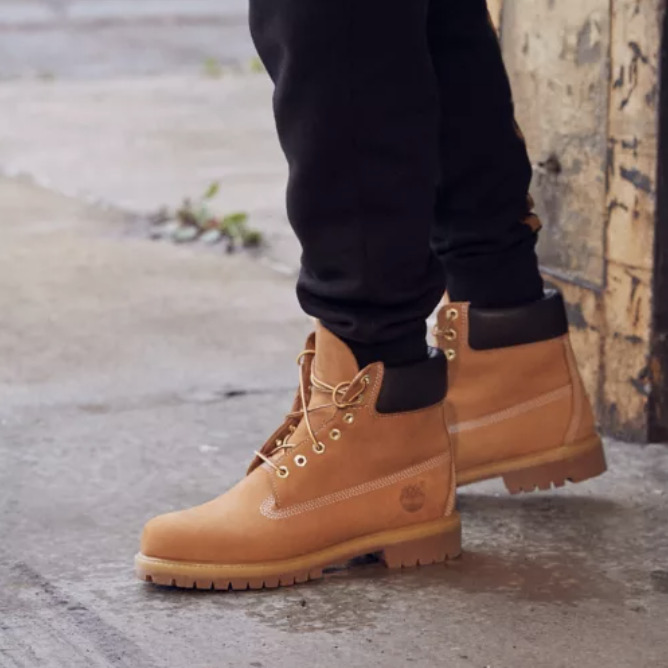
Following World War II, the work boot became synonymous with the American blue-collar ethos. However, the 1980s and 1990s marked a cultural turning point. As hip-hop culture began to influence mainstream fashion, iconic silhouettes—most notably the Timberland 6-inch waterproof boot—transcended their construction-site roots to become a status symbol in urban fashion. This cross-pollination of utility and style laid the groundwork for today’s market, where a pair of boots is as likely to be paired with raw denim as it is with heavy-duty work trousers.

Industry Leaders and Heritage Craftsmanship
The current market landscape is dominated by a mix of historic heritage brands and modern innovators. Each brings a specific philosophy to footwear construction:

Red Wing Shoes remains the gold standard for many consumers. The company’s commitment to Goodyear welt construction—a method where the upper, insole, and welt are stitched together—allows for the sole to be replaced repeatedly, effectively extending the lifespan of the boot for decades. Market data suggests that demand for "buy-it-for-life" footwear has increased by approximately 15% annually since 2020, as consumers shift toward more sustainable, long-term investments.

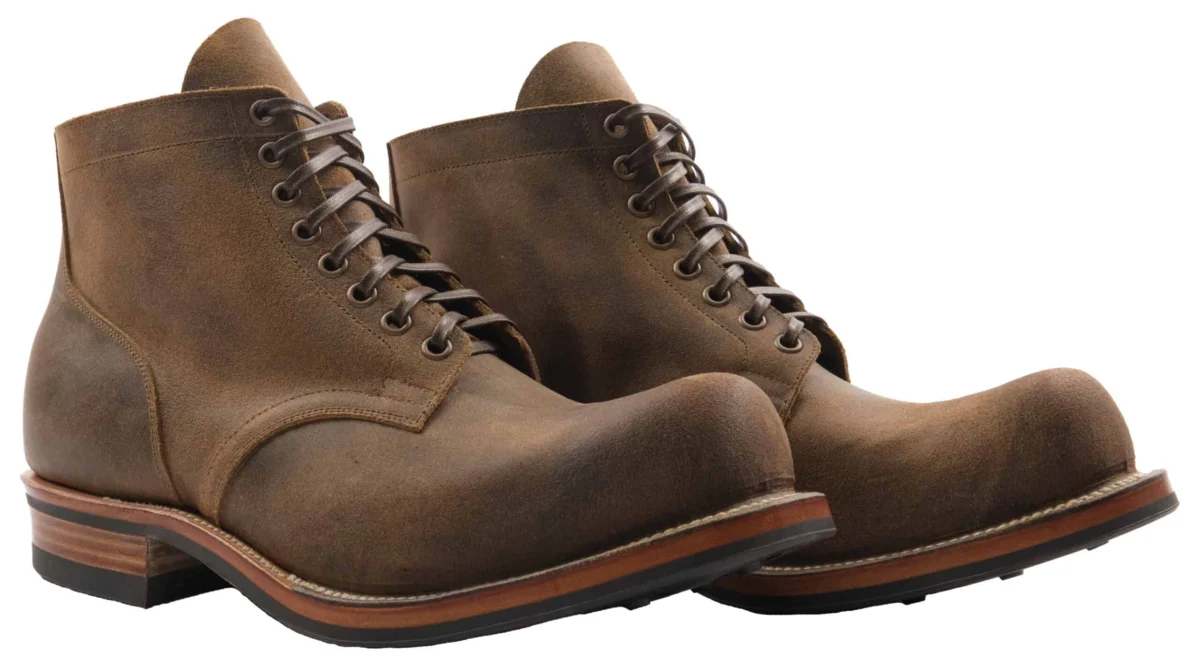
Viberg, a Canadian, family-owned institution, represents the upper tier of the market. Founded in 1931, the brand has maintained a rigorous production standard where each pair is inspected by the Viberg family. Their boots utilize premium leathers from world-renowned tanneries, such as Horween. For the modern consumer, Viberg represents the intersection of artisanal craftsmanship and industrial durability.

Thorogood provides an alternative focused heavily on the professional trades. Based in Milwaukee since 1855, the company utilizes a "job-fitted" approach. Their boots are often cited in occupational surveys as some of the most comfortable for long-term wear due to their inclusion of proprietary shock-absorption footbeds, which address the long-term orthopedic concerns of construction workers.

The Rise of Performance-Driven Fashion
Not all work boots are designed solely for manual labor; some occupy the space of "lifestyle workwear." Brands like Moncler have successfully bridged the gap between extreme outdoor utility and luxury fashion. By applying their technical expertise in insulation and weatherproofing—honed through their history in alpine apparel—to the work boot silhouette, they have created a niche for the high-end consumer who requires both performance and aesthetic pedigree.

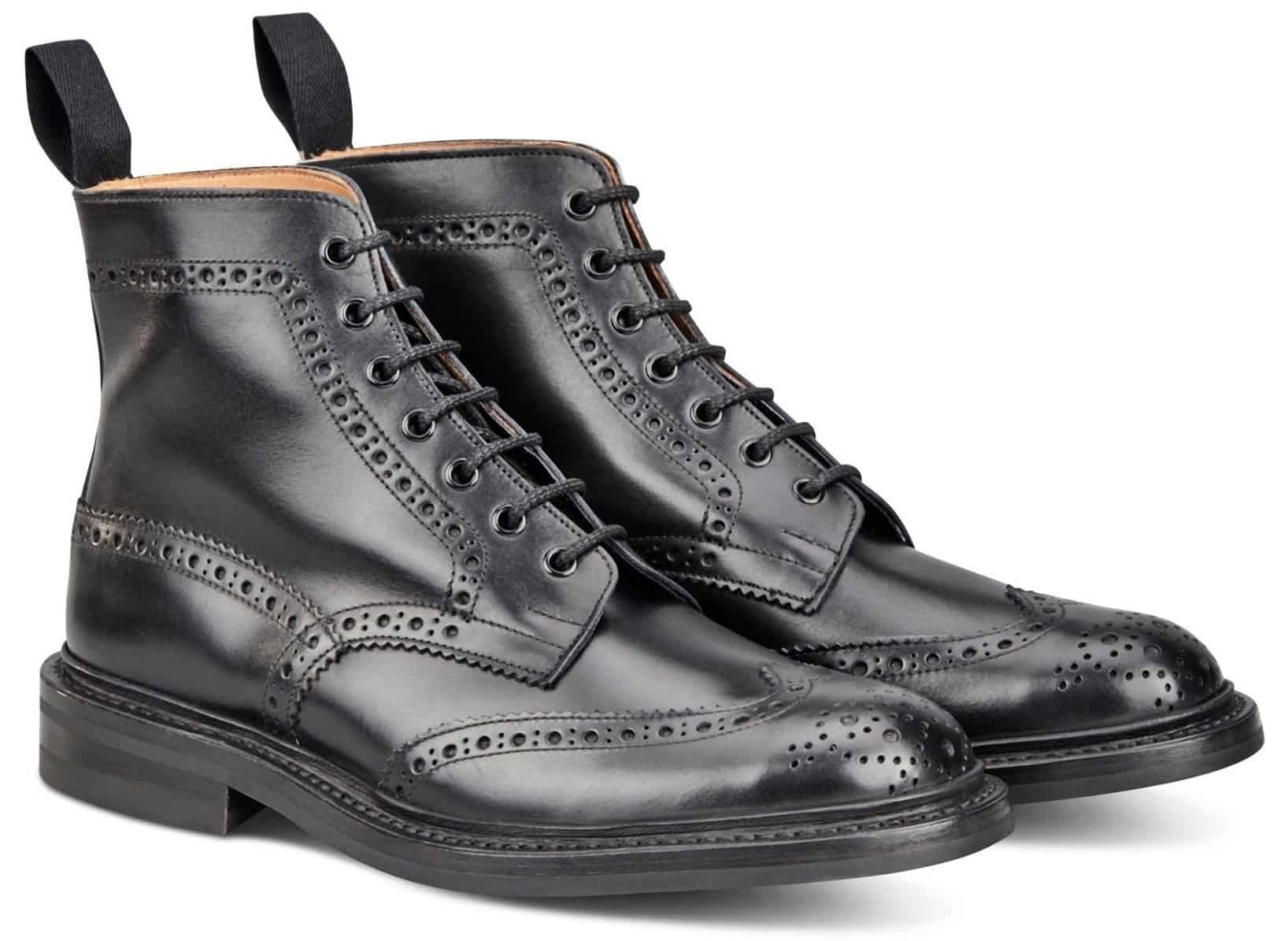
Similarly, Grenson offers a distinct British perspective. With roots dating back to 1866, the Northamptonshire-based manufacturer brings a level of shoemaking refinement that is rarely seen in the industrial sector. Their inclusion of "commando" soles provides the necessary traction and weather resistance for harsh climates, while the upper construction retains the elegance of a classic English derby shoe.

Navigating the Entry-Level and Mid-Market
For those entering the work boot market, accessibility remains a significant factor. ASOS and River Island have capitalized on this by offering "workwear-inspired" aesthetics at a fraction of the cost of heritage brands. While these boots may not offer the same longevity or reparability as a Goodyear-welted boot, they serve a vital function for the fashion-conscious consumer who wants the look without the high barrier to entry.
L.L. Bean continues to hold a unique position, particularly with their iconic "Bean Boot." By maintaining a lifetime guarantee on their products, the company has effectively mitigated the consumer’s risk, fostering intense brand loyalty. This policy is an outlier in the modern retail environment and serves as a powerful testament to the brand’s confidence in its manufacturing quality.

Maintenance and the Economics of Durability
The long-term value of a quality work boot is inextricably linked to its maintenance. Leather is a natural material that requires hydration to maintain its structural properties. Experts in the footwear industry emphasize that a failure to condition leather leads to cracking and permanent degradation.

A standard maintenance protocol for high-quality leather boots includes:

- Cleaning: Removing salt and grit with a soft brush to prevent abrasive damage.
- Conditioning: Applying leather oil or wax every two to four weeks to prevent the fibers from drying out.
- Protection: Utilizing a hydrophobic spray to create an invisible barrier against moisture, which is the primary enemy of stitched-sole footwear.
From an economic standpoint, the "cost per wear" of a $300–$500 pair of boots that lasts ten years is significantly lower than a $100 pair that must be replaced annually. This realization has been a primary driver in the recent surge of interest in heritage footwear.

Broader Implications and Future Trends
The resurgence of the work boot is part of a larger, systemic shift toward transparency in the supply chain. Today’s consumers are increasingly interested in the "provenance" of their goods—they want to know where the leather was sourced, how the employees were treated, and the environmental impact of the tanning process.

As we look toward the latter half of the decade, we expect to see an increased focus on "circularity." This includes programs where brands facilitate the resale of used boots, as well as an uptick in professional refurbishment services. The work boot, by its very design, is a product that can be saved from the landfill; as environmental regulations tighten, the ability to repair and maintain one’s footwear will likely become a standard expectation rather than a luxury feature.

Conclusion
The best work boots for men in 2026 are not defined by a single style or price point. Instead, they are defined by their ability to fulfill a promise of reliability. Whether it is the rugged, no-nonsense construction of a Caterpillar boot intended for a building site, or the hand-polished Italian leather of an Officine Creative design, the modern work boot is a testament to the enduring appeal of quality. By investing in products that value craftsmanship over convenience, the modern consumer is not just purchasing a piece of footwear; they are participating in a tradition of utility that has shaped the modern world.
