
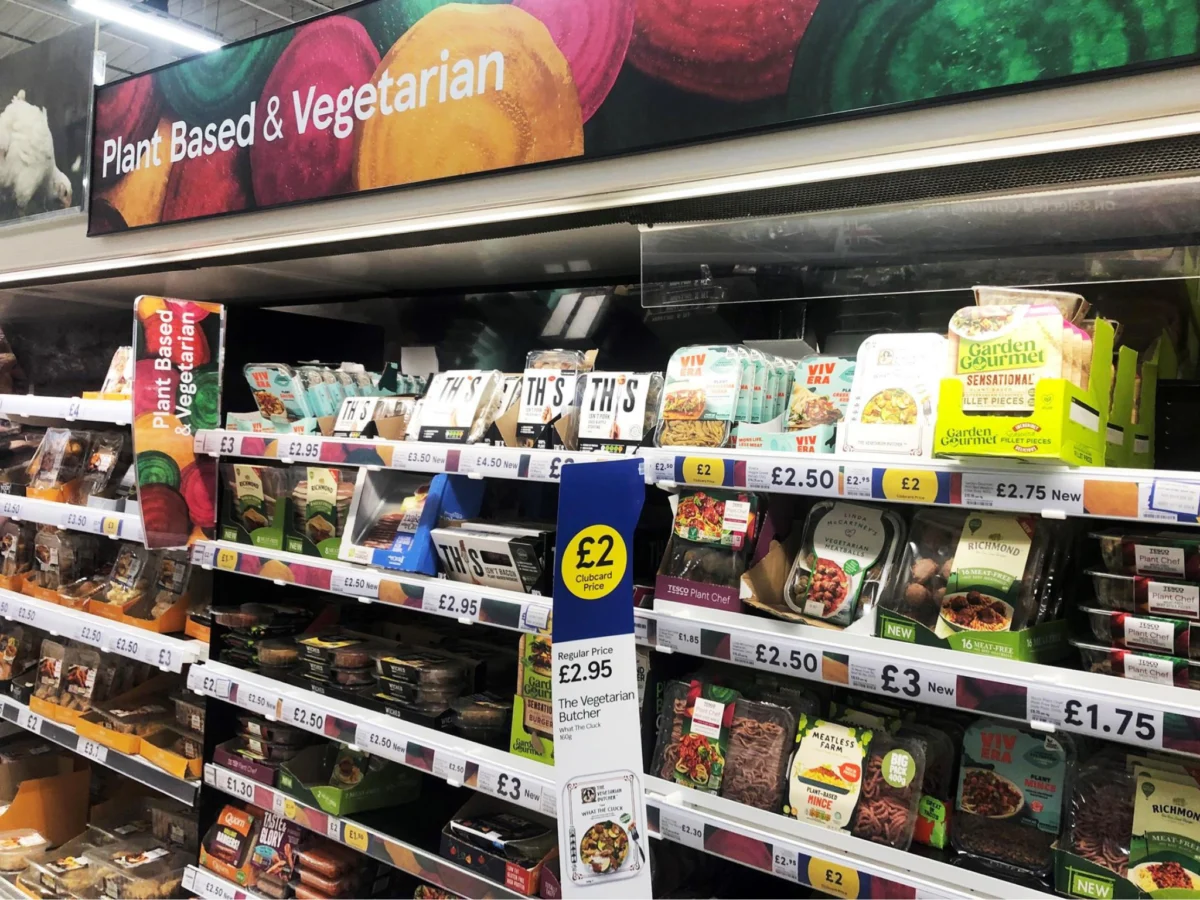
The debate over the nomenclature of sustainable food products has intensified following the publication of new empirical data from the United Kingdom, which demonstrates that 95% of British consumers possess absolute clarity regarding the plant-based nature of meat alternatives. Conducted by Bryant Research, the study surveyed over 1,000 participants to evaluate whether conventional terminology—such as sausages, burgers, and chicken—on alternative protein packaging creates marketplace confusion. The findings arrive at a critical juncture, directly challenging the central premise used by agricultural lobbies and conservative policymakers who argue that such descriptors deceive shoppers into purchasing non-animal goods by mistake.
As European Union policymakers advance aggressive legislative measures to restrict the use of traditional meat terminology on vegetarian, vegan, and cell-cultured products, the implications of these regulatory changes are poised to transcend the bloc’s borders. Due to evolving trade frameworks, the UK could find itself indirectly bound by Brussels’ food labelling edicts. However, this mounting legislative push stands in stark contrast to a robust, multi-year body of consumer research spanning several European nations, consistently revealing that the public easily distinguishes between animal proteins and their plant-based counterparts.
Empirical Findings Deflate Industry Claims of Mass Confusion
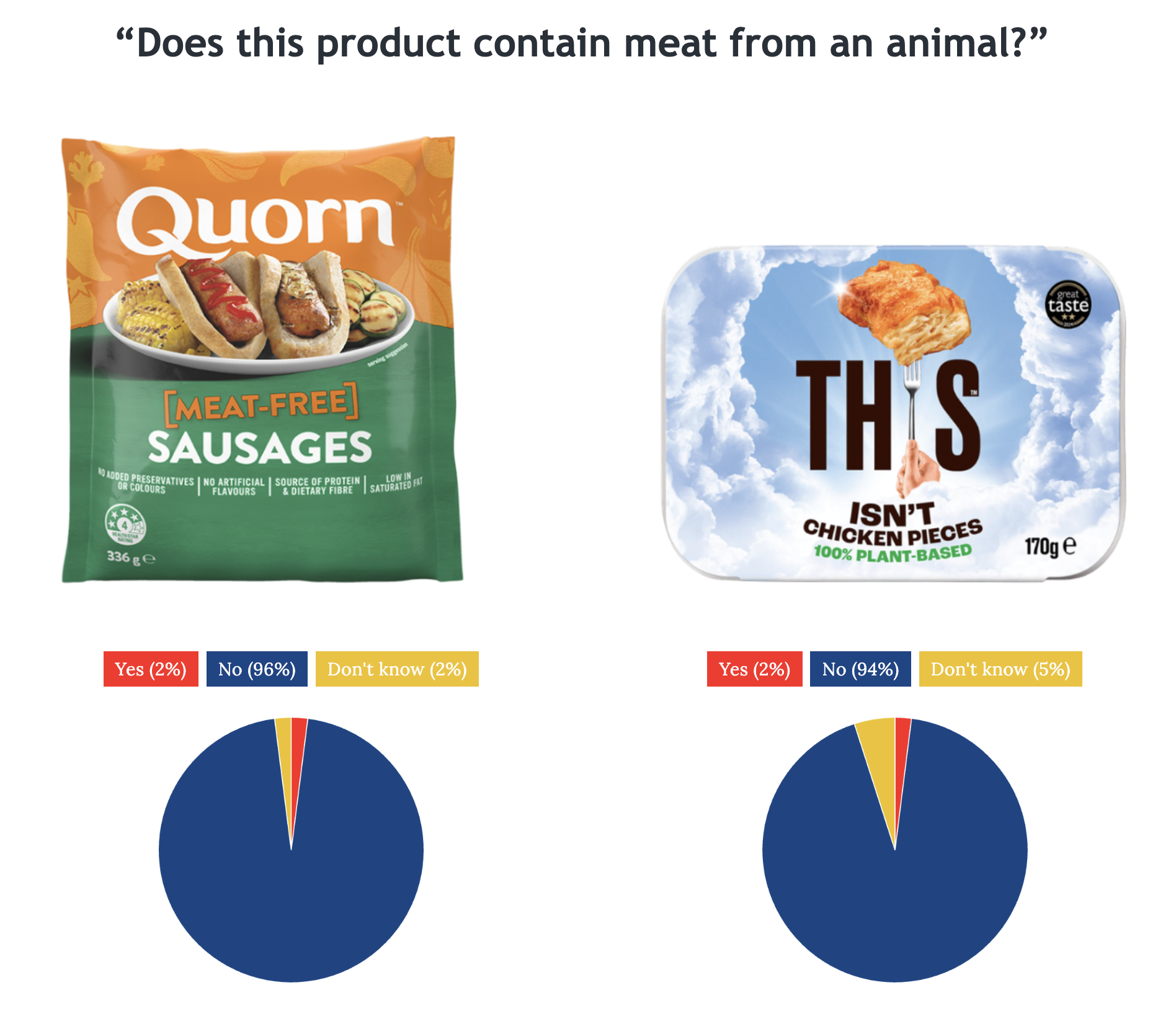
The Bryant Research initiative utilized direct visual stimuli to gauge consumer perception, presenting respondents with packaging from prominent UK meat-alternative brands. The results overwhelmingly disproved the notion of widespread consumer deception. When shown Quorn’s mycoprotein sausages, 96% of participants correctly identified that the product contained no animal meat, with a mere 2% expressing confusion. Similarly, when presented with vegan chicken products manufactured by the brand This, 94% recognized the absence of animal derivatives, while only 2% believed it was conventional poultry.
“This is strong evidence against the claim that consumers are confused by products using the words ‘sausage’ and ‘chicken’ in their names,” stated Chris Bryant, founder and director of Bryant Research.
This study is far from an isolated data point; rather, it contributes to an extensive international catalogue of consumer insights addressing food literacy. In 2020, a comprehensive pan-European poll conducted by the European Consumer Organisation (BEUC) established that 80% of citizens believed plant-based products should be legally permitted to utilize traditional meat-associated names. Subsequent research, including the 2023 Smart Protein survey, indicated that a mere 9% of consumers across nine surveyed member states experienced difficulty recognizing plant-based alternatives on supermarket shelves.
Further reinforcing these conclusions, a massive 20,000-person survey conducted in the Netherlands demonstrated that 96% of Dutch consumers understand precisely what a vegetarian sausage entails. Approximately 70% of those respondents actively opposed regulatory labelling bans, while 63% asserted that government intervention on the matter was entirely unnecessary. Domestically within the UK, YouGov polling from late 2025 indicated that 92% of British shoppers have never mistakenly purchased a plant-based sausage or burger under the assumption that it contained animal meat. Parallel studies conducted in Italy throughout 2026 revealed that 90% of consumers purchasing vegan goods are fully cognizant of their purchases.
Chronology of the European Union’s Regulatory Crackdown
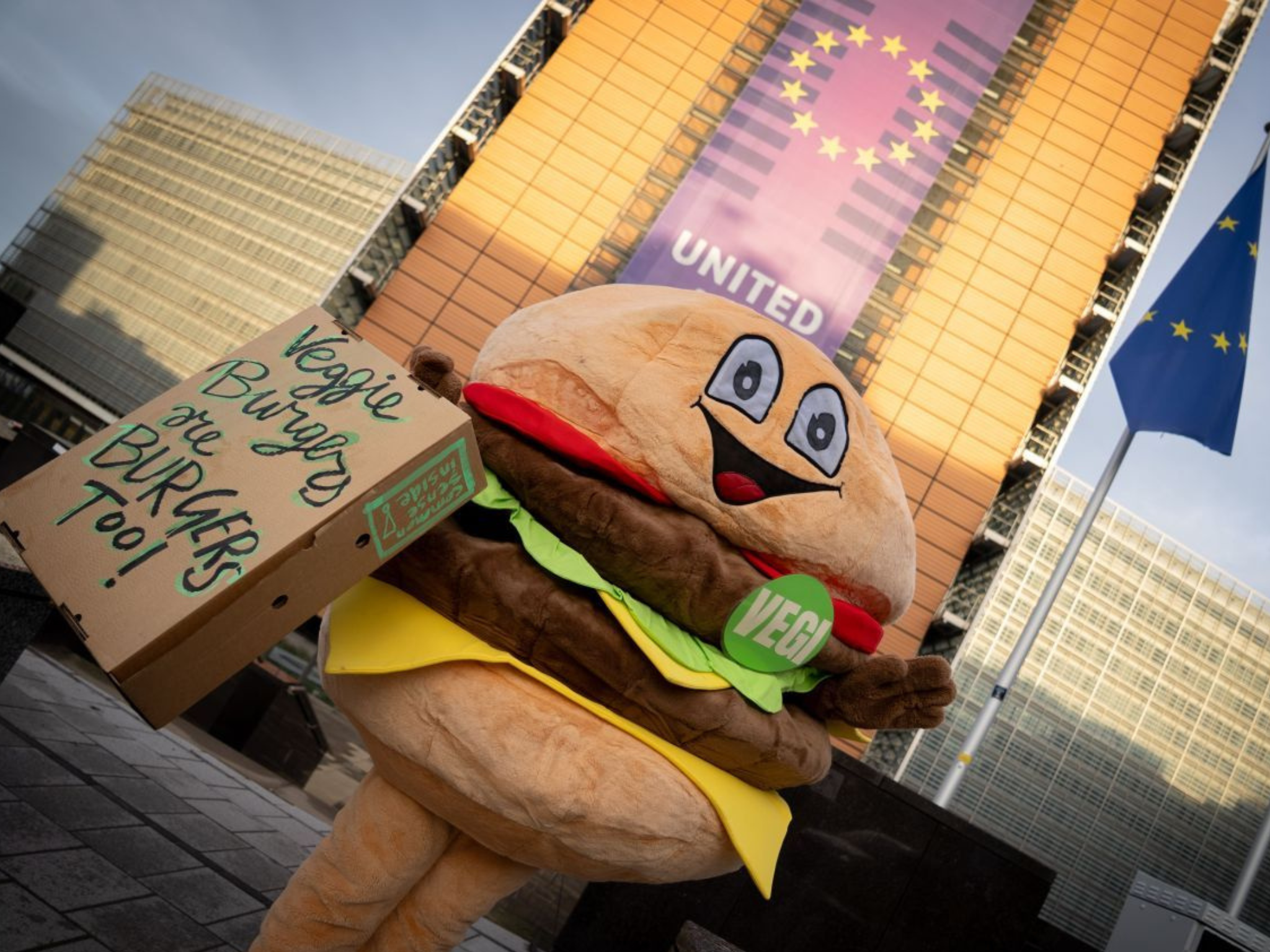
The political momentum behind the proposed labelling restrictions—informally dubbed the “veggie burger ban”—has accelerated through a carefully calculated legislative timeline within the European Parliament. The movement gained institutional traction in February, when EU policymakers voted in favor of an amendment to the Common Market Organisation (CMO) regulation. This initial legislative push, spearheaded by French lawmaker and European People’s Party (EPP) member Céline Imart—a cereal farmer with documented ties to the French agricultural lobby—urged the bloc to prohibit companies from marketing plant-based items under designations such as “steak” or “sausage.”
Following months of intense inter-institutional negotiations, the European Union formalized a ban restricting "meat" and 31 specific associated terms—including "beef," "chicken," "pork," and "veal"—from being applied to vegetarian and vegan alternatives, as well as cultivated meat products, which remain largely absent from commercial retail markets within the EU. Interestingly, certain generic product descriptors such as "burger," "sausage," "nuggets," and "ham" were initially spared from this specific exclusion list.
The legislative text was officially published in the EU’s Official Journal in mid-August, establishing a mandatory three-year compliance grace period for food manufacturers to redesign packaging and reformulate marketing strategies. However, before the dust had settled on the initial restriction, hard-right and conservative factions within the European Parliament—including members of the EPP, Patriots for Europe, and the European Conservatives and Reformists Group—introduced a secondary set of amendments to the CMO.
This expanded proposal seeks to drastically widen the scope of prohibited terms. If successful, the expanded ban would outlaw words such as "meatballs," "rabbit," traditional blood sausages, and historical designations like the "Adenauer Sausage," a plant-based food innovation that originated during the shortages of the First World War. Furthermore, this subsequent phase of the ban targets not only plant-based and cell-cultured proteins but also the burgeoning market for blended meat products, which combine animal and plant-based ingredients to reduce environmental impact.
Political Polarization and Institutional Resistance
The legislative trajectory has triggered severe pushback from centrist and left-leaning political groups, major food manufacturers, and international trade associations. Parties including the Progressive Alliance of Socialists and Democrats, the Greens-European Free Alliance, and The Left have formally proposed either the complete deletion of the proposed term blacklist or, at a minimum, significant technical exemptions to ease the burden on food producers.
Despite these objections, the European Parliament’s agriculture committee has continued to advance the dossier, scheduling specialized technical meetings to review the mechanics of the proposal ahead of a committee-level vote in December. The legislative process is slated to culminate in a final plenary vote scheduled for 2027.
Civil society and industry stakeholders have mobilized significantly to counter the restrictive measures. The NoConfusion Coalition—an umbrella organization representing over 600 companies, major retailers, institutional investors, and environmental and consumer advocacy groups across 22 European nations—has spearheaded the opposition. The coalition has issued open letters, published economic impact assessments, and launched a pan-European citizens’ petition that has already accumulated upwards of 70,000 signatures, demanding that lawmakers abandon efforts to censor sustainable food labelling.
Potential Spillover Effects and UK Implications
While the legislative battles are primarily concentrated in Brussels, the regulatory outcome carries profound ramifications for the United Kingdom. This cross-border vulnerability is tied directly to the newly signed Sanitary and Phytosanitary (SPS) agreement between the UK and the European Union.
Scheduled to take effect in mid-2027, the SPS agreement is formally designed to streamline trade logistics and reduce administrative barriers for the cross-border transfer of food and agricultural goods. However, legal analysts and industry experts warn that the treaty’s alignment mechanisms could effectively tether the UK to select EU food labelling and marketing standards to maintain frictionless trade access. Consequently, British food manufacturers exporting to the continent—or operating within tightly integrated supply chains—may be forced to comply with EU nomenclature restrictions regardless of domestic consumer research proving that Brits suffer no confusion whatsoever.
Economic and Strategic Analysis of the Labelling Dispute
The persistent push for labelling restrictions highlights a deeper economic anxiety within traditional livestock sectors across Europe. As climate concerns, health awareness, and animal welfare considerations drive a secular shift toward alternative proteins, conventional agricultural lobbies face mounting structural pressures. Industry observers note that regulatory restrictions on nomenclature represent an effort to protect market share by increasing marketing friction and consumer search costs for alternative protein producers.
However, market analysts suggest that heavy-handed regulatory interference could yield unintended consequences. For established food corporations, rebranding millions of units of successful product lines within a strict three-year window will incur substantial compliance, design, and legal expenditures. Furthermore, consumer behavioral studies consistently demonstrate that clear signposting—such as explicit "plant-based" or "vegan" callouts on packaging—already prevents misbuying. Therefore, adding bureaucratic bans on words like "sausage" or "steak" does little to protect consumer welfare, serving instead as a protectionist barrier that runs counter to broader sustainability and climate mitigation targets established by international climate accords.
As the European Parliament prepares for its decisive committee votes and the impending implementation of the UK-EU SPS agreement draws closer, the future of food labelling remains a fiercely contested battleground. The outcome will not only dictate how alternative proteins are marketed across Europe but will also test the extent to which evidence-based public policy can withstand organized agrarian lobbying in the face of empirical proof.
