
GENEVA — Global health authorities have sounded a clarion call for accelerated action against viral hepatitis, as new data reveals that while significant strides have been made in curbing new infections, the disease continues to claim over 1.3 million lives annually. The World Health Organization (WHO) released its comprehensive 2026 Global Hepatitis Report today at the World Hepatitis Summit, providing a sobering look at the challenges remaining in the quest to eliminate the disease as a public health threat by 2030. According to the report, viral hepatitis B and C remain the primary drivers of mortality, accounting for 95% of all hepatitis-related deaths. In 2024, these two infections resulted in 1.34 million deaths, a figure that rivals the mortality rates of other major infectious diseases like tuberculosis and HIV/AIDS.
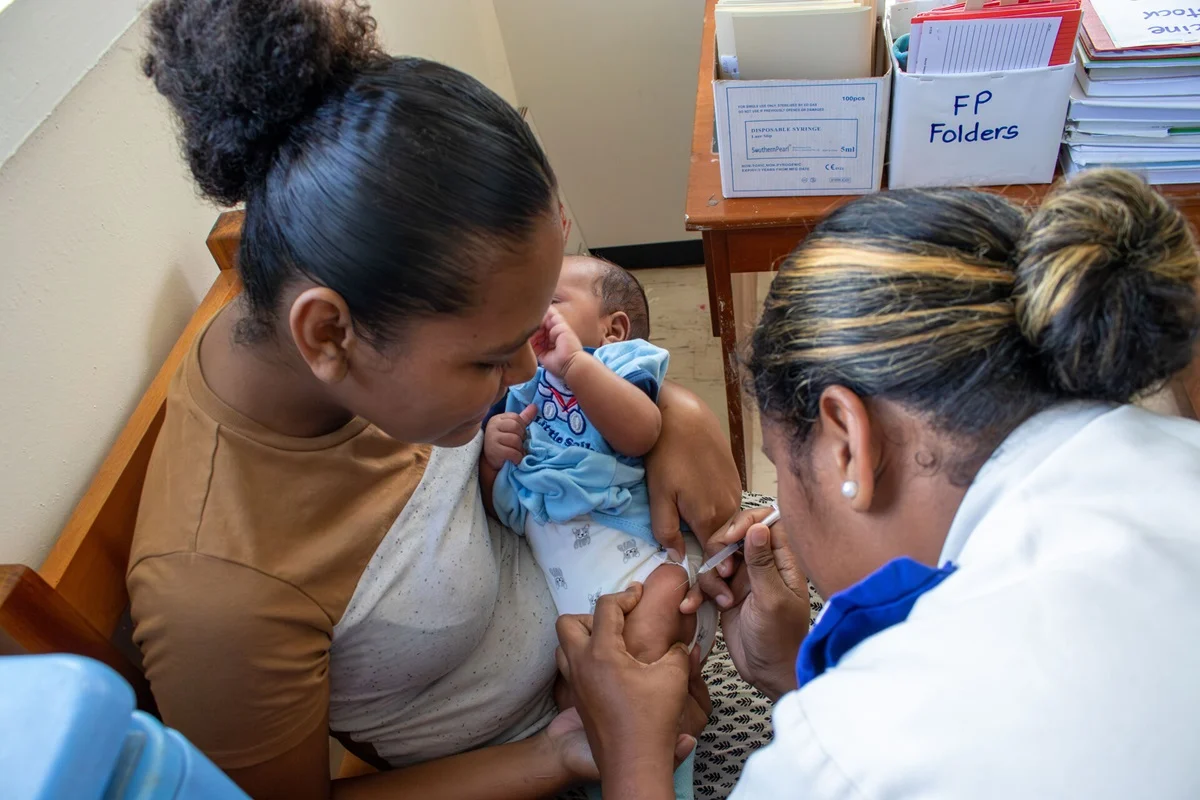
Despite the high death toll, the report documents a landscape of shifting dynamics. Since 2015, the global health community has witnessed a 32% reduction in new hepatitis B infections. Similarly, deaths related to hepatitis C have declined by 12% globally. One of the most significant triumphs highlighted in the 2026 report is the reduction of hepatitis B prevalence among children under five years of age, which has dropped to 0.6%. This achievement is largely attributed to the successful implementation of childhood vaccination programs, with 85 countries already meeting or exceeding the 2030 target of 0.1% prevalence in this demographic. However, the WHO warns that these gains are unevenly distributed and that the current pace of progress is insufficient to meet the overarching 2030 elimination goals.
A Chronology of Global Commitment and Strategic Evolution
The journey toward hepatitis elimination was formalized in 2016 when WHO Member States adopted the first Global Health Sector Strategy on viral hepatitis during the World Health Assembly. This strategy established ambitious targets: a 90% reduction in new cases and a 65% reduction in mortality by 2030. The baseline for these targets was set using 2015 data, a year that marked the beginning of a coordinated international effort to bring viral hepatitis out of the shadows of the global health agenda.
Between 2016 and 2024, the global response evolved from a focus on general awareness to the implementation of specific, high-impact interventions. The introduction of highly effective direct-acting antivirals (DAAs) for hepatitis C, which offer a cure rate of approximately 95% with a simple 12-week course, revolutionized the treatment landscape. For hepatitis B, the expansion of the "birth-dose" vaccine and the use of antiviral prophylaxis for pregnant women became cornerstones of prevention. Despite these technological leaps, the 2026 report clarifies that the "last mile" of elimination—reaching the most vulnerable and marginalized populations—remains the most difficult hurdle.
The Magnitude of the Burden: Analysis of Current Prevalence
As of 2024, an estimated 287 million people are living with chronic hepatitis B or C. The burden of disease is heavily concentrated in specific regions and among specific populations. Hepatitis B, in particular, continues to ravage the WHO African Region, which accounted for 68% of all new infections in 2024. A critical failure identified in the report is the low coverage of the hepatitis B birth-dose vaccination in Africa, where only 17% of newborns receive this life-saving intervention. This gap in early-life protection ensures a continuous cycle of transmission that fuels the epidemic in sub-Saharan Africa.
Hepatitis C presents a different set of challenges. Of the 0.9 million new infections recorded in 2024, 44% were among people who inject drugs (PWID). This demographic remains disproportionately affected due to limited access to harm reduction services, such as needle and syringe programs and opioid agonist therapy. The report suggests that without a concerted effort to address the needs of PWID and reduce the stigma associated with drug use, the goal of eliminating hepatitis C will remain elusive.
Furthermore, the mortality data underscores the severity of untreated chronic infection. In 2024, 1.1 million people died from complications related to hepatitis B, while 240,000 died from hepatitis C. The primary causes of death were liver cirrhosis and hepatocellular carcinoma (liver cancer). These deaths are particularly tragic because they are largely preventable through early diagnosis and consistent treatment.
Geographic Concentration and the Role of High-Burden Nations
A key finding of the 2026 report is the intense geographic concentration of the hepatitis burden. Ten countries alone account for 69% of all hepatitis B-related deaths globally: Bangladesh, China, Ethiopia, Ghana, India, Indonesia, Nigeria, the Philippines, South Africa, and Viet Nam. These nations face unique challenges, ranging from high population density and strained healthcare infrastructures to limited domestic financing for specialized viral hepatitis programs.
Hepatitis C mortality is more geographically dispersed but still shows significant concentration. Ten countries—China, India, Indonesia, Japan, Nigeria, Pakistan, the Russian Federation, South Africa, the United States, and Viet Nam—account for 58% of the global total of hepatitis C deaths. The inclusion of high-income nations like the United States and Japan in this list highlights that even robust health systems struggle with the "silent" nature of the disease, where many individuals remain undiagnosed for decades until advanced liver disease manifests.
Official Responses and the Call for Political Will
Dr. Tedros Adhanom Ghebreyesus, WHO Director-General, emphasized during the World Hepatitis Summit that the tools for elimination are already in hand. "Around the world, countries are showing that eliminating hepatitis is not a pipedream; it’s possible with sustained political commitment, backed by reliable domestic financing," Dr. Tedros stated. He noted that while progress is visible, it remains "too slow and uneven," pointing to stigma and inequitable access to care as major roadblocks.
Echoing these sentiments, Dr. Tereza Kasaeva, Director of the WHO Department for HIV, TB, Hepatitis, and Sexually Transmitted Infections, stressed the need for integration. "Every missed diagnosis and untreated infection due to chronic viral hepatitis represents a preventable death," Kasaeva said. She urged nations to move faster in integrating hepatitis services into primary healthcare systems. By decentralizing care and moving it closer to the communities most affected, health systems can overcome the barriers of cost and distance that currently prevent millions from seeking treatment.
Economic and Public Health Implications of Inaction
The failure to scale up treatment carries heavy economic consequences. Fact-based analysis suggests that the cost of treating advanced liver disease, including liver transplants and cancer care, far exceeds the cost of early antiviral therapy. In many low- and middle-income countries, the loss of productivity due to premature death and disability from hepatitis places a significant strain on national economies.
The report also touches upon the "treatment gap." For hepatitis B, fewer than 5% of those eligible for treatment were receiving it in 2024. For hepatitis C, only 20% of the infected population has been treated since the introduction of DAAs in 2015. This suggests that the global market for these drugs, while successful in terms of pricing reductions in some areas, has not yet reached the scale necessary to impact the overall prevalence of chronic infection significantly.
Future Outlook: The Roadmap to 2030
To bridge the gap between current progress and the 2030 targets, the WHO report outlines several priority actions. First is the urgent need to scale up hepatitis B treatment in the African and Western Pacific regions. This includes not only providing medication but also improving diagnostic capacity so that those living with the virus are aware of their status.
Second, the report calls for an expansion of antiviral prophylaxis to prevent mother-to-child transmission. By treating pregnant women who have high viral loads, the risk of passing the infection to the next generation can be virtually eliminated. This intervention is particularly critical in regions where birth-dose vaccination coverage remains low.
Third, the WHO emphasizes the need for improved injection safety in both healthcare settings and the community. This includes a push for "smart" syringes that cannot be reused and a massive expansion of harm reduction services for PWID.
As the World Hepatitis Summit continues, the international community is faced with a choice: maintain the status quo and allow millions more to die from a manageable disease, or commit the political and financial resources necessary to finish the job. The 2026 report serves as both a testament to what has been achieved and a warning of the work that remains. While the path to elimination is clear, the window of opportunity to reach the 2030 targets is closing, demanding an unprecedented level of global cooperation and domestic investment.
