
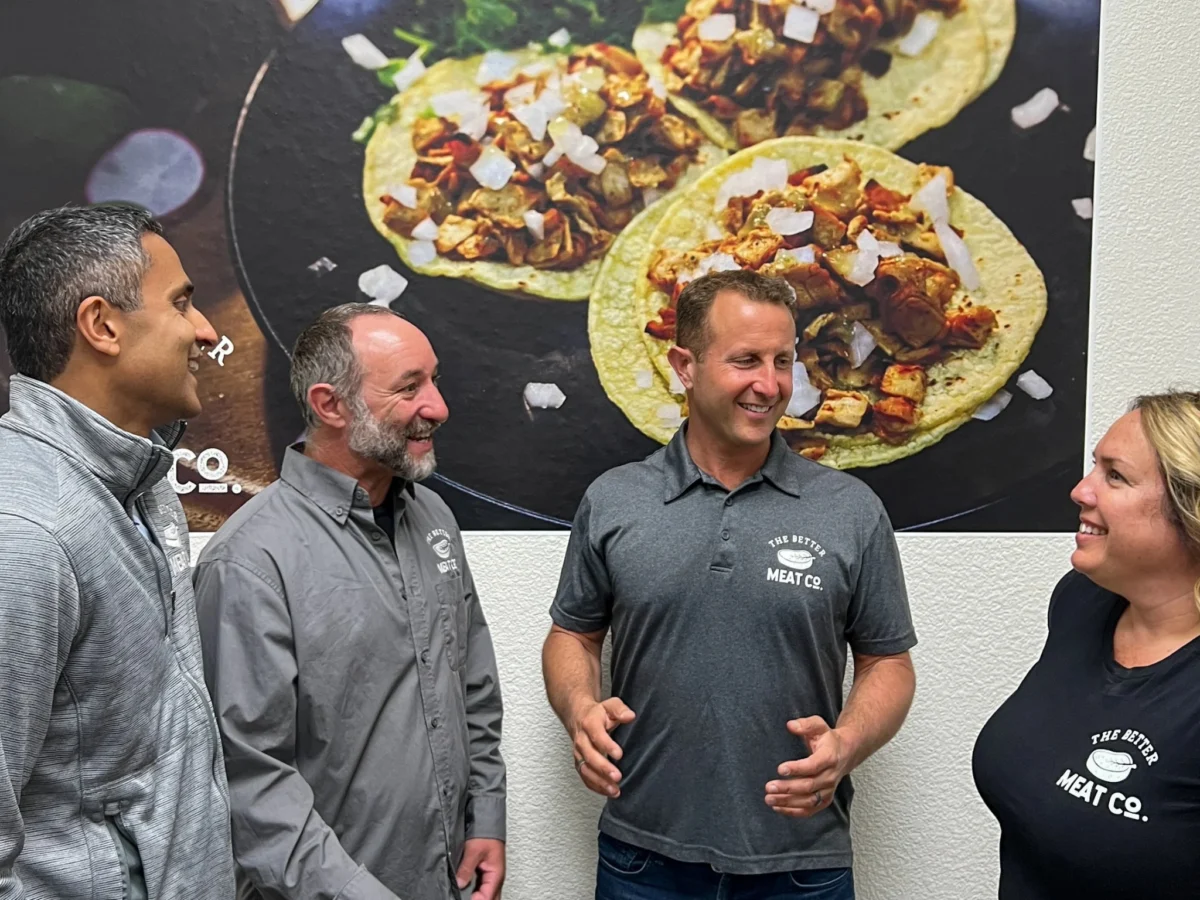
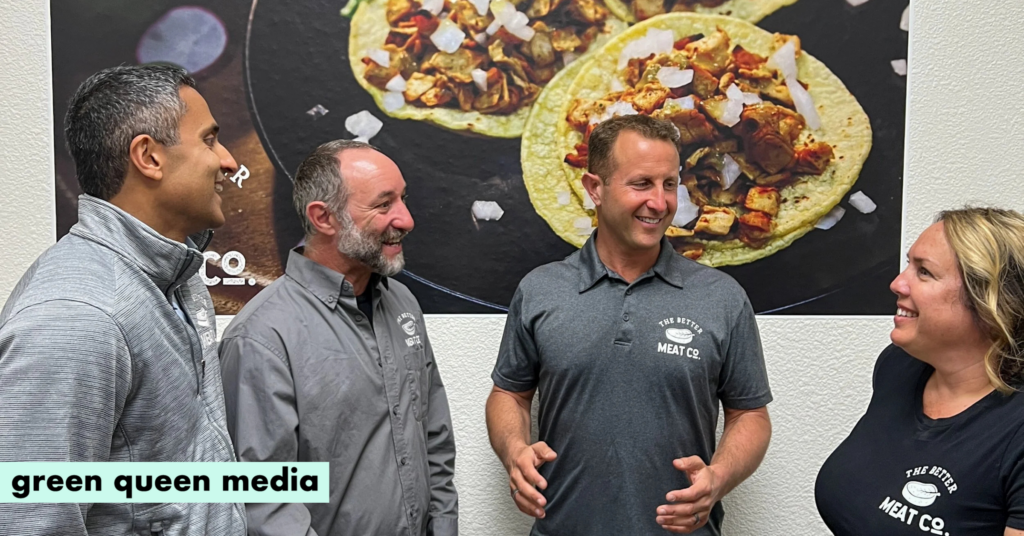
In a strategic move signaling its ambitious growth trajectory, The Better Meat Co, a prominent innovator in the alternative protein sector, has officially rebranded as BMC Ingredients. This name change reflects the company’s strategic pivot to broaden its ingredient portfolio, extending its proprietary Rhiza mycoprotein beyond its initial focus on meat alternatives. The company’s recent regulatory submission to the U.S. Food and Drug Administration (FDA) underscored a wide spectrum of potential applications for its Rhiza mycoprotein, a development that has now catalyzed this significant rebranding effort.
For years, Rhiza mycoprotein, which secured a crucial "no questions" letter from the FDA in mid-2024, had been primarily associated with plant-based meat analogues and blended meat products. This FDA clearance, a significant regulatory milestone, affirmed the safety and suitability of Rhiza for human consumption, paving the way for its wider adoption. However, as BMC Ingredients begins to operationalize the diverse use cases highlighted in its regulatory filings, the company is shedding its original moniker to better align its identity with its expanded market aspirations.
The Californian-based startup is now poised to offer its versatile mycelium protein as a business-to-business (B2B) ingredient in two distinct formats: RhizaTex and RhizaPro. This dual offering caters to different product development needs, providing manufacturers with tailored solutions. Concurrently, BMC Ingredients is scaling up its production capabilities in a new, state-of-the-art facility, anticipating and aiming to meet the burgeoning global demand for its protein ingredient.
BMC Ingredients Leverages Mycoprotein for the Expanding Longevity Market
The strategic shift for BMC Ingredients is particularly evident in its targeted expansion into the burgeoning longevity market. Rhiza mycoprotein is not merely a protein source; it is a whole-biomass ingredient derived from the fermentation of the Neurospora crassa fungal strain. This production method differentiates it from protein isolates, offering a more complete nutritional profile. The historical precedent for human consumption of mycoprotein is well-established, evidenced by its presence in traditional fermented foods like Indonesian oncom and its integral role in the distinctive flavor of Roquefort cheese.
From a nutritional standpoint, Rhiza mycoprotein stands out. It is a complete protein, containing all nine essential amino acids. By dry weight, its protein content hovers around 50%, surpassing that of eggs. Furthermore, its protein digestibility score ranges from 0.87 to 0.96, a metric comparable to well-regarded protein sources such as casein, beef, and eggs. Beyond its protein prowess, Rhiza offers a compelling nutritional package. It contains more dietary fiber than oats and a higher potassium content than bananas, while being naturally cholesterol-free and exceptionally low in saturated fat.
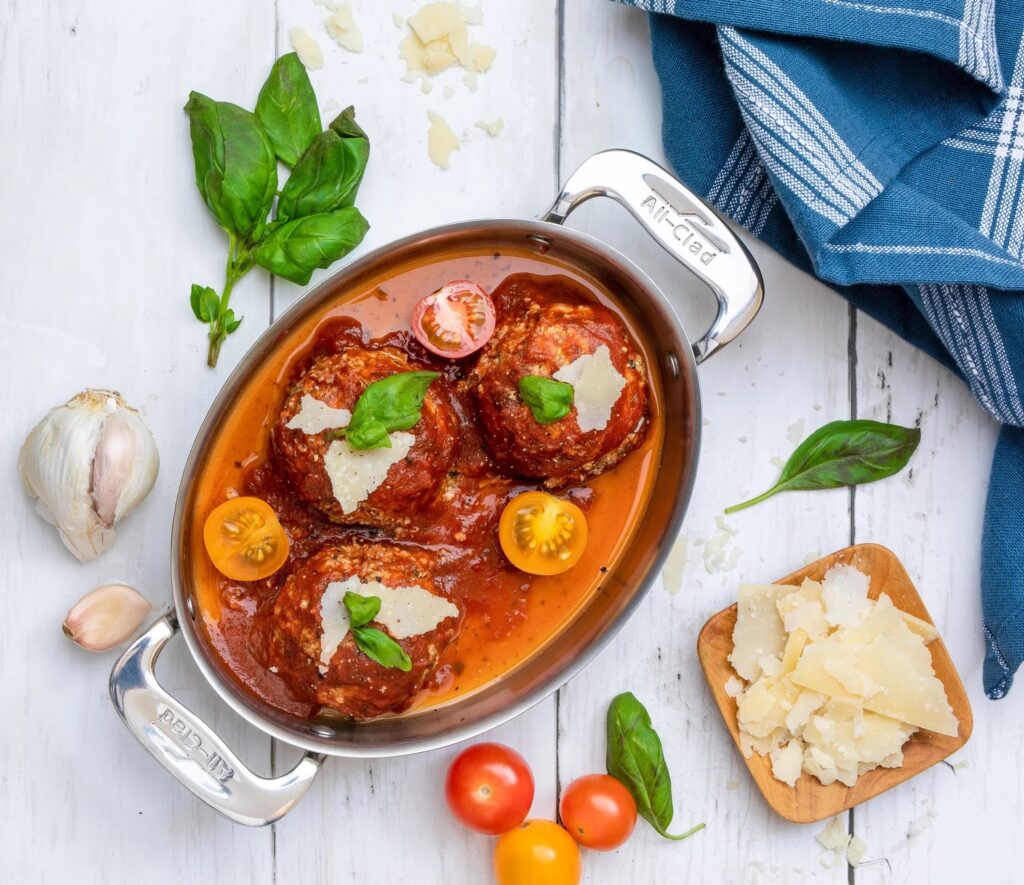
The two primary formats, RhizaTex and RhizaPro, are engineered for specific functional applications. RhizaTex comprises mycelium granules meticulously designed to impart crucial texture in applications such as plant-based meat analogues and blended meat products, mimicking the bite and mouthfeel of traditional meats. RhizaPro, on the other hand, is a finely milled mycelium powder. Its properties lend themselves to products requiring solubility, emulsification, and gelation, making it an ideal ingredient for a wide array of food and beverage categories, including dairy alternatives, smoothies, protein bars, pasta, and baked goods.
While the specifics of many of BMC Ingredients’ existing customer relationships remain confidential, founder and CEO Paul Shapiro has provided insights into early adoption. "Oshi uses Rhiza in its plant-based salmon, and there are about a dozen other customers using Rhiza as well," Shapiro stated in an interview with Green Queen. This early traction across various product categories signals the ingredient’s inherent versatility and appeal to a diverse range of food manufacturers.
The company’s rebranding strategy explicitly acknowledges and capitalizes on the growing consumer interest in the longevity market. BMC Ingredients is actively highlighting the presence of naturally occurring compounds within Rhiza, such as ergothioneine and spermidine. These compounds are recognized for their potential health benefits, including promoting cellular renewal and offering protection to mitochondria and DNA, respectively. "Rhiza is one of the richest foods on earth in both spermidine and ergothioneine, both of which are associated with longevity enhancement," Shapiro elaborated. "Many people buy these as isolated supplements currently, but Rhiza offers these compounds in an all-natural whole-food format." This positions Rhiza not just as a functional ingredient but as a nutritional powerhouse contributing to holistic wellness and healthy aging.
Addressing Market Dynamics: Rhiza Mycoprotein Meets Surging Demand
The decision to refresh its brand identity is intrinsically linked to the current dynamics of the global protein market, which is experiencing unprecedented volatility and struggling to keep pace with escalating demand. For instance, the price of whey, a staple protein ingredient, reached record highs in 2025 and has continued its upward trend, exacerbating supply chain challenges for manufacturers reliant on this commodity. This instability, coupled with the inherent challenges of ultra-processing for many alternative protein isolates, creates a compelling market opening for ingredients like Rhiza.
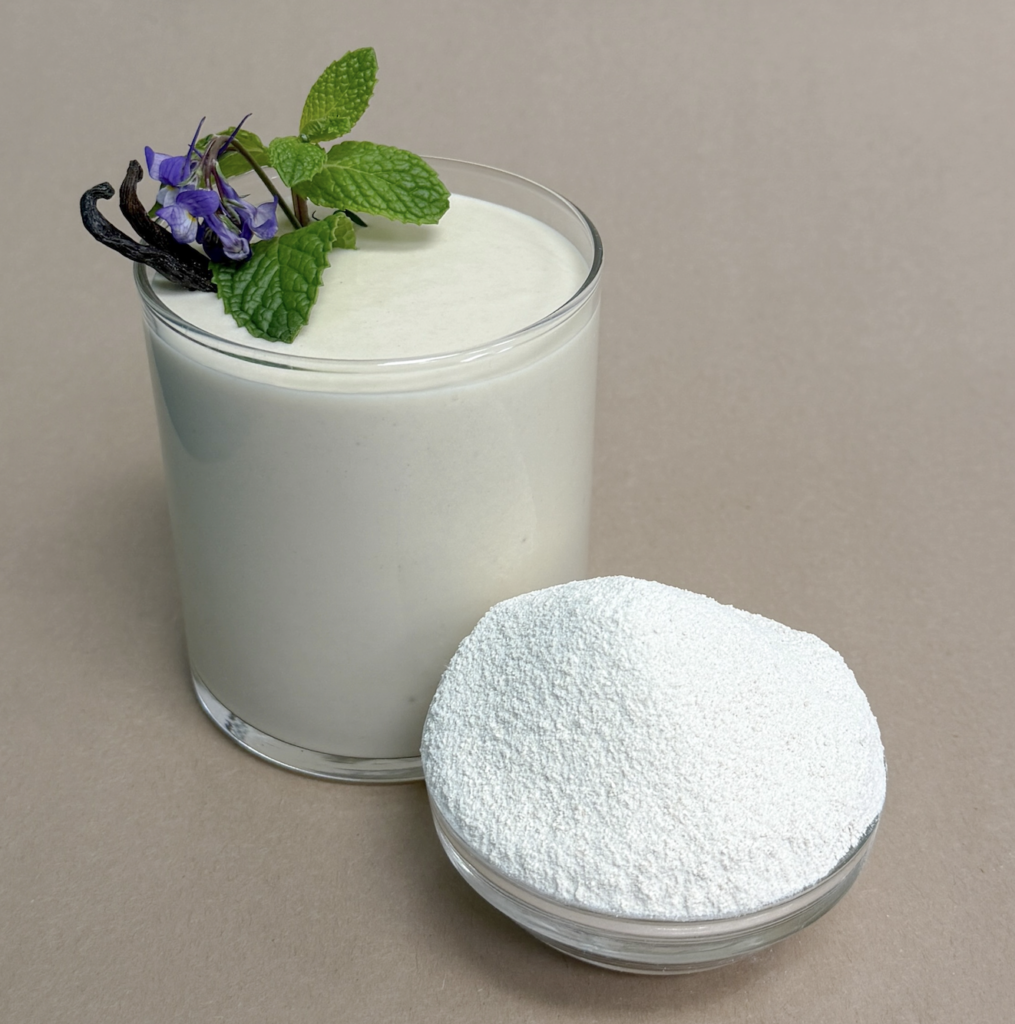
BMC Ingredients is strategically positioning Rhiza as a "whole-food ingredient" that offers a trifecta of benefits: robust protein content, valuable fiber, and essential culinary functionality, all without the extensive processing often associated with protein isolates or the supply chain vulnerabilities of animal-derived proteins. This positioning directly addresses key consumer demands for cleaner labels and more sustainable protein sources.
In a significant move to bolster its production capabilities and market penetration, the startup secured $31 million in Series A funding last year. This capital infusion was earmarked for achieving commercial-scale production and driving down the cost of its mycoprotein ingredient to become competitive with commodity beef prices. "We project reaching price parity with wholesale commodity beef once fully commercialized in our new facility," Shapiro stated. "With further scale, we intend to reach chicken pricing. We will also be price-competitive with some whey isolates." This aggressive pricing strategy aims to make Rhiza a mainstream ingredient, accessible to a wider range of food manufacturers and, consequently, consumers.
The company’s new commercial production facility is slated for opening in the second quarter of 2027. Upon full operationalization, this facility is projected to produce 100 dry tonnes of Rhiza per month, significantly expanding its global reach and supply capacity. Demonstrating market confidence and future revenue streams, BMC Ingredients has already secured five agreements with major meat producers across North America, South America, and Asia. These partnerships are collectively projected to generate $13 million in annual revenue, signaling a strong demand pipeline for the scaled-up production.
The current demand significantly outstrips BMC Ingredients’ existing production capacity. "Our demonstration fermentation plant in Sacramento is completely maxed out and already has purchase orders in hand for all Rhiza that can be produced in Sacramento from now through the end of the year," Shapiro explained. This situation highlights a critical bottleneck, yet also underscores the immense market appetite for their product. "We’ve already turned down several purchase orders that were too large for us to fill from Sacramento," he added. "We’re able to supply tons of mycelium from Sacramento, but the purchase orders we had to turn down needed double-digit tons, which is more than our small capacity for the time being. That will all shift once we start commercial production next year."
Broader Implications and Future Outlook
The rebranding of The Better Meat Co to BMC Ingredients signifies more than just a change in name; it represents a maturation of the company and a strategic evolution to capture broader market opportunities. By diversifying beyond meat alternatives, BMC Ingredients is positioning itself as a key player in the functional ingredients space, catering to a wide array of food and beverage categories.
The company’s focus on Rhiza mycoprotein’s nutritional density, including its complete amino acid profile, fiber content, and the presence of longevity-associated compounds, taps into two of the most significant consumer trends of the decade: health and wellness, and sustainable food systems. As consumers increasingly seek out ingredients that offer both nutritional benefits and a reduced environmental footprint, mycoprotein-based ingredients like Rhiza are well-positioned for substantial growth.
The FDA’s "no questions" letter is a critical enabler, providing regulatory certainty and confidence for food manufacturers looking to innovate with novel ingredients. This regulatory validation is likely to spur further investment and development within the mycoprotein sector. BMC Ingredients’ proactive expansion into the longevity market also demonstrates foresight, recognizing the growing demand for products that support healthy aging and overall well-being.
The company’s commitment to achieving price parity with conventional proteins like beef and chicken is a significant factor in its long-term strategy. If successful, this will democratize access to high-quality, sustainable protein ingredients, making them a viable alternative for a much larger segment of the food industry. The secured revenue agreements with major meat producers further validate the commercial viability and market acceptance of Rhiza mycoprotein.
As BMC Ingredients scales its operations and introduces RhizaTex and RhizaPro to a wider market, the company is poised to become a significant supplier of innovative, nutrient-dense, and sustainably produced ingredients. Its journey from a focused meat alternative ingredient provider to a diversified ingredient solutions company underscores the dynamic and rapidly evolving landscape of the global food industry. The successful commercialization of its expanded production facility in 2027 will be a pivotal moment, signaling the true scale of mycoprotein’s potential to reshape how we produce and consume food.
