
Nestlé, a global leader in nutrition and a long-standing innovator in infant formula, has announced a significant multi-year collaboration with US-based biotechnology startup Helaina. This partnership aims to harness the power of precision fermentation to produce bioidentical human lactoferrin, a crucial bioactive protein found in breast milk, for use in infant formula. The initiative represents a forward-thinking approach to bridging the nutritional gap between breast milk and formula, ensuring a safer, more consistent, and nutritionally advanced supply for infants worldwide.
The collaboration focuses on developing infant nutrition products that incorporate Helaina’s proprietary ingredient, effera®, which is a human identical lactoferrin produced through precision fermentation. This advanced technology allows for the creation of proteins that are structurally and functionally equivalent to those found naturally in human breast milk, addressing limitations inherent in traditional infant formula production.
A Critical Juncture for Infant Nutrition
This strategic alliance comes at a pivotal moment for Nestlé and the broader infant nutrition industry. The company, which has been a pioneer in baby formula for nearly 160 years, faced a significant product recall earlier this year. The recall involved numerous formula products due to the potential presence of Cronobacter sakazakii and Salmonella Newport, bacteria that can cause serious foodborne illnesses. The recall spanned over 60 countries, highlighting the critical need for enhanced safety protocols and supply chain integrity in infant nutrition.
Helaina’s effera® offers a compelling solution to these challenges. By enabling the consistent and stable production of human lactoferrin, it promises to deliver the same beneficial properties as found in breast milk, without the supply chain vulnerabilities or potential contaminants that can affect traditional ingredients. This marks a significant step towards achieving a nutritional profile for infant formula that more closely mirrors that of breast milk, a long-sought-after goal in the field.
Understanding the Significance of Lactoferrin
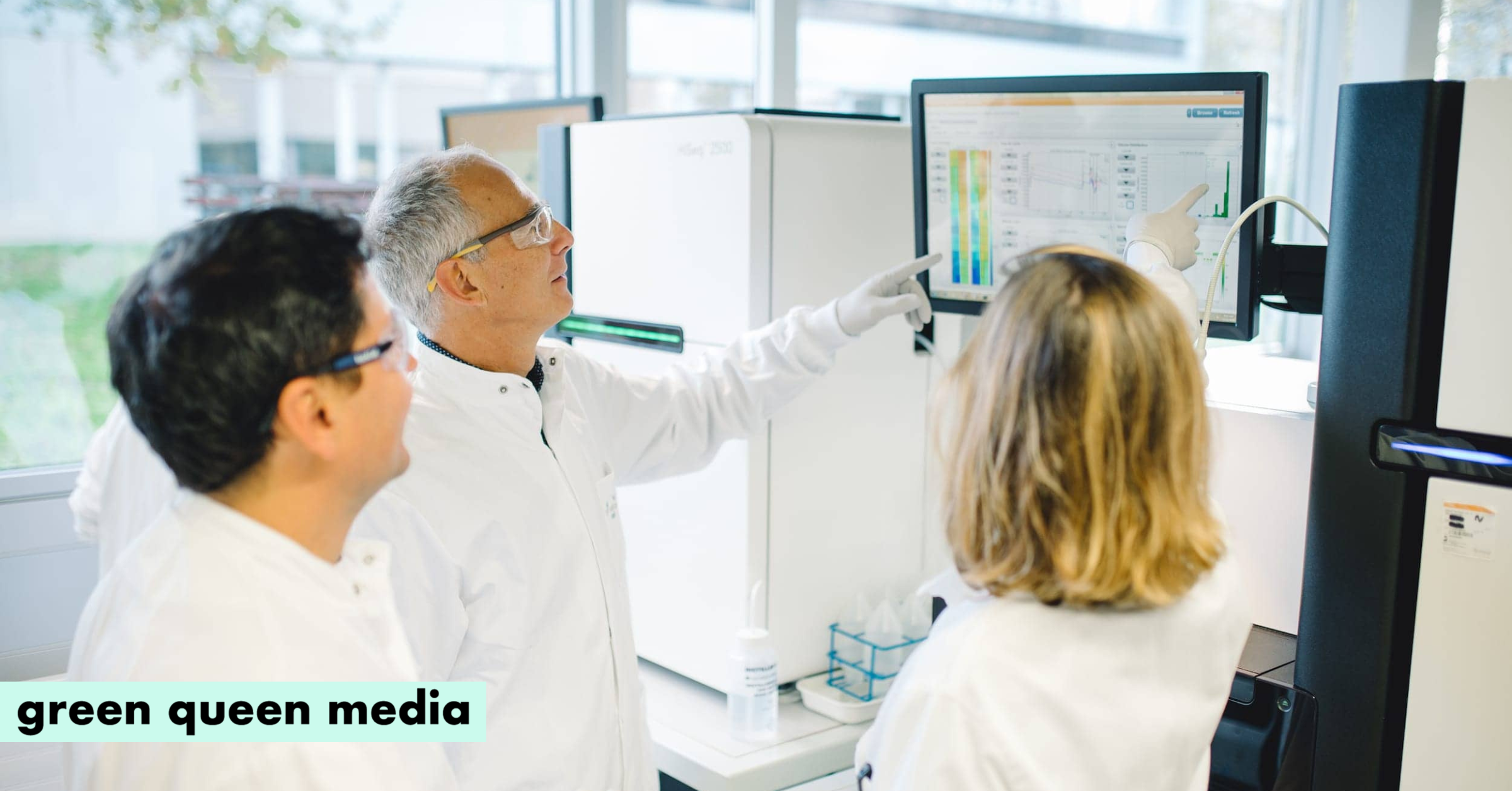
Lactoferrin is a multifaceted protein found in human milk, particularly in high concentrations in colostrum, the nutrient-rich first milk produced after birth. It plays a vital role in early-life nutrition, offering a range of health benefits for infants. These include potent antiviral, antibacterial, and anti-inflammatory properties, as well as significant contributions to immune system development and gut health. Lactoferrin’s ability to bind iron is also crucial for regulating iron absorption and preventing the growth of pathogenic bacteria that rely on iron for survival.
Despite its critical importance, lactoferrin has been largely absent from conventional infant formulas due to the challenges and prohibitive costs associated with its purification from natural sources. While bovine lactoferrin, derived from cow’s milk, is sometimes used, it shares only about 70% homology with its human counterpart. This difference can impact how effectively the protein is recognized, absorbed, and utilized by an infant’s developing system. Helaina’s effera® aims to overcome this limitation by producing a bioidentical human lactoferrin that offers superior biological relevance, consistency, and efficacy.
The Precision Fermentation Advantage
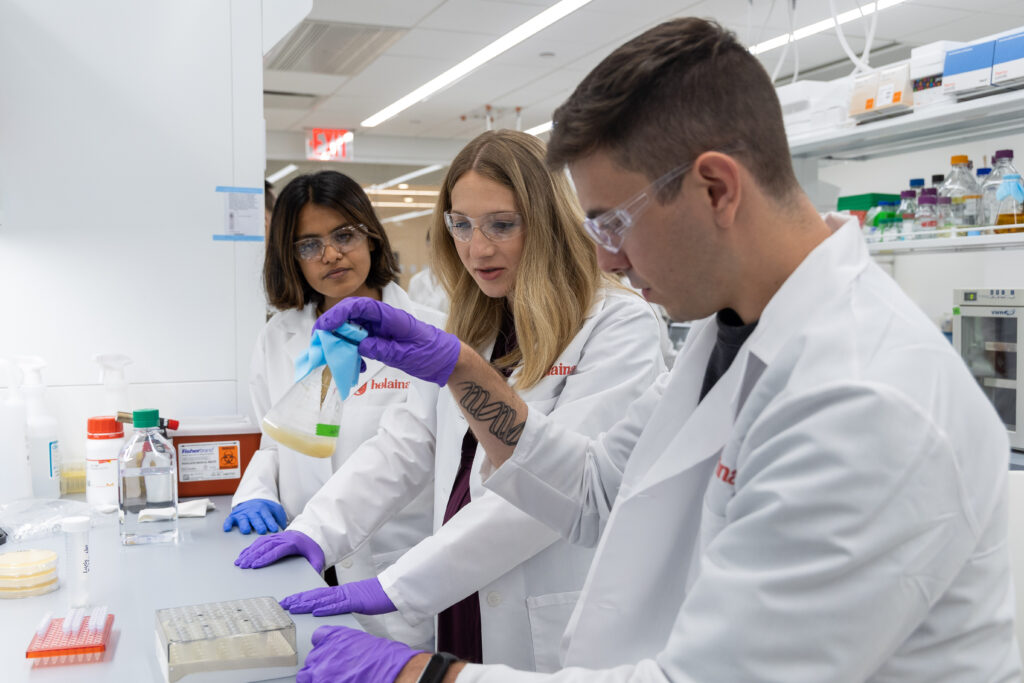
Precision fermentation is a groundbreaking biotechnology that utilizes microorganisms, such as yeast or bacteria, as cellular factories to produce specific proteins. In Helaina’s process, a yeast strain is genetically engineered to produce human lactoferrin. This engineered yeast is then cultivated in bioreactors, similar to the process used in brewing beer. The microbes are fed a carefully controlled nutrient mix, enabling them to synthesize and secrete the desired protein. At the end of the fermentation cycle, the lactoferrin is meticulously filtered and purified from the fermentation broth.
This method offers several key advantages over traditional protein extraction:
- Scalability and Consistency: Precision fermentation allows for large-scale, consistent production of high-purity proteins, ensuring a reliable supply chain free from the variability of agricultural sourcing.
- Purity and Safety: The controlled environment of precision fermentation minimizes the risk of contaminants, leading to a safer ingredient for infant consumption.
- Bio-identity: It enables the production of proteins that are virtually identical to their human counterparts, maximizing their biological activity and benefits.
- Sustainability: Compared to animal-based sourcing, precision fermentation can offer a more sustainable production method with a potentially lower environmental footprint.
Helaina’s founder and CEO, Laura Katz, emphasized the importance of bioidentical proteins, stating, "Unlike bovine-derived proteins, bioidentical proteins are designed to match the structure and function of proteins naturally present in the human body, enabling greater biological relevance, consistency, and clinical reproducibility." This underscores the fundamental advantage of effera® in its ability to closely mimic the benefits of breast milk.
Bridging the Nutritional Divide in Infant Feeding
The global landscape of infant feeding highlights the persistent need for advanced nutritional solutions. While breastfeeding is widely recommended by organizations like the American Academy of Pediatrics for its numerous health benefits, many mothers face challenges. Statistics reveal that a significant percentage of women struggle with breastfeeding due to physiological limitations, insufficient milk production, or perceived nutritional deficiencies in their milk. In the United States, less than half of women continue exclusive breastfeeding for the recommended six months.
Globally, approximately 130 million babies are born annually, and a substantial proportion are fed infant formula at some point during their early development. However, conventional infant formulas have historically fallen short of fully replicating the complex nutritional profile of breast milk, particularly regarding bioactive compounds that support immunity, digestion, and long-term well-being. Furthermore, common issues such as cow’s milk allergies (affecting 2-3% of infants) and general digestive discomfort (reported by up to one-sixth of infants) underscore the demand for alternative and improved nutritional options.
The integration of effera® into Nestlé’s infant formula lines has the potential to significantly address these nutritional gaps. By providing a source of human lactoferrin, the new formulas can offer enhanced immune support, improved gut health, and better iron absorption for infants who rely on formula. This aligns with Nestlé’s long-standing commitment to scientific advancement in early-life nutrition.
Nestlé’s Strategic Open Innovation Approach
Nestlé’s collaboration with Helaina is a clear demonstration of its embrace of open innovation, a strategy that involves actively seeking external partnerships to accelerate research and development. The company has a rich history of scientific exploration in infant nutrition, with over 30 years dedicated to researching human milk oligosaccharides (HMOs) and other bioactive compounds. This extensive research portfolio provides a strong foundation for integrating novel ingredients like effera® into their product development pipeline.
Isabelle Bureau-Franz, Head of the Nestlé Product Technology Centre for Nutrition and Health, commented on the partnership’s significance: "Nestlé has always been at the forefront of advancing scientific knowledge on key nutrients and bioactives that are important during early life, including their interactions with the gut microbiome and the immune system. Collaborations with external partners such as Helaina form an integral part of our broader open innovation strategy to deepen scientific understanding in this field, while gaining access to emerging technologies."
This strategic alignment allows Nestlé to leverage Helaina’s cutting-edge precision fermentation platform and its expertise in producing bioidentical proteins, while Helaina gains access to Nestlé’s extensive knowledge in early-life nutrition, product development, and global market reach. This synergy is expected to accelerate the development and availability of next-generation infant formulas.
Helaina’s Growth and Future Prospects
Helaina has emerged as a significant player in the burgeoning field of synthetic biology applied to food and nutrition. The company has successfully raised over $95 million in funding, with its valuation reportedly in the hundreds of millions of dollars. This financial backing underscores investor confidence in its technology and market potential.
Beyond infant formula, Helaina is actively exploring broader applications for its effera® protein, targeting areas such as women’s wellness, active nutrition, longevity, and gut health. The ingredient is already present in at least 10 nutrition products available in the US market.
The global landscape of precision fermentation for human milk proteins is becoming increasingly competitive. Several other companies are also developing or producing precision-fermented lactoferrin, including Australian firms All G and Eclipse Ingredients, Portuguese startup PFx Biotech, China’s Guoke Xinglian, and Canada’s Pinnacle Food Group. Additionally, companies like Israel’s Wilk are pursuing cell-cultured breast milk, while others like Yali Bio, Checkerspot, The Live Green Co, and Primogene are utilizing synthetic biology to create human milk fats and other bioactive molecules. This vibrant ecosystem of innovation highlights a collective industry-wide drive to create superior nutritional solutions for infants and beyond.
Implications for the Future of Infant Nutrition
The Nestlé-Helaina partnership signifies a potential paradigm shift in the infant formula market. By embracing precision fermentation and focusing on bioidentical human proteins, the industry is moving closer to achieving parity with breast milk’s nutritional complexity. This could lead to:
- Enhanced Infant Health Outcomes: Formulas enriched with human lactoferrin may offer improved immune function, reduced incidence of infections, and better digestive health for formula-fed infants.
- Increased Consumer Confidence: Addressing concerns about safety and nutritional equivalence can bolster trust in infant formula as a viable and beneficial alternative for parents.
- Greater Supply Chain Resilience: Precision fermentation offers a more predictable and controllable supply chain compared to traditional methods, reducing the risk of shortages and recalls.
- Personalized Nutrition: As the technology advances, there is potential for developing formulas tailored to specific infant needs, further optimizing nutritional support.
- Ethical and Environmental Benefits: Reducing reliance on animal sources for key proteins can contribute to more sustainable and ethical food production practices.
Nestlé’s extensive experience in infant formula manufacturing, coupled with Helaina’s innovative biotechnology, positions this collaboration to make a significant impact. The development of infant formulas incorporating effera® is expected to introduce a new standard of nutritional excellence, providing parents with more advanced and reliable options for feeding their babies, ultimately contributing to healthier futures for infants worldwide.
