
Denim remains the most ubiquitous fabric in the modern man’s wardrobe, yet its simplicity is deceptive. While it serves as the foundation for countless outfits, the nuance required to pair different denim washes with appropriate textures, colors, and silhouettes is a subject that frequently leads to sartorial errors. The stakes of denim styling are elevated by the fabric’s history as rugged workwear, a heritage that clashes sharply with the refined expectations of modern smart-casual attire. Failure to navigate these waters correctly can lead to visual dissonance, a phenomenon famously exemplified by the 2001 American Music Awards, where Justin Timberlake and Britney Spears appeared in coordinating head-to-toe denim ensembles—a moment now etched into fashion history as a cautionary tale of "double denim" excess.
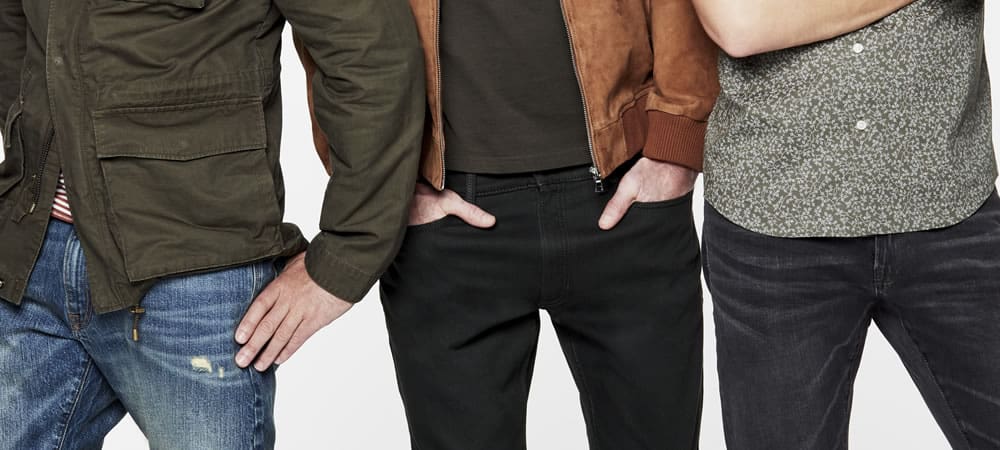
The evolution of denim from the 19th-century heavy-duty fabric patented by Levi Strauss and Jacob Davis for miners and laborers to a high-fashion staple has created a complex taxonomy of washes. Understanding these categories—dark, mid, light, black, and white—is essential for any man seeking to maintain a contemporary, polished appearance.
The Taxonomy of Denim Washes and Sartorial Strategy
The categorization of denim is primarily dictated by the dyeing process, specifically the saturation of indigo or sulfur dyes and the subsequent mechanical or chemical abrasion. This process dictates not only the aesthetic profile of the garment but also its appropriate application in a wardrobe.
Dark Wash Denim: The Versatile Foundation
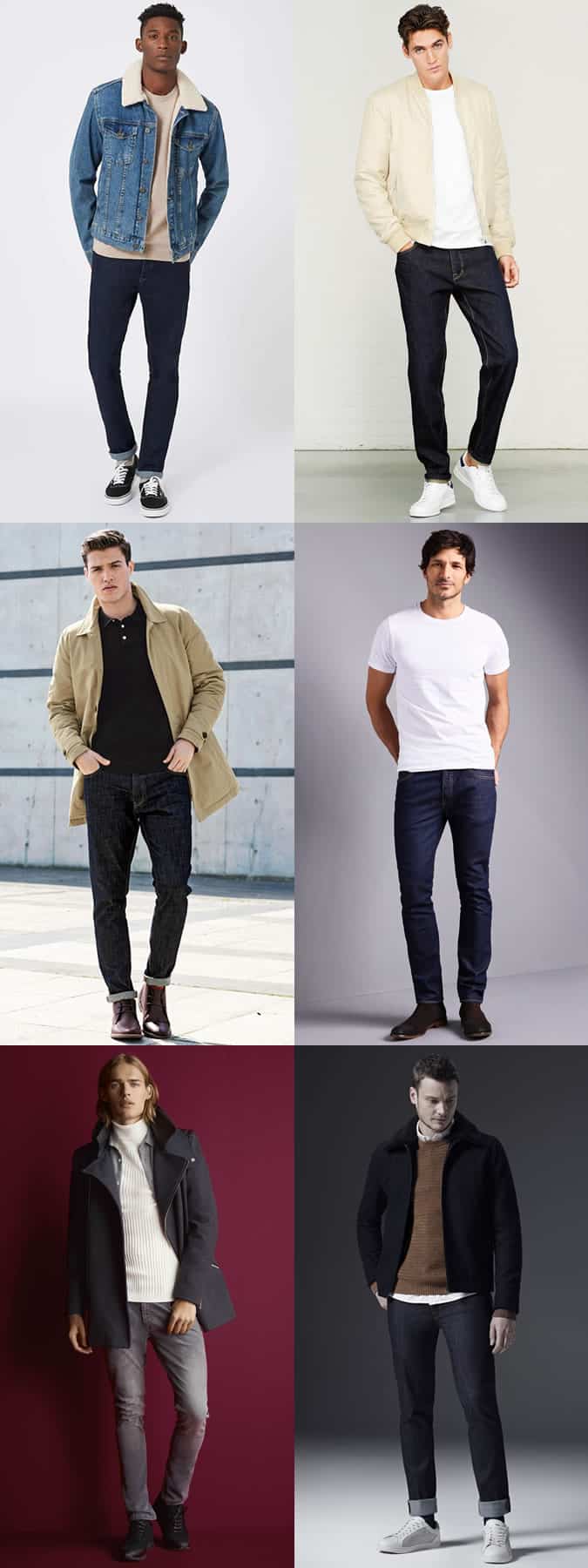
Dark wash denim, particularly raw or "dry" indigo, represents the most formal end of the spectrum. Because raw denim has not undergone the post-manufacturing washing process, it maintains a deep, uniform color and a structural stiffness that mimics traditional wool trousers.
From a technical perspective, raw denim is prized by enthusiasts for its ability to "break in," molding to the wearer’s body over time and creating personalized fade patterns. When styling dark wash denim, the key is to embrace its structural integrity. Avoid skin-tight fits; the stiffness of raw denim in a slim or straight-leg cut creates a cleaner silhouette that sits away from the body, providing a balanced look.

In terms of pairing, dark wash denim serves as a neutral canvas. It functions effectively in a business-casual environment when paired with a crisp Oxford shirt or a navy blazer. The lack of surface distressing means that these jeans can comfortably transition into evening wear. According to industry experts, the "tonal approach"—pairing dark indigo jeans with a slightly lighter indigo shirt—is a sophisticated method to navigate the double denim trend, provided there is a clear distinction in fabric weight and hue to avoid the appearance of a monochromatic uniform.
Mid-Wash Denim: The Utility Standard
Mid-wash denim occupies the "middle ground" of the fashion spectrum, often unfairly maligned as "middling" or uninspired. However, in practice, mid-wash denim is perhaps the most functional asset in a casual wardrobe. Its aesthetic relies on a balance between the ruggedness of light denim and the structure of dark indigo.
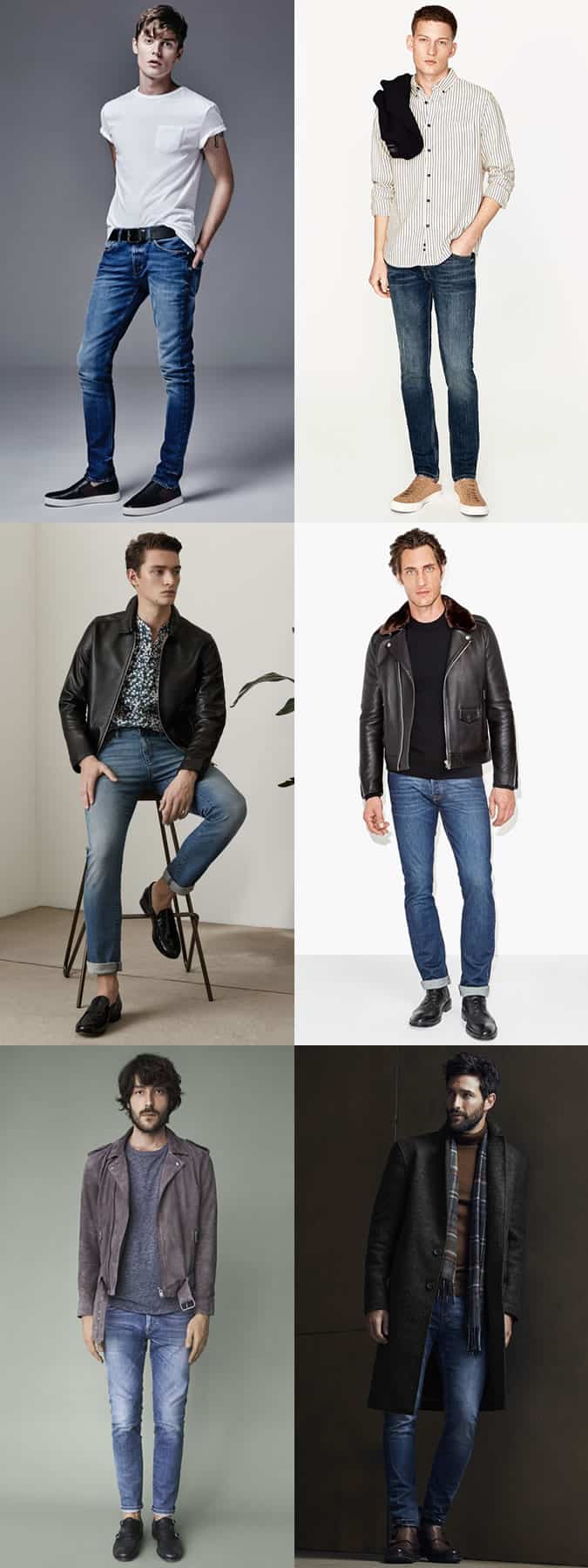
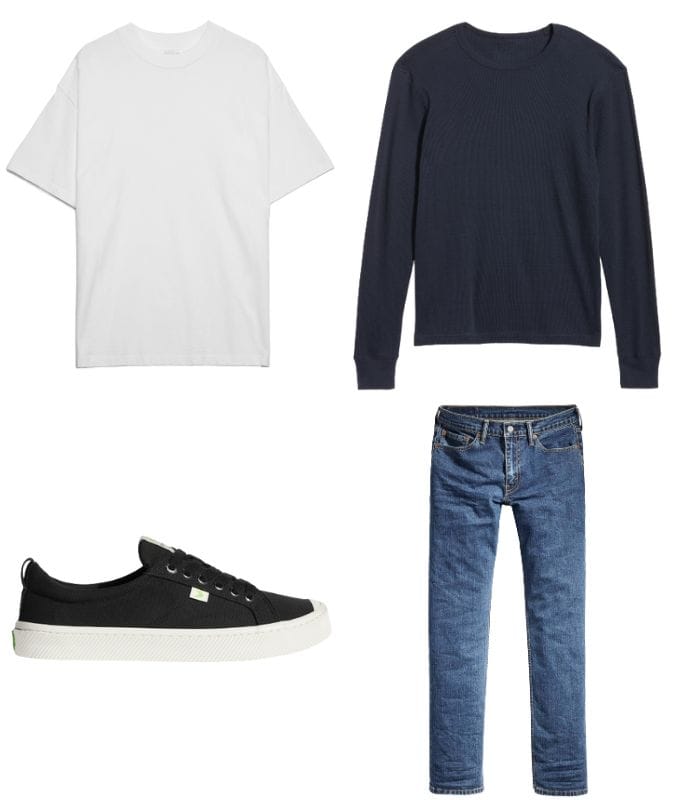
The primary challenge with mid-wash denim is achieving visual contrast. Because it is neither light nor dark, it can easily blend into an outfit, leading to a "washed-out" look. Texture is the solution. Replacing a standard cotton sweatshirt with a waffle knit or a heavy-gauge wool sweater adds depth to the outfit. When selecting outerwear, the rugged nature of mid-wash denim pairs exceptionally well with suede bomber jackets or oiled canvas field coats. The goal here is to elevate the casual nature of the denim through the introduction of premium textures.
Light Wash Denim: The Nineties Resurgence
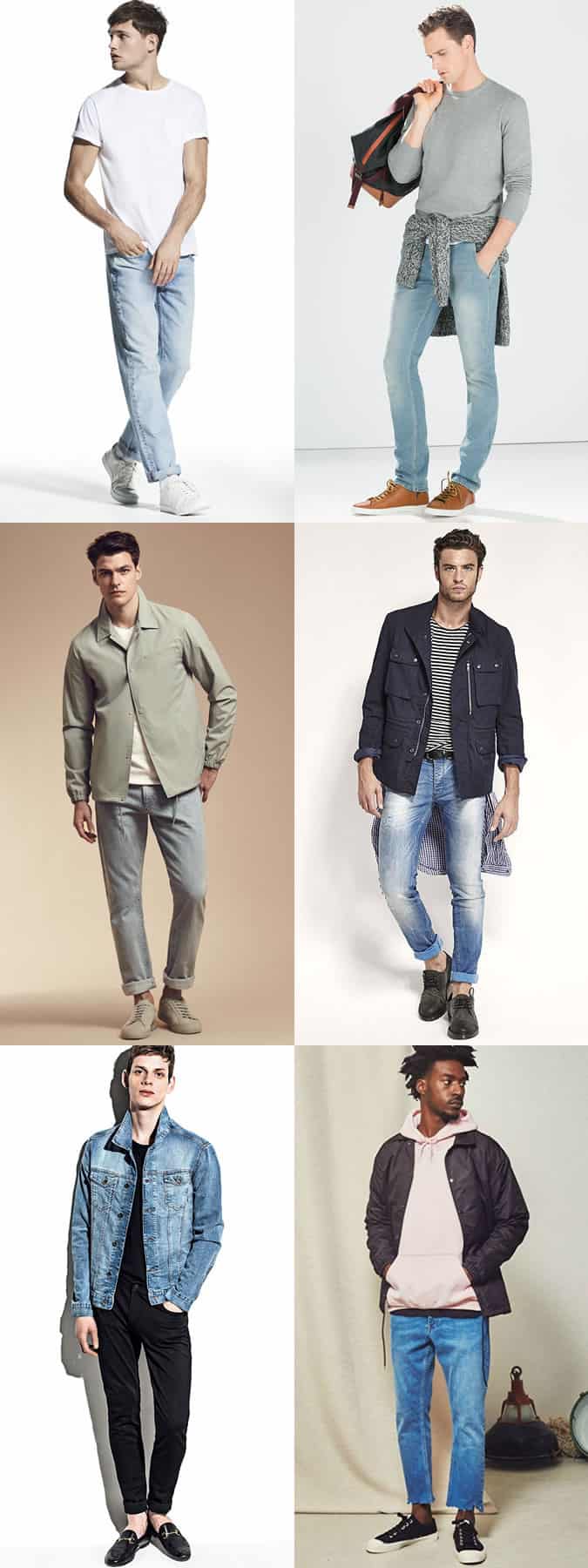
Light wash denim has undergone a significant reputation cycle. Once relegated to the "dad jeans" category of the early 2000s, it has seen a dramatic resurgence driven by the cyclical nature of 1990s and Y2K fashion. The current consensus in menswear is that light wash denim is a viable, high-fashion choice, provided the fit is intentional.
The modern iteration of light wash denim favors boxier cuts, frayed hems, and subtle distressing, often drawing inspiration from skate culture. To prevent the outfit from looking dated, it is critical to balance the casual, high-contrast nature of the wash with minimalist basics. A simple white T-shirt and clean white sneakers are the standard pairing, as they provide a neutral foundation that lets the denim act as the focal point. Designers at heritage denim brands suggest that for those hesitant to adopt the full look, starting with a light wash denim jacket layered over a dark, monochromatic outfit is the most effective way to integrate the color into an existing wardrobe.
Black Denim: The Minimalist Essential
Black denim occupies a unique position in the fashion ecosystem, serving as a direct substitute for formal trousers. Its adoption by figures in the music and arts scenes—notably Alex Turner and Noel Gallagher—has solidified its status as an "essential."
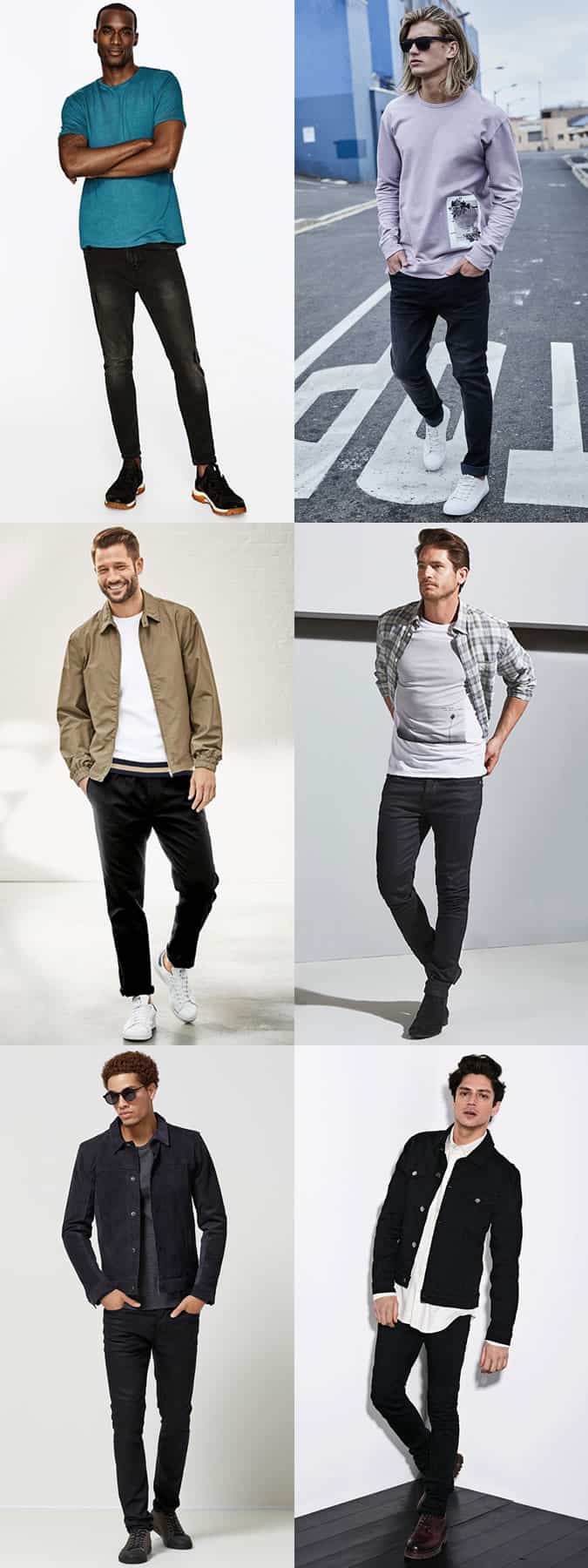
The versatility of black denim lies in its ability to anchor both high-contrast and monochromatic outfits. It is the most forgiving shade of denim, yet it carries the highest risk of looking "costume-like" if the fit is incorrect. Spray-on, skintight black denim is increasingly viewed as dated, while wide-leg cuts can appear unkempt. A straight or slightly tapered leg is the industry standard.
Stylistically, black denim thrives on contrast. A white shirt or a brightly colored sweatshirt paired with black jeans creates a balanced, clean look. For a more sophisticated, "evergreen" outfit, the combination of a camel-colored overcoat, a white T-shirt, and black jeans is a fail-safe, timeless option.

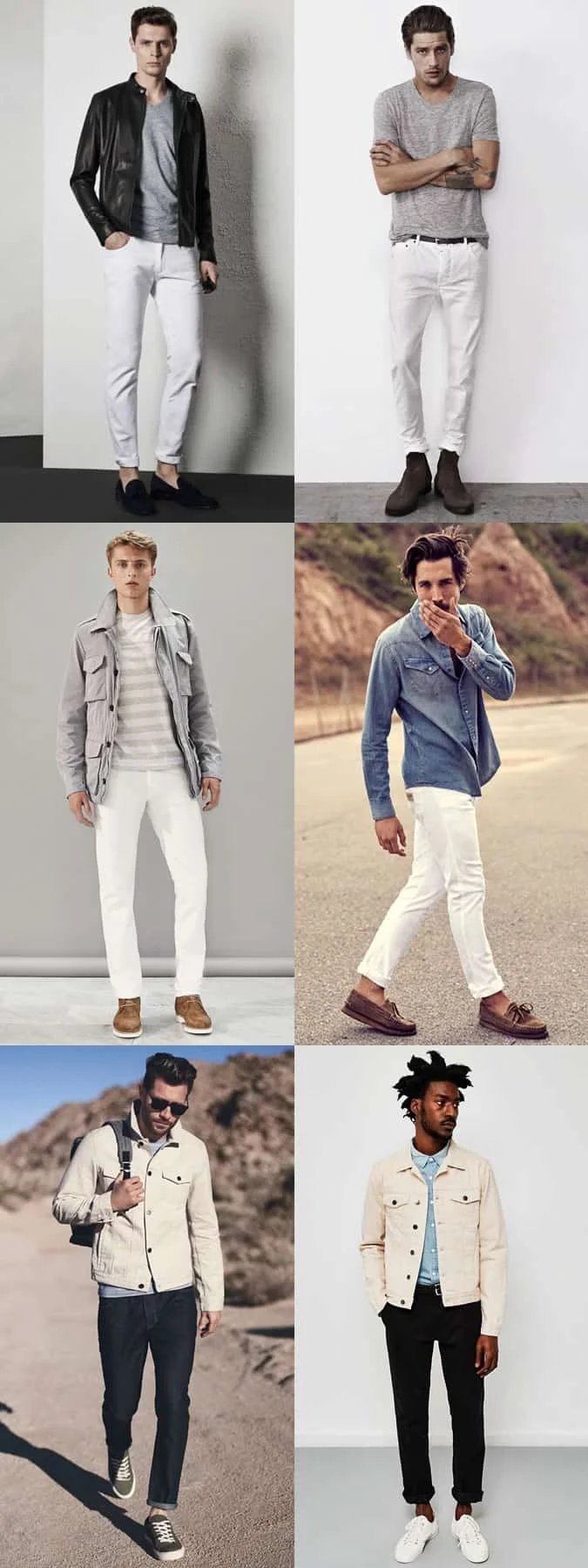
White Denim: The Seasonal Pivot
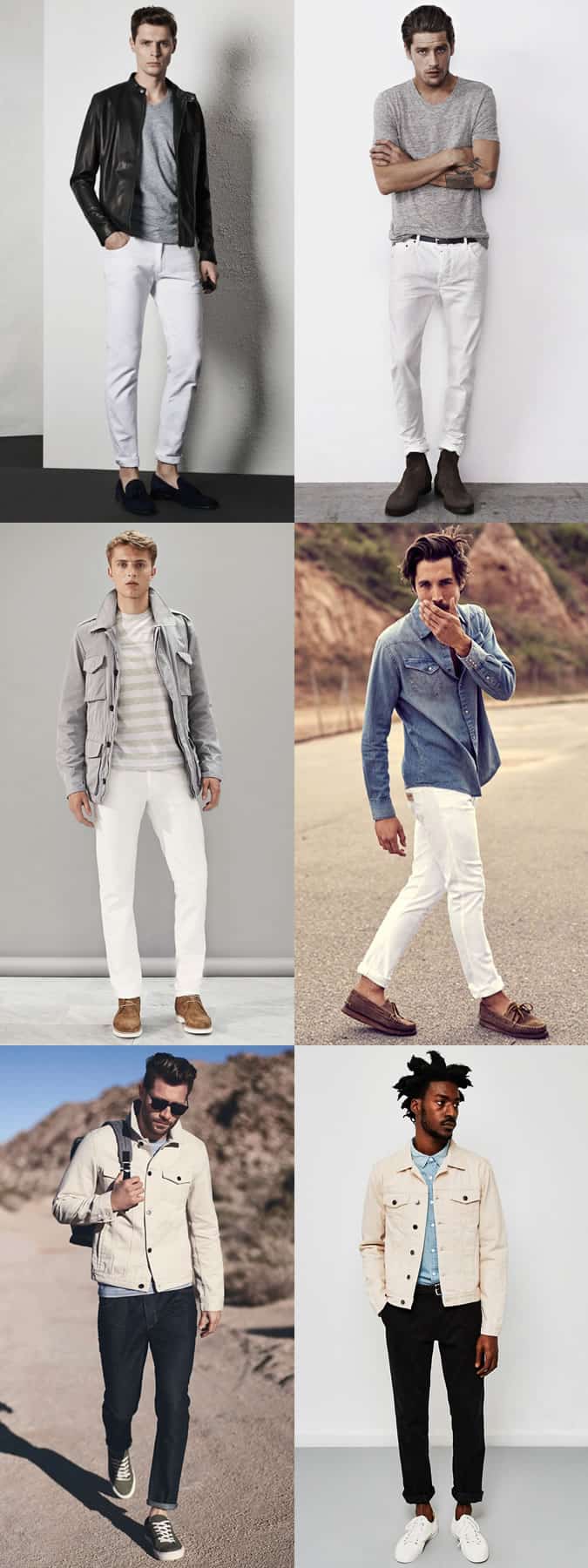
White denim is often perceived as a high-stakes, "comfort zone" item. The primary concern is, predictably, maintenance. However, from a color theory standpoint, white denim provides a level of brightness that is unmatched by any other fabric.
For those concerned about the starkness of pure white, stone or cream shades offer a softer alternative that is arguably more versatile across various skin tones. When styling white denim, the objective is to maintain a sense of balance. Pairing white jeans with dark, earthy tones—such as a khaki field jacket or a navy knit—anchors the look and prevents it from appearing overly seasonal.
The Evolution of Denim Trends: A Brief Chronology
The history of men’s denim in the 21st century can be viewed as a reaction to the extreme fits of the early 2000s. The timeline below illustrates the shift in consumer preferences:
- 2000–2005: The era of the "baggy" fit and hyper-distressed denim. This period was characterized by a lack of concern for formal coordination, leading to the infamous "double denim" disasters.
- 2006–2012: The "skinny" revolution. Influenced by indie-rock aesthetics, silhouettes narrowed drastically, with raw, dark indigo denim becoming the standard for formal-adjacent wear.
- 2013–2018: The rise of "athleisure" and the decline of rigid denim. Consumers prioritized comfort, leading to the integration of elastane into denim blends, creating "stretch" jeans that offered comfort at the expense of traditional structure.
- 2019–Present: The return to heritage. There has been a measurable shift back toward heavier-weight, 100% cotton denim and wider, more relaxed cuts. This reflects a broader interest in sustainability and garment longevity.
Data-Driven Insights into Denim Consumption
According to market research from various apparel trade organizations, the denim market continues to be a dominant force in global retail. In recent years, data has indicated a 4.2% year-over-year increase in the demand for "premium" denim—defined as jeans retailing for over $150. This suggests that the modern consumer is increasingly focused on the "cost-per-wear" metric, favoring high-quality, long-lasting raw denim over cheaper, fast-fashion alternatives.

Furthermore, a study by a major denim manufacturer found that 68% of male consumers cite "versatility" as the primary driver for their denim purchases. This underscores the necessity of the guide provided above; consumers want their denim to work across multiple scenarios, from professional settings to weekend leisure.
Industry Perspectives on Styling
Industry experts emphasize that the "rules" of denim are increasingly fluid but still rooted in balance. Gordon Richardson, formerly of Topman, has long championed the idea of the "smart-casual hybrid," noting that a blazer can instantly upgrade a pair of black jeans, provided the footwear is also elevated.
Conversely, Richard Hurren of Levi’s Northern Europe emphasizes the importance of simplicity in summer styling. "The goal should be to avoid over-complicating the outfit," he says. "A plain T-shirt, well-fitted mid-wash jeans, and classic trainers is a look that has remained consistent for decades for a reason."
Broader Implications for Modern Menswear
The significance of these styling choices extends beyond mere aesthetics. As dress codes in professional environments become increasingly informal, denim has effectively become the "new suit." The ability to distinguish between a pair of jeans that is appropriate for a casual Friday and one that is appropriate for a weekend in the park is a vital skill for the modern man.

Moreover, the shift toward sustainable, higher-quality denim has implications for the environment. By opting for darker, raw washes that require less frequent washing and possess greater durability, consumers are engaging in a more sustainable fashion practice. The "raw denim" movement, which encourages users to wash their jeans as infrequently as possible, represents a departure from the "throwaway culture" that dominated the early 2000s.
Ultimately, mastering the art of what to wear with denim is not about following rigid dictates, but about understanding the relationship between color, texture, and fit. Whether one opts for the starkness of white denim or the foundational reliability of dark indigo, the key to avoiding the pitfalls of the past lies in intention. By curating a wardrobe that balances classic staples with an understanding of modern wash applications, any man can ensure his sartorial choices remain on the right side of history, regardless of current trends.
