
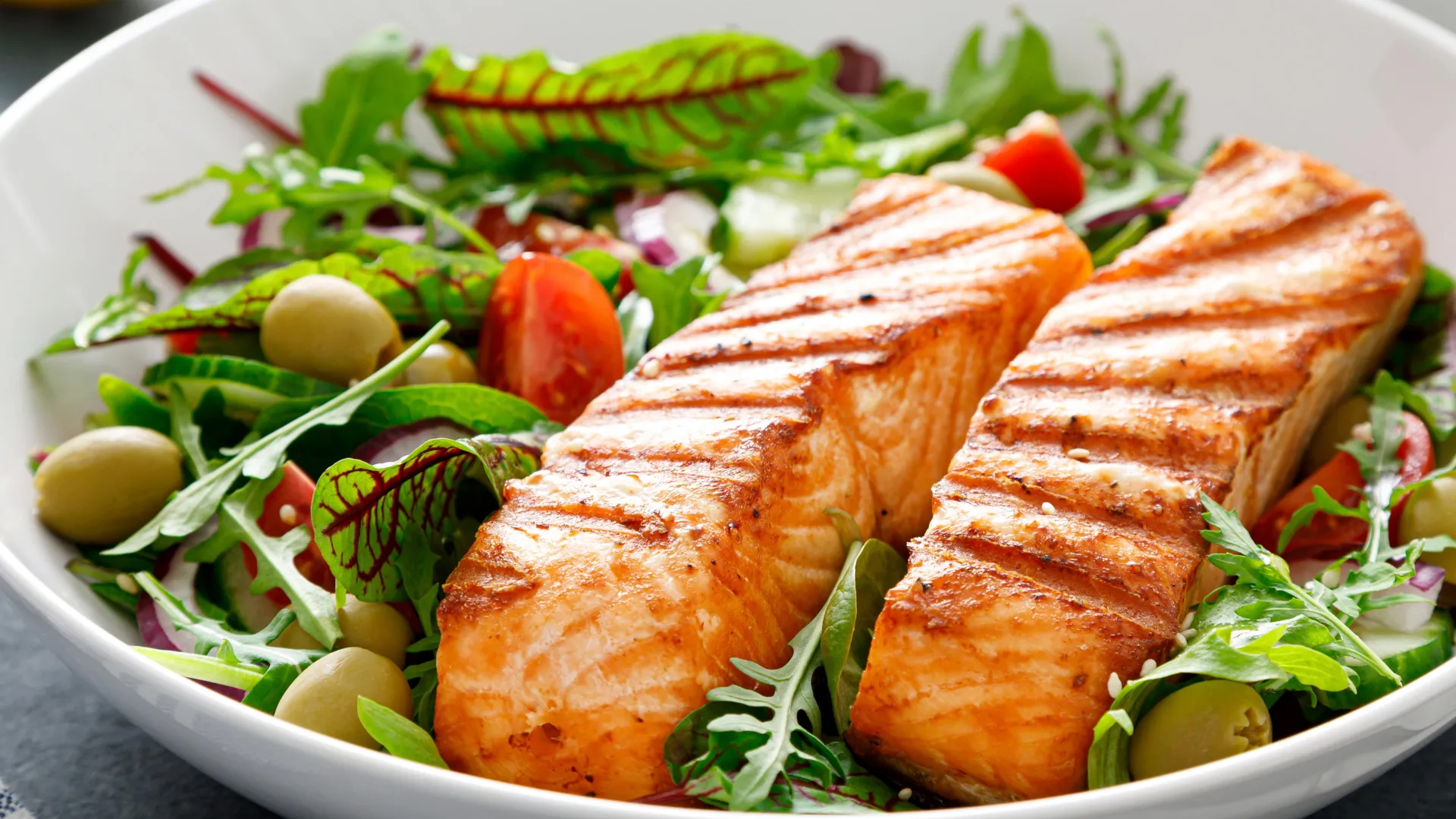
The timeless wisdom of the traditional Mediterranean diet has long been celebrated by nutritionists, cardiologists, and public health advocates across the globe. Characterized by a high consumption of extra virgin olive oil, fresh fish, legumes, nuts, fruits, and vegetables—coupled with a low intake of ultra-processed foods and refined carbohydrates—this dietary pattern has consistently demonstrated a remarkable capacity to lower the incidence of cardiovascular disease, type 2 diabetes, and age-related cognitive decline. Yet, despite decades of robust epidemiological data, the exact biological pathways through which these whole foods translate into systemic health benefits have remained only partially understood by the scientific community.
Now, groundbreaking research emerging from the University of Southern California (USC) Leonard Davis School of Gerontology has illuminated a surprising and sophisticated molecular mechanism underlying these well-documented advantages. According to a new study spearheaded by USC researchers, adherence to the Mediterranean diet directly influences the production of tiny, specialized proteins generated inside mitochondria—the microscopic organelles universally recognized as the cellular powerhouses responsible for energy generation. These specialized peptides, known as humanin and SHMOOSE, appear to act as vital molecular messengers, bridging the gap between daily dietary habits and the complex biological machinery that governs cellular aging, metabolic regulation, and neurodegeneration.
By identifying these microproteins as potential biochemical links between nutrition and cellular preservation, the USC research team has opened a fascinating new frontier in the emerging field of precision nutrition. While previous scientific inquiries primarily focused on broad nutritional components such as antioxidants, healthy fats, and fiber, this latest investigation shifts the microscopic lens directly onto mitochondrial biology. The implications of these findings extend far beyond individual dietary choices, offering a compelling glimpse into how human genetics, ancient cellular structures, and traditional cultural foodways intersect to promote resilience against some of the most challenging chronic conditions of the modern era.
Tracing the Chronology of Mitochondrial Microprotein Discovery
The newly published findings regarding the Mediterranean diet do not exist in a vacuum; rather, they represent the latest milestone in a rigorous scientific trajectory spanning more than two decades of dedicated inquiry into mitochondrial genetics. For many years, conventional molecular biology taught that mitochondrial DNA encoded only a rigid set of core components required for oxidative phosphorylation—the fundamental process by which cells generate adenosine triphosphate (ATP). The vast majority of human proteins were understood to be exclusively transcribed using the genetic instructions safely housed within the nucleus of the cell.
However, this traditional paradigm began to shift significantly in 2003, when USC Leonard Davis School Dean and distinguished professor Pinchas Cohen, alongside fellow researchers, made the seminal discovery of humanin. First identified as a short peptide encoded within mitochondrial DNA—specifically within regions previously dismissed by geneticists as nonfunctional junk DNA or noncoding open reading frames—humanin quickly commanded the attention of the biogerontology community. Subsequent preclinical and clinical investigations over the ensuing years progressively linked humanin to a diverse array of physiological benefits, including enhanced insulin sensitivity, optimized metabolic homeostasis, robust cardiovascular protection, and the preservation of cognitive faculties against neurodegenerative decline.
Building upon this foundational work, Cohen’s research team continued to scour the mitochondrial genome for other hidden functional elements. This persistent investigative effort culminated in the more recent identification of SHMOOSE, an acronym derived from Small Human Mitochondrial ORF Over SErine tRNA. The discovery of SHMOOSE generated considerable scientific excitement, particularly due to its profound implications for neurological health. Genetic mapping and epidemiological studies revealed that a specific variant of the SHMOOSE gene is heavily correlated with an elevated risk of developing Alzheimer’s disease. Conversely, the normal, wild-type version of the microprotein appears to exert a protective effect on vulnerable neurons, shielding them from the neurotoxic accumulation of amyloid proteins that hallmark the pathology of Alzheimer’s.
Over the past twenty years, as the scientific understanding of these mitochondrial peptides matured, researchers increasingly recognized them as powerful systemic regulators of aging biology. Yet, a critical piece of the puzzle remained missing: what environmental or behavioral triggers could reliably modulate the abundance and activity of these microproteins within the human body? The intersection of this mitochondrial research with nutritional science ultimately materialized through the collaborative efforts of USC instructional associate professor of gerontology Roberto Vicinanza and his colleagues, who sought to determine whether everyday dietary patterns might directly influence humanin and SHMOOSE expression.
Detailed Insights from the USC Gerontology Study
To investigate the theoretical connection between nutritional intake and mitochondrial microprotein dynamics, the USC research team designed a focused observational study analyzing biological samples and dietary metrics from older adults. The participants, representing varying degrees of adherence to traditional Mediterranean dietary patterns, provided comprehensive data regarding their daily nutritional habits alongside blood plasma samples that allowed investigators to quantify circulating concentrations of both humanin and SHMOOSE.
The empirical results of the analysis revealed a striking biological correlation. Individuals whose daily eating habits most closely aligned with the core tenets of the Mediterranean diet exhibited significantly elevated plasma concentrations of both humanin and SHMOOSE compared to those whose diets deviated substantially from this pattern. Furthermore, these elevated microprotein profiles corresponded directly with reduced systemic biomarkers of oxidative stress—a destructive physiological state wherein highly reactive and volatile molecules, known as reactive oxygen species (ROS), overwhelm the body’s native antioxidant defenses. Left unchecked, chronic oxidative stress progressively damages cellular proteins, lipids, and DNA, thereby accelerating the biological aging process and driving the pathogenesis of numerous chronic diseases.
A closer examination of the dietary components within the study cohort illuminated distinct relationships between specific foods and individual microproteins. Higher dietary intake of extra virgin olive oil, fatty fish rich in omega-3 fatty acids, and nutrient-dense legumes—such as beans and lentils—showed a direct statistical association with elevated humanin levels. Meanwhile, generous consumption of extra virgin olive oil, paired with a conscious reduction in the intake of refined carbohydrates, strongly correlated with increased concentrations of SHMOOSE. Refined carbohydrates, characterized by heavily processed grains and concentrated sugars found in white bread, commercial pastries, and sugary snack foods, typically lack the vital fiber and micronutrient density characteristic of minimally processed whole foods.
These nuanced findings prompted important commentary from the study’s senior leadership. According to Dr. Pinchas Cohen, the observed data strongly suggests that specific, bioactive components of the Mediterranean diet do not merely provide passive nutritional support; rather, they actively and directly influence complex mitochondrial biology. Consequently, Cohen suggests that humanin and SHMOOSE could eventually be clinically validated and utilized as reliable biomarkers—measurable biological indicators that accurately reflect an individual’s adherence to healthy eating patterns and gauge their physiological cellular response.
Investigating the Mechanistic Pathway of Cardioprotection
To comprehend the full significance of these discoveries, it is essential to examine the specific physiological mechanisms through which mitochondrial microproteins safeguard the cardiovascular system. Alongside their analysis of dietary adherence and microprotein concentrations, the USC research team uncovered a critical biochemical relationship between humanin and an enzyme known as Nox2. This particular enzyme plays a primary role in the generation of reactive oxygen species within vascular tissues.
While transient and regulated bursts of reactive oxygen species serve essential physiological functions in normal cellular signaling pathways and immune defense mechanisms, chronic or excessive production by enzymes like Nox2 inflicts severe damage on endothelial cells, blood vessel walls, and surrounding tissues. The USC investigators observed a clear inverse relationship within their study participants: individuals possessing higher circulating levels of humanin consistently exhibited reduced Nox2 activity. This vital discovery suggests a novel protective pathway wherein humanin actively dampens deleterious oxidative processes, thereby offering an additional, highly localized layer of cardiovascular defense.
Based on these findings, the researchers have proposed a comprehensive, dual-action model for how the Mediterranean diet protects the human heart. First, the dietary pattern delivers an abundance of direct antioxidants and anti-inflammatory compounds that naturally counteract oxidative stress. Second, and perhaps more profoundly, the diet stimulates the endogenous production of mitochondrial microproteins such as humanin, which actively regulate intracellular stress-response pathways and suppress destructive enzymatic activity at the molecular level.
While the observational nature of the study precludes definitive claims of direct causality—meaning researchers cannot yet state definitively that the diet single-handedly forces the upregulation of these proteins, or that the proteins alone prevent cardiovascular events—the physiological coherence of the data is compelling. Dr. Roberto Vicinanza emphasized the magnitude of this hypothesis, noting that these insights could well represent an entirely new cardioprotective mechanism for a diet that has already garnered decades of clinical validation.
Cultural Heritage, Global Advocacy, and the Modern Scientific Paradigm
Dr. Roberto Vicinanza’s professional dedication to the Mediterranean diet transcends the sterile confines of the molecular laboratory. His academic and public health endeavors reflect a holistic commitment to promoting this traditional nutritional lifestyle internationally as an invaluable model for human health, cultural preservation, and environmental sustainability. This broader mission led to a significant institutional partnership with the Municipality of Pollica in Italy, a region officially recognized by UNESCO as an emblematic community of the Mediterranean diet.
This collaborative advocacy ultimately contributed to a major international milestone: the establishment of the official International Day of the Mediterranean Diet, formally recognized and supported by the United Nations. Observed annually on November 16, this global event draws critical public attention not only to the well-established health benefits of the diet, but equally to its rich cultural traditions and its exceptionally low environmental impact compared to modern, industrialized food systems.
For researchers bridging the gap between historical anthropology and contemporary molecular biology, these cultural initiatives reinforce a fundamental evolutionary argument. Dr. Vicinanza frequently points out that traditional dietary patterns featuring minimal or zero ultra-processed foods closely mirror the nutritional ecology to which human physiology—and specifically ancient cellular organelles like mitochondria—spent millennia adapting. Modern industrialized diets, saturated with chemical additives, artificial sweeteners, and refined industrial seed oils, represent an unprecedented evolutionary mismatch, whereas traditional Mediterranean foods provide the exact chemical signals that cellular machinery recognizes and efficiently utilizes.
Broader Implications and Future Horizons in Precision Nutrition
Despite the profound promise of these discoveries, the scientific team maintains a rigorous and objective perspective regarding the limitations of their initial investigation. Because the study was observational and conducted with a relatively modest sample size, it successfully identified meaningful statistical relationships and biological correlations, but it could not definitively prove cause-and-effect dynamics. Confounding variables, including the baseline health status, socioeconomic factors, and overall lifestyle habits of the participants, must be thoroughly controlled in subsequent research before clinical guidelines can be definitively rewritten.
Nevertheless, the identification of humanin and SHMOOSE as dietary-responsive mitochondrial peptides represents a monumental step forward for the burgeoning field of precision nutrition. Unlike generic dietary guidelines that apply a one-size-fits-all approach to public health, precision nutrition seeks to tailor specific dietary recommendations to an individual’s unique genetic, metabolic, and molecular profile. If forthcoming randomized controlled trials confirm that targeted dietary interventions can predictably and reliably elevate humanin, SHMOOSE, and related microproteins, these molecules will transform into indispensable diagnostic tools for clinicians and researchers alike.
The immediate scientific imperative moving forward is clear: researchers must transition from observing compelling associations to definitively establishing causality. Future experimental studies will be tasked with determining whether strict adoption of a Mediterranean-style nutritional intervention actively increases the synthesis of these protective proteins in real-time, and whether those targeted biological shifts yield measurable, long-term improvements in cardiovascular performance, cognitive function, and metabolic disease risk.
As science continues to peel back the layers of cellular biology, the convergence of ancient dietary wisdom and cutting-edge molecular genomics offers an inspiring roadmap for the future. By decoding the intricate language spoken between our daily food choices and our microscopic cellular powerhouses, researchers are moving closer to a future where personalized nutritional strategies can actively harness the body’s innate biological pathways to promote healthier, more resilient aging across the global population.
