
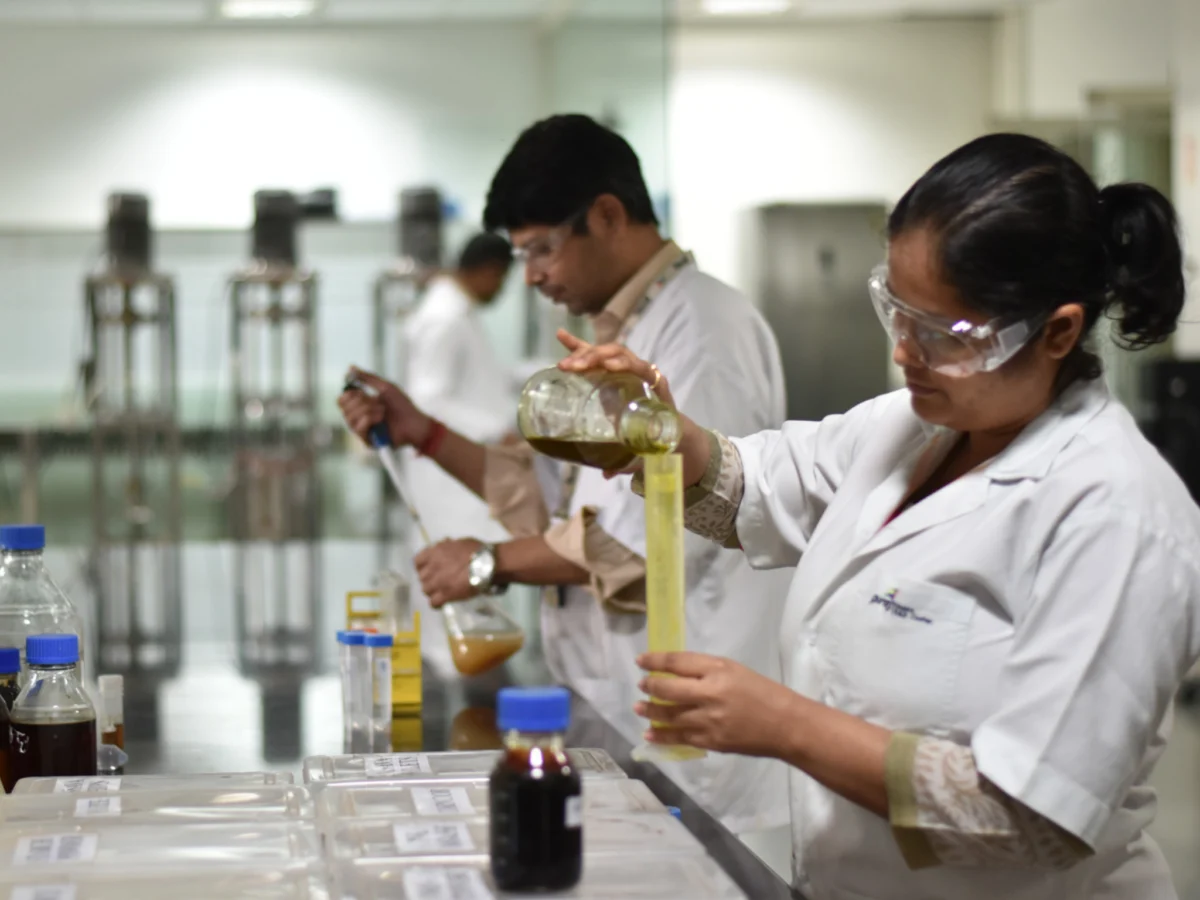
Pune, India – In a significant stride towards bolstering India’s burgeoning biomanufacturing sector, Praj Industries, a prominent Indian biotechnology company, has inaugurated a state-of-the-art Advanced Precision Fermentation Lab in Pune. This strategic development is further amplified by a Memorandum of Understanding (MoU) signed with the National Centre for Cell Science (NCCS), a nodal institution under the Department of Biotechnology (DBT) funded by the Indian government. This collaboration is designed to dramatically accelerate the industrial-scale deployment of precision fermentation technologies, a cornerstone of the nation’s ambitious BioE3 strategy.
The establishment of this advanced facility underscores India’s commitment to becoming a global leader in biotechnology, a vision articulated in the government’s BioE3 strategy unveiled in 2024. This policy framework aims to foster innovation, attract investment, and cultivate a robust ecosystem for biomanufacturing across the country. The initiative has already spurred a wave of investments and facility developments by various companies and institutions, with Praj Industries’ new lab being the latest addition to this dynamic landscape.
Housed within Praj Industries’ research and development center, Praj Matrix, the new lab is equipped with artificial intelligence (AI) capabilities and is specifically engineered to drive next-generation biotechnology. Its primary objective is to expedite India’s transition towards "high-performance, low-carbon biomanufacturing." The facility is poised to focus on large-scale precision fermentation and sophisticated bioprocess development, aiming to enhance operational efficiency, mitigate the inherent risks associated with scaling up complex biological processes, and bolster overall process reliability.
The MoU between Praj Industries and the Biotechnology Research and Innovation Council’s National Centre for Cell Science (BRIC-NCCS) signifies a crucial academia-industry synergy. This partnership is set to be instrumental in translating laboratory breakthroughs into commercially viable, industrial-scale biomanufacturing solutions.
Precision Fermentation: A Catalyst for Sustainable Production
Precision fermentation is a transformative biotechnology that leverages microorganisms, such as bacteria, yeast, or fungi, as miniature cellular factories. By introducing specific genetic material (DNA sequences) into these microbes, scientists can program them to produce desired molecules. These molecules can range widely, encompassing proteins, essential fats, vital vitamins, nuanced flavor compounds, and vibrant pigments. The process involves cultivating these engineered microorganisms under controlled conditions in fermenters, where they metabolize substrates and secrete or accumulate the target compounds.
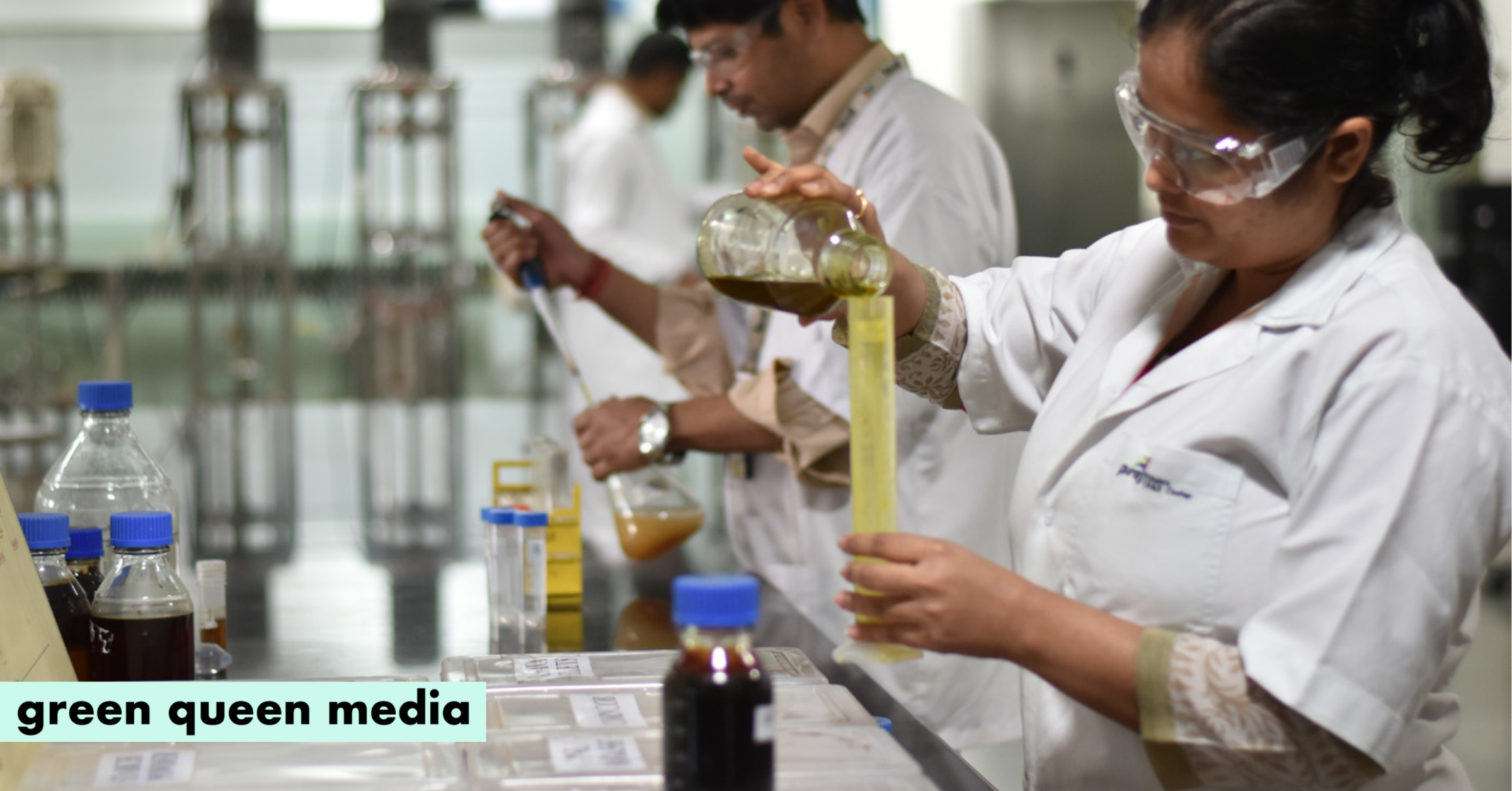
Historically, precision fermentation has been the bedrock for producing critical bio-based products like animal-free insulin for diabetes management, rennet used in cheese production, and various vitamin supplements. Its application has now expanded significantly, enabling the replication of complex ingredients previously sourced from animal agriculture, such as dairy proteins (like whey and casein) and animal fats, offering sustainable and ethical alternatives.
For Praj Industries and its subsidiary, Praj HiPurity, which possesses deep expertise in designing and manufacturing precision fermenters and ultra-pure water systems, this advanced lab represents a significant leap forward. The capabilities developed here will be deployed across diverse sectors, including pharmaceuticals, where it can be used to produce therapeutic proteins and antibodies; the food and beverage industry, for creating novel ingredients and enhancing nutritional profiles; cosmetics, for producing active compounds and emollients; and the biofuel sector, for developing advanced biofuels and biochemicals.
Pramod Chaudhari, the visionary founder of Praj Industries, articulated the significance of the new facility: "The Advanced Precision Fermentation Lab at Praj Matrix represents a significant leap in our innovation journey. It brings together biology, engineering, and digital technologies to create scalable, low-carbon solutions." This integrated approach, combining biological expertise with advanced engineering and AI-driven digital tools, is central to achieving the next generation of biomanufacturing.
Bridging the Gap: Academia-Industry Collaboration for Scalability
The partnership with BRIC-NCCS is strategically designed to accelerate the entire innovation pipeline, from fundamental scientific discovery to robust, scalable biomanufacturing. The collaboration will concentrate on several key areas: building advanced bioprocessing capabilities, identifying and characterizing novel biomolecules and microbial strains with industrial potential, providing specialized training and scholarships to cultivate a skilled workforce, and facilitating joint research initiatives, sponsorships, and long-term collaborative projects between academic researchers and industry professionals.
BRIC-NCCS brings a wealth of expertise to this partnership, particularly in microbial research, genomics, and comprehensive cell culture repositories. By integrating these strengths with Praj Industries’ process development and high-purity manufacturing capabilities, the collaboration aims to create a seamless pathway for innovation, from initial concept to industrial application. This integrated approach is crucial for reducing the time and cost associated with bringing new biotechnological products to market.
India’s Rapidly Expanding Biomanufacturing Ecosystem
The establishment of the Praj Industries lab and its partnership with BRIC-NCCS occurs within a broader national context of intense focus on developing India as a global biomanufacturing hub. The government’s proactive stance, driven by the BioE3 strategy, has led to the creation of several key initiatives and infrastructure developments over the past few years.
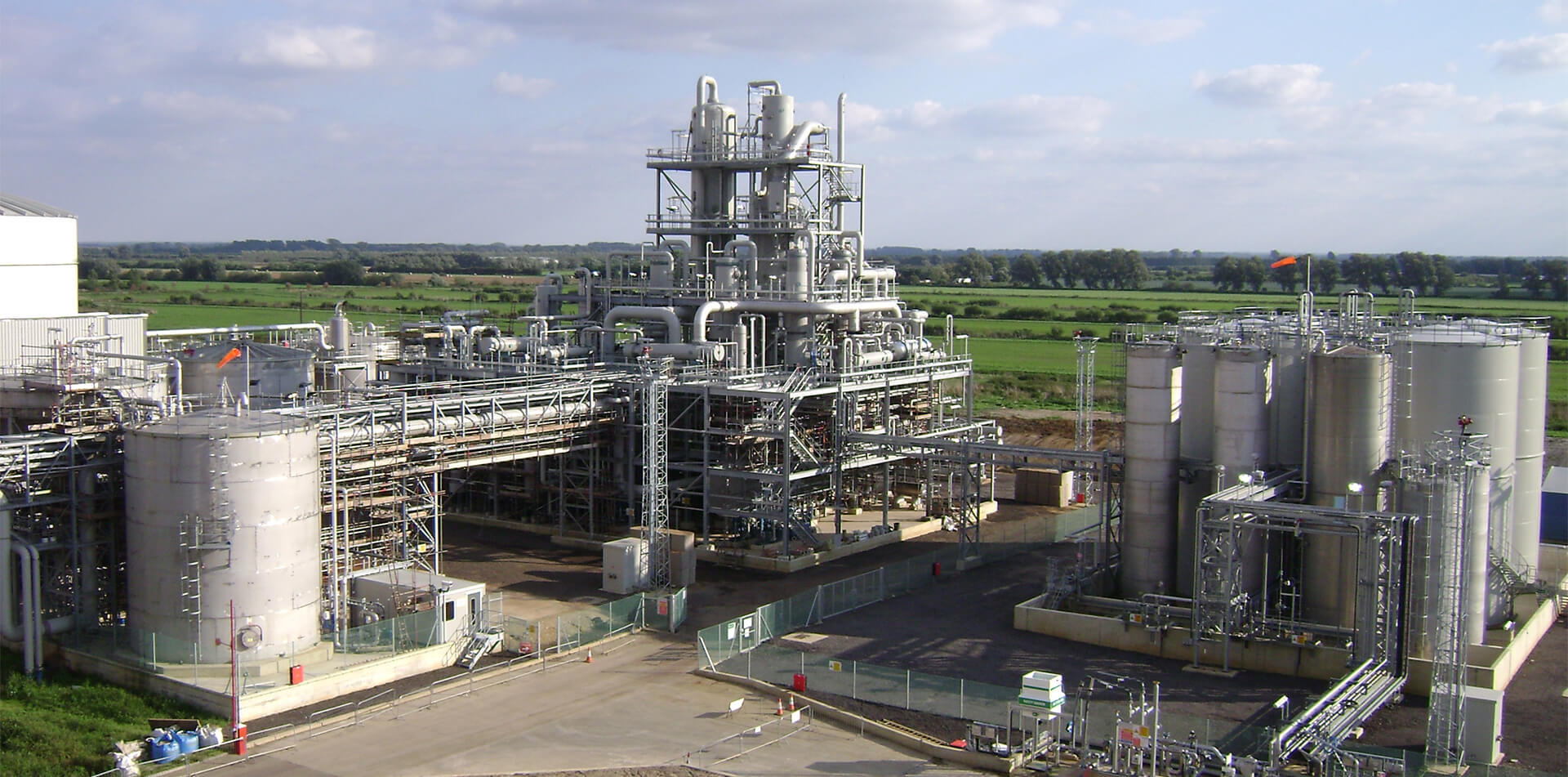
Just weeks prior to this announcement, the Indian government, through its Biotechnology Industry Research Assistance Council (BIRAC), launched the BIRAC-BioNest Incubation Centre. This initiative is specifically designed to support startups and emerging companies in advancing their research and achieving commercial viability for cutting-edge technologies, including precision fermentation, CRISPR gene editing, and other advanced biotechnologies.
Further demonstrating this commitment, the Minister of Science and Technology, Jitendra Singh, recently laid the foundation stone for an upcoming BioFoundry Centre in Mohali. Supported by an investment of ₹42 crore (approximately $4.5 million USD) over the next two years, this centre will be established under the Department of Biotechnology. Its primary objective is to bridge the critical gap between laboratory-scale research and the industrial application of alternative proteins, a rapidly growing market segment.
The proactive development of biomanufacturing infrastructure also includes the establishment of the National Institute of Animal Biotechnology in Hyderabad, inaugurated last year. This institute houses India’s first animal stem cell biobank and is poised to revolutionize advancements in animal health, regenerative medicine, agricultural productivity, and the development of cultivated proteins.
In 2024, Bengaluru emerged as a significant hub with the launch of the Centre for Smart Protein and Sustainable Material Innovation, an incubation facility, and the Alternative Proteins Innovation Center, a dedicated scale-up facility. These developments collectively reflect the government’s strategic vision to create interconnected biomanufacturing hubs and biofoundries across the country, accelerating technological development and commercialization.
Private Sector Momentum Fuels National Ambitions
The private sector is actively contributing to and benefiting from this government-led push. This year has seen significant private sector collaborations aimed at expanding biomanufacturing capabilities. Swiss startup Planetary, a leader in mycoprotein production, has partnered with DCM Shriram Bioseeds. This collaboration aims to establish mycoprotein production at one of DCM Shriram’s existing sugar mills in India, leveraging existing industrial infrastructure for a novel bio-based product.
In parallel, local firm PreferCo has joined forces with German biotechnology giant Glatt to launch a precision fermentation scale-up center in Hyderabad. This partnership signifies a commitment to providing essential scale-up services for companies looking to bring their bio-manufactured products to market.

These private sector initiatives, often catalyzed by government policies and infrastructure, are crucial for translating the potential of biotechnology into tangible economic and societal benefits. They demonstrate a growing confidence in India’s ability to become a major player in the global biomanufacturing landscape.
Rajesh Gokhale, Secretary of the Department of Biotechnology, highlighted the critical role of collaboration in achieving these national objectives. "India’s bioeconomy growth will be driven by strong academia-industry linkages and a skilled scientific workforce," he stated following the MoU signing with Praj Industries. He further emphasized, "Such initiatives and collaborations align well with DBT’s vision of promoting translational research and building capacity in biotechnology. They will play a vital role in accelerating innovation and strengthening India’s bio-based economy."
The establishment of Praj Industries’ Advanced Precision Fermentation Lab, coupled with its strategic partnership with BRIC-NCCS, represents a pivotal moment for India’s biomanufacturing sector. It signifies a concerted effort by both public and private entities to harness the power of biotechnology for sustainable production, economic growth, and global leadership in the bioeconomy. The coming years are expected to witness a significant acceleration in the development and deployment of precision fermentation technologies, positioning India at the forefront of this transformative industrial revolution.
