
The external genitalia represent some of the most oestrogen-dependent tissues in the human body, undergoing profound physiological transformations as ovarian hormone production declines during the menopausal transition. This biological shift frequently triggers a spectrum of distressing symptoms that can severely compromise a patient’s quality of life, sexual health, and overall well-being. Despite the high prevalence of these conditions—often collectively referred to as the genitourinary syndrome of menopause (GSM)—many individuals remain hesitant to discuss intimate health concerns with healthcare providers. To bridge this clinical gap, three leading practitioners recently shared comprehensive strategies for identifying, assessing, and improving the intimate anatomical health of menopausal patients, shedding light on modern diagnostic protocols, emerging therapeutic interventions, and the critical need for proactive patient communication.
The Biological Impact of Oestrogen Withdrawal on Intimate Tissues
To understand the necessity of targeted clinical interventions, medical professionals must first examine the intricate relationship between oestrogen and the urogenital tract. Oestrogen receptors are densely distributed throughout the vulva, vagina, urethra, and bladder trigone. These hormones maintain tissue integrity by promoting collagen synthesis, maintaining epithelial thickness, ensuring adequate vascular perfusion, and preserving local acid-base balances through the support of lactobacilli populations.
When ovarian senescence occurs, circulating oestrogen levels plummet. This abrupt or gradual withdrawal initiates a cascade of atrophic changes. Tissues lose their elasticity and structural resilience, submucosal vasculature diminishes, and the protective mucosal barrier thins significantly. Clinically, these changes manifest as vaginal dryness, burning, irritation, dyspareunia (painful intercourse), and recurrent urinary tract infections (UTIs). Because the external genitalia also undergo significant fat pad atrophy and labial shrinkage, patients frequently report physical discomfort during routine daily activities, such as cycling, walking, or wearing fitted clothing.
Clinical Identification and Comprehensive Assessment Protocols
Identifying intimate health deterioration requires a nuanced, empathetic, and thorough clinical evaluation. Many patients will not volunteer information regarding sexual dysfunction or localized pain due to social stigma, embarrassment, or the misconception that these symptoms are an inevitable part of aging. Consequently, practitioners emphasize the importance of normalizing these conversations during routine midlife health checks.
A comprehensive assessment begins with a detailed medical and sexual history, probing specifically for changes in urinary habits, sexual comfort, and localized irritation. During the physical examination, the clinician inspects the external genitalia, noting the degree of labial resorption, loss of pubic hair, clitoral involution, and mucosal pallor or friability. The pH of the vaginal vault may be assessed, as a rise above 5.0 typically indicates a loss of protective flora and oestrogen depletion.
Practitioners underscore that early identification is vital. Left unaddressed, GSM is a progressive condition that does not resolve spontaneously; rather, it tends to worsen over time, leading to fibrotic changes and anatomical narrowing that can make subsequent therapeutic interventions more challenging.
Multimodal Strategies for Tissue Improvement and Rejuvenation
Once a diagnosis of genitourinary atrophy is established, clinicians can deploy a diverse array of evidence-based strategies tailored to the individual patient’s medical history, severity of symptoms, and personal preferences.
Hormone Replacement Therapy and Localized Oestrogen
For decades, systemic hormone replacement therapy (HRT) has been a primary tool for managing systemic menopausal symptoms, offering secondary benefits to urogenital tissues. However, for patients whose primary complaints are localized to the genitourinary tract, low-dose vaginal oestrogen preparations—such as creams, pessaries, rings, or tablets—are often the preferred first-line intervention. These treatments deliver localized oestrogen directly to the target tissues with minimal systemic absorption, making them a safe and effective option for many women, including breast cancer survivors after careful oncology consultation.
Non-Hormonal Moisturizers and Lubricants
For individuals who cannot or prefer not to use hormonal treatments, regular application of high-quality, pH-balanced vaginal moisturizers and water- or silicone-based lubricants can significantly alleviate dryness and reduce friction-induced trauma during intercourse. Unlike temporary lubricants, long-acting moisturizers bind to the epithelial cells, helping to restore baseline moisture and elasticity over time.
Energy-Based Devices and Regenerative Medicine
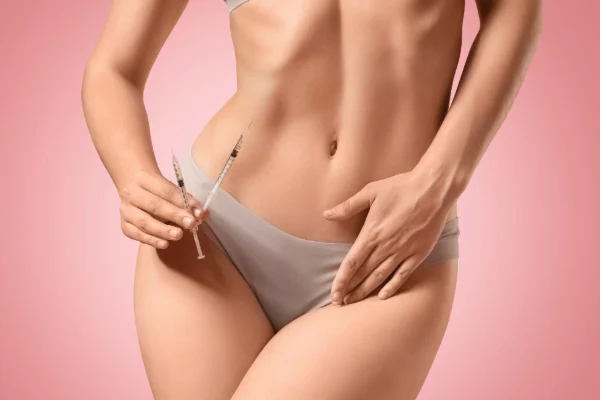
In recent years, the clinical landscape has expanded to include energy-based therapies, such as fractional micro-ablative CO2 lasers and radiofrequency devices, alongside regenerative medicine techniques like platelet-rich plasma (PRP) injections. These interventions aim to stimulate neocollagenesis, enhance microvascular circulation, and restore the thickness and architecture of the atrophic epithelium. While clinical studies demonstrate promising outcomes regarding symptom reduction and tissue revitalization, practitioners stress the importance of patient selection, proper device regulation, and managing realistic expectations regarding long-term maintenance.
The Broader Implications for Healthcare and Patient Quality of Life
The growing emphasis on intimate health in menopause reflects a broader cultural and medical shift toward proactive, longevity-focused care. Historically, women were expected to endure the physiological inconveniences of aging in silence. Today, the medical community increasingly recognizes that preserving sexual health and urogenital comfort is an essential component of healthy aging and psychological well-being.
The implications of these clinical strategies extend far beyond the examination room. By validating patients’ experiences and offering effective, personalized treatments, healthcare providers can alleviate the chronic distress associated with GSM, improve relationship satisfaction, and prevent debilitating complications such as chronic urinary symptoms and pelvic floor dysfunction. Furthermore, as educational initiatives equip more primary care physicians, gynecologists, and aesthetic practitioners with the tools to diagnose and treat these conditions early, millions of menopausal individuals stand to benefit from a higher standard of comprehensive, compassionate care.
