
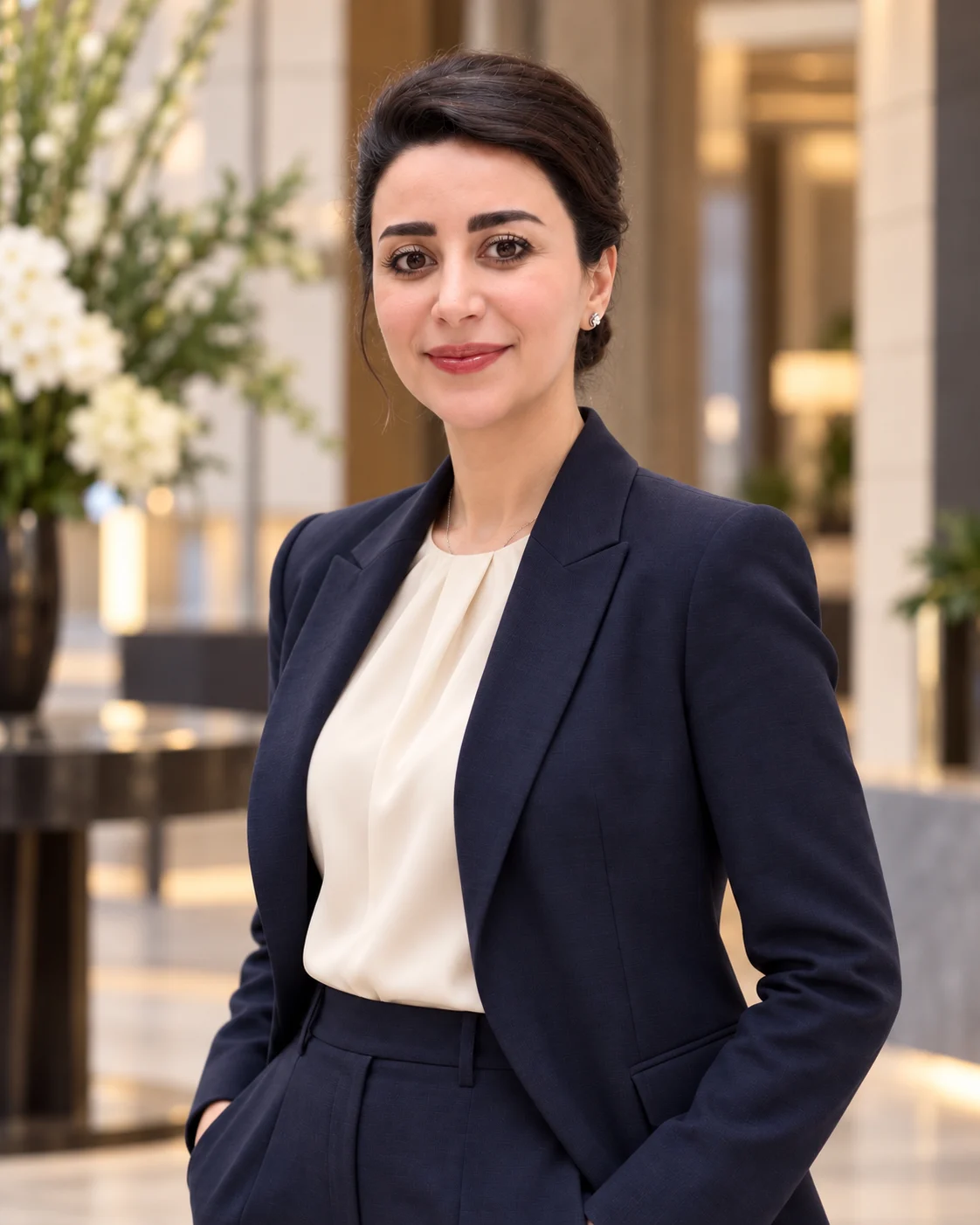
Aesthetic practitioner and clinician Dr Souphi Samizadeh has officially assumed the role of president of the Royal Society of Medicine’s (RSM) Section of Aesthetic Medicine and Surgery, marking a significant milestone for the prestigious institution. Succeeding the section’s founding president, Dr Christopher Rowland Payne, Dr Samizadeh has made history by becoming the first female president of this division. Her appointment heralds a new chapter for the section, one that places a definitive emphasis on cross-disciplinary collaboration, scientific rigor, evidence-based methodologies, and an unyielding commitment to patient safety in an increasingly complex medical marketplace.
The announcement was formally made public following a transition of leadership within the RSM, an organization with a centuries-long legacy of promoting health and education through medical advancement. As aesthetic medicine continues to evolve from a niche cosmetic offering into a sophisticated, highly specialized branch of medical practice, the leadership of figures like Dr Samizadeh is viewed by healthcare stakeholders as vital to navigating the regulatory, ethical, and clinical challenges of the modern era.
Evolution and Founding Context of the Section
To fully appreciate the weight of Dr Samizadeh’s appointment, it is necessary to examine the origins of the Section of Aesthetic Medicine and Surgery within the Royal Society of Medicine. Established in recent years to address the burgeoning field of aesthetic procedures, the section was created to bridge the gap between traditional medicine and the rapidly expanding science of aesthetic enhancements.
Dr Samizadeh’s connection to the section is foundational. She served as one of the original three founding officers who conceptualized and built the division alongside Dr Christopher Rowland Payne, the founding president, and Mr Jonathan Britto, the current president-elect. Over the years, the trio worked diligently to transform what began as an exploratory academic concept into a robust, formalized section of the RSM. This historical continuity positions Dr Samizadeh uniquely, as she transitions from a principal architect of the section’s administrative framework to its highest-ranking executive officer.
Reflecting on her journey and the section’s trajectory, Dr Samizadeh noted the significance of watching the division grow into an established pillar of the society. "It is an honour to take office as president of the Section of Aesthetic Medicine and Surgery at the RSM, as the section’s second president," she stated. "I was one of the three founding officers of the section… and it has been a privilege to see it grow from an idea into an established part of the society."
Core Pillars of the New Presidency
Under Dr Samizadeh’s stewardship, the Section of Aesthetic Medicine and Surgery is set to prioritize several strategic initiatives designed to elevate the standard of care across the specialty. Foremost among these is the reinforcement of a multidisciplinary approach. In her inaugural statements, Dr Samizadeh underscored the necessity of breaking down traditional silos within healthcare by bringing together surgeons, physicians, dermatologists, dentists, allied healthcare professionals, and fundamental scientists.
Historically, aesthetic procedures have sometimes suffered from fragmentation, with different medical specialties operating in isolation. Dr Samizadeh’s vision seeks to dismantle these barriers, creating a collaborative environment where diverse medical backgrounds contribute to a holistic understanding of aesthetic science. By integrating surgical precision with dermatological expertise, dental knowledge, and scientific research, the section aims to foster an ecosystem of continuous, cross-disciplinary learning.
Furthermore, the new administration has placed evidence-based practice at the absolute center of its operational mandate. In an industry frequently influenced by consumer trends, social media marketing, and rapidly shifting commercial products, Dr Samizadeh has stressed the importance of grounding clinical decisions in robust scientific data and peer-reviewed research.
"My priority is to keep the section a true home for multidisciplinary medical aesthetics and surgery; expert-led, grounded in science and evidence, and independent of any company or product," Dr Samizadeh emphasized. This commitment to commercial independence is widely regarded by medical ethicists as crucial for maintaining objective clinical standards and safeguarding public trust in aesthetic procedures.
Timeline of Leadership and Strategic Outlook
The transition of power at the RSM’s Section of Aesthetic Medicine and Surgery follows a structured leadership timeline designed to ensure institutional stability and continuity.
- Phase One (Inception): The foundational conceptualization of the section by Dr Christopher Rowland Payne, Dr Souphi Samizadeh, and Mr Jonathan Britto, establishing a formal academic home for aesthetic medicine within the RSM.
- Phase Two (Establishment): The formal launch of the section, followed by years of growth marked by targeted educational meetings, symposia, and the inclusion of a diverse membership base representing various surgical and non-surgical disciplines.
- Phase Three (Leadership Transition): The stepping down of Dr Christopher Rowland Payne and the formal ascension of Dr Souphi Samizadeh to the presidency, working alongside President-Elect Mr Jonathan Britto.
- Phase Four (The Year Ahead): The rollout of Dr Samizadeh’s strategic agenda, featuring an upcoming annual congress and a series of specialized, focused meetings designed to engage both seasoned practitioners and the next generation of clinicians.
Over the coming year, the section plans to execute an ambitious calendar of events. These gatherings will serve as forums for debating clinical innovations, reviewing safety protocols, and analyzing the latest clinical data. By widening the section’s academic reach, Dr Samizadeh hopes to mentor and support early-career clinicians, ensuring that the future workforce is equipped with both technical proficiency and a strong grounding in medical ethics.
Industry Background and the Broader Impact of Aesthetic Medicine
Dr Samizadeh’s presidential tenure arrives at a pivotal juncture for the global and domestic aesthetic medicine sector. Over the past two decades, aesthetic procedures—both invasive surgical interventions and non-surgical treatments such as neuromodulators and dermal fillers—have experienced exponential growth. Driven by technological advancements, greater social acceptance, and an aging population seeking maintenance of health and vitality, the market has expanded into a multi-billion-dollar global industry.
However, this rapid commercial expansion has not been without controversy. Regulators, patient advocacy groups, and established medical bodies have frequently raised concerns regarding the variable standards of training, product safety, and the proliferation of practitioners operating outside traditional medical oversight. In many jurisdictions, the non-surgical aesthetic sector has historically lacked uniform regulation, leading to well-documented instances of patient complications, botched procedures, and ethical concerns surrounding aggressive marketing tactics.
Against this backdrop, the intervention of authoritative medical institutions like the Royal Society of Medicine is critical. By championing strict, evidence-based educational standards and advocating for patient-centric care, leaders within the RSM aim to establish a gold standard that influences clinical practice well beyond the walls of the society.
Industry analysts and medical commentators suggest that Dr Samizadeh’s emphasis on independence from commercial interests is particularly timely. As pharmaceutical and device manufacturers continue to flood the market with new proprietary products, clinicians face mounting pressure to adopt commercial trends. An RSM section firmly anchored in scientific independence provides a much-needed sanctuary for objective peer review and critical clinical appraisal.
Expert Reactions and Institutional Endorsements
The broader medical community has responded positively to Dr Samizadeh’s appointment, viewing it as a progressive step forward for both the RSM and the wider aesthetic specialty. Representatives from various medical disciplines have noted that her extensive background as a clinician and educator uniquely equips her to bridge the divides between surgical and non-surgical specialties.
Colleagues and fellow RSM officers have praised her dedication to scientific integrity. Mr Jonathan Britto, president-elect of the section, noted that Dr Samizadeh’s historical involvement in establishing the division ensures a seamless continuation of its core mission while introducing fresh, forward-thinking leadership.
Furthermore, patient safety advocates have welcomed her focus on placing the wellbeing of individuals above all else. In aesthetic medicine, where psychological wellbeing and physical health are deeply intertwined, a patient-centred framework is widely considered non-negotiable. Dr Samizadeh’s stated goals of raising educational standards and protecting patients from unregulated or unproven practices align closely with the evolving expectations of health regulators and the public alike.
Future Horizons for the Section of Aesthetic Medicine and Surgery
As Dr Souphi Samizadeh embarks on her presidential term, the Section of Aesthetic Medicine and Surgery stands poised for a period of heightened academic productivity and societal influence. The challenges facing the specialty—ranging from the integration of artificial intelligence and advanced bio-technologies to the ongoing need for stringent regulatory oversight—will require steady, visionary leadership.
Through her commitment to fostering collaborative dialogue among surgeons, physicians, scientists, and allied health professionals, Dr Samizadeh is laying the groundwork for a more cohesive, scientifically rigorous future. By combining historical institutional knowledge with a modern, inclusive agenda, the Royal Society of Medicine’s Section of Aesthetic Medicine and Surgery under her leadership is set to remain at the absolute vanguard of clinical excellence, safety, and education in aesthetic medicine for years to come.
