
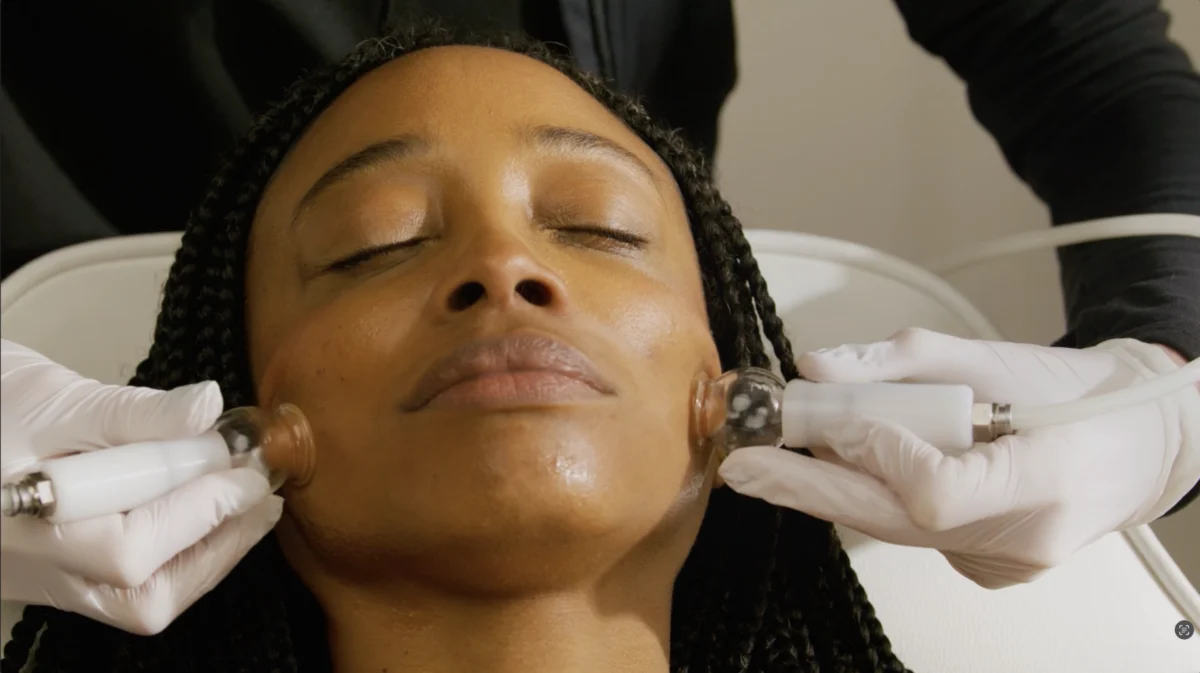
Medical technology company Candela officially introduced its latest skin rejuvenation platform, the Glacä facial treatment, during an exclusive launch event held at the Broadwick Soho hotel in London on October 8. The high-profile gathering brought together prominent figures from the aesthetic medicine community, specialized medical journalists, and clinical experts to witness the debut of a system designed to bridge the gap between clinical-grade efficacy and restorative spa-like experiences. The introduction of Glacä marks a strategic expansion for Candela, a globally recognized leader in aesthetic devices, as the company broadens its footprint within the multi-billion-pound professional skincare and facial treatment sector.
Morning Networking and Expert Panel Discussion
The morning event commenced with an exclusive breakfast and networking reception, providing an opportunity for clinical practitioners, industry analysts, and media representatives to discuss emerging trends in non-surgical facial treatments. Following the networking session, the core of the launch event unfolded: a comprehensive panel discussion featuring four respected aesthetic practitioners—Dr Wassim Taktouk, Dr Brendan Khong, Dr Zoya Awan, and Dr Ariel Haus.
Moderated to explore the clinical versatility and technological framework of the new platform, the panel focused heavily on the treatment’s broad suitability across diverse skin types and Fitzpatrick scales. In modern aesthetic medicine, the demand for protocols that can safely and effectively treat skin of color without risking post-inflammatory hyperpigmentation or other adverse thermal reactions remains a primary clinical priority. The assembled experts addressed how the Glacä system addresses these challenges through mechanical precision and controlled delivery mechanisms.
Dr Wassim Taktouk detailed the technical breakdown of the multi-step protocol, explaining how the procedure integrates distinct modalities to optimize skin health. According to Dr Taktouk, the treatment sequence begins with advanced microdermabrasion designed to thoroughly cleanse and exfoliate the stratum corneum, removing accumulated cellular debris and preparing the epidermal barrier for optimal product absorption. This initial phase is followed by hydro-infusion steps that deliver targeted, active-rich serums directly into the skin under controlled pressure.
The protocol further incorporates two distinct cupping massage stages. These phases are specifically engineered to support facial sculpting and stimulate lymphatic drainage, assisting in the reduction of temporary facial puffiness and enhancing microcirculation. To conclude the treatment, clinicians can select either a light-emitting diode (LED) phototherapy step or a thermal finishing modality, depending on the specific physiological needs of the patient’s skin at the time of the session.
Adaptability and Treatment Customization
Expanding upon the protocol’s clinical utility, Dr Zoya Awan emphasized the flexibility of the Glacä system within a busy clinical practice. Operating within a flexible duration of 30 to 60 minutes, the treatment can be seamlessly tailored to address individual patient concerns, ranging from rapid pre-event revitalization to comprehensive, multi-session anti-aging courses. Furthermore, Dr Awan noted that the facial can be easily incorporated into broader, more intensive treatment protocols, acting as a complementary priming or recovery step alongside energy-based devices such as lasers and radiofrequency microneedling systems.
Candela’s product development strategy for Glacä centers on a proprietary line of six specialized serums. Formulated with a blend of naturally derived extracts and high-potency active ingredients, these solutions target a comprehensive array of common dermatological complaints. The targeted concerns include cellular dullness, uneven epidermal texture, chronic dehydration, fine lines, and follicular congestion. In addition to facial applications, the protocol is validated for use on the delicate skin of the neck and décolletage, areas frequently overlooked in routine clinical skincare regimens yet highly susceptible to intrinsic and extrinsic aging.
Market Context and Industry Background
The launch of the Glacä facial treatment arrives at a transformative time for the global aesthetic device and professional skincare market. Industry data from recent market research reports indicate a significant upward trajectory in consumer demand for non-invasive and minimally invasive facial procedures. Post-pandemic consumer behavior has accelerated a shift toward preventative skin health, with patients increasingly seeking treatments that offer immediate visible improvements with minimal to no social downtime.
Historically, medical device manufacturers have focused heavily on capital-intensive energy-based devices, such as lasers for resurfacing and ultrasound or radiofrequency systems for skin tightening. However, the convergence of clinical practice and advanced medical facials—often referred to in the industry as "hydradermabrasion" or advanced multi-step skin systems—has created a lucrative commercial avenue. Practitioners are increasingly looking to diversify their clinic offerings with tiered treatment menus that capture both high-end medical interventions and maintenance-focused therapeutic facials.
Candela’s entry into this specific segment leverages the company’s established brand equity, research and development infrastructure, and existing relationships with dermatology clinics, plastic surgery practices, and medical spas worldwide. By combining medical-grade mechanical exfoliation with customized infusion physics, the company aims to set a new benchmark for what patients and practitioners expect from professional skin conditioning platforms.
Clinical Implications and Expert Analysis
From a physiological perspective, multi-modal facial treatments like Glacä operate on several synergistic principles designed to optimize skin homeostasis. Microdermabrasion provides controlled mechanical abrasion of the outermost layer of the epidermis, which stimulates cellular turnover and enhances the permeability of the skin barrier. This mechanical clearance is crucial for maximizing the bioavailability of the active ingredients delivered during the subsequent hydro-infusion phase.
The inclusion of targeted serums allows clinicians to customize the infusion based on real-time diagnostic assessments of the patient’s skin. Ingredients designed to provide intense hydration, such as hyaluronic acid derivatives, work in tandem with antioxidants and barrier-repair lipids to restore moisture balance and protect against environmental oxidative stress. Meanwhile, the mechanical cupping massage stages serve a physiological role beyond relaxation; by encouraging lymphatic drainage, the technique helps to clear metabolic waste products from the interstitial spaces, thereby improving tissue oxygenation and reducing localized edema.
The final stage of the treatment—the choice between LED phototherapy or a thermal finishing step—provides targeted cellular stimulation. Low-level light therapy utilizing specific wavelengths (such as blue, red, or near-infrared light) has been extensively documented in dermatological literature for its ability to modulate cellular activity, stimulate fibroblast proliferation, and reduce inflammatory markers associated with conditions such as mild acne or rosacea.
Broader Commercial Impact and Future Outlook
The successful debut of the Glacä facial treatment in London underscores Candela’s ongoing commitment to portfolio diversification and technological innovation in aesthetic medicine. By addressing both the clinical demands of practitioners—such as reproducibility, safety across diverse skin phototypes, and integration flexibility—and the consumer desire for efficacious, comfortable treatments, the company is well-positioned to capture significant market share in the professional skincare category.
As aesthetic clinics globally continue to adapt to a discerning patient base that values evidence-based skincare backed by reputable medical device manufacturers, platforms that offer a standardized yet highly customizable approach are expected to see robust adoption. The insights shared by Dr Taktouk, Dr Khong, Dr Awan, and Dr Haus during the Broadwick Soho panel discussion highlight a growing consensus among leading clinicians that multi-step, device-driven facials are no longer mere luxury spa additions, but essential, scientifically validated components of comprehensive dermatological and aesthetic care.
With the UK launch successfully concluded, industry observers anticipate a wider European and international rollout of the Glacä platform in the coming months. As clinical case studies accumulate and patient feedback is analyzed, the long-term impact of this multi-modal treatment on clinical workflows and patient retention strategies will become clearer, marking another chapter in the continuous evolution of professional aesthetic medicine.
