
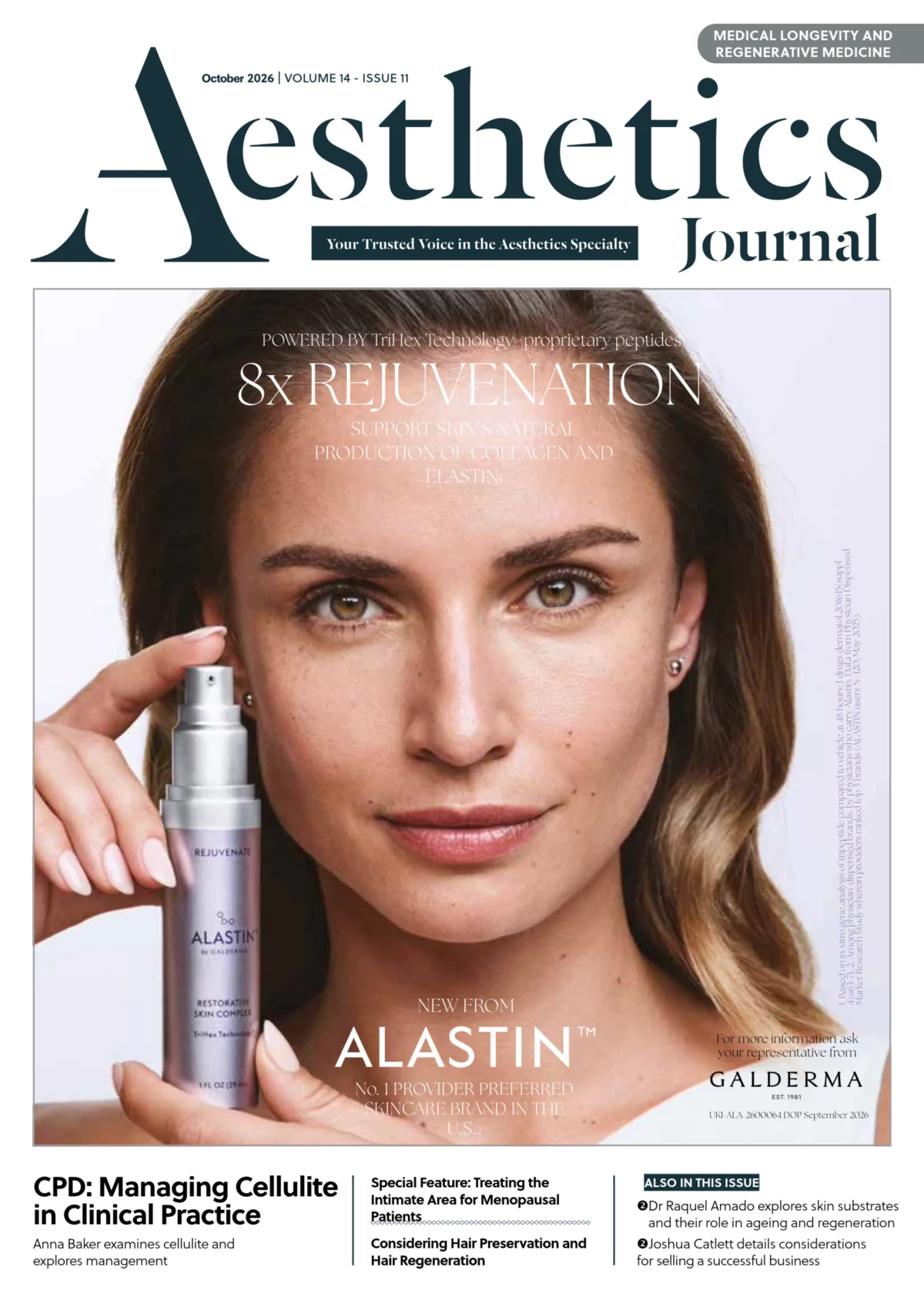
The landscape of aesthetic medicine has experienced unprecedented transformation over the past two decades, shifting from a niche subset of dermatology and plastic surgery into a multi-billion-dollar global industry characterized by rapid technological advancement, evolving regulatory frameworks, and heightened consumer demand. Amid this dynamic environment, reliable, evidence-based communication channels have become vital for practitioners seeking to maintain clinical excellence and adhere to stringent safety standards. A cornerstone of this professional ecosystem is the Aesthetics Journal, an industry-leading publication and multi-media platform operating under the banner of Easyfairs. By delivering up-to-date news, peer-reviewed clinical insights, interactive webinars, in-depth reports, and exclusive interviews, the platform serves as an essential nexus for doctors, nurses, dentists, and specialized practitioners across the United Kingdom and internationally.
Main Facts and Core Offerings of the Platform
At its core, the Aesthetics Journal functions as a comprehensive information hub tailored specifically to the multifaceted needs of the aesthetic community. The publication bridges the gap between scientific research and clinical practice, ensuring that healthcare professionals are equipped with the knowledge required to navigate complex clinical procedures, product innovations, and business management strategies.
The scope of content delivered by the platform spans several distinct mediums, each designed to cater to the varied learning preferences of modern medical professionals:
- Print and Digital Journal Editions: In-depth articles exploring advanced injection techniques, complication management, anatomical reviews, and regulatory updates.
- Breaking News Coverage: Timely reporting on legislative changes, safety warnings issued by health authorities, and corporate developments within the aesthetics sector.
- Educational Webinars: Interactive online seminars hosted by leading key opinion leaders (KOLs), providing practitioners with continuing professional development (CPD) opportunities and direct access to expert discourse.
- Special Reports and Industry Analysis: Data-driven assessments of market trends, consumer demographics, and emerging technological paradigms.
- Exclusive Interviews: Conversations with pioneering practitioners, regulatory officials, and industry innovators who are shaping the future of non-surgical and surgical aesthetics.
This multi-channel approach ensures that whether a practitioner is seeking immediate guidance on managing an adverse vascular occlusion or looking for a macro-level analysis of global market projections, the necessary resources are readily accessible.
Background Context and Industry Evolution
To fully understand the significance of platforms like the Aesthetics Journal, one must examine the broader historical context of the aesthetic medicine sector. Twenty years ago, non-surgical interventions such as botulinum toxin injections and dermal fillers occupied a relatively unregulated space. Treatments were frequently performed without standardized training pathways, and the dissemination of clinical knowledge relied heavily on sporadic conference attendance and manufacturer-led promotional materials.
As public acceptance and demand for non-invasive cosmetic procedures skyrocketed, the need for standardized education, rigorous clinical governance, and independent journalistic oversight became glaringly apparent. Regulatory bodies, including the UK’s Joint Council for Cosmetic Practitioners (JCCP) and the Aesthetic Complications Expert (ACE) Group, emerged to establish benchmarks for patient safety and practitioner competency. Concurrently, professional media outlets stepped up to fill the educational void, transforming from simple trade magazines into sophisticated, multi-media information networks.
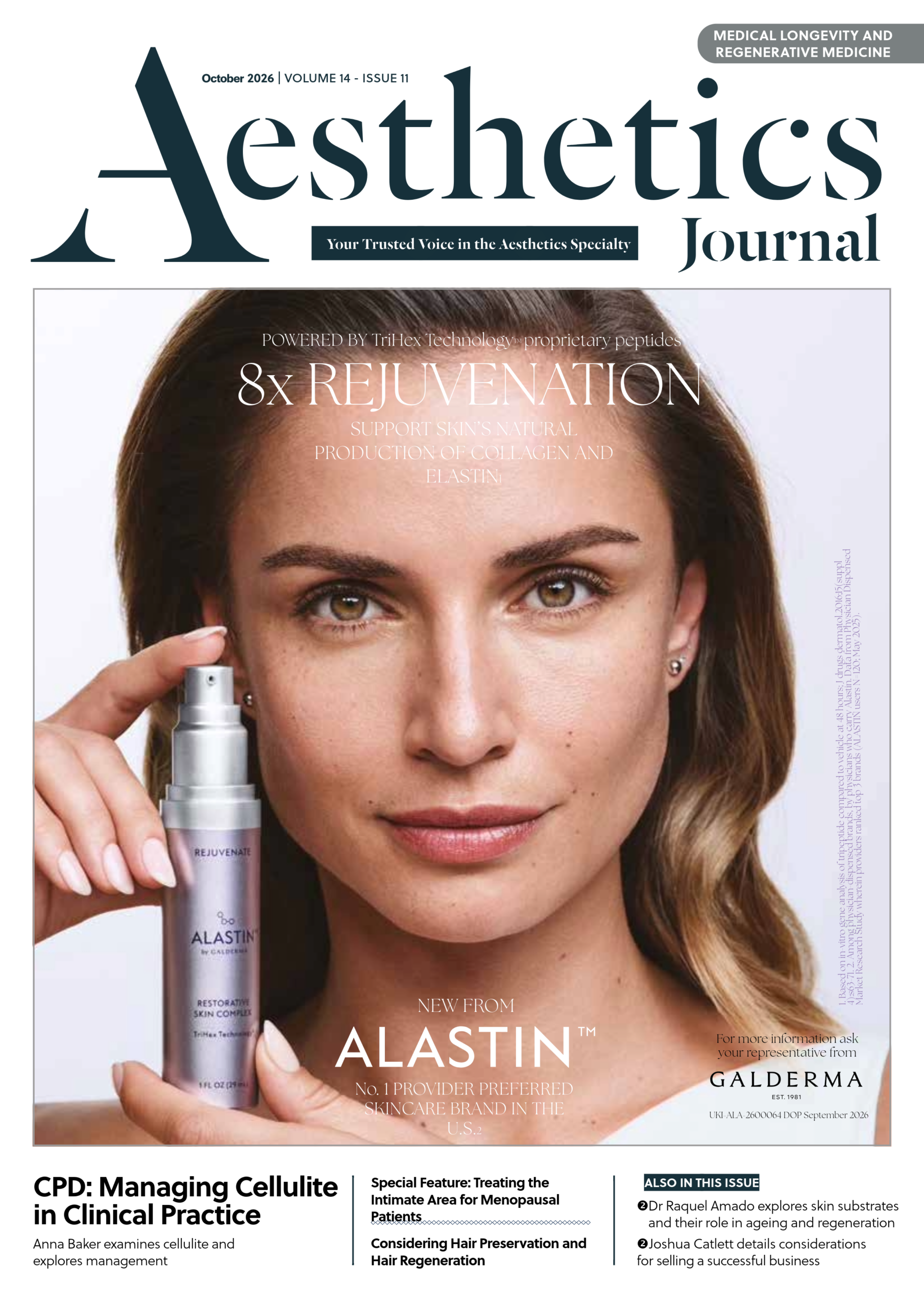
The integration of the Aesthetics Journal into the Easyfairs portfolio—a prominent international event organizer known for producing large-scale trade exhibitions and professional gatherings—further cemented its role within the medical aesthetics infrastructure. This strategic alignment bridged the gap between digital and print media and live, experiential events, creating a holistic ecosystem where practitioners can network, learn, and engage with cutting-edge innovations under one unified banner.
Chronology of Digital and Media Expansion in Aesthetics
The trajectory of specialized medical journalism mirrors the broader digitization of healthcare communications. A retrospective timeline highlights how platforms adapted to meet the demands of a digitally native medical community:
- Early 2000s: The inception of specialized print trade publications focusing on cosmetic dermatology and plastic surgery, primarily serving as localized bulletins for early adopters of aesthetic procedures.
- 2010–2015: The digital pivot. Traditional print publishers began developing robust websites, email newsletters, and early social media integration to deliver real-time news updates to an increasingly connected practitioner base.
- 2015–2020: The rise of multimedia education. Recognizing that static text was insufficient for teaching complex anatomical injection techniques, publishers introduced video content, clinical podcasts, and interactive webinars featuring live demonstrations.
- 2020–Present: The hybrid engagement model. Spurred by global shifts toward remote learning and digital communication, platforms expanded their digital footprints across multiple social channels—including Instagram, LinkedIn, and Facebook—while continuing to publish peer-reviewed journals and coordinate major live exhibitions through corporate partnerships like Easyfairs.
This evolutionary timeline illustrates a deliberate shift from passive information consumption to active, community-driven professional development.
Supporting Data and Market Dynamics
The growth of media platforms dedicated to aesthetics is directly correlated with the exponential expansion of the global aesthetic medicine market. According to recent industry reports, the global medical aesthetics market size was valued at approximately $15 billion to $20 billion and is projected to expand at a compound annual growth rate (CAGR) exceeding 10% over the next decade.
Key drivers of this growth include:
- Demographic Shifts: An aging global population increasingly turning to non-invasive rejuvenation treatments to maintain a youthful appearance.
- Technological Innovations: Advancements in energy-based devices, microneedling technologies, and bio-stimulatory injectables that offer shorter recovery times and higher efficacy.
- Social Media Influence: The normalization of cosmetic procedures and the widespread sharing of aesthetic journeys across digital platforms, which have demystified treatments and expanded the consumer demographic to include younger cohorts.
However, this rapid commercial expansion brings inherent risks, including the proliferation of unlicensed practitioners, substandard product grey-market sourcing, and an increase in adverse complication rates. In this data-driven reality, the presence of authoritative, independent educational resources is not merely a convenience—it is a critical safeguard for public health. By disseminating verified clinical data and highlighting regulatory compliance standards, media platforms actively mitigate consumer risk within an otherwise high-growth, high-stakes market.
Official Responses and Industry Perspectives

Stakeholders across the medical aesthetics sector frequently emphasize the necessity of rigorous, accessible education. Leaders within medical associations, training academies, and regulatory bodies consistently advocate for continuous professional development as the primary defense against subpar clinical practices.
While independent professional journals maintain strict editorial independence, the broader consensus among healthcare communicators is that transparent information sharing fosters a culture of safety. Industry analysts note that practitioners who actively engage with multi-media educational resources—such as webinars, peer-reviewed journals, and regulatory briefings—are significantly better prepared to handle complex patient anatomies and unexpected complications.
Furthermore, the backing of organizations like Easyfairs ensures that information dissemination is supported by robust logistical and organizational infrastructure. By combining digital reach with large-scale industry exhibitions, the platform creates a continuous feedback loop between manufacturers, regulators, and frontline clinicians.
Broader Impact and Implications for the Future
Looking forward, the role of specialized media platforms within medical aesthetics will continue to evolve in tandem with technological breakthroughs such as artificial intelligence, telemedicine consultations, and advanced biopolymers.
The implications of this ongoing digital transformation are far-reaching:
- Enhanced Patient Safety: As regulatory scrutiny intensifies across global jurisdictions, real-time access to compliance updates and safety notices ensures that practitioners remain on the right side of the law and ethical guidelines.
- Democratization of Knowledge: High-quality webinars and digital archives break down geographical barriers, allowing rural or international practitioners to access world-class clinical instruction previously restricted to major metropolitan conferences.
- Elevated Industry Standards: By holding practitioners, manufacturers, and clinics accountable through rigorous reporting and peer-reviewed discourse, independent media outlets elevate the overall prestige and professionalism of the specialty.
In conclusion, the modern aesthetics community relies heavily on sophisticated, multi-media information networks to navigate an increasingly complex professional landscape. Through its comprehensive integration of news, clinical journals, educational webinars, and strategic industry partnerships, the Aesthetics Journal exemplifies the modern standard for medical journalism—empowering practitioners, protecting patients, and guiding the future trajectory of aesthetic medicine worldwide.
