
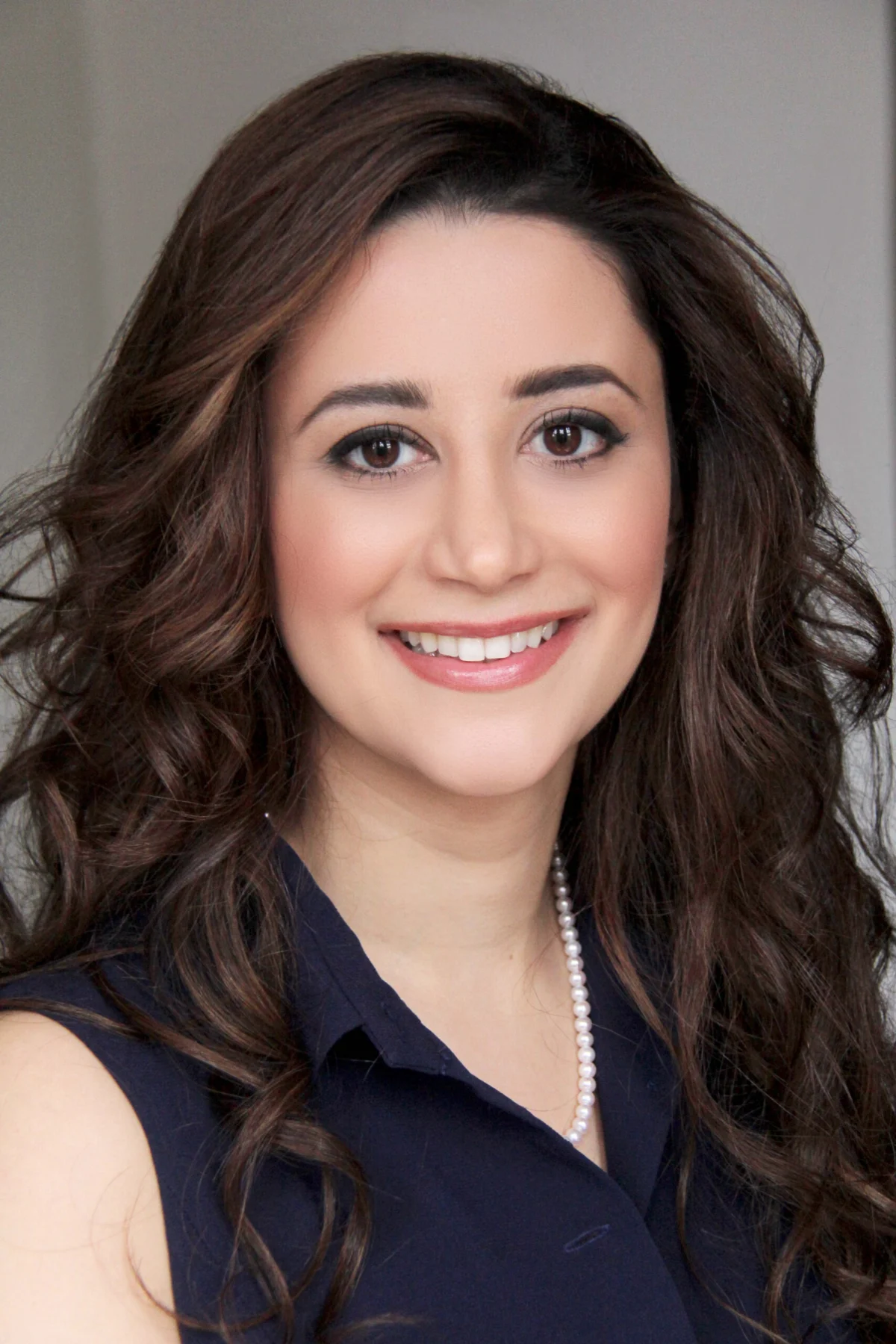
Aesthetic practitioner and clinician Dr Souphi Samizadeh has officially assumed the role of president of the Royal Society of Medicine’s (RSM) Section of Aesthetic Medicine and Surgery. Marking a significant milestone in the history of the prestigious medical institution, Dr Samizadeh succeeds the section’s founding president, Dr Christopher Rowland Payne. With this appointment, she breaks a notable glass ceiling, becoming the first female physician to lead the specialized section since its inception.
The transition of leadership comes at a critical juncture for the aesthetic medicine sector, which has experienced rapid global expansion alongside heightened regulatory scrutiny and an influx of technological innovation. In her inaugural address regarding her new responsibilities, Dr Samizadeh outlined an ambitious vision centered on breaking down traditional silos within medical practice. She emphasized a strong commitment to fostering a comprehensive, multidisciplinary collaborative environment. By bridging the gaps between surgical specialists, medical physicians, dental practitioners, allied healthcare professionals, and academic scientists, the new president aims to create a unified ecosystem where diverse clinical perspectives drive mutual learning and elevate standards of patient care.
Main Facts of the Appointment and Institutional Background
The Royal Society of Medicine, founded in 1805 and operating under a Royal Charter, stands as one of the world’s most renowned providers of continuing medical education. The RSM facilitates the exchange of medical knowledge and scientific discovery across numerous specialties through its various constituent sections. The Section of Aesthetic Medicine and Surgery was established to provide a rigorous, academic platform for practitioners dedicated to the art and science of aesthetic treatments, ensuring that clinical interventions meet the same high standards of safety, efficacy, and ethics as any other branch of medicine.
Dr Samizadeh brings to the presidency an extensive background characterized by academic rigor, clinical excellence, and cross-disciplinary expertise. As an established authority in aesthetic medicine, she has long advocated for advanced anatomical understanding, safe procedural techniques, and evidence-based protocols. Her appointment places her at the helm of an intellectual community designed to scrutinize emerging techniques, debate clinical challenges, and promote best practices across the industry.
Chronology and Historical Context of the Section
To understand the weight of Dr Samizadeh’s appointment, it is necessary to examine the timeline of the Section of Aesthetic Medicine and Surgery within the broader history of the RSM.
For centuries, aesthetic procedures—ranging from reconstructive surgery to cosmetic enhancements—were largely viewed through the prism of specific specialties, primarily plastic surgery and dermatology. However, as the 21st century unfolded, the demand for non-surgical and minimally invasive aesthetic procedures skyrocketed globally. This surge led to a diverse workforce entering the field, including general practitioners, dentists, dermatologists, and plastic surgeons.
Recognizing the urgent need for a unified, high-level academic home for these varied practitioners, the RSM established the Section of Aesthetic Medicine and Surgery. Dr Christopher Rowland Payne served as the founding president, laying the structural and academic foundations for the section. Under his leadership, the section established a forum for professional discourse, tackling the complexities of regulating a fast-moving industry and setting baseline educational objectives.
Following Dr Rowland Payne’s tenure, the leadership transition marks Phase Two of the section’s institutional life. Dr Samizadeh’s ascension to the presidency represents a generational and structural shift, pivoting the section toward deeper multidisciplinary integration and a heightened emphasis on scientific research over commercial trends.
Supporting Data and Industry Landscape
The context in which Dr Samizadeh assumes her presidency is defined by unprecedented market growth and complex clinical challenges. According to recent data from international aesthetic surgery and medicine associations, the global aesthetic medicine market size was valued at over $90 billion and continues to project a compound annual growth rate (CAGR) in the double digits.
Non-surgical procedures—including neurotoxins, dermal fillers, and energy-based devices—represent the fastest-growing sector of this market. This expansion is driven by several demographic and technological factors:
- Technological Advancement: Innovations in laser technology, ultrasound devices, and bio-stimulatory injectables offer patients reduced downtime and natural-looking results.
- Cultural Normalization: Reduced social stigma surrounding aesthetic enhancements has broadened the consumer base across various age groups and genders.
- Accessibility: An increasing number of medical professionals are incorporating aesthetic medicine into their clinical practices.
However, this rapid commercial expansion has introduced significant systemic risks. Regulatory bodies and public health advocates have frequently raised concerns regarding the commercialization of aesthetic procedures, the prevalence of practitioners with inadequate training, and the marketing of treatments driven by social media trends rather than clinical necessity.
In response to these challenges, the RSM’s Section of Aesthetic Medicine and Surgery plays a vital role in providing an uncompromised, science-led counterweight to commercial pressures.
Official Responses and Strategic Priorities
In statements released by the Royal Society of Medicine following her appointment, the institution outlined the core pillars of Dr Samizadeh’s presidential agenda. Central to her mandate is the support of scientific progress through the active advancement of research, discovery, and knowledge acquisition within aesthetic medicine and surgery.
Dr Samizadeh has made it clear that her primary operational priority is the strict preservation of evidence-based practice. In an industry frequently swayed by viral social media trends and rapid-fire product launches, she intends to steer the section toward robust, peer-reviewed scientific proof. This approach requires critically evaluating new technologies and procedural methodologies before widespread clinical adoption, ensuring that practitioners rely on data rather than marketing claims.
Furthermore, Dr Samizadeh has committed to championing a deeply patient-centred approach. Within this framework, patient safety, informed consent, and holistic wellbeing must supersede all other considerations. This priority directly addresses ongoing concerns regarding procedural complications, unrealistic patient expectations, and psychological vulnerability within aesthetic patient populations.
Broader Impact and Clinical Implications
The appointment of Dr Samizadeh carries profound implications for the future of aesthetic medicine, both in the United Kingdom and internationally. By championing a multidisciplinary model, the RSM is signaling that aesthetic medicine can no longer be treated as an isolated, fringe discipline or a purely commercial enterprise. Instead, it must be recognized as a sophisticated field requiring the collective expertise of surgeons, physicians, scientists, and allied health professionals.
-
Elevating Educational Standards: One of the most immediate impacts of Dr Samizadeh’s leadership will likely be seen in continuing professional development (CPD). By fostering collaboration between diverse specialties, the section can develop comprehensive educational curricula that address anatomical complexities, complication management, and ethical considerations.
-
Influencing Regulatory Policy: While the RSM is an educational and scientific charity rather than a statutory regulator, its authoritative voice carries immense weight within the medical community. Evidence-based guidelines and consensus statements issued under Dr Samizadeh’s presidency can serve as benchmark references for regulatory bodies, insurance providers, and government agencies seeking to establish baseline competencies for aesthetic practitioners.
-
Enhancing Patient Safety and Trust: The emphasis on patient-centred care and scientific rigor directly impacts public health outcomes. As more patients seek aesthetic treatments, establishing clear, scientifically validated standards helps mitigate risks, reduce the incidence of botched procedures, and build long-term trust between patients and medical professionals.
Conclusion and Future Outlook
Dr Souphi Samizadeh steps into the presidency of the Royal Society of Medicine’s Section of Aesthetic Medicine and Surgery at a pivotal moment in medical history. By breaking barriers as the first female president of the section, she brings fresh leadership to an evolving field. Her dedication to multidisciplinary collaboration, evidence-based practice, and uncompromising patient safety positions the RSM to guide the aesthetic medicine community through its next phase of maturation. As the industry continues to navigate the intersection of high consumer demand and rigorous scientific accountability, Dr Samizadeh’s presidency promises to anchor aesthetic practice firmly in the bedrock of medical science and ethical integrity.
