
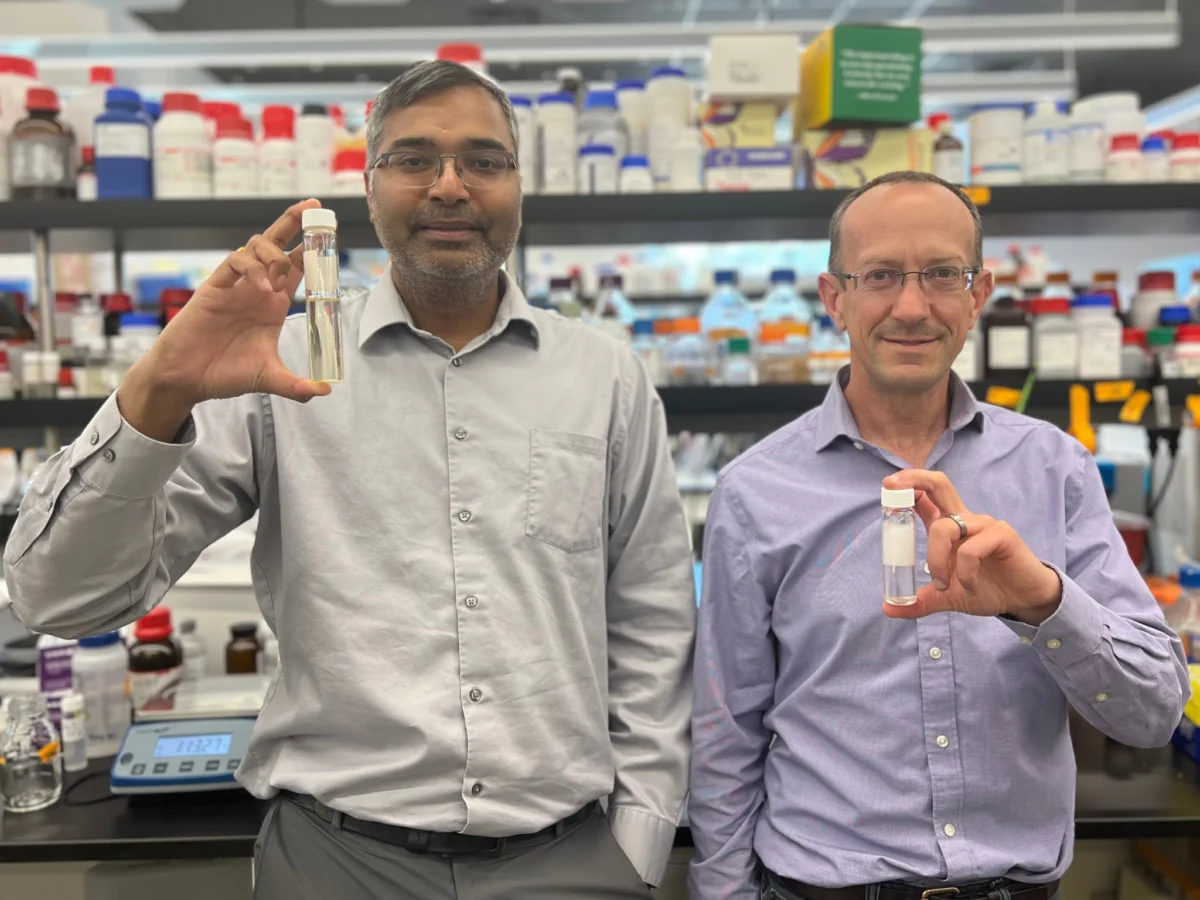
In a significant leap forward for the clean-label ingredient sector, Californian food technology startup Ruby Bio has announced a groundbreaking achievement: fermentation titers exceeding 100 grams per liter for its range of clean-label emulsifiers. This milestone is poised to overcome a critical bottleneck in the food manufacturing industry, paving the way for large-scale, cost-competitive production of natural alternatives to synthetic and animal-derived additives. As consumer demand for healthier, less processed food options continues to surge, Ruby Bio’s innovation offers a tangible solution for manufacturers seeking to reformulate their products without compromising on cost or quality.
The global food industry is currently navigating a seismic shift, driven by increasing consumer awareness and concern regarding the health implications of ultra-processed ingredients. Emulsifiers, essential for achieving desired textures and shelf stability in a vast array of food products, have come under particular scrutiny. Traditional emulsifiers often include lecithins, triglycerides, and polysorbates, which can be derived from animal sources or synthesized using complex industrial processes. The growing preference for "clean labels" – ingredients consumers recognize and trust – has spurred a race among ingredient providers, from established multinational corporations to agile tech startups, to develop viable, natural alternatives.
However, the path from laboratory innovation to widespread industry adoption has historically been fraught with challenges, chief among them being the ability to scale production economically. Many promising new ingredients, while scientifically sound, have faltered due to prohibitive production costs associated with limited output volumes. Ruby Bio’s achievement directly addresses this crucial scalability issue, positioning its proprietary technology as a potential game-changer.
The Significance of High Fermentation Titers for Economic Viability
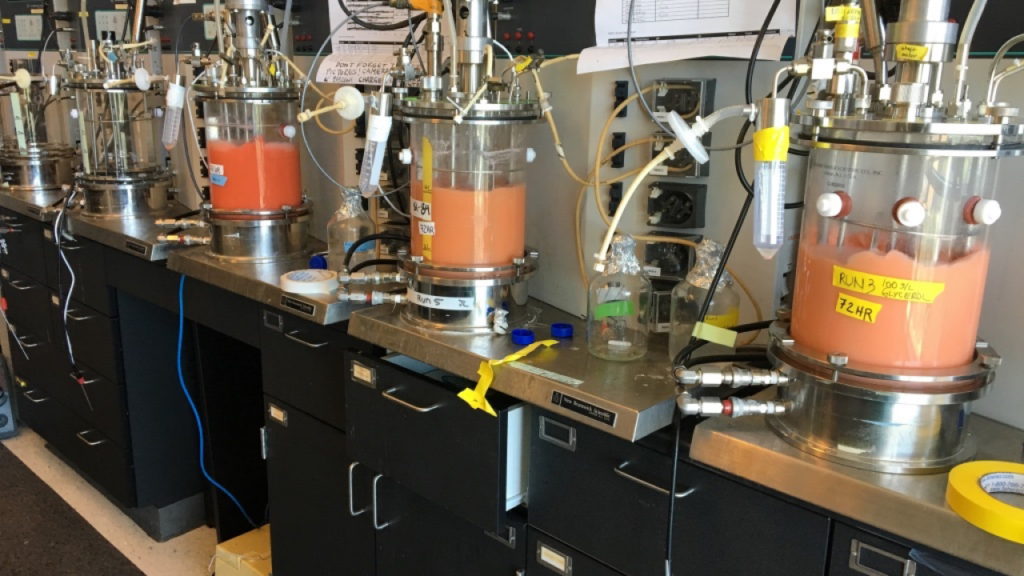
The term "titer" in industrial biotechnology refers to the concentration of a desired product within a fermentation broth – essentially, how much of the target molecule is produced per liter of the liquid culture medium. For any fermentation-based process aiming for commercial viability, titer is a paramount metric. Ruby Bio’s breakthrough of surpassing 100g/L for its clean-label emulsifiers represents a rare and highly coveted achievement, particularly for complex lipid-based molecules.
Higher titers translate directly into significant cost reductions across the entire production chain. Firstly, they minimize the volume of fermentation broth required to produce a given quantity of product. This, in turn, reduces the capital expenditure needed for fermenters and downstream processing equipment, as smaller vessels and less processing capacity are required. Secondly, operational costs are substantially lowered. Less energy is consumed for mixing, aeration, and temperature control in smaller fermentation volumes. Crucially, downstream processing – the steps involved in isolating and purifying the desired emulsifier from the fermentation broth – becomes far more efficient and less expensive. Extracting a higher concentration of product from a smaller volume of liquid significantly cuts down on the resources, time, and labor needed for separation, purification, and drying.
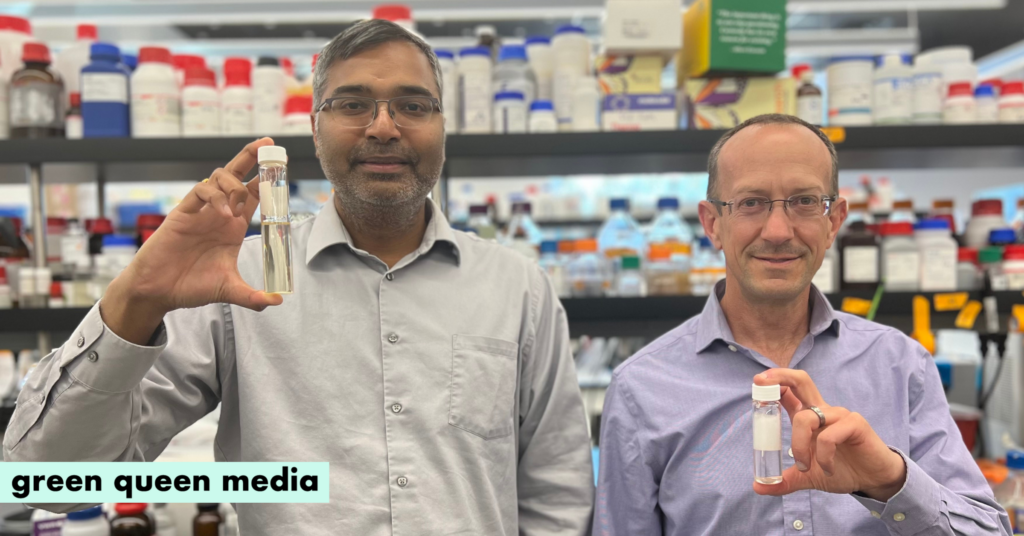
"Achieving titers above 100g per liter for complex lipid-based molecules is a significant validation of our platform’s robustness and scalability," stated Pavan Kambam, co-founder and Chief Technology Officer at Ruby Bio. "This result didn’t stem from a single eureka moment, but rather from a systematic, iterative process of optimizing our microbial strains and meticulously understanding the fermentation dynamics to unlock their full potential. We started with the best natural organisms and then built the process knowledge to let them perform at their peak."
The implications of this high titer are profound. It signifies that Ruby Bio’s yeast strains are not only efficient producers but also perform reliably under optimized conditions, and that the scale-up economics are indeed feasible for commercial production. This moves the company from the realm of promising research to that of a viable industrial supplier.
Ruby Bio’s Proprietary Platform: A Foundation for Sustainable Innovation
Ruby Bio’s technology is rooted in a proprietary biosynthesis platform that originated at the University of California, Davis. This innovative system leverages naturally occurring, non-genetically modified (non-GMO) yeast as microscopic biological factories. These yeasts are engineered to convert low-cost sugar or other renewable feedstocks into high-value compounds. The versatility of this platform extends beyond emulsifiers, encompassing a range of products applicable to various industries, including personal care, household cleaning products, adhesives, lubricants, and coatings.
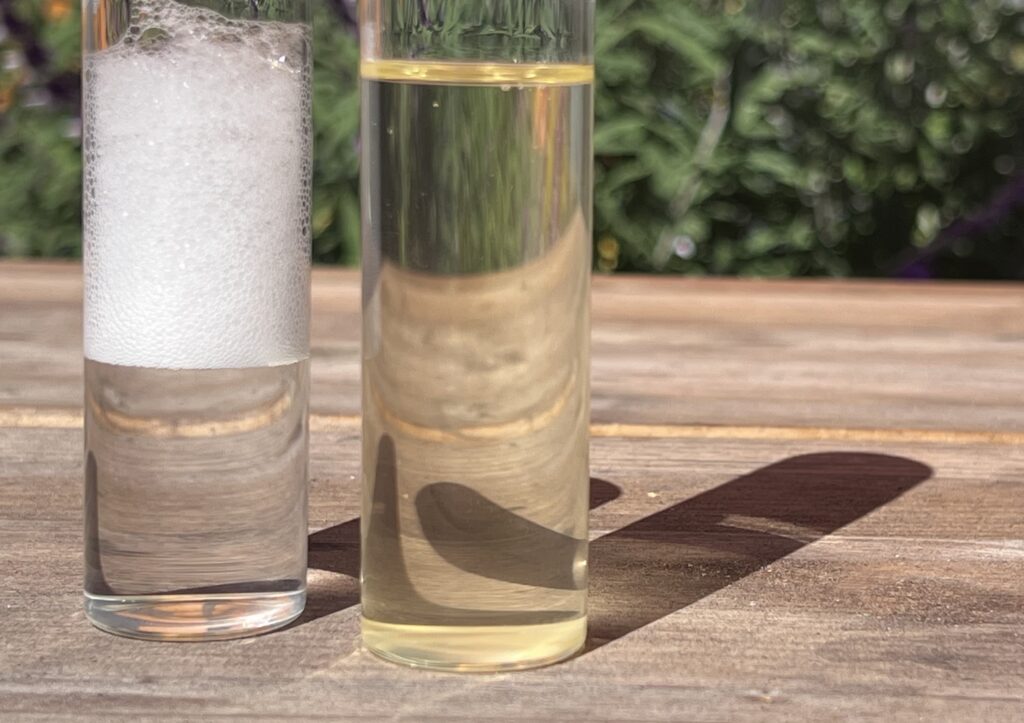
For the food sector, the platform’s capability to produce a spectrum of non-sugar polyol sweeteners and emulsifiers is particularly noteworthy. These fermented ingredients can serve as direct replacements for commonly used additives such as lecithins (often derived from soy or egg yolk), triglycerides, and polysorbates. These replacements are critical for food manufacturers looking to reformulate products like baked goods, beverages, snacks, desserts, and confectionery items to meet clean-label demands.
A key advantage of Ruby Bio’s approach is its reliance on renewable feedstocks and relatively simple downstream processing steps. This combination is instrumental in achieving price points that make reformulation practical and economically sensible for food companies. The company’s stated goal is to reach cost parity with conventional synthetic emulsifiers, a target that the 100g/L titer achievement brings within tangible reach at commercial scales.
The Growing Imperative for Clean-Label Emulsifiers
The consumer-driven demand for clean-label products is no longer a niche trend; it has become a dominant force shaping the food industry. Research consistently highlights consumers’ willingness to prioritize products with recognizable ingredients. A recent analysis indicates that approximately 76% of consumers globally are willing to pay a premium for products marketed as clean-label. Furthermore, in the European Union, a significant 74% of citizens consider simple, recognizable ingredients to be an essential factor in their purchasing decisions.
In the United States, this sentiment is equally strong. Surveys reveal that 82% of consumers believe that food with fewer artificial or unfamiliar ingredients is healthier. This perception drives a significant portion of the population – 69% – to meticulously check labels to avoid highly processed ingredients, with an overwhelming 80% expressing a preference for familiar ingredients over artificial additives.
The scrutiny on food additives has intensified, with some critics labeling them as key components of ultra-processed foods (UPFs). This concern has reached the highest levels of regulatory discourse. A petition spearheaded by former FDA commissioner David Kessler has called for the revocation of Generally Recognized As Safe (GRAS) status for certain additives, advocating for their removal from the food supply. Health officials have indicated a commitment to addressing these concerns, signaling a potential wave of regulatory changes that could further accelerate the shift away from artificial ingredients.
This evolving consumer and regulatory landscape underscores the strategic importance of Ruby Bio’s innovation. By providing a sustainable, cost-effective, and clean-label alternative to conventional emulsifiers, the company is well-positioned to capitalize on these market dynamics.
Addressing Environmental and Ethical Concerns: Beyond Clean Labels
Beyond the direct consumer demand for healthier ingredients, Ruby Bio’s technology also offers a compelling solution to pressing environmental and ethical issues associated with traditional ingredient sourcing. The company’s reliance on sugar or renewable feedstocks provides food manufacturers with a viable "off-ramp" from supply chains heavily dependent on palm oil.
Palm oil, a ubiquitous ingredient found in an estimated 50% of all supermarket products, is unfortunately linked to significant environmental degradation, including widespread deforestation, habitat destruction for endangered species, and human rights abuses. Furthermore, the palm oil supply chain is often characterized by a lack of transparency and traceability, making it difficult for companies to guarantee the sustainability of their sourcing.
The European Union’s new Deforestation Regulation (EUDR), which is set to fully take effect after several delays, aims to ban the import of commodities linked to deforestation. Products violating these regulations face substantial fines, potentially up to 4% of a company’s global annual turnover. Given that a considerable portion of palm oil imports have been identified as potentially originating from deforested land, the EUDR presents a significant compliance challenge for the food industry. Ruby Bio’s platform, by offering a sustainable alternative, directly addresses these regulatory pressures and ethical considerations.
A Milestone, Not a Finish Line: The Path Forward
While the 100g/L titer is a monumental achievement, Ruby Bio acknowledges that it is a critical milestone rather than the ultimate destination. "We are encouraged by this result, and we hold it in context," stated Charlie Silver, co-founder and CEO of Ruby Bio. "A fermentation titer is a milestone, not a finish line. What matters is translating this performance reliably at scale, in a product that food manufacturers can build their formulations around – and that consumers can trust. We have the platform, the process, and the team to do that."
This measured perspective highlights the company’s strategic focus on not just achieving technical breakthroughs but also ensuring seamless integration into the complex food manufacturing ecosystem. The ability to deliver consistent quality, reliable supply, and a product that performs effectively in diverse food applications will be paramount to widespread adoption.
The broader market trends further bolster Ruby Bio’s trajectory. In 2025, data from Innova Market Insights reveals that over one-third of new food and beverage launches in North America featured a clean-label claim, with "no additives/preservatives" being the most frequently highlighted attribute. This indicates a sustained and growing market opportunity for ingredient solutions that align with consumer preferences for natural and minimally processed foods.
Ruby Bio’s current achievement positions it at the forefront of this transformative movement within the food industry. By successfully tackling the challenge of scalable and cost-effective production for clean-label emulsifiers, the company is poised to play a pivotal role in shaping the future of food ingredients, enabling manufacturers to meet evolving consumer demands while contributing to a more sustainable and ethical food system. The implications of their work extend beyond mere ingredient substitution, offering a pathway to healthier food for consumers, more transparent supply chains, and a reduced environmental footprint for the global food industry.
