
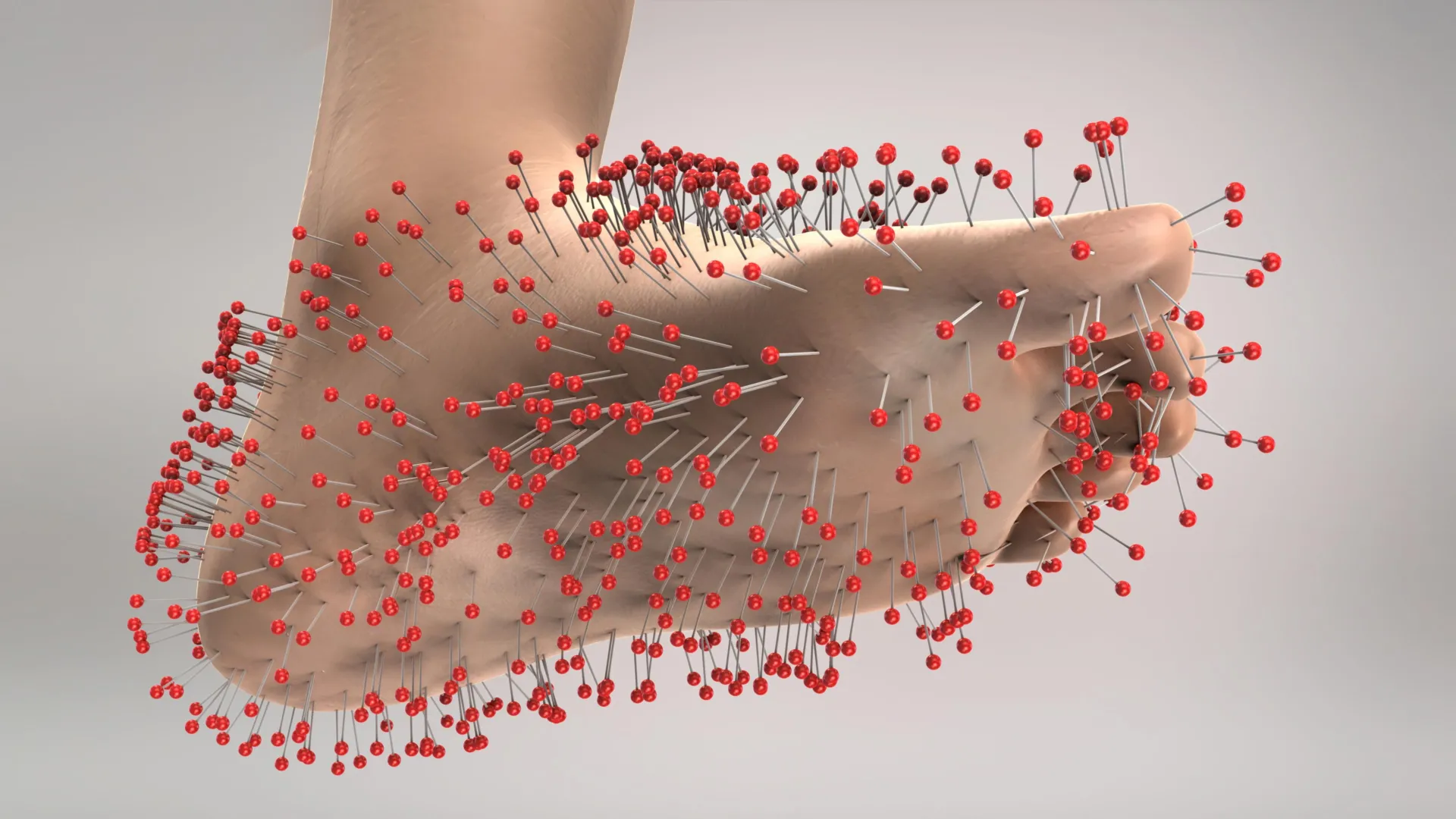
Millions worldwide grapple with the debilitating effects of chronic nerve pain, a condition where even the slightest tactile sensation can trigger agonizing discomfort. For decades, the scientific community has hypothesized that a breakdown in mitochondrial function within damaged nerve cells might be a primary culprit behind this persistent suffering. Mitochondria, often referred to as the powerhouses of the cell, are essential for generating the energy required for cellular operations. When these vital organelles falter, the consequences for nerve cell health and function can be severe. Now, groundbreaking research from the Duke University School of Medicine suggests that replenishing and restoring healthy mitochondrial function in damaged nerves could represent a revolutionary new therapeutic avenue for alleviating chronic nerve pain.
The findings, published in the prestigious journal Nature, detail a comprehensive study utilizing both human tissue samples and meticulously designed mouse models. The research team investigated whether the introduction of healthy mitochondria could facilitate the recovery of nerve cells afflicted by damage. Their results were significant, demonstrating a marked reduction in pain associated with common and challenging conditions such as diabetic neuropathy and chemotherapy-induced nerve damage. In some instances, the pain relief achieved through this intervention persisted for up to 48 hours, offering a promising glimpse into sustained therapeutic benefits. This innovative approach moves beyond conventional pain management strategies that primarily focus on blocking pain signals. Instead, researchers propose that by addressing the root cause – the energy deficit in compromised nerve cells – they are promoting genuine cellular repair and restoring normal neurological function.
"Our work essentially provides damaged nerves with new energy reserves, either by supplying them with healthy mitochondria or by stimulating their own production," explained Dr. Ru-Rong Ji, the study’s senior author and Director of the Center for Translational Pain Medicine in the Department of Anesthesiology at Duke School of Medicine. "This not only helps to reduce inflammation but also actively supports the healing process. The potential of this approach to offer relief from chronic pain in a fundamentally new way is incredibly exciting."
The Pivotal Role of Mitochondria in Nerve Health
The Duke study’s findings align with a growing body of scientific evidence highlighting the dynamic nature of mitochondria within cells, including their ability to be transferred between them. This intercellular mitochondrial transfer is increasingly being recognized as a crucial component of cellular communication and a natural support system. Scientists are exploring its potential implications across a wide spectrum of health conditions, from metabolic disorders like obesity and inflammatory diseases to complex conditions such as cancer, stroke, and, as this study demonstrates, chronic pain.
At the core of the Duke team’s investigation was the role of satellite glial cells, specialized cells that encircle and provide essential support to sensory neurons. Their research has unveiled a previously unrecognized function for these cells: they appear to act as direct conduits for transferring healthy mitochondria into sensory neurons. This transfer mechanism is facilitated by microscopic cellular extensions known as tunneling nanotubes.
Dr. Ji elaborated on the critical importance of this process, stating that a breakdown in this mitochondrial transfer system can lead to the deterioration of nerve fibers. This deterioration, in turn, can manifest as the characteristic symptoms of nerve damage, including persistent pain, tingling sensations, and numbness, particularly in extremities like the hands and feet where nerve fibers are most extended.
"By enabling satellite glial cells to share their energy reserves, we believe they play a vital role in maintaining neuronal health and preventing pain," Dr. Ji, who is also a professor of anesthesiology, neurobiology, and cell biology at Duke School of Medicine, commented. The experimental manipulation of this mitochondrial transfer process in their mouse models yielded compelling results, with researchers observing a significant reduction in pain-related behaviors, dropping by as much as 50%.
Unraveling the Molecular Machinery: The MYO10 Protein
Beyond observing the functional consequences of mitochondrial transfer, the researchers also delved into the molecular mechanisms underpinning this process. They explored a more direct therapeutic strategy by administering isolated mitochondria, sourced from both human donors and mice, directly into the dorsal root ganglia. These ganglia are critical clusters of nerve cells responsible for relaying sensory information from the body to the brain.
The efficacy of this direct mitochondrial injection was notably dependent on the health and viability of the donor mitochondria. Mitochondria derived from healthy sources were effective in reducing pain. Conversely, mitochondria obtained from individuals with diabetes exhibited no discernible pain-relieving benefits, underscoring the importance of mitochondrial quality in therapeutic outcomes.
A key breakthrough from the study was the identification of a specific protein, MYO10, as being instrumental in the formation of the tunneling nanotubes. These nanotubes are the essential conduits through which mitochondria are transported between cells. The precise understanding of MYO10’s role offers a potential target for future therapeutic interventions aimed at enhancing mitochondrial transfer.
The research team responsible for this pioneering work included lead author Dr. Jing Xu, a research scholar in the Department of Anesthesiology, and long-time collaborator Dr. Caglu Eroglu, a Duke professor of cell biology renowned for her expertise in glial cell research. Their collective efforts have paved the way for a deeper comprehension of the intricate cellular dialogues that govern nerve health and pain perception.
A Paradigm Shift in Chronic Pain Management
While the findings represent a significant leap forward, the researchers emphasize that further investigation is necessary. Future studies will likely focus on employing high-resolution imaging techniques to gain a more detailed understanding of how mitochondria are precisely delivered within living nerve tissue via these tunneling nanotubes. This will be crucial for optimizing therapeutic strategies.
Nonetheless, the implications of this research are profound. It points towards a previously underappreciated communication network between nerve cells and glial cells, one that holds the potential to fundamentally alter how chronic pain is treated. Instead of merely masking symptoms with current analgesic medications, which often come with significant side effects and limited efficacy for chronic pain, this approach targets the underlying cellular dysfunction. By restoring energy metabolism and promoting nerve cell repair, it offers the prospect of addressing chronic pain at its very source, potentially leading to more effective and sustainable relief for millions of patients worldwide.
The development of therapies that can safely and effectively modulate mitochondrial health and transfer in the nervous system could represent a significant paradigm shift. This could include pharmaceutical interventions designed to enhance MYO10 activity or improve mitochondrial biogenesis in glial cells, or even cell-based therapies involving the transplantation of healthy mitochondria. The journey from laboratory discovery to clinical application is often lengthy and complex, but the promise of alleviating the persistent burden of chronic nerve pain fuels continued research and development in this exciting field.
The economic and societal impact of chronic pain is substantial, with billions of dollars spent annually on healthcare and lost productivity. Conditions like diabetic neuropathy, a common complication of diabetes affecting millions globally, and chemotherapy-induced peripheral neuropathy, a debilitating side effect for cancer patients, represent significant unmet medical needs. The potential for a therapy that can restore nerve function rather than just manage symptoms could drastically improve the quality of life for these patient populations and reduce the long-term healthcare burden associated with chronic pain.
The scientific community has reacted with keen interest to these findings. While official statements from patient advocacy groups or pharmaceutical companies are yet to be formally released, the underlying mechanism—cellular energy restoration—is a concept that resonates with broad therapeutic potential. Experts in pain management and neuroscience are likely to be closely monitoring the progression of this research, anticipating further validation and the eventual translation of these discoveries into tangible clinical benefits. The study’s publication in Nature itself is a testament to the rigor and significance of the research, suggesting a high level of confidence from the scientific peer review process.
The journey of understanding and treating chronic pain has been a long and often frustrating one. While opioids have historically been a mainstay, their significant risks, including addiction and overdose, have led to a widespread search for safer and more effective alternatives. Non-opioid analgesics often provide only partial relief and can have their own set of side effects. This new research, by focusing on the fundamental cellular processes of nerve health, offers a beacon of hope for a new generation of treatments that could provide genuine, long-lasting relief from debilitating chronic nerve pain. The emphasis on restoring cellular energy and function, rather than simply blocking pain signals, marks a critical evolution in our understanding and approach to this complex medical challenge.
