
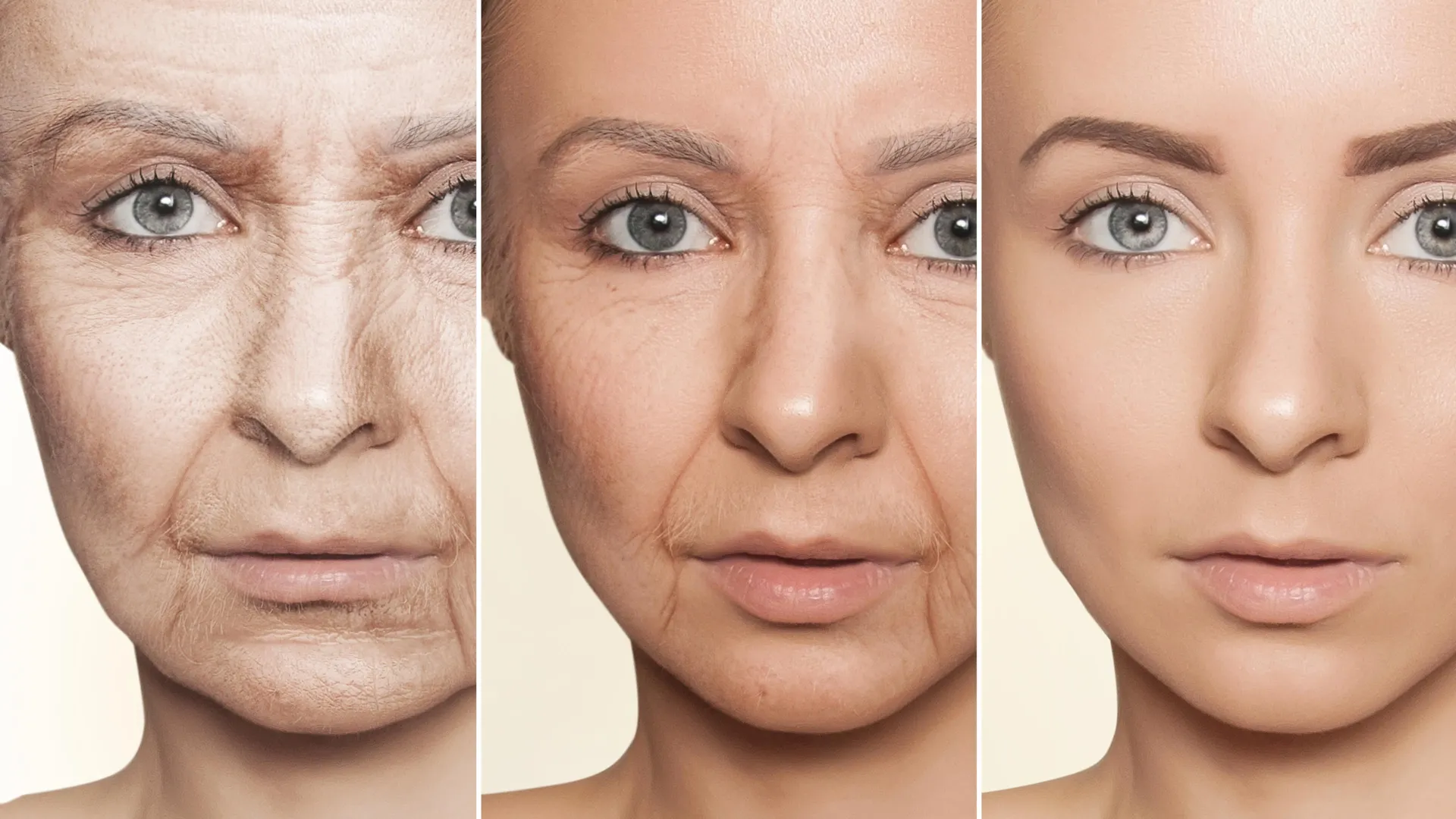
A groundbreaking study published in the esteemed journal PLOS Biology has potentially illuminated a pivotal biological mechanism governing the pace of aging. Researchers at Xiamen University in China have identified a brain protein, dubbed Menin, whose declining levels appear to act as a trigger for a cascade of age-related deterioration, including systemic inflammation, cognitive decline, and other characteristic signs of aging. Experiments conducted on laboratory mice have yielded compelling results: restoring Menin levels reversed several key indicators of aging, and a simple amino acid supplement demonstrated a notable improvement in cognitive function.
The Hypothalamus: A Central Command for Aging
This discovery significantly bolsters the growing body of scientific evidence that points to the hypothalamus, a small yet extraordinarily influential region of the brain, as a central regulator of the aging process. The hypothalamus is responsible for a vast array of vital bodily functions, including the intricate regulation of metabolism, hormonal balance, body temperature, sleep cycles, and the body’s stress response. Increasingly, the scientific community views this diminutive brain structure as the master control center, orchestrating many aspects of aging across the entire organism.
Menin: A Protective Protein That Wanes With Age
The research, spearheaded by Dr. Lige Leng and his team at Xiamen University, zeroed in on Menin, a protein known for its anti-inflammatory properties within the brain. Prior investigations had already established Menin’s crucial role in managing neuroinflammatory activity. The current study sought to ascertain whether a diminution of this protective protein could be a contributing factor to the aging process itself.
The team’s meticulous experiments revealed a striking pattern: Menin levels in the hypothalamus of aging mice plummeted significantly as the animals advanced in age. This decline was not uniform across all brain cells; it was specifically concentrated in neurons within the ventromedial hypothalamus (VMH), a sub-region critically involved in regulating metabolism and systemic aging. Intriguingly, Menin levels remained relatively stable in neighboring support cells, such as astrocytes and microglia, suggesting a cell-specific vulnerability.
To further elucidate the consequences of this Menin depletion, the researchers engineered mice in which Menin activity could be selectively reduced. The outcomes were profoundly concerning. Younger mice engineered to have lower Menin levels exhibited a constellation of age-related pathologies that mirrored those observed in much older, normal mice. These included heightened brain inflammation, thinning of the skin, reduced bone mass, impaired balance, significant memory deficits, and a demonstrably shortened lifespan. These findings strongly suggest that Menin functions as a potent "anti-aging" factor within the brain.
The Surprising Link to D-Serine
Perhaps one of the most unexpected revelations from the study involved D-serine, an amino acid that also plays a critical role as a neurotransmitter in the brain. D-serine is essential for facilitating communication between neurons and is vital for processes of learning and memory consolidation.
The researchers observed a direct correlation between falling Menin levels and a concomitant drop in D-serine production. Through their investigations, they were able to trace this effect to a reduction in the activity of an enzyme crucial for D-serine synthesis. This enzyme, in turn, appears to be under the regulatory control of Menin.
D-serine is naturally present in a variety of foods, including soybeans, eggs, fish, and nuts, and is also commercially available as a dietary supplement. The connection between Menin and D-serine garnered significant attention because previous studies had already established a link between declining D-serine levels and age-related cognitive impairment, as well as reduced synaptic plasticity – the brain’s remarkable ability to strengthen neural connections that underpin memory and learning.
Reversing the Tides of Aging in a Murine Model
Emboldened by these findings, the research team proceeded to investigate whether restoring Menin levels could, in fact, reverse established age-related decline. They employed a gene delivery technique to introduce the Menin gene directly into the hypothalamus of elderly mice. These mice, approximately 20 months old, were considered to be in the equivalent of late-life aging for humans.
Remarkably, after just 30 days of Menin gene therapy, the treated mice exhibited measurable improvements across a range of age-related markers. These included enhancements in learning ability, memory recall, balance, skin thickness, and bone density. Concurrently, these physical improvements were accompanied by an increase in D-serine levels within the hippocampus, a brain region indispensable for memory formation.
In a parallel set of experiments, the researchers explored the efficacy of D-serine supplementation alone. After three weeks of D-serine supplementation, older mice demonstrated improved cognitive performance. However, this intervention did not yield the same restorative effects on physical aging markers in skin and bone tissue as the Menin gene therapy. This crucial distinction suggests that Menin’s influence on aging is likely mediated through multiple, interconnected biological pathways, rather than solely through its effect on D-serine production.
The Expanding Focus on the Hypothalamus in Aging Research
The growing interest in the hypothalamus as a key player in aging research is a relatively recent phenomenon, fueled by a surge of discoveries highlighting its potential role in coordinating diverse aspects of aging throughout the body.
More contemporary research has delved into how age-related alterations in hypothalamic DNA methylation patterns and hormonal signaling might contribute to the development of neurodegenerative diseases, such as Alzheimer’s disease. A significant study published in Nature Communications in 2024, for instance, revealed that the hypothalamus undergoes distinct epigenetic changes with age and may influence critical pathways involving oxytocin and gonadotropin-releasing hormone (GnRH), both of which have been implicated in aging and brain health.
Collectively, these accumulating findings are shifting the paradigm of aging research. The prevailing view is moving away from the simplistic notion of aging as merely the inevitable wear and tear of biological tissues. Instead, a compelling hypothesis is emerging: the brain, particularly the hypothalamus, may actively regulate aspects of the aging process through sophisticated mechanisms involving inflammation, metabolism, and hormonal signaling.
Potential Implications for Human Health: The D-Serine Question
While the findings are undeniably exciting, it is crucial to emphasize that this research is still in its nascent stages and has been conducted exclusively in mice. The critical question of whether boosting Menin or supplementing with D-serine could safely and effectively slow aging or enhance cognition in humans remains unanswered.
Scientists are rightly cautious about the potential ramifications of altering such fundamental brain signaling pathways, warning that unintended consequences could arise. Extensive further research is imperative to unravel why Menin levels decline with age, to determine the long-term efficacy and duration of any potential benefits, and to assess whether D-serine supplementation might carry unforeseen side effects over extended periods.
Nevertheless, this study provides an intriguing glimpse into a future where aging might be targeted more directly through precise biological interventions.
Dr. Lige Leng, the lead author of the study, expressed optimism about the potential therapeutic avenues. "We speculate that the decline of Menin expression in the hypothalamus with age may be one of the driving factors of aging," he stated, "and Menin may be the key protein connecting the genetic, inflammatory, and metabolic factors of aging. D-serine is a potentially promising therapeutic for cognitive decline."
Dr. Leng further elaborated on the study’s specific findings, noting, "Ventromedial hypothalamus (VMH) Menin signaling diminished in aged mice, which contributes to systemic aging phenotypes and cognitive deficits. The effects of Menin on aging are mediated by neuroinflammatory changes and metabolic pathway signaling, accompanied by serine deficiency in VMH, while restoration of Menin in VMH reversed aging-related phenotypes."
This research, therefore, not only identifies a potential key regulator of aging but also highlights a specific neurotransmitter that could offer a more accessible therapeutic target for age-related cognitive decline. The interconnectedness of Menin, D-serine, and the hypothalamus suggests a complex but potentially decipherable system that could hold the key to healthier aging. As research progresses, the focus will undoubtedly remain on translating these promising murine findings into safe and effective human interventions, potentially offering new strategies to combat the multifaceted challenges of aging.
