

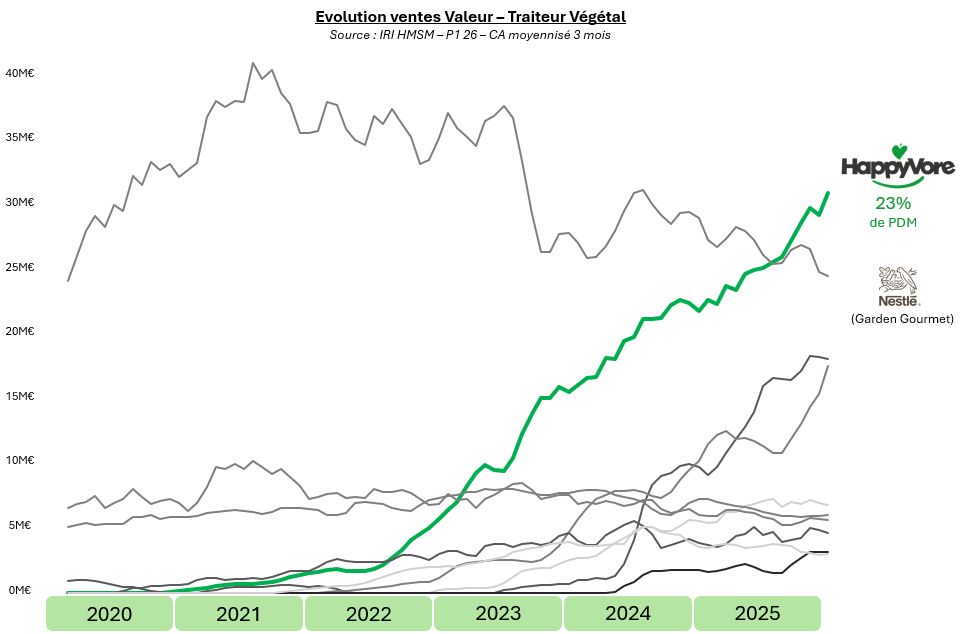
The French culinary landscape is undergoing a significant transformation, with a discernible shift away from traditional meat consumption towards plant-based alternatives. This evolving consumer preference has propelled French startup HappyVore to a remarkable milestone: it has officially become the top-selling plant-based meat brand in France, surpassing the long-standing market leader, Nestlé’s Garden Gourmet. This ascendance marks a pivotal moment for the burgeoning alternative protein sector in one of Europe’s most influential food markets.
Founded in late 2019, HappyVore has rapidly carved out a substantial niche by offering a diverse array of meat alternatives, including popular items like burgers, mince, sausages, nuggets, and tenders. Since its inception, the company reports an impressive sales volume of over 100 million products, a figure that translates into a significant environmental impact, having helped avoid an estimated 50 million kilograms of CO2e emissions.
The dethroning of Nestlé’s Garden Gourmet, which had held the top spot in the French market for several years, signifies a strategic victory for HappyVore. According to Guillaume Dubois, co-founder and CEO of HappyVore, the company’s current market share stands at an impressive 24.3%. In 2025, HappyVore achieved a revenue of €35 million, representing a substantial 45% growth compared to the previous year. Dubois attributes this success not only to HappyVore’s own performance but also to its role in driving the broader expansion of the plant-based meat sector in France, estimating that it has contributed to half of the sector’s overall growth since overtaking Garden Gourmet.

A Strategic Ascent: Key Pillars of HappyVore’s Success
HappyVore’s trajectory has been marked by consistent growth and strategic focus, particularly in the first quarter of 2026. During this period, the company secured four of the top 10 best-selling plant-based meat products in France, a testament to its product appeal and market penetration. April 2026 saw a further acceleration, with a remarkable 62% year-on-year increase in sales.
"HappyVore is currently achieving record-breaking numbers, not seen since its creation six years ago," stated Dubois in an interview with Green Queen. The company’s top-performing products are its merguez sausages, chipolatas, and chicken nuggets, indicating a strong consumer appetite for familiar formats reimagined with plant-based ingredients.
Dubois outlined three core elements that have been instrumental in HappyVore’s ability to outsell its competitors: taste, nutritional integrity, and robust distribution.
1. Uncompromising Taste: "First of all, the taste of our product is our number-one priority," Dubois emphasized. "You can’t build customer loyalty if the product is not good, and we stand out thanks to our superior taste." This focus on sensory experience is crucial in a market where consumer acceptance is often contingent on replicating the palatability of traditional meat. By prioritizing flavor profiles that resonate with French consumers, HappyVore has likely fostered repeat purchases and positive word-of-mouth marketing.
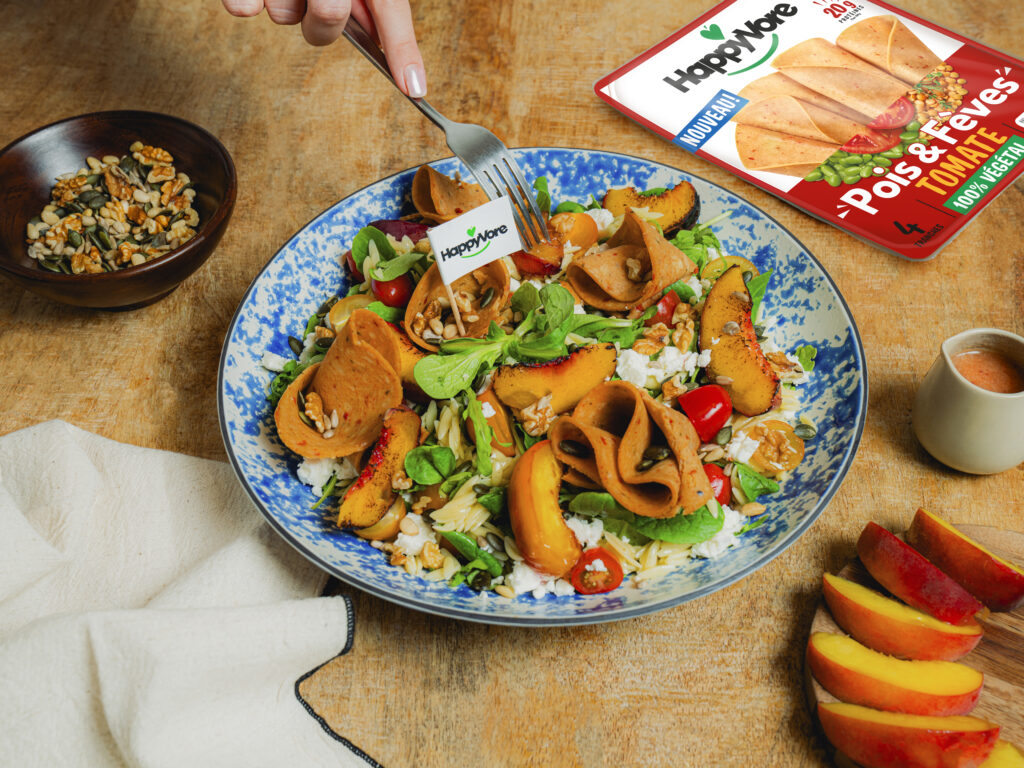
2. Nutritional Excellence: Beyond taste, HappyVore places significant emphasis on the nutritional composition of its offerings. "We also have very strict specifications regarding the nutritional composition of our products," Dubois explained. "HappyVore offers healthy products that are high in protein and fibre, with a ‘green’ rating on Yuka and an A on Nutri-Score." The company has maintained an in-house nutritionist since its inception, underscoring its commitment to developing products that are not only appealing but also align with health-conscious dietary choices.
This dedication to nutrition becomes particularly relevant in the context of growing concerns surrounding ultra-processed foods (UPFs). Recent polling indicates that 65% of Europeans are concerned about the health impacts of UPFs, with a significant portion of consumers (54%) actively avoiding plant-based meats due to perceptions of them being overly processed. HappyVore’s proactive approach to nutritional quality positions it favorably against such perceptions. "It’s true that some vegetarian products are high in processed ingredients and unhealthy, but we shouldn’t blame the entire industry for that. At HappyVore, we believe that vegetarian products should be healthy," Dubois asserted.
3. Extensive Distribution Network: A third critical factor in HappyVore’s success is its widespread availability. "We are available at all retail locations where French people shop, as well as in many restaurants," Dubois noted. This broad market access ensures that HappyVore products are convenient for consumers, whether they are grocery shopping or dining out.
This extensive reach is underpinned by HappyVore’s significant production capabilities. The company operates its own factory in Chevilly, France, boasting an annual production capacity of 10,000 tonnes. This investment in domestic manufacturing not only secures supply chains but also contributes to the local economy, having created over 50 jobs and revitalized the region.
A Shifting Dietary Landscape in France
The rise of HappyVore coincides with a broader trend in France, where meat consumption has been steadily declining for over two decades. A recent survey highlighted that 53% of French citizens have reduced their meat intake in the last three years alone, reflecting a growing awareness of health, environmental, and ethical considerations.
This societal shift is being actively supported by government initiatives. France has updated its national dietary guidelines to recommend limiting meat consumption and increasing the intake of plant-based proteins. Furthermore, the government has invested €11.7 million in projects aimed at expanding domestic plant protein production, aligning with the Ministry of Agriculture’s National Strategy for Plant Proteins. This strategic support provides a favorable ecosystem for companies like HappyVore to thrive.
Navigating a Competitive and Evolving Market
The plant-based market, while growing, is also characterized by intense competition. "The plant-based market is at a critical, hyper-competitive juncture, making it tough for brands to stand out," Dubois observed. He stressed the importance of the initial consumer experience, stating, "the first trial is make-or-break: a bad experience will alienate customers and damage the whole product line." To foster long-term brand loyalty, Dubois believes companies must maintain uncompromising quality standards and continuously innovate to remain relevant.
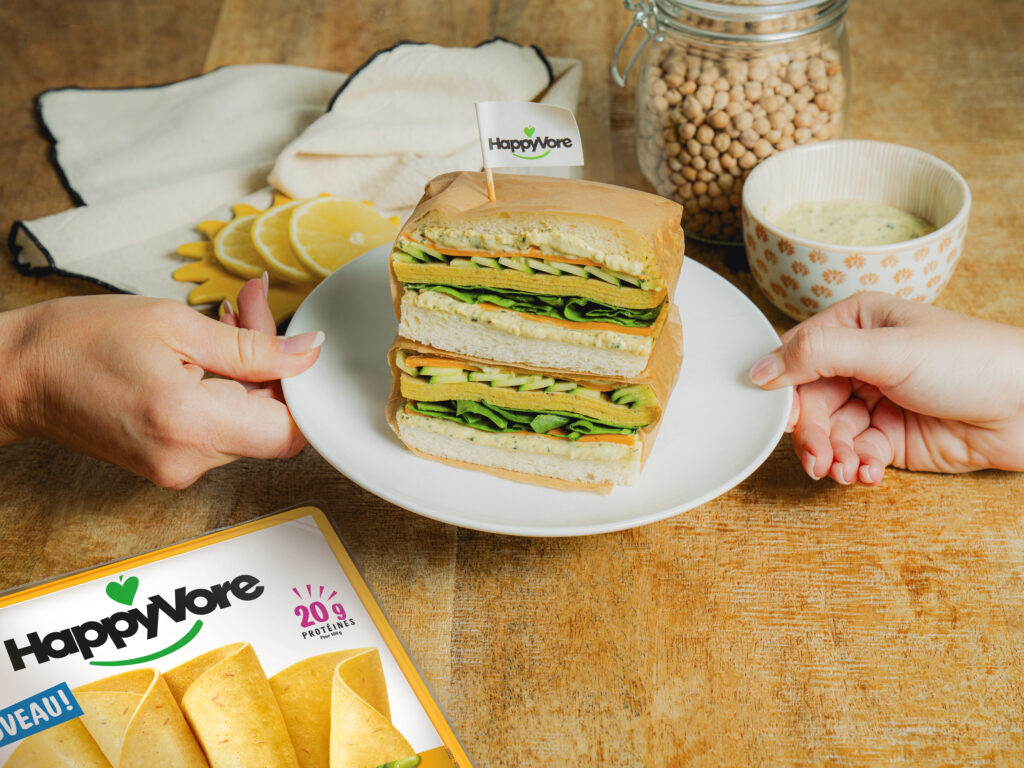
The industry also faces regulatory evolution. In a recent decision, the European Union voted to ban the use of 31 meat-related terms on plant-based product labels, including "chicken," "beef," "steak," and "bacon." However, terms such as "burger," "mince," "sausage," "nuggets," and "ham" remain permissible for vegan alternatives.
Dubois expressed a degree of relief regarding this ruling: "We’re quite relieved, to be honest, because there are only a few prohibited terms which we did not use anyway. This EU’s decision proves that Europe views our industry as part of the future, not as a threat." He further elaborated that for HappyVore, adapting labels is a minor adjustment, emphasizing the continued ability to use familiar culinary language like "burger" and "sausage" to guide consumers towards sustainable choices.
Future Outlook and Growth Projections
France stands as the third-largest market for plant-based foods in Europe. In 2025, sales in this sector reached €678 million, with an increase of 9% in value and nearly 11% in volumes, according to Circana. HappyVore has been a significant contributor to this growth.
The company has secured €45 million in funding to date and has no immediate plans for further capital raises. Looking ahead, Dubois is optimistic about HappyVore’s continued expansion. "Our sales forecast for 2026 is to exceed €50 million turnover," he revealed. "We believe that we’ll continue to grow and launch new products to continue greening France, and perhaps Europe. We still have a lot of flexitarians to convince."
The success of HappyVore is a compelling narrative of a homegrown brand capitalizing on evolving consumer trends, driven by a clear strategy centered on product quality, nutritional value, and accessibility. As the French and wider European markets continue to embrace plant-based diets, HappyVore appears well-positioned to lead this sustainable food revolution.
