
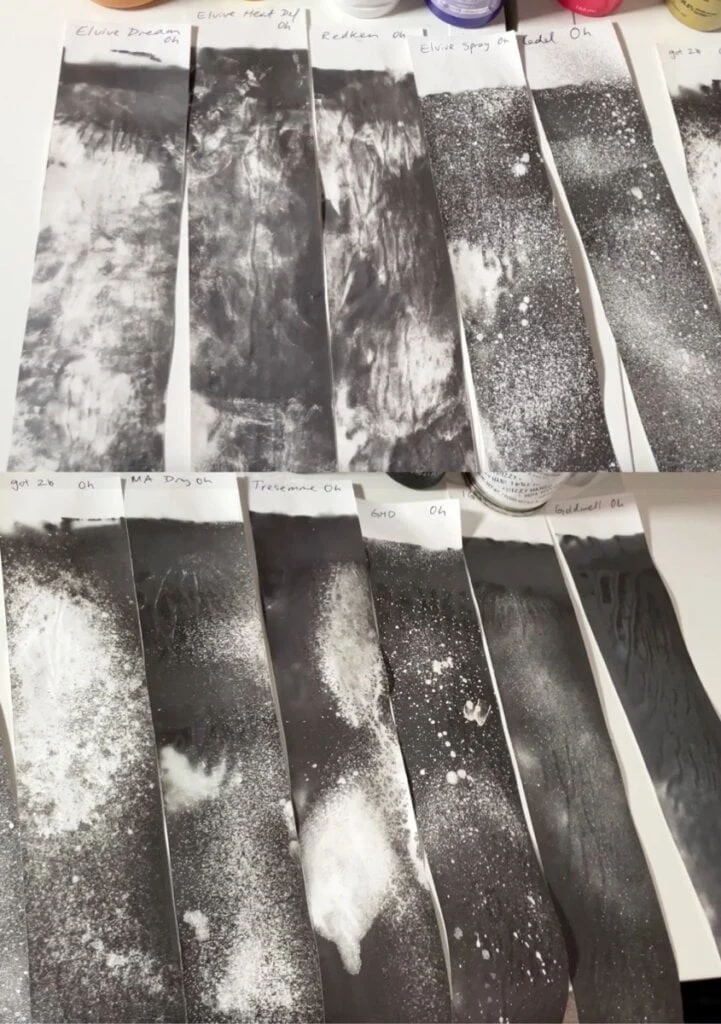
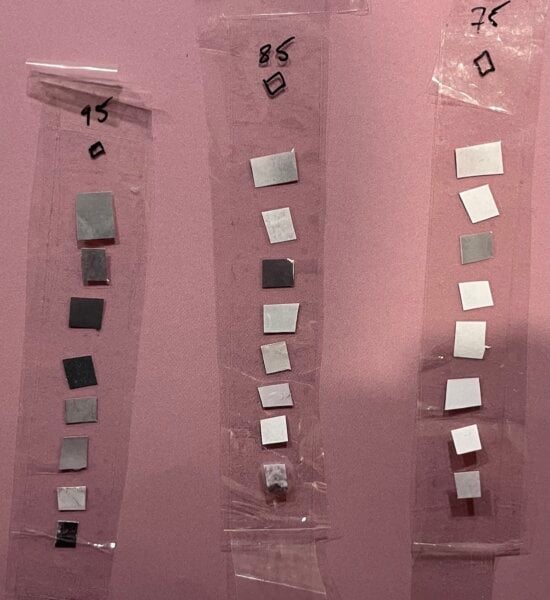
A pervasive beauty hack circulating widely on social media platforms, purporting to demonstrate the efficacy of hair heat protectants using thermal paper receipts and flat irons, has been definitively debunked by scientific investigation, revealing the test to be a misleading indicator with no correlation to actual hair protection. This popular online experiment, which involves spraying a heat protectant onto a thermal paper receipt and then applying a hair straightener, observes that receipts remaining white are believed to indicate a more effective product. However, rigorous scientific scrutiny has revealed that the "protective" effect observed is not due to heat shielding but rather the chemical interaction of product ingredients with the thermal paper’s sensitive ink layer, or the residual cooling effect of water.
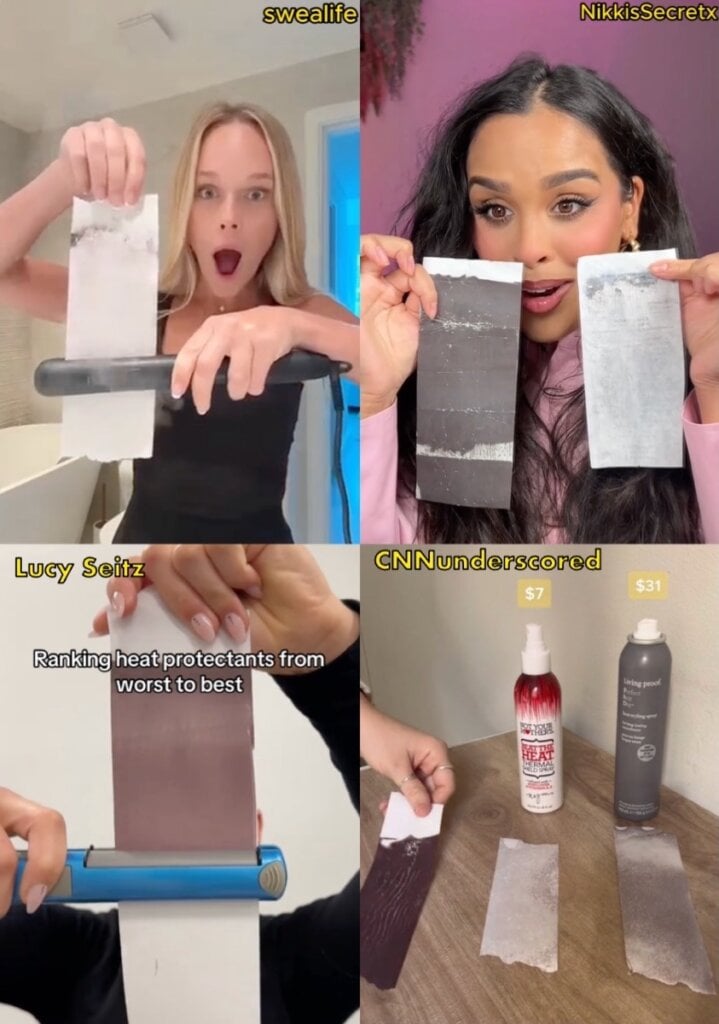
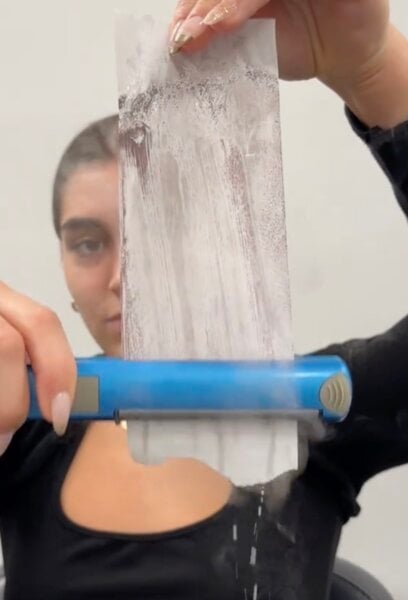
The viral trend gained significant traction across platforms like TikTok, with countless beauty enthusiasts and content creators showcasing their results. The intuitive appeal of the test—thermal paper visibly reacts to heat by turning black, seemingly offering a direct visual analogy to hair damage—led many consumers to embrace its findings without critical examination. Users, including cosmetologist Lucy Seitz, who was noted for her systematic approach including temperature control and a drying step, initially contributed to the test’s widespread acceptance. Her videos, often featuring a straightener set to approximately 170°C (340°F), appeared to provide compelling visual evidence. The simple, accessible nature of the experiment made it ripe for viral spread, influencing purchasing decisions for a vast consumer base reliant on digital trends for beauty advice. The global hair care market, valued at hundreds of billions of dollars annually, is particularly susceptible to such viral phenomena, as consumers increasingly turn to social media for product recommendations and efficacy demonstrations.
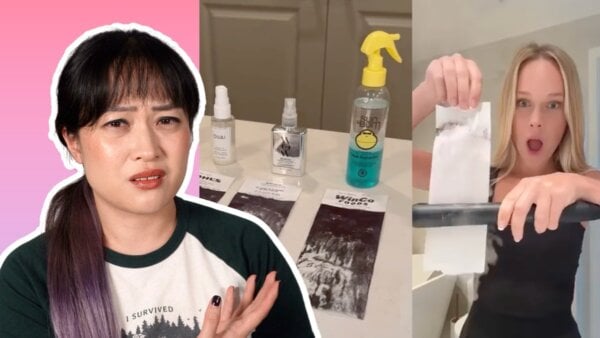
The scientific investigation into this phenomenon, led by Dr. Michelle Wong of Lab Muffin Beauty Science, began in early 2025, sparked by the pervasive nature of the viral test. Dr. Wong, a prominent beauty chemist and science communicator, set out to determine if this seemingly logical model held any scientific validity. Her initial efforts involved replicating the viral test with a range of heat protectant products, including seven pump sprays, one propellant spray, and three cream products, using a flat iron set to 170°C. The replication phase quickly unveiled inconsistencies and peculiar observations that challenged the test’s underlying premise.
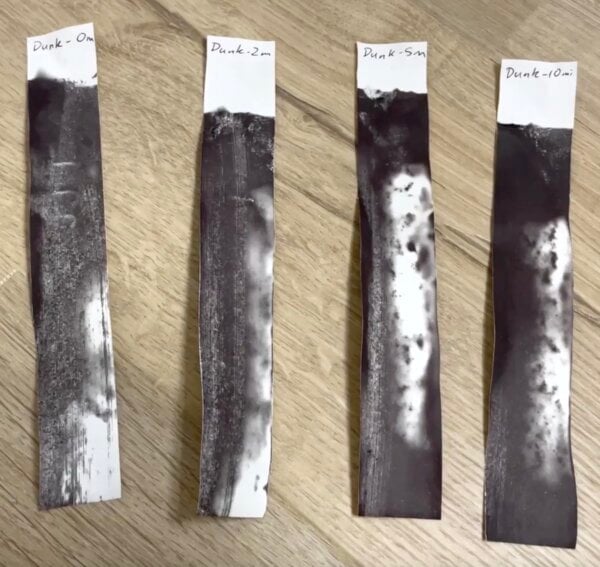
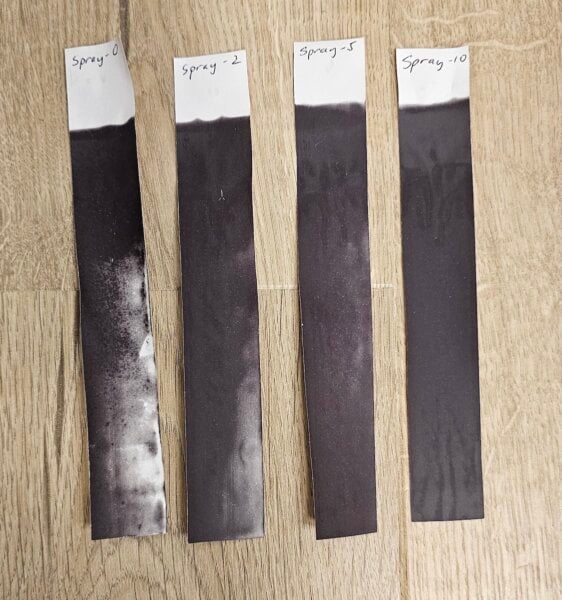
One immediate and critical observation was the significant difference in results between receipts tested immediately after product application and those allowed to dry for even a short period. Receipts tested while still visibly wet often showed less darkening, suggesting a cooling effect. Water, known for its high specific heat capacity and latent heat of vaporization, can absorb substantial amounts of thermal energy as it evaporates. This evaporative cooling would effectively lower the temperature experienced by the thermal paper, preventing it from reaching the necessary threshold to turn black. This phenomenon was further validated in dedicated water tests, where receipts sprayed or dunked in water exhibited varying degrees of whiteness depending on drying time. A receipt tested immediately after being sprayed with water showed white patches, whereas those left to dry for two to five minutes turned progressively grey and black, indicating that the initial cooling effect had diminished as the water evaporated.
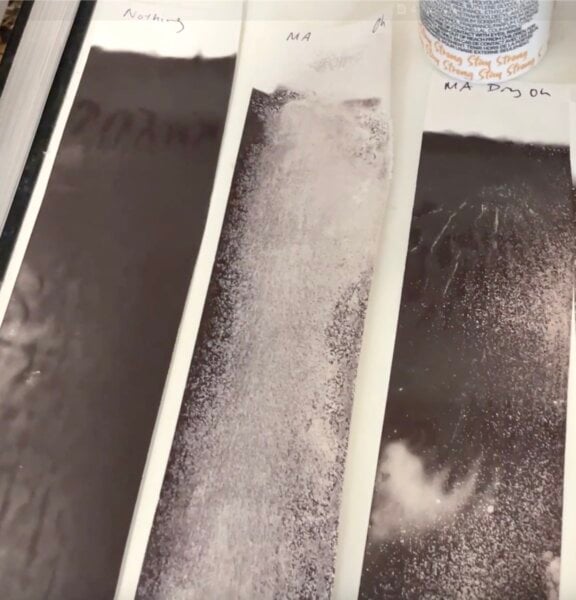
The investigation then pivoted to a more profound chemical interaction after observing that some receipts, even after being thoroughly dried for 24 hours, still resisted turning black when heated. This defied the initial hypothesis that residual water was the primary factor. Furthermore, certain spray products caused the receipts to turn grey before heating, an observation that was subtle in initial viral videos but became evident upon closer inspection. This led to a crucial re-evaluation of the thermal paper itself.
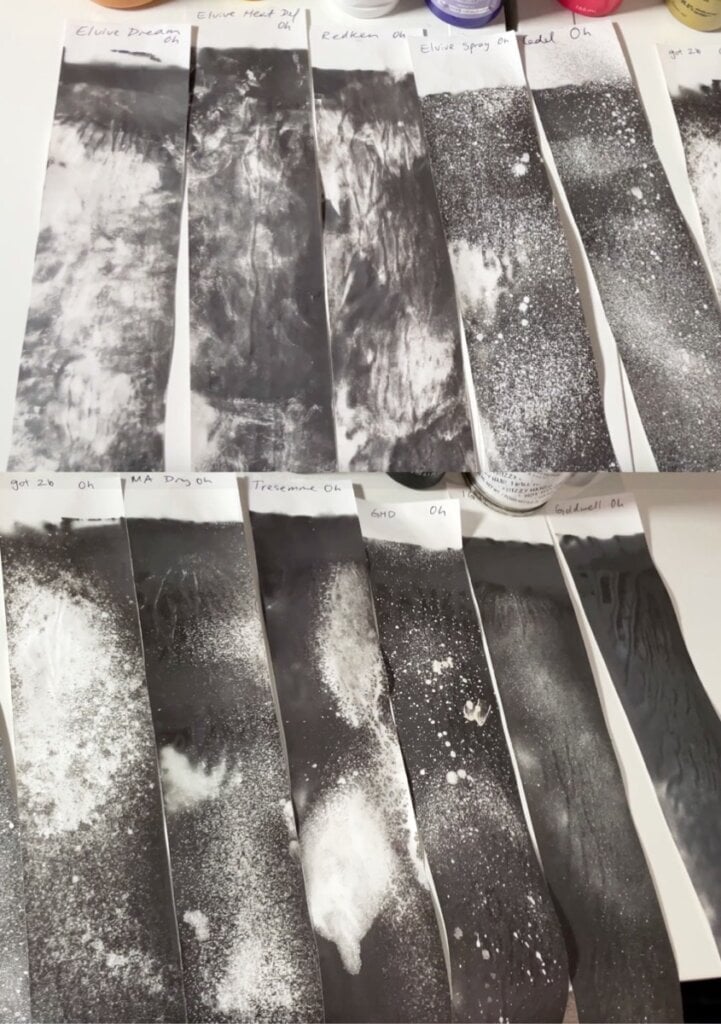
Dr. Wong’s research into the composition of thermal paper revealed a critical detail: the ink layer, composed of multiple invisible chemical components suspended in a solid solvent (akin to wax), reacts to heat by melting the solvent, allowing the components to mix and form visible black ink. While initial searches suggested thermal paper reacted at temperatures similar to hair straighteners (150-185°C), deeper research into German scientific literature indicated a much lower activation temperature, typically between 40°C and 80°C, with full density reached between 70°C and 120°C. A quick check, pouring boiling water (100°C) onto a receipt, confirmed it changed color, indicating its sensitivity below the straightener’s temperature. Further controlled experiments determined that most receipts turned black around 95°C, a temperature point roughly aligned with the threshold for hair damage. While this temperature alignment initially seemed to lend credence to the test, the mechanism of "protection" remained suspect.
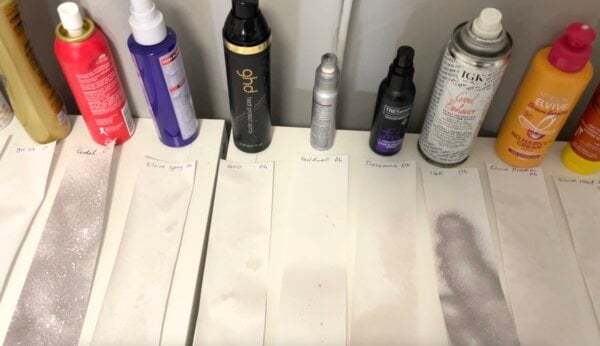
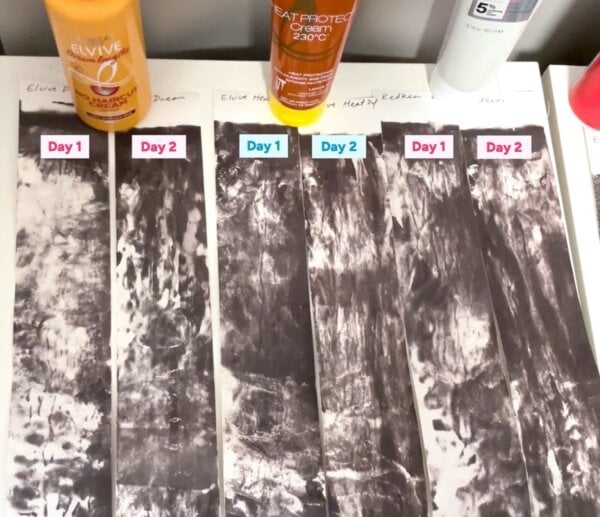
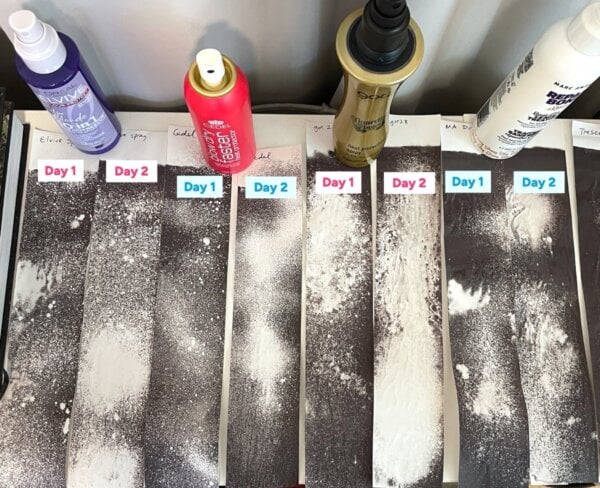
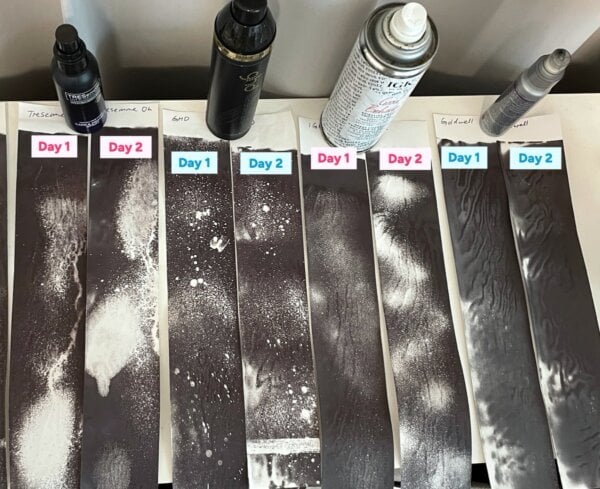
The new hypothesis centered on the idea that various components within the heat protectants were not blocking heat but actively dissolving or disrupting the thermal paper’s ink layer. This explained the observations that residual water could not. Many heat protectants, particularly sprays, contain alcohol (e.g., ethanol, isopropyl alcohol), which acts as a powerful solvent. Alcohol-rich products were observed to immediately turn receipts grey and subsequently keep them white upon heating. Diluted alcohol, which would remain on the receipt longer due to hydrogen bonding with water, was even more effective at preventing darkening. This phenomenon explains why some spray products, even when dry, showed lighter results on Day 2 of testing compared to Day 1—the solvent components continued to disrupt the ink over time.
Beyond alcohol, other common cosmetic ingredients such as surfactants were identified as potential disruptors. Surfactants, which are excellent at dissolving oily substances, are ubiquitous in beauty products, including cleansers, moisturizers, and many heat protectants (as emulsifiers). Experiments with micellar water (rich in surfactants) and detergent solutions demonstrated that these also kept receipts white after heating, further confirming the ink-dissolving hypothesis. Even everyday products like perfumes (high alcohol content) and dry shampoos (alcohol and solvents) replicated the "protective" effect on receipts, despite having no genuine heat protection properties for hair. Conversely, volatile silicones, which are key ingredients in many effective heat protectants, had minimal impact on the receipt, likely because their oily nature and rapid evaporation prevented significant ink disruption. This explains why some legitimate silicone-based heat protectants would "fail" the receipt test.
The critical flaw in the viral test lies in its fundamental misunderstanding of both thermal paper chemistry and hair science. The receipt test does not measure heat transfer or insulation relevant to hair. Instead, it measures the ability of a product’s solvents or surfactants to chemically interfere with the thermal paper’s ink layer. A product that "passes" this test by keeping the receipt white is not necessarily preventing heat from reaching the paper, but rather dissolving or dispersing the chemicals required for the heat-induced color change. Furthermore, the presence of water, while creating a temporary cooling effect on the receipt, is actually detrimental to hair when exposed to high heat tools, leading to "bubble hair" and increased damage due to explosive steam generation.
True heat protectants for hair function through entirely different mechanisms. They typically contain ingredients like silicones, polymers, and hydrolyzed proteins that coat the hair shaft. These ingredients work by:
- Distributing Heat Evenly: Preventing "hot spots" on the hair that can lead to localized damage.
- Reducing Friction: Allowing hot tools to glide smoothly over hair, minimizing mechanical damage from snagging and pulling.
- Strengthening Hair: Some ingredients penetrate the hair cortex to fortify its structure, making it more resilient to thermal stress.
- Slowing Heat Conduction: While not "blocking" heat, they can slightly reduce the rate at which heat penetrates the hair shaft, giving water within the hair more time to evaporate gently before extreme temperatures are reached.
Brands that genuinely develop effective heat protectants conduct rigorous testing on actual hair samples, often involving instrumental tests that measure parameters like hair breakage, elasticity, and surface morphology after repeated heat styling. Amika, for instance, a brand whose product "failed" the receipt test, publicly shared footage of their real-world testing, involving mechanical combing of treated hair samples under controlled conditions to assess damage. Such industry-standard tests are expensive and complex, far removed from a simple receipt experiment.
The implications of this debunking are significant for consumer education and the beauty industry. In an era dominated by short-form video content and instant gratification, the allure of quick, visual "scientific" demonstrations can easily overshadow genuine scientific rigor. Consumers are urged to be discerning, to question viral trends, and to seek information from reputable sources and qualified experts like Dr. Michelle Wong. When selecting heat protectants, look for product claims backed by "instrumental tests," "clinical studies," or specific temperature thresholds. Key ingredients like silicones (e.g., dimethicone, cyclopentasiloxane), polymers (e.g., PVP, acrylates copolymer), and hydrolyzed proteins (e.g., wheat protein) are often indicative of effective formulations. Crucially, if a product contains water, it must be allowed to dry completely before applying hot styling tools to prevent steam damage.
The viral heat protectant receipt test stands as a powerful cautionary tale regarding the rapid spread of misinformation in the digital age. While visually compelling, its conclusions are scientifically unfounded, driven by coincidental chemical interactions rather than actual heat protection. This investigation underscores the vital role of science communication in dissecting and clarifying popular trends, guiding consumers toward informed choices based on robust evidence rather than misleading visual spectacles.
