
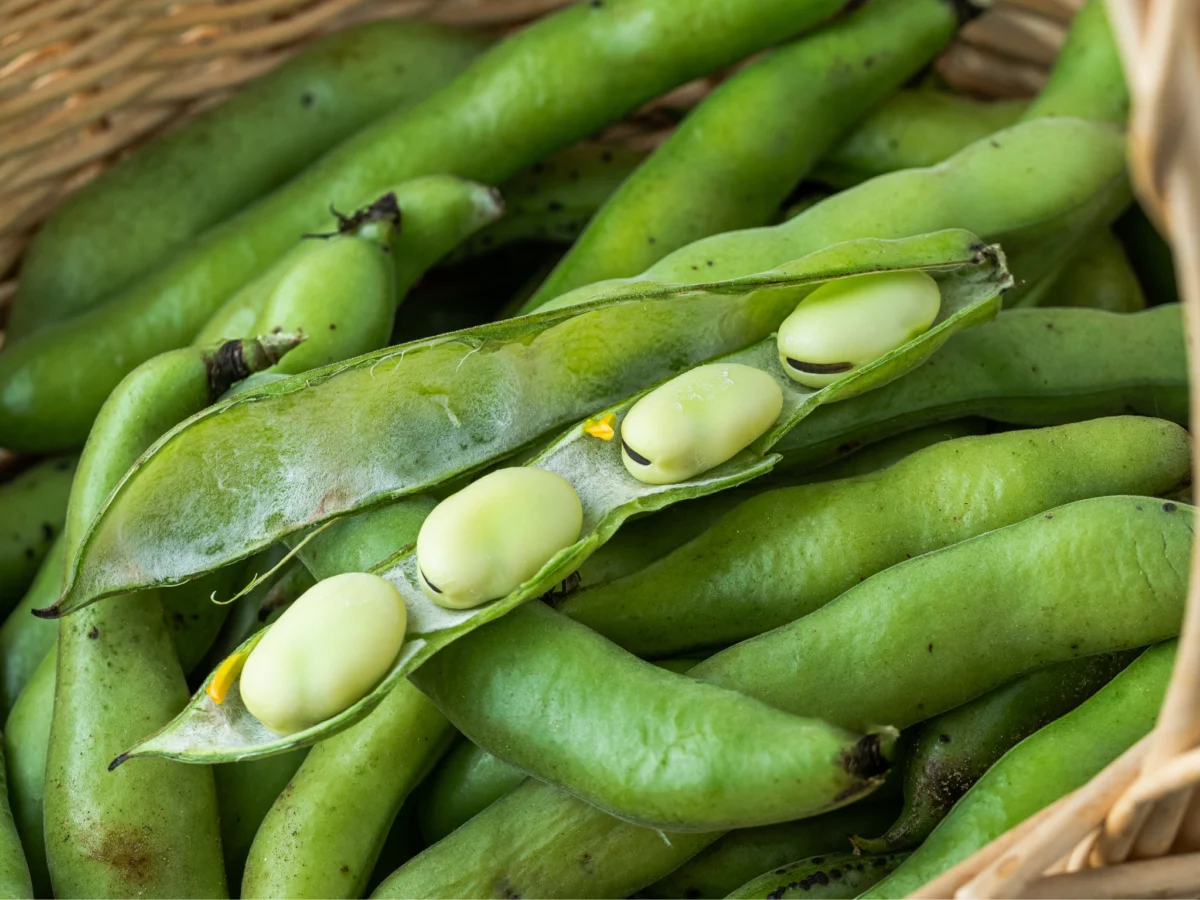
Phytokana Ingredients, a Canadian innovator in plant-based food components, has announced a significant milestone with the securing of definitive long-term offtake agreements totaling C$450 million (approximately US$330 million). These agreements represent a substantial vote of confidence in the company’s fava bean products and provide a robust foundation for the development of its planned commercial-scale dry fractionation facility in Strathmore, Alberta. The facility is poised to become a cornerstone of Canada’s burgeoning plant-based protein industry, processing an anticipated 30,000 tonnes of fava beans annually into high-value protein concentrates and specialized flours.
The landmark deals, spanning durations of three to ten years, involve a diverse portfolio of both domestic and international clients. When combined with additional Memoranda of Understanding (MoUs), Phytokana’s total potential sales pipeline now exceeds US$500 million (approximately C$365 million). This substantial forward demand visibility is crucial for underpinning the capital-intensive development of the Strathmore facility, a project designed to significantly boost Canada’s capacity for processing pulse-based ingredients.
Chris Theal, founder and CEO of Phytokana, emphasized the strategic importance of these agreements. "Securing long-term offtake agreements at this stage is a strong validation of both product performance and our commercial strategy," Theal stated. "Our customers span the globe, and the diversity of their food and beverage applications reflects the versatility of our plant-based ingredients." He further elaborated on the broad applicability of their fava bean derivatives, noting their integration into a wide array of "better-for-you" applications.
The Versatile Power of Fava Bean Ingredients
Founded in 2021 in Alberta, Phytokana has pioneered a proprietary heat- and chemical-free processing technology. This innovative approach allows for the transformation of novel fava bean varieties into highly functional ingredients, including a protein concentrate, starch flour, and a specialized fava flour. These products are distinguished by their enhanced taste, improved texture, and superior nutritional profiles, crucially retaining their natural functionality for seamless integration into various food and beverage formulations.

"From plant-based meats and alternative dairy to fortified baked goods and snack foods, our ingredients are enabling innovation across the food industry," Theal remarked. The company’s flagship fava protein concentrate boasts an impressive 70% protein content and 12% dietary fiber, characterized by a mild taste profile and excellent emulsifying and gelation properties. These attributes make it an ideal candidate for applications in plant-based meat analogs, dairy alternatives, and a wide range of bakery products, addressing a growing consumer demand for protein-rich, plant-derived options.
Phytokana’s fava bean flour, a distinct offering, provides a protein content of 32-36% and a substantial 21% fiber. This ingredient is specifically targeted towards the bakery sector, offering enhanced nutritional value and texture to baked goods. Additionally, the company produces a starch-rich flour with a protein content of 18-20%. This flour possesses valuable oil- and water-binding properties, positioning it as an excellent choice for gluten-free products and extruded snacks, further broadening its market appeal.
Strategic Sourcing and Research Collaboration
The fava beans themselves are sourced from the rich chernozemic soils of Alberta, including its brown, dark brown, and black varieties. These regions offer environmental conditions that are highly conducive to both irrigated and dry-land pulse production, ensuring a sustainable and high-quality raw material supply. Phytokana meticulously selects fava bean varieties that exhibit superior agronomic traits, yield potential, and inherent ingredient functionality, laying the groundwork for premium end-product quality.
The company’s commitment to innovation extends to robust research and development collaborations. Phytokana is actively partnering with several Canadian universities to explore new fava bean varieties and refine processing techniques. These academic partnerships are crucial for ensuring that their ingredients offer superior sensory attributes, functional performance, and nutritional benefits.
A notable collaboration is underway with the University of Alberta, focusing on a comprehensive analysis of protein composition, functionality, and taste profiles across different fava bean genotypes. Simultaneously, Phytokana is engaging with the University of Manitoba to explore advanced extrusion recipes, optimizing ingredient performance in various product formats. Furthermore, the company has sponsored a student project at the University of Guelph aimed at developing functional plant-based milk alternatives, demonstrating a commitment to fostering future innovation in the sector.
Pioneering Next-Generation Proteins with Maia Farms
In a significant move to advance the plant-based protein landscape, Phytokana initiated a collaborative product development project with Canadian food tech startup Maia Farms in the previous year. This joint initiative focuses on creating next-generation mycelium proteins. The core of this project involves upcycling Phytokana’s fava bean byproducts, transforming them into essential components for fermentation media.
This ambitious venture is bolstered by a substantial C$32.5 million (approximately US$24 million) in funding, provided through a combination of Protein Industries Canada, a federally backed innovation cluster, and strategic industry partners. This investment underscores the national importance and potential of such collaborations in driving Canada’s bio-economy forward.
Gavin Schneider, co-founder and CEO of Maia Farms, highlighted the project’s progress in January, stating, "Together, we have demonstrated that our fermentation process can become more cost-effective and produce a superior end product. As part of the funding, we will increase our capacity to test agricultural residuals at commercial scale." This partnership not only aims to create novel protein sources but also champions a circular economy approach by valorizing agricultural side streams.
Implications for the Food Industry and Supply Chains
The substantial offtake agreements secured by Phytokana signal a "differentiated approach to commercial execution" within the highly competitive plant-based ingredient sector. These commitments position the company as a reliable global supplier of high-quality fava bean concentrates and flours, capable of meeting the increasing demands of food manufacturers worldwide.
"As we advance Alberta’s first commercial-scale dry fractionation facility, we are proud to contribute to more resilient, sustainable, and secure food supply chains worldwide," stated Chris Theal. The development of this facility represents a significant step towards de-centralizing protein production and reducing reliance on imported ingredients, thereby enhancing national food security.

Vincent Chahley, Chairman of Phytokana, underscored the achievement’s significance. "These definitive offtake agreements are a cornerstone achievement for the company and a clear demonstration of disciplined execution by our team," Chahley remarked. "In a complex geopolitical and capital environment, we have built credibility through innovation, strong customer collaboration, and a focused vision for better-for-you ingredients."
Chahley further elaborated on the strategic advantage gained from these agreements: "The level of contracted demand we have secured significantly de-risks the path to commercialisation and reinforces the strength of our partnerships and long-term strategy." This financial and market validation is likely to attract further investment and accelerate Phytokana’s growth trajectory, solidifying its position as a leader in the fava bean ingredient market. The successful development of the Strathmore facility is expected to create skilled jobs in Alberta and contribute significantly to the province’s agricultural and processing sectors. The broader implications extend to a more diversified and sustainable global food system, driven by innovative plant-based solutions.
