

Polycystic Ovary Syndrome (PCOS) stands as the most prevalent endocrine disorder affecting individuals of reproductive age, impacting an estimated 6 to 12 percent of women globally. Characterized by a complex interplay of hormonal imbalances, metabolic dysfunction, and reproductive challenges, PCOS frequently features insulin resistance as a core pathological driver. Clinical investigations indicate that up to 75 percent of women diagnosed with PCOS exhibit some degree of cellular resistance to insulin. This high prevalence has shifted the paradigm of PCOS treatment away from purely managing reproductive symptoms toward addressing underlying metabolic dysfunction. Among the primary therapeutic approaches are insulin-sensitizing agents, notably the prescription pharmaceutical metformin and the naturally occurring sugar supplement inositol. As medical professionals and patients continually weigh the benefits of pharmaceutical interventions versus dietary supplementation, a comprehensive comparative analysis of inositol and metformin becomes essential for understanding their respective roles in modern endocrinology and gynecology.
Understanding Insulin Resistance and the Endocrine Profile of PCOS
The physiological framework of PCOS is deeply intertwined with how the human body processes glucose and manufactures insulin. When a person suffers from insulin resistance, their cellular receptors demonstrate a diminished responsiveness to circulating insulin. To compensate for this sluggish cellular uptake, the pancreas increases insulin production, resulting in chronic hyperinsulinemia—elevated levels of insulin in the bloodstream.

This surplus of insulin exerts profound downstream effects on the endocrine system. Excess insulin acts synergistically with luteinizing hormone (LH) to stimulate the theca cells within the ovaries, leading to an overproduction of androgens, such as testosterone. These elevated androgen levels are directly responsible for many hallmark physical manifestations of PCOS, including hirsutism, acne, and male-pattern hair thinning, as well as the disruption of normal follicular development that inhibits regular ovulation. Consequently, interventions that improve insulin sensitivity effectively break this pathological chain reaction, lowering systemic insulin, reducing androgen synthesis, and restoring ovulatory function.
Metformin: Mechanisms, Clinical Efficacy, and Historical Context
Metformin, a synthetic biguanide medication derived historically from the French lilac (Galega officinalis), has spent decades as a foundational treatment for type 2 diabetes mellitus. Over the last twenty-five years, its clinical utility has expanded significantly into the management of PCOS-related insulin resistance, despite its off-label status for this specific indication in many jurisdictions.
According to endocrinology and nutrition experts like registered dietitian Angela Grassi, metformin lowers blood glucose and systemic insulin concentrations primarily through three distinct physiological pathways. First, it suppresses hepatic gluconeogenesis, which is the liver’s process of producing and releasing new glucose into the bloodstream. Second, it enhances peripheral glucose uptake and utilization in skeletal muscle tissue, making cells more receptive to circulating insulin. Third, it delays intestinal absorption of glucose from ingested foods, blunting postprandial glycemic spikes.

Randomized clinical trials evaluating metformin in PCOS populations have consistently demonstrated favorable outcomes regarding metabolic and reproductive parameters. Research highlighted in major medical journals shows that long-term metformin administration can significantly improve insulin resistance profiles, reduce circulating androgen concentrations, and enhance both spontaneous ovulation and clinical pregnancy rates. Furthermore, mechanistic studies reveal an intriguing overlap: metformin partially improves one of the precise intracellular insulin-signaling pathways that is also modulated by myo-inositol, bridging the gap between pharmaceutical and nutrient-based interventions.
Inositol: Molecular Function and Nutritional Science
Inositol, often historically misclassified as vitamin B8, is a carbocyclic sugar naturally synthesized by the human body and abundantly found in diverse dietary sources, including fresh fruits, citrus, beans, whole grains, and nuts. Within the spectrum of its stereoisomers, myo-inositol and D-chiro-inositol are the two forms most critically involved in cellular signaling and metabolic regulation.
Myo-inositol acts as a vital secondary messenger in the insulin-signaling cascade. Every cell membrane features insulin receptors that function through a complex lock-and-key mechanism. For insulin to successfully convey its metabolic instructions into the cell, the receptor must bind the hormone precisely. Inositol serves a structural and functional role within this receptor apparatus, facilitating efficient binding and subsequent intracellular signal transduction. By ensuring that the receptor operates at peak efficiency, inositol prevents the body from needing to overproduce insulin to achieve the same metabolic effect. Moreover, inositol acts as a regulatory switch, helping to terminate the cellular response to insulin once the signal has been successfully delivered.
Clinical trials comparing myo-inositol directly against metformin have yielded compelling results. A systematic review and meta-analysis published in the European Review for Medical and Pharmacological Sciences evaluated the comparative efficacy of myo-inositol versus metformin in women with PCOS. The findings indicated that myo-inositol matched the therapeutic efficacy of metformin in improving metabolic parameters, reducing insulin resistance, normalizing androgen levels, and restoring both ovulatory function and pregnancy rates, all while demonstrating a markedly superior safety and tolerability profile.
Comparative Efficacy: Benefits of Metformin vs. Inositol
When evaluating the therapeutic utility of these two agents for PCOS management, clinical data point toward several distinct advantages and limitations for each option.
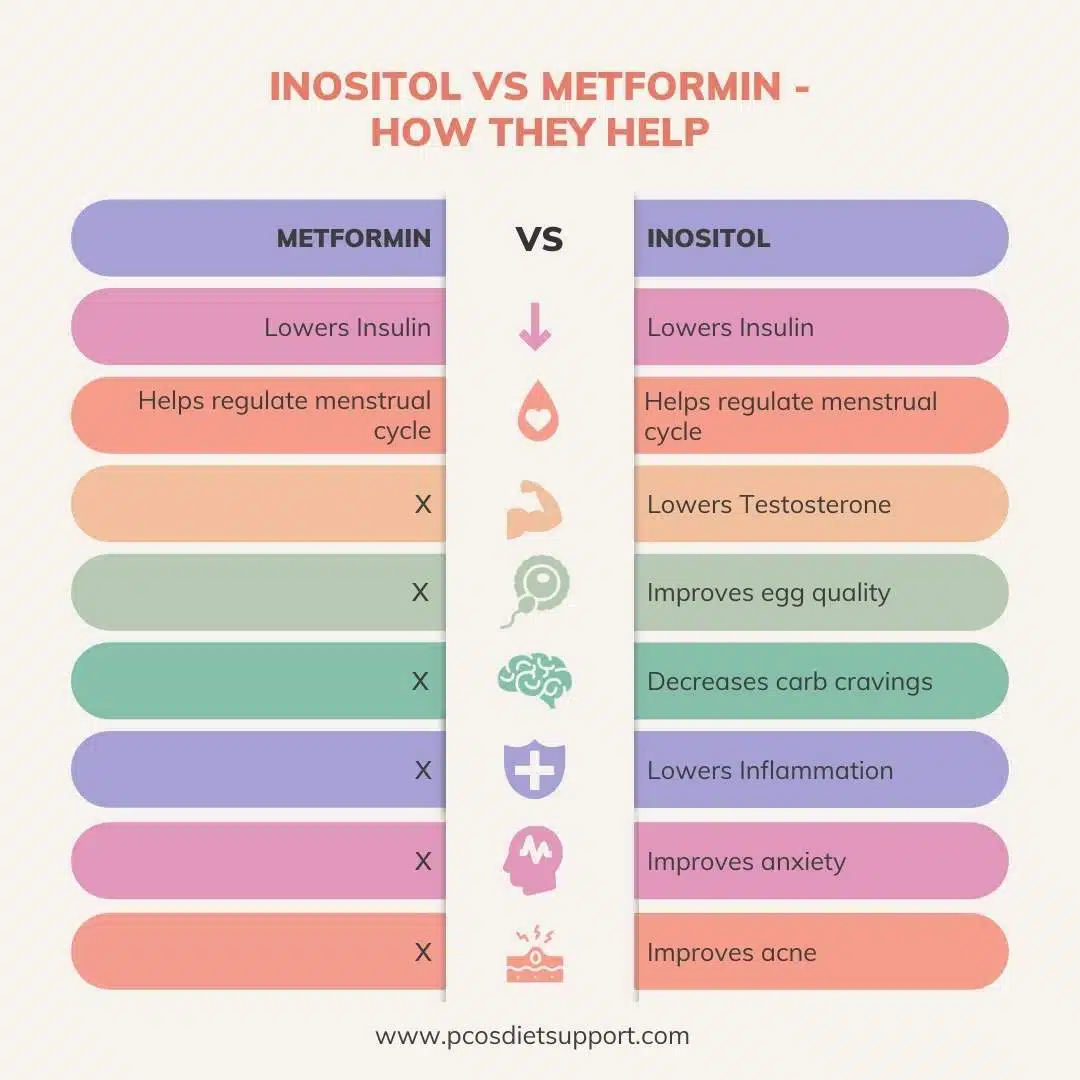
Metformin boasts a robust history of extensive clinical trial data and peer-reviewed safety evaluations spanning several decades. Its primary benefits documented in randomized controlled trials include the significant reduction of fasting insulin and glucose levels, the lowering of free androgen indexes, and the eventual re-establishment of menstrual cyclicity in anovulatory patients. However, clinical trials examining weight parameters—such as a landmark six-month trial published in the Journal of Clinical Endocrinology and Metabolism—revealed that while metabolic markers and insulin sensitivity improved significantly, patients taking metformin often showed minimal changes in body mass index (BMI) or direct weight loss.

Conversely, myo-inositol has emerged as one of the most thoroughly researched nutritional supplements for PCOS, yielding an impressive array of clinical benefits. Beyond improving insulin sensitivity and reducing hyperandrogenism, inositol supplementation has been widely associated with improvements in oocyte (egg) quality, a critical factor for women undergoing fertility treatments or struggling with subfertility due to PCOS. Additionally, research suggests that inositol may positively influence lipid profiles by lowering triglycerides and total cholesterol, while also supporting mood regulation, potentially mitigating the anxiety and depressive symptoms frequently comorbid with hormonal imbalances.
Adverse Effects and Tolerability Profiles
The divergence between pharmaceutical and supplemental approaches becomes most apparent when examining side effect profiles and patient tolerability.
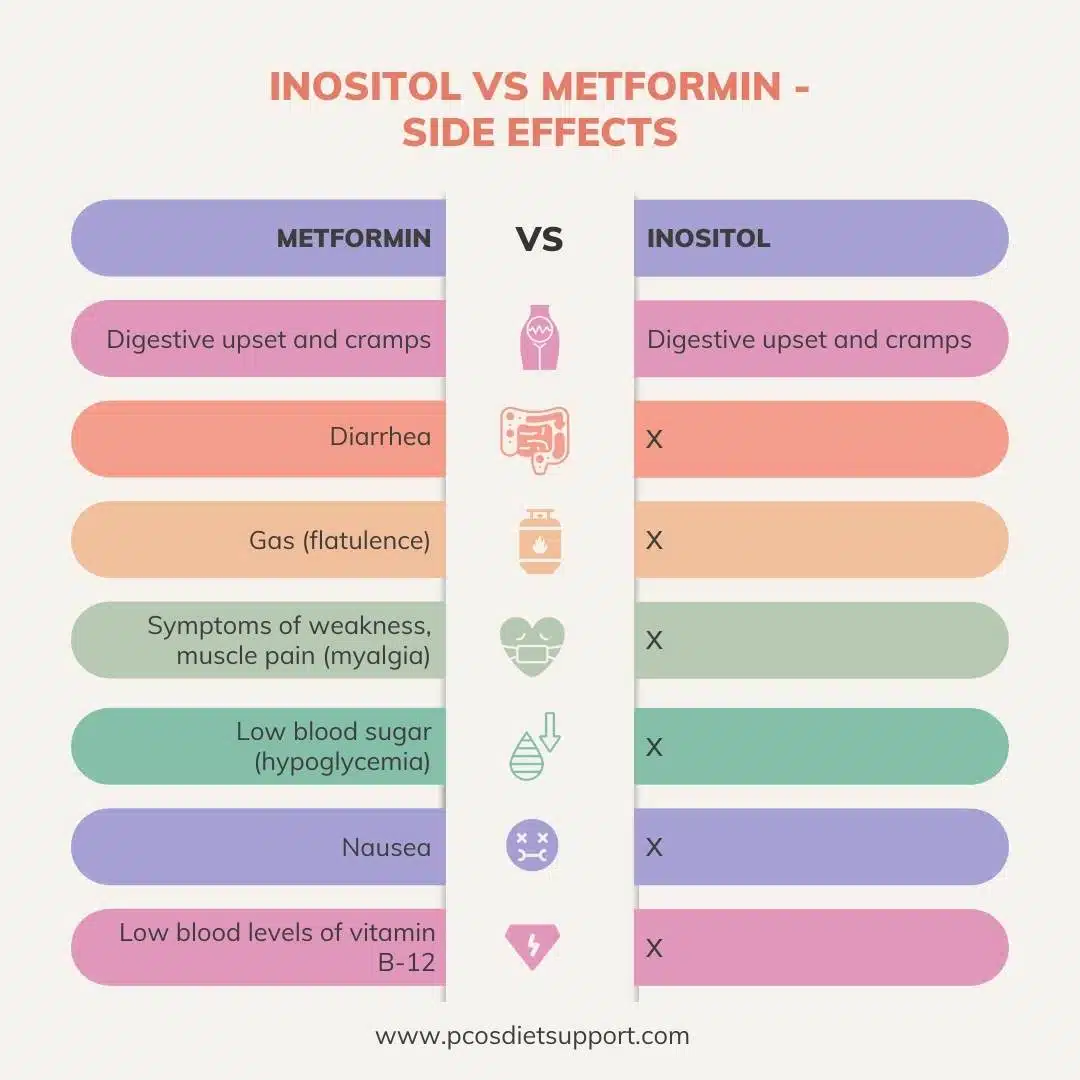
Metformin is notoriously associated with gastrointestinal adverse events. A substantial percentage of patients initiated on standard-release metformin report experiencing nausea, abdominal cramping, flatulence, and persistent diarrhea. While these symptoms can occasionally be mitigated by starting with low doses, titrating upward slowly, or utilizing extended-release formulations, gastrointestinal intolerance remains a leading cause of treatment discontinuation. Furthermore, long-term use of metformin is recognized to interfere with the absorption of vitamin B12, necessitating periodic nutritional monitoring and potential supplementation to prevent deficiency-related neuropathies or anemias. Rare, severe complications such as lactic acidosis, though infrequent, require vigilant clinical oversight, particularly in patients with compromised renal function.

In contrast, myo-inositol is exceptionally well-tolerated by the vast majority of patients. Clinical studies indicate that adverse events are rare and typically mild, restricted primarily to occasional, transient gastrointestinal upset or mild headaches at higher doses. Because it is a nutrient naturally handled by human metabolic pathways, it does not pose the risks of vitamin malabsorption or systemic metabolic acidosis associated with biguanide therapy. This favorable safety profile makes inositol an attractive first-line option for long-term daily administration without the burden of severe medication-induced side effects.
Clinical Considerations and Combination Therapy
A frequently encountered clinical question among patients managing PCOS is whether metformin and inositol can be utilized concurrently. Because both compounds function as insulin sensitizers through complementary pathways, clinicians occasionally recommend combination therapy for patients exhibiting severe, treatment-resistant insulin resistance or refractory metabolic profiles.
However, combining two powerful insulin-sensitizing agents introduces distinct physiological risks, most notably the potential for hypoglycemia (dangerously low blood sugar levels). Healthcare providers advise caution and systematic monitoring if these agents are paired. Furthermore, because metformin is a prescription medication, patients currently taking it are strongly advised to consult their prescribing physician or endocrinologist before introducing inositol or any other over-the-counter supplement into their daily regimen. This ensures proper monitoring of metabolic markers and prevents unintended adverse drug-supplement interactions.
Specialized Formulations and Market Landscape
The commercial supplement market has expanded significantly to accommodate the rising demand for evidence-based PCOS interventions. Products such as Ovasitol—a proprietary blend formulated by Theralogix containing a specific physiological ratio of myo-inositol to D-chiro-inositol (typically 40 to 1)—have gained widespread popularity among patients and practitioners alike. While marketing materials often highlight these specialized blends, comprehensive medical literature confirms that while inositol is exceptionally effective, there is no definitive clinical evidence proving that branded combination supplements universally outperform standard pharmaceutical metformin in terms of raw metabolic reduction; rather, their primary advantage lies in the near-total absence of debilitating gastrointestinal side effects.
Broader Implications for PCOS Therapeutics
The ongoing clinical evaluation of inositol versus metformin underscores a broader evolution in modern medicine: the integration of evidence-based nutraceuticals into standard chronic disease management. For decades, endocrine disorders driven by metabolic dysfunction relied almost exclusively on synthetic pharmacotherapy. While medications like metformin remain indispensable tools—particularly for patients progressing toward pre-diabetes or overt type 2 diabetes—the validation of myo-inositol provides clinicians and patients with a powerful, biologically harmonious alternative that addresses the core pathology of PCOS without exacting a heavy toll in adverse side effects.
Ultimately, the choice between inositol and metformin depends heavily on an individualized clinical assessment, patient symptom severity, metabolic lab results, reproductive goals, and personal tolerance for pharmaceutical side effects. As research into the molecular mechanisms of insulin signaling continues to advance, the boundary between dietary supplementation and targeted pharmacology will likely continue to blur, offering increasingly refined, patient-centric pathways for managing polycystic ovary syndrome.
