

Polycystic Ovary Syndrome (PCOS) affects an estimated 8 to 13 percent of reproductive-aged women globally, making it one of the most prevalent endocrine disorders in clinical practice. Characterized by a complex interplay of hormonal imbalances, metabolic dysfunction, and chronic low-grade systemic inflammation, PCOS often presents significant management challenges for both patients and healthcare providers. While conventional treatment protocols frequently rely on pharmaceutical interventions such as oral contraceptives, anti-androgens, and insulin-sensitizing agents like metformin, growing medical interest has turned toward targeted dietary interventions. Among these, the traditional Mediterranean diet has emerged as a focal point of clinical investigation, with recent studies highlighting its potential to mitigate core metabolic and reproductive symptoms associated with the condition.
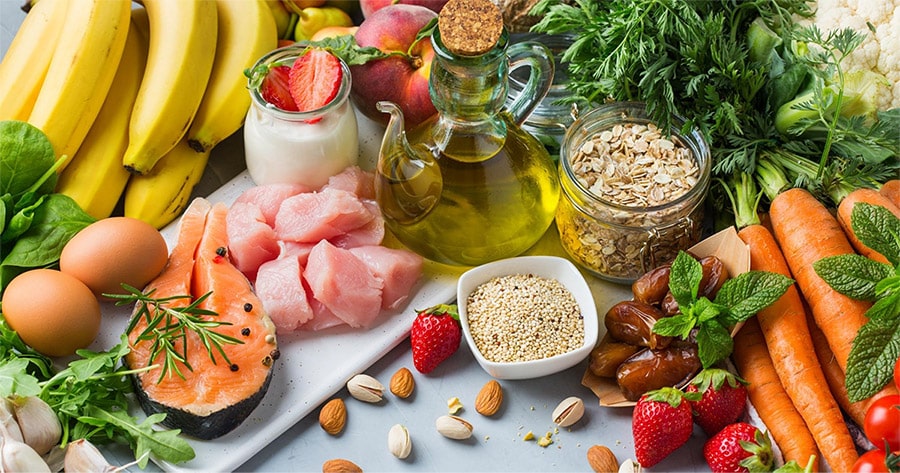
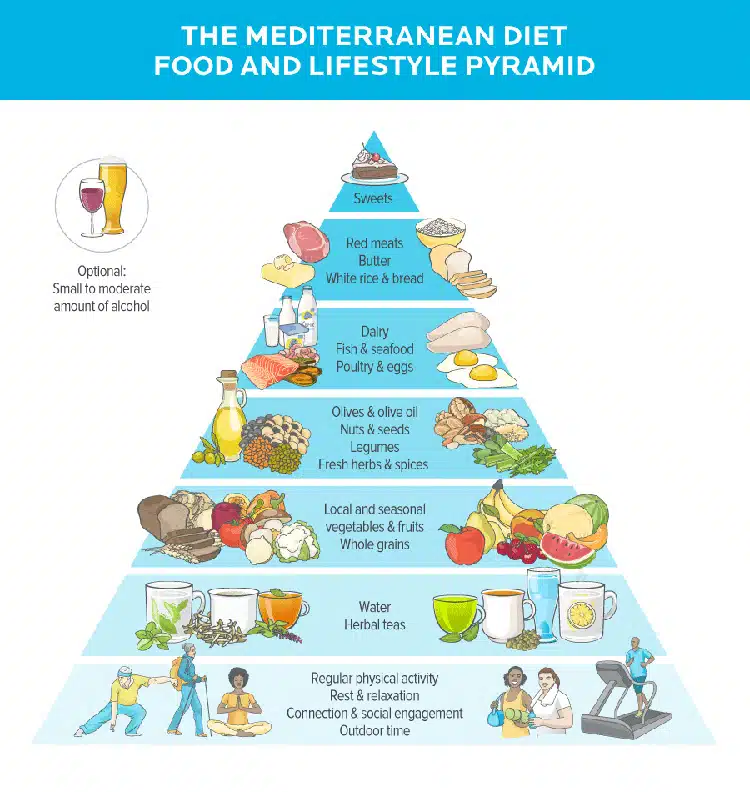
The traditional Mediterranean dietary pattern is historically rooted in the culinary traditions of countries bordering the Mediterranean Sea, characterized by a high consumption of plant-based foods—including fresh fruits, vegetables, whole grains, legumes, nuts, and seeds—with extra virgin olive oil serving as the primary source of dietary fat. Moderate intake of fish, poultry, dairy, and eggs is incorporated, while red meat and processed foods are largely restricted. This nutritional framework naturally contrasts with the standard Western diet, which is typically dense in refined carbohydrates, saturated fats, processed sugars, and sodium. Over the past decade, epidemiological and clinical data have underscored the distinct physiological advantages of the Mediterranean dietary paradigm, prompting endocrinologists, gynecologists, and registered dietitians to evaluate its direct application to complex metabolic disorders such as PCOS.
Pathophysiologically, PCOS is inextricably linked to metabolic complications, most notably insulin resistance, which affects approximately 50 to 70 percent of diagnosed women regardless of their body mass index. Insulin resistance impairs cellular glucose uptake, leading to compensatory hyperinsulinemia—elevated circulating levels of insulin in the bloodstream. This excess insulin acts synergistically with luteinizing hormone to stimulate ovarian androgen production, resulting in elevated testosterone levels that manifest as characteristic clinical features, including hirsutism, acne, and alopecia. Furthermore, hyperinsulinemia suppresses hepatic sex hormone-binding globulin (SHBG) synthesis, further increasing bioavailable androgens. Clinical research indicates that the adoption of a Mediterranean dietary pattern significantly improves glycemic control, enhances insulin sensitivity, and lowers fasting insulin levels, thereby interrupting this pathological cascade at its root.
Beyond glycemic regulation, chronic low-grade systemic inflammation is a hallmark feature of PCOS that operates independently of obesity, though excess adipose tissue can exacerbate the inflammatory state. Women with PCOS frequently exhibit elevated systemic inflammatory biomarkers, such as C-reactive protein (CRP), interleukins, and tumor necrosis factor-alpha (TNF-alpha). The Mediterranean diet is exceptionally rich in antioxidants, polyphenols, and monounsaturated fatty acids, components recognized for their anti-inflammatory properties. Clinical trials have demonstrated that consistent adherence to this dietary framework significantly suppresses systemic inflammatory pathways. By dampening chronic inflammation, the Mediterranean diet indirectly improves insulin receptor signaling and ameliorates the endothelial dysfunction commonly observed in this patient population, consequently reducing long-term cardiovascular risks.
The reproductive implications of PCOS are equally profound, as the syndrome remains a leading cause of female anovulatory infertility. Nutritional epidemiology has increasingly illuminated the connection between dietary quality and reproductive outcomes. A landmark study published in the journal Human Reproduction evaluated non-obese women undergoing assisted reproductive technology and found that strict adherence to a Mediterranean-style diet substantially increased the likelihood of successful clinical pregnancy and live birth rates. Specifically, participants who consumed higher quantities of fresh produce, whole grains, legumes, fish, and olive oil while limiting red meat demonstrated a markedly higher probability of achieving a successful gestation compared to those with lower dietary adherence. Researchers hypothesize that this reproductive advantage stems from the amelioration of systemic oxidative stress, improved oocyte quality, and optimized hormonal balance facilitated by the diet’s nutrient profile.
Endocrinological evaluations have also shed light on the direct impact of Mediterranean nutrition on circulating androgen profiles. Clinical studies examining dietary patterns in women with PCOS have identified an inverse relationship between adherence to the Mediterranean diet and total testosterone concentrations. This hormonal modulation is largely attributed to the high concentration of omega-3 polyunsaturated fatty acids found in marine sources characteristic of the diet, as well as the replacement of pro-inflammatory saturated fats with anti-inflammatory monounsaturated fats. Lowering circulating testosterone alleviates the dermatological and physical manifestations of hyperandrogenism, offering patients relief from treatment-resistant acne and abnormal hair growth patterns without relying exclusively on pharmacotherapy.
In recent years, the intersection between gastrointestinal health and endocrine function has become a major frontier in medical research, often referred to as the gut-brain-ovary axis. Emerging data indicate that women with PCOS exhibit a less diverse gut microbiome compared to healthy controls, a dysbiosis that can compromise intestinal permeability, exacerbate systemic inflammation, and worsen insulin resistance. The high fiber content and prebiotic compounds inherent in a Mediterranean diet—sourced from legumes, vegetables, whole grains, and fruits—serve as essential substrates for beneficial gut bacteria, promoting microbial diversity and short-chain fatty acid production. This restoration of gut barrier integrity and microbial balance provides a systemic mechanism through which Mediterranean dietary patterns alleviate downstream metabolic symptoms of PCOS.
Furthermore, the clinical manifestation of non-alcoholic fatty liver disease (NAFLD) occurs at a significantly higher prevalence among women with PCOS compared to the general female population, driven primarily by insulin resistance and altered lipid metabolism. Clinical intervention trials focusing on 12-month implementations of the Mediterranean diet have documented significant reductions in intrahepatic lipid accumulation and improvements in systemic insulin sensitivity, independent of notable weight loss. This positions the diet not merely as a weight-management tool, but as a targeted therapeutic intervention capable of reversing hepatic steatosis and protecting against advanced liver disease in metabolically vulnerable patients.
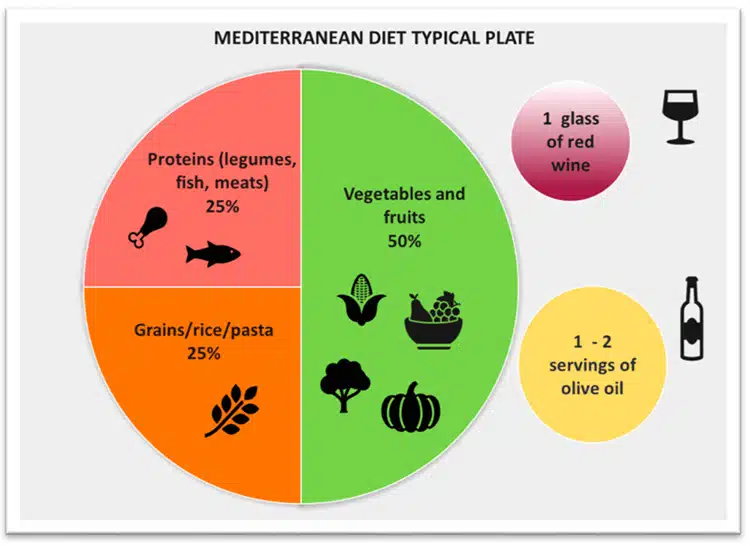
Despite these clinical advantages, implementing a Mediterranean dietary pattern requires careful personalization, particularly when counseling individuals with PCOS. Traditional interpretations of the diet frequently emphasize unrefined carbohydrates, such as whole grains and legumes, which, while vastly superior to processed sugars, must still be carefully portioned to accommodate varying degrees of individual carbohydrate intolerance and insulin resistance. Clinical dietitians generally advocate for a modified approach that prioritizes proteins from fish and plant-based legumes, incorporates generous amounts of healthy fats from extra virgin olive oil and nuts, and structures carbohydrate intake around low glycemic index (GI) sources to prevent postprandial glycemic spikes.
Behavioral and lifestyle components of the broader Mediterranean tradition also offer valuable therapeutic lessons for PCOS management. Clinical nutritionists emphasize the physiological benefits of mindful eating habits, such as slowing the pace of consumption, which enhances satiety signaling and aids in managing the dysregulated hunger cues frequently reported by women with metabolic disorders. Additionally, the emphasis on locally sourced, seasonal whole foods naturally minimizes exposure to ultra-processed foodstuffs and environmental endocrine disruptors often packaged in commercial food containers.
As medical guidelines continue to evolve, healthcare providers increasingly recognize that nutritional therapy is not a secondary adjunct, but a foundational pillar in the multidisciplinary management of Polycystic Ovary Syndrome. While further large-scale randomized controlled trials are required to fully elucidate the long-term clinical outcomes of Mediterranean nutrition across diverse phenotypic presentations of PCOS, current evidence robustly supports its integration into patient care plans. By simultaneously targeting chronic inflammation, insulin resistance, hyperandrogenism, and gut microbiome dysbiosis, the Mediterranean diet offers a scientifically grounded, sustainable framework for improving the quality of life and metabolic health of millions of women navigating this complex endocrine condition.
