

Managing Polycystic Ovary Syndrome (PCOS)—one of the most common endocrine and metabolic disorders affecting reproductive-aged women—becomes significantly more complex when planning for or navigating a pregnancy. Characterized by hormonal imbalances, insulin resistance, and chronic low-grade inflammation, PCOS impacts not only ovulation and fertility but also metabolic health throughout gestation. For prospective mothers and pregnant women diagnosed with this condition, targeted nutritional optimization is a critical component of clinical management. Among the foundational interventions, selecting the appropriate prenatal vitamin tailored to the unique metabolic demands of PCOS can profoundly influence both maternal wellness and fetal development.
Understanding the Physiological Demands of PCOS During Pregnancy
PCOS affects an estimated 6 to 12 percent of women of reproductive age globally, translating to millions of individuals facing heightened risks for pregnancy complications. Hormonal disruptions inherent to the condition, such as elevated androgen levels and impaired insulin signaling, frequently compromise oocyte (egg) quality, lower ovulation rates, and increase susceptibility to metabolic complications like gestational diabetes and pre-eclampsia. Furthermore, clinical research indicates that roughly 80 percent of women with PCOS suffer from concurrent vitamin D deficiencies, exacerbating underlying insulin resistance and chronic inflammation.
Given these physiological hurdles, conventional prenatal supplementation designed for the general population may fall short of addressing the nuanced biochemical needs of women with PCOS. Medical professionals increasingly emphasize early nutritional intervention, often beginning well before conception, to mitigate risks and support healthy embryonic development from the earliest stages.
The Timeline for Supplementation: Preconception to Postpartum
The window of optimal nutritional preparation begins long before a positive pregnancy test. Reproductive endocrinologists and obstetricians generally recommend initiating prenatal vitamins as soon as a patient actively begins trying to conceive. This proactive timeline ensures that maternal micronutrient stores—particularly folate, iron, and vitamin D—are fully saturated before organogenesis begins.
During the first trimester, the rapid formation of the neural tube underscores the vital importance of consistent folate intake. Because PCOS can introduce unpredictability into menstrual cycles and ovulation timelines, establishing a steady baseline of essential nutrients via supplementation helps bridge the gap between irregular natural cycles and embryonic demands. Even in cases where conception occurs without a planned pre-supplementation phase, introducing high-grade prenatal vitamins immediately upon discovery remains a critical step in supporting a healthy gestation period.

Core Nutritional Requirements Outlined by Health Authorities
According to guidelines established by the American Pregnancy Association and leading obstetric organizations, a comprehensive prenatal supplement must deliver specific core nutrients at calibrated dosages. For women managing PCOS, certain components carry heightened significance due to their metabolic and developmental roles.
Folate and Folic Acid
Folate, a water-soluble B vitamin, is indispensable for the prevention of neural tube defects such as spina bifida and anencephaly, which develop within the first few weeks of pregnancy—often before a woman knows she is pregnant. Beyond neural development, studies highlight folate’s role in lowering the incidence of congenital heart defects and oral clefts. While dietary sources include leafy greens, legumes, and fortified grains, health agencies universally recommend supplementation to meet the standard daily threshold of 400 micrograms (mcg). For individuals with specific genetic variations affecting methylation, such as MTHFR mutations common in certain populations, bioavailable forms like methylated folate are frequently preferred by clinicians.

Iron
Iron demands surge exponentially during pregnancy to support the dramatic expansion of maternal blood volume and ensure adequate oxygen delivery to the placenta and developing fetus. Insufficient iron intake frequently leads to gestational anemia, a condition characterized by fatigue, weakness, and elevated risks of low birth weight. Standard clinical guidelines recommend a daily intake of 27 milligrams of iron. While iron is abundant in red meats, poultry, and legumes, supplemental iron is routinely integrated into prenatal formulations to counteract the high prevalence of deficiency during pregnancy.
Calcium
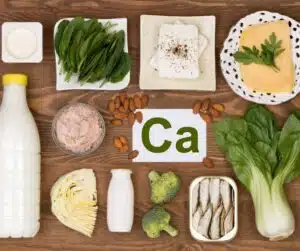
During gestation, the developing fetus draws heavily upon maternal reserves for skeletal mineralization. If dietary and supplemental intake is inadequate, maternal bone density can be compromised to satisfy fetal demands. Maintaining a daily target of 1,000 milligrams of calcium supports both maternal skeletal integrity and the formation of robust teeth and bones in the infant. While dairy products remain primary dietary sources, supplementation ensures consistent systemic availability.
Vitamin D
Vitamin D functions not merely as a vitamin, but as a potent pro-hormone influencing immune function, calcium absorption, and insulin sensitivity. Given the high prevalence of vitamin D insufficiency among women with PCOS, adequate intake is doubly crucial. Beyond mitigating spina bifida risks and supporting calcium utilization, optimal vitamin D levels are linked to enhanced ovarian function, improved fertility outcomes, and diminished chronic inflammation. Clinical recommendations often center around a daily intake of 4,000 international units (IU), sourced safely from targeted supplementation, fortified foods, and moderate, protected sun exposure.
Omega-3 Fatty Acids
Omega-3 fatty acids, specifically docosahexaenoic acid (DHA) and eicosapentaenoic acid (EPA), are foundational for the neurological and visual development of the fetus. For patients with PCOS, omega-3s offer a secondary, highly valuable benefit: the reduction of systemic inflammation. By combating chronic inflammatory pathways, omega-3 fatty acids help ameliorate insulin resistance and assist in modulating circulating androgen levels. Daily targets typically center around 300 mg of DHA, ideally sourced from high-purity fish oil supplements that offer superior bioavailability compared to plant-based alternatives.
Top Prenatal Supplement Formulations for PCOS Management
Navigating the crowded marketplace of prenatal vitamins requires careful evaluation of ingredient quality, third-party testing, and specific formulation profiles tailored to endocrine health. Based on clinical standards and nutritional analyses, several products stand out for individuals managing PCOS.
TheraNatal Complete
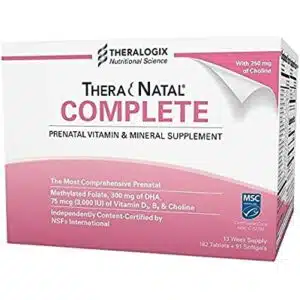
Developed by Theralogix—a company widely recognized in reproductive health circles for targeted PCOS supplements like Ovasitol—TheraNatal Complete offers a rigorously tested, dye-free, and gluten-free formulation. It delivers key micronutrients including methylated folate, choline, vitamin B6, and DHA. Notably, it provides an elevated dose of vitamin D, directly addressing the deficiency patterns frequently observed in PCOS populations.
Pink Stork Total Prenatal with DHA and Folic Acid
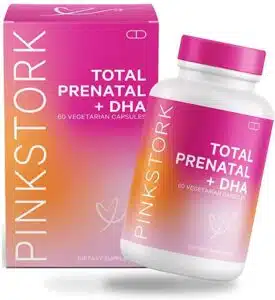
Pink Stork provides an alternative comprehensive option tailored to support metabolic and fetal health. This formulation combines high concentrations of vitamin D and omega-3 fatty acids with a broad spectrum of supporting micronutrients, including vitamins C, E, and the B-complex family, alongside essential trace minerals such as zinc, selenium, copper, and chromium.
Nature Made Prenatal with Folic Acid + DHA
For patients seeking an accessible, economical option without compromising on essential safety standards, Nature Made Prenatal delivers core developmental nutrients—including folic acid, iron, calcium, and DHA—at a highly competitive price point, making quality baseline supplementation widely accessible.

Differentiating Preconception and Prenatal Formulations
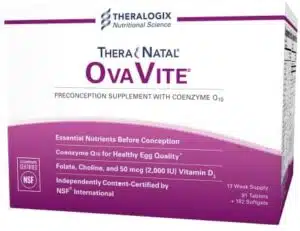
A frequent point of inquiry among women with PCOS is the distinction between preconception and prenatal vitamins. Preconception formulas are specifically engineered to prepare the internal environment for fertilization, often featuring elevated concentrations of antioxidants and targeted compounds designed to enhance oocyte quality—an area frequently compromised by hormonal imbalances in PCOS.
For instance, combining preconception supplements containing Coenzyme Q10 (CoQ10)—a powerful antioxidant known to support mitochondrial function in eggs—with myo-inositol supplements can significantly influence ovulation rates and metabolic stability. Once conception is successfully achieved, the nutritional profile transitions to a standard prenatal regimen focused on sustained fetal growth, placental support, and maternal maintenance.
Broader Implications and Risk Management
While optimizing nutritional intake through high-grade prenatal vitamins is a cornerstone of prenatal care for women with PCOS, supplements alone cannot entirely eliminate pregnancy-related risks. Expectant mothers with PCOS face a statistically elevated probability of developing gestational diabetes mellitus and pregnancy-induced hypertension or pre-eclampsia.
Consequently, comprehensive clinical monitoring remains non-negotiable. Obstetricians and maternal-fetal medicine specialists routinely employ targeted glucose tolerance testing, regular blood pressure tracking, and individualized management plans to safeguard maternal-neonatal health. Integrating targeted dietary strategies, physical activity, and insulin-sensitizing agents like inositol under medical supervision provides a robust framework for reducing these systemic risks.
Conclusion
Managing PCOS while planning for or experiencing pregnancy requires an intentional, informed approach to nutrition. By prioritizing core micronutrients such as folate, iron, calcium, vitamin D, and omega-3 fatty acids—and selecting high-quality prenatal formulations tailored to metabolic needs—patients can actively support both their own endocrine health and the optimal development of their child. As always, prospective and expectant mothers should consult closely with their healthcare providers to tailor supplementation strategies to their individual clinical profiles.
