
The global health landscape shifted dramatically at the onset of 2020, as the emergence of the COVID-19 pandemic introduced unprecedented stressors into the daily lives of billions. Beyond the direct clinical threat posed by the SARS-CoV-2 virus, the pandemic precipitated a secondary crisis: a profound disruption in the socioeconomic and behavioral foundations of public health. As nations moved into 2021, the prolonged nature of lockdowns, economic instability, and the psychological toll of isolation highlighted an urgent need for evidence-based strategies to maintain personal well-being. In response, public health experts have emphasized that while no specific dietary protocol has been proven to prevent COVID-19 infection, the fortification of the immune system through consistent lifestyle habits remains the most effective defense against chronic morbidity and premature mortality.
The Chronology of a Public Health Pivot
The early months of 2020 marked a turning point in how public health institutions addressed dietary guidance. As social distancing mandates forced the closure of fitness facilities, restaurants, and communal gathering spaces, the traditional markers of a "healthy lifestyle" were severely compromised. By mid-2020, reports from international health bodies began to highlight a sharp decline in physical activity levels and an increase in the consumption of ultra-processed, shelf-stable foods due to supply chain anxieties and economic shifts.
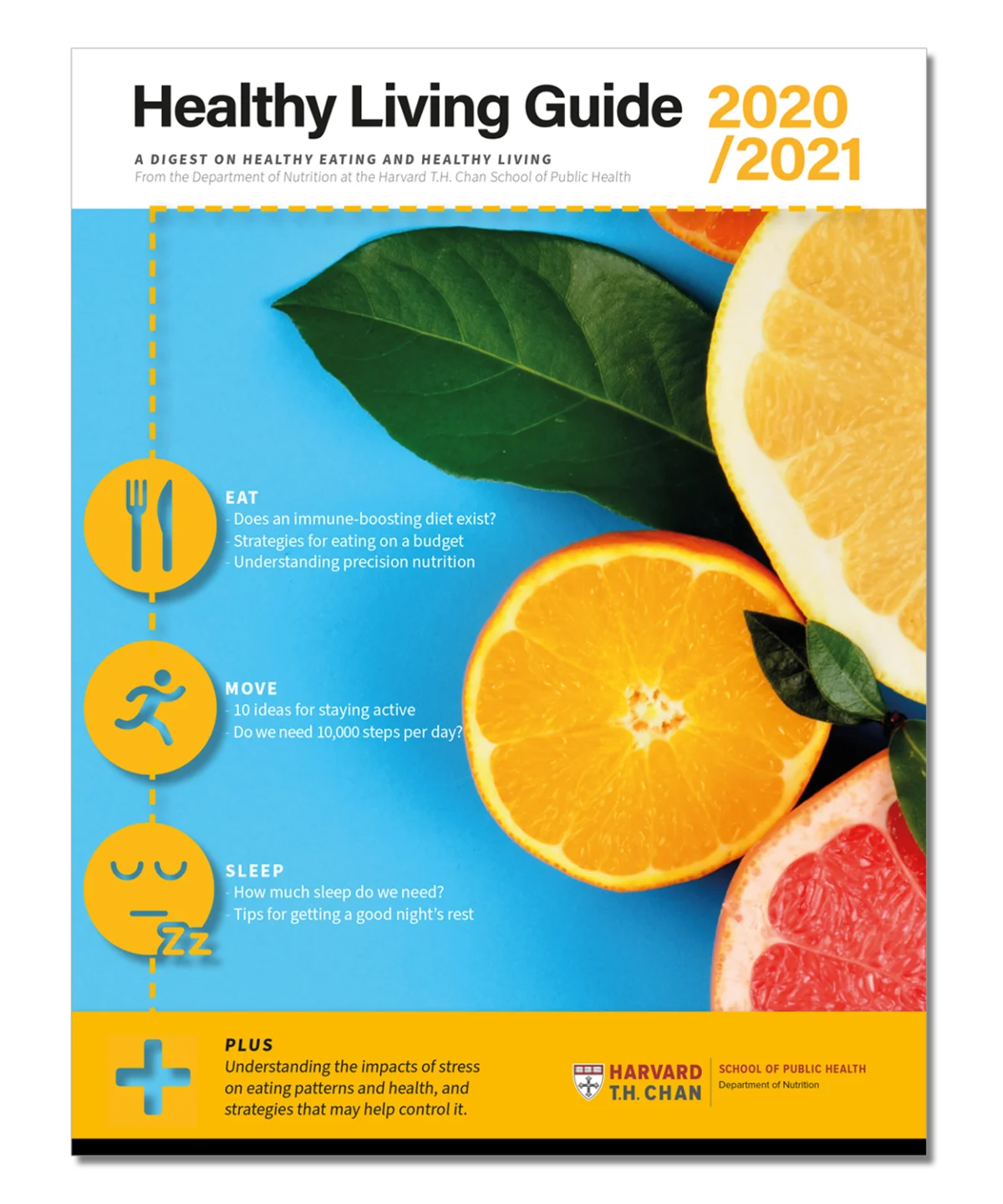
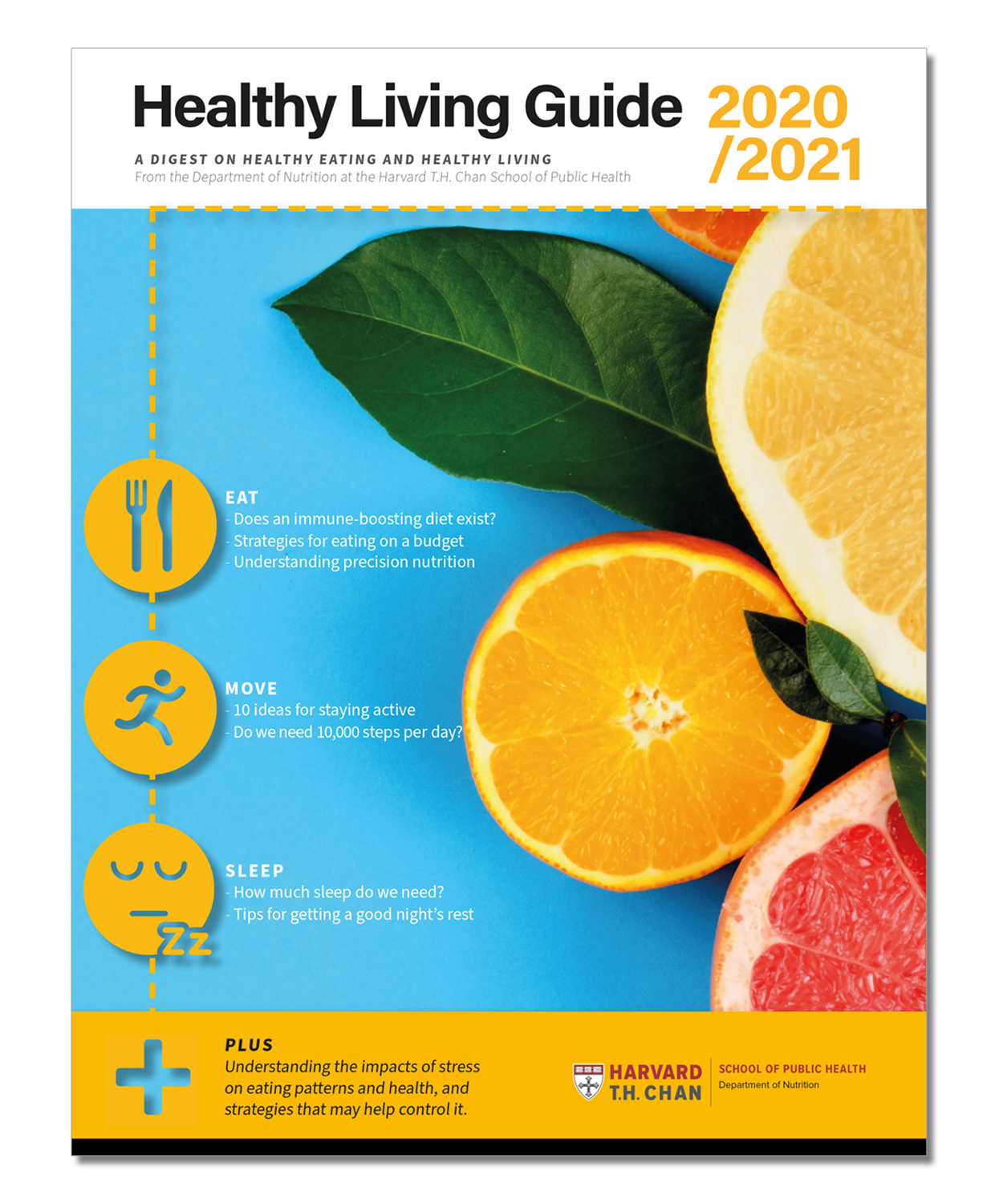
Entering 2021, the focus shifted from acute pandemic management to long-term sustainability. The Harvard T.H. Chan School of Public Health, among other leading academic institutions, recognized that the population was entering a period of "pandemic fatigue," necessitating resources that were not only scientifically rigorous but also accessible and actionable for individuals managing the constraints of remote work and restricted mobility. The release of comprehensive healthy living guides during this period served as a tactical response to the erosion of healthy routines, providing a roadmap for citizens to navigate the "new normal" without sacrificing long-term physical health.
The Five Pillars of Longevity: Scientific Foundations
Extensive longitudinal research has consistently identified five primary behavioral markers that dictate both life expectancy and the quality of those years. According to studies published in journals such as Circulation, individuals who adhere to a combination of five specific habits—a nutrient-dense diet, regular physical activity, maintenance of a healthy body mass index (BMI), moderate alcohol consumption, and total abstinence from smoking—exhibit a significantly lower risk of premature death compared to those who do not.
Data derived from the Nurses’ Health Study and the Health Professionals Follow-up Study underscore the magnitude of these findings. Researchers found that women who adhered to all five low-risk factors lived, on average, 14 years longer than those who adhered to none, while men saw an increase of approximately 12 years. Beyond the sheer extension of life, the impact on "healthspan"—the period of life spent free from chronic disease—is equally profound. Data suggests that these lifestyle modifications can reduce the incidence of type 2 diabetes by over 80%, cardiovascular disease by approximately 75%, and cancer by roughly 35%. These figures provide a compelling argument for the prioritization of lifestyle medicine, particularly during times of systemic crisis when the healthcare system is already strained by infectious disease outbreaks.
Socioeconomic Barriers to Health Equity
While the benefits of these habits are well-documented, the ability to practice them is not distributed equally. The pandemic exposed significant disparities in food access and economic security. In early 2021, the conversation surrounding healthy eating moved beyond simple nutritional advice to address the "social determinants of health." Income disruptions and food deserts—areas where affordable, fresh produce is difficult to obtain—became central issues for public health officials.
The implementation of healthy habits is often hindered by structural inequities. For example, individuals in low-income demographics often face a "time-poverty" trap, where the necessity of working multiple jobs leaves little room for the preparation of fresh meals or the consistent integration of exercise. Furthermore, the emotional distress associated with the pandemic—a phenomenon often described as the "shadow pandemic"—has been linked to increased rates of stress-eating and sleep disruption. Public health initiatives, including the dissemination of printable guides and digital bingo challenges, are designed to mitigate these barriers by providing low-cost, high-engagement tools that require minimal financial investment.
Institutional Responses and Public Health Strategy
In response to these challenges, experts have pivoted toward modular, bite-sized health interventions. The philosophy behind this approach is that, during periods of extreme uncertainty, large-scale lifestyle overhauls are often unsustainable. Instead, the focus has shifted to "behavioral stacking"—the process of integrating small, manageable changes into existing routines.
Official guidance from health experts now emphasizes the following:
- Nutritional Flexibility: Prioritizing nutrient-dense, shelf-stable foods like legumes, grains, and frozen produce to maintain dietary quality without the necessity of daily shopping.
- Accessible Physical Activity: Leveraging digital platforms for guided exercise, or prioritizing walking and body-weight movements that require no specialized equipment.
- Mental Well-being: Recognizing that hobbies, social connection (even via virtual means), and adequate sleep are as vital to immune function as diet and exercise.
By providing printable resources, institutions like Harvard aim to democratize access to health education, ensuring that even those without reliable internet access or the ability to attend health seminars can still benefit from evidence-based guidance.
Broader Implications for Post-Pandemic Health
The long-term implications of these lifestyle shifts are significant. As society moves further away from the acute phase of the pandemic, the emphasis is shifting toward resilience. The cumulative effect of the pandemic has forced a reassessment of how personal habits interact with global health risks. It is now widely accepted in the medical community that a "lifestyle-first" approach is the most cost-effective way to reduce the burden on public health systems.
The evidence remains clear: the five key habits are not merely preventative measures against specific diseases, but are foundational to human physiological resilience. The integration of these habits during middle age has been shown to yield the highest return on investment, significantly delaying the onset of age-related chronic conditions. As such, the promotion of healthy eating and active living is increasingly viewed as a matter of national security and economic stability.
Conclusion: Maintaining Momentum in Uncertain Times
The challenges of 2020 and 2021 served as a catalyst for a global conversation regarding personal agency in health. While the pandemic was an external force outside of individual control, the maintenance of health habits remains one of the few variables that individuals can manage. The shift toward digitized, printable, and highly accessible health resources marks a transition in how public health is communicated.
Moving forward, the goal is to sustain this focus. The "Healthy Living Guide" concept, which includes printable tip sheets and interactive challenges like "Healthy Living Bingo," serves as a model for how health literacy can be improved without overwhelming the individual. By breaking down the daunting prospect of "living healthy" into small, gamified, and actionable tasks, public health organizations are bridging the gap between clinical research and daily practice. Ultimately, the objective is to cultivate a population that is not only better prepared for future biological threats but is also fundamentally more resilient in their daily existence, ensuring that the years added to their lives are characterized by vitality rather than chronic management.
