
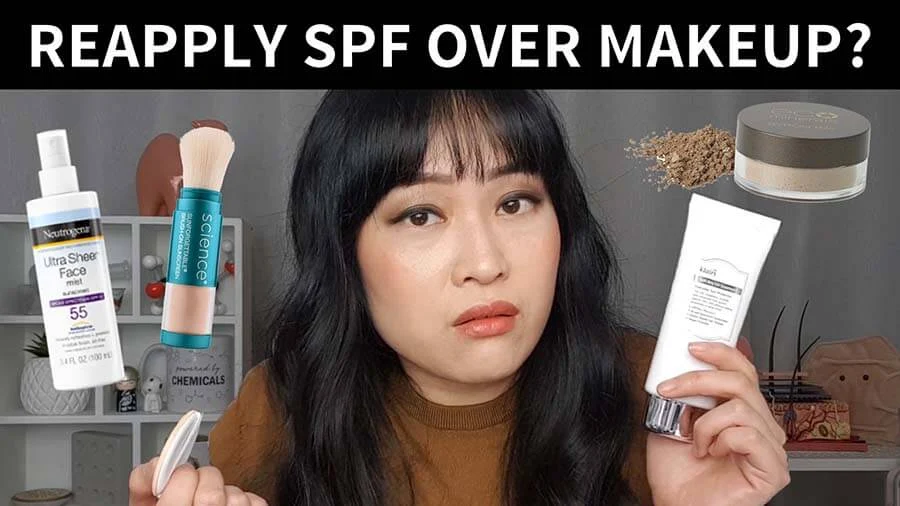
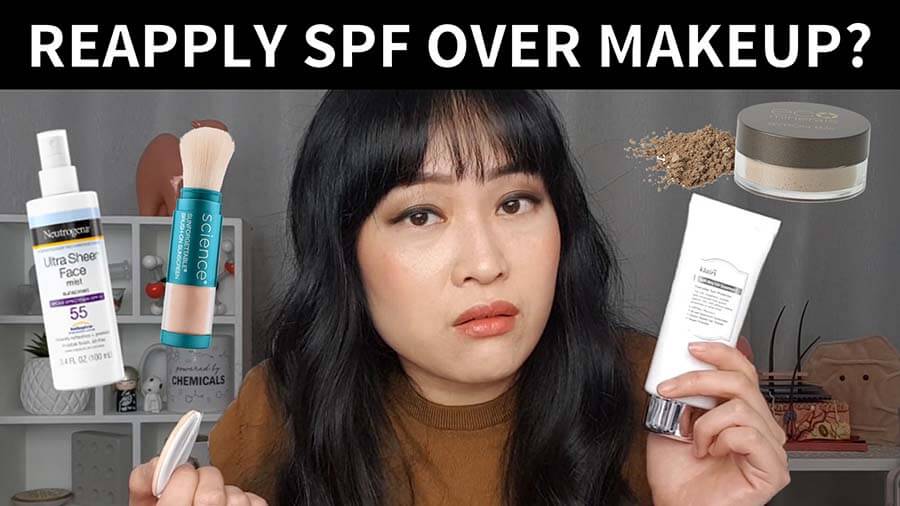
The ubiquitous recommendation to reapply sunscreen every two hours poses a significant challenge for individuals who wear makeup daily. While initial morning application of a broad-spectrum sunscreen is a cornerstone of photoprotection, maintaining its efficacy throughout the day without disrupting cosmetic artistry remains a persistent dilemma. This article delves into the scientific rationale behind sunscreen reapplication, evaluates the effectiveness of various methods, and provides a strategic framework for integrating continuous sun protection into daily beauty routines.
The Imperative of Consistent Photoprotection
The directive to reapply sunscreen regularly, typically every two hours, is rooted in the inherent instability and transient nature of the protective film it forms on the skin. Sunscreen, whether chemical or physical, diminishes in effectiveness over time due to a multifaceted array of factors that compromise its integrity and presence on the skin’s surface. Understanding these mechanisms is crucial for appreciating the necessity of reapplication.
Firstly, physical displacement is a primary cause of sunscreen loss. Everyday activities such as touching the face, wiping sweat, contact with clothing, or even friction from hair can mechanically remove the sunscreen layer. Each instance of contact reduces the amount of active filters present, directly correlating to a decrease in the overall Sun Protection Factor (SPF). This physical removal is a constant threat to continuous protection, regardless of the sunscreen’s inherent stability.
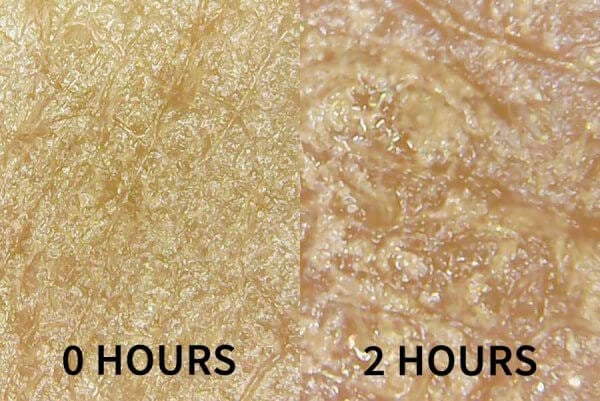
Secondly, the degradation of the sunscreen film itself plays a significant role. Upon application, a well-formulated sunscreen aims to create an even, continuous film that acts as a uniform barrier against ultraviolet (UV) radiation. However, this film is dynamic and susceptible to breakdown. The skin’s natural physiological processes, including the production of sebum (oil) and perspiration (water), interact with the sunscreen film, causing it to emulsify, thin, and fragment. This effect is exacerbated by heavy sweating or high humidity. Moreover, the constant movement of facial muscles during talking, eating, yawning, and expressing emotions can cause the film to crack, clump, and migrate into pores and creases, creating unprotected gaps. Visual evidence, often observed with foundation (which shares similar film-forming technologies), demonstrates this clumping and uneven distribution over just a few hours. A study utilizing microscope photography of foundation application showed a clear transition from a smooth, continuous layer immediately after application to a fragmented, clumped appearance after several hours, with product visibly migrating into skin creases and pores.
Thirdly, the thinning and absorption of the sunscreen layer contribute to reduced efficacy. Volatile components of the sunscreen formulation can evaporate over time, leading to a thinner film. Additionally, some sunscreen filters, particularly certain organic (chemical) filters, can be absorbed into the stratum corneum, the outermost layer of the skin. While this can offer some lasting protection, it reduces the amount of filter actively available on the surface to reflect or absorb incoming UV radiation.
Finally, while less prevalent with modern formulations, the photodegradation of UV filters was historically a significant concern. Older generations of organic filters were known to break down and become less effective after absorbing a certain amount of UV radiation. Contemporary sunscreens, however, are typically formulated with photostable filters or incorporate ingredients that enhance the photostability of less stable filters. This means that while direct chemical breakdown due to UV exposure is largely mitigated, the other factors — physical removal, film degradation, and thinning — remain critical reasons for regular reapplication.
Quantifying the Decline in Protection
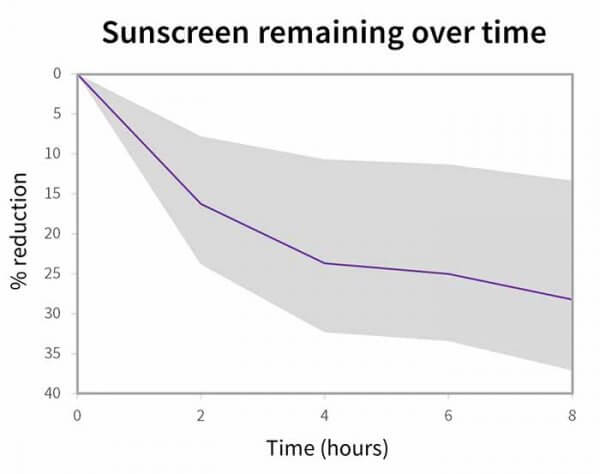
Despite the clear recommendation for reapplication, specific data quantifying the rate of SPF degradation on undisturbed skin is relatively scarce. A notable study, published in the Journal of Dermatological Treatment in 2019 by Rungananchai et al., provided valuable insights into sunscreen persistence. The research involved 20 participants who applied 2 mg/cm² of sunscreen containing a tracking dye. Researchers then photographed the distribution of the dye every two hours to assess the remaining coverage. Participants were allowed up to one hour of outdoor exposure but otherwise maintained a low-activity indoor environment, minimizing heavy sweating or excessive facial contact.
The findings revealed a measurable decline in coverage:
- After 2 hours, an average of 16% less dye was detected on the skin.
- After 4 hours, an additional 7% reduction occurred.
- By 8 hours, a further 4.5% decrease was observed, culminating in an approximate 30% reduction in dye coverage – indicative of a similar loss in sunscreen protection.
While this study offers a rare empirical look at sunscreen persistence, its limitations should be acknowledged. It used a specific sunscreen formulation with a dye, and different sunscreens may exhibit varying lasting powers due to differences in film-forming polymers, water resistance, and filter types. For instance, water-resistant formulations are designed to adhere better to the skin even under conditions of disturbance or moisture. Nevertheless, the study strongly suggests that even under relatively ideal conditions (minimal activity, no heavy sweating), a significant portion of the initial sun protection is lost over several hours.
Translating this 30% reduction into practical SPF terms demonstrates the impact:
- An initial SPF 50 could effectively become SPF 35.
- An SPF 30 could reduce to SPF 21.
- An SPF 15 could drop to SPF 10.
This linear relationship between applied amount and effective SPF underscores that starting with a higher SPF offers a greater residual level of protection later in the day, even after some degradation. However, whether this residual protection is "enough" is subjective and depends on individual risk factors, the intensity of UV exposure, and personal concerns regarding photoaging, hyperpigmentation, and skin cancer. Leading dermatological associations consistently advocate for diligent reapplication, especially during peak UV hours or extended outdoor activity, emphasizing that any compromise in protection increases the risk of UV-induced damage.
Strategic Reapplication: A Practical Framework
Given the scientific consensus on the necessity of reapplication, integrating this practice into a daily routine, particularly for makeup wearers, requires a pragmatic approach. A nuanced strategy, tailored to varying levels of sun exposure and cosmetic priorities, is often the most effective.
-
Minimal Sun Exposure: For individuals spending most of their day indoors with limited indirect sun exposure, such as office workers with short, shaded commutes, a single thorough application of high-SPF sunscreen in the morning might suffice. In these scenarios, the residual protection, even after a few hours, may offer adequate defense against incidental UV. This approach prioritizes makeup integrity while still providing a baseline of protection. However, vigilance is key; avoiding direct window sunlight and walking on the shady side of the street are sensible precautions. Personal indicators like the rapid fading of post-inflammatory hyperpigmentation or the non-appearance of new freckles can informally suggest sufficient protection for one’s skin type and exposure levels.
-
Significant, Unavoidable Sun Exposure: When extended outdoor time is anticipated – for example, a long walk on a sunny beach, outdoor sports, or prolonged al fresco dining – reapplication becomes non-negotiable. In such cases, sun protection must take precedence over elaborate makeup. The recommended strategy involves:
- Applying a water-resistant sunscreen as the initial layer, as these formulations are designed for enhanced durability against sweat and water.
- Keeping makeup minimal and easily reapplied, such as a tinted moisturizer, blush, and concealer in strategic areas. Heavy foundations or intricate eye makeup would be counterproductive.
- Reapplying water-resistant sunscreen every two hours (or after swimming/excessive sweating), directly over the minimal makeup. There is no need to completely cleanse the face beforehand unless there is significant dirt accumulation. A gentle wipe with a makeup remover cloth can be used if the skin feels overly congested or if breakouts are a concern with repeated layering.
- Supplementing with physical barriers like wide-brimmed hats, UV-protective clothing, and sunglasses, which provide an additional layer of defense.
-
Moderate, Intermittent Sun Exposure: This "in-between" scenario is arguably the most common and challenging for makeup wearers. It describes a day with standard makeup application but includes periods of significant UV exposure, such as a sunny lunch break walk or a commute with direct sun exposure through windows. Here, the goal is to reapply a substantial amount of sunscreen without completely ruining existing makeup. The fundamental principle is that sun protection scales linearly with the amount applied. Therefore, the objective is to apply as much sunscreen as possible, as evenly as possible, with minimal disruption to the makeup.
Evaluating Reapplication Methods and Products
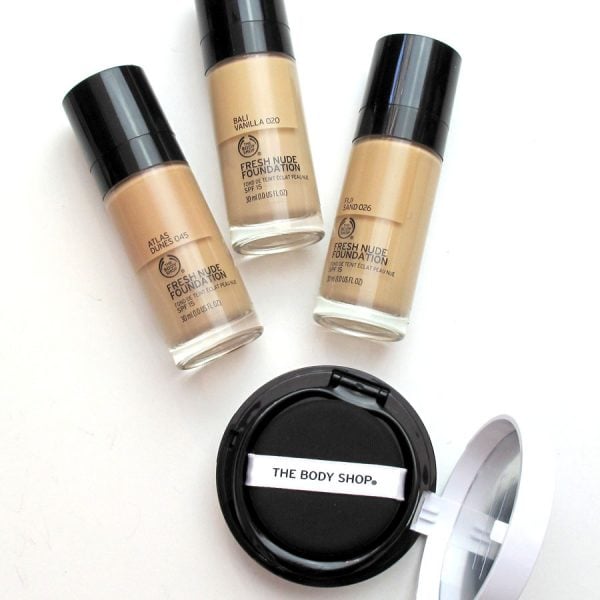
The market offers various sunscreen formats, but not all are equally effective for reapplication over makeup.
-
Foundation with SPF: While convenient, SPF-rated foundations rarely provide adequate protection on their own. Studies, such as a 2006 investigation by Loretz et al., indicate that the average amount of liquid foundation applied (around 0.54g for a 400 cm² face) yields significantly lower SPF values than stated on the label, often only reaching SPF 5-7 for a product labeled SPF 30. This is because the label SPF is tested at 2 mg/cm², an amount far greater than typically applied with foundation. Relying solely on SPF in foundation for reapplication is insufficient.
-
SPF Powders: Powders are even less reliable. Research from the Cosmetic, Toiletry, and Fragrance Association in the 1980s found that average face powder application (85mg for a 400 cm² face) results in negligible SPF, often below SPF 2. The discontinuous nature of powder application makes it difficult to form an even, protective film. While some advanced powder sunscreens, like those from Colorescience, boast water resistance and higher SPF ratings (e.g., SPF 50), achieving this level of protection requires an unrealistic application amount (2 mg/cm²) and method (e.g., swirling for 60 seconds, priming the brush multiple times). Even if achieved, the cost per application for such small product sizes makes them impractical for consistent, full-face reapplication. Generally, water-resistant powder sunscreens might offer better performance due to their rigorous testing, but their effectiveness for daily reapplication over makeup remains questionable for most users.
-
Sunscreen Sprays (Aerosol and Non-Aerosol Mists): Sunscreen sprays present a complex picture. An update in June 2026, based on new experiments by Lab Muffin Beauty Science and reports from Australian researchers, indicates that achieving even and sufficient coverage with sprays, especially aerosol types, is challenging.
- Coverage Inconsistency: Direct spray application to the face often results in uneven distribution, with much of the product missing the target or being dispersed by air. Experiments showed that only 1/5 to 1/9 of the sprayed product might land on the face with normal application distances.
- Propellant Issue: Aerosol sunscreens (in pressurized metal cans) contain significant amounts of propellant (often 40-60% of the can’s contents). Since SPF tests are conducted on the sunscreen formulation before the propellant is added, users need to apply substantially more aerosol product to achieve the labeled SPF.
- Wind and Makeup Disruption: Wind can further reduce the amount of product reaching the skin. Spraying very close to the face (a few inches) could potentially increase deposition but would likely disrupt makeup.
- Recommendation: While direct facial spraying is generally not recommended for reapplication, spraying the product into the hand and then patting it onto the face with fingers or a sponge can be a more reliable method, akin to applying a regular lotion.
-
Sunscreen Lotions with a Cushion Puff: This method is increasingly favored by cosmetic chemists and skincare enthusiasts as the most effective compromise for reapplication over makeup. The technique involves applying a regular sunscreen lotion using a cushion puff applicator.
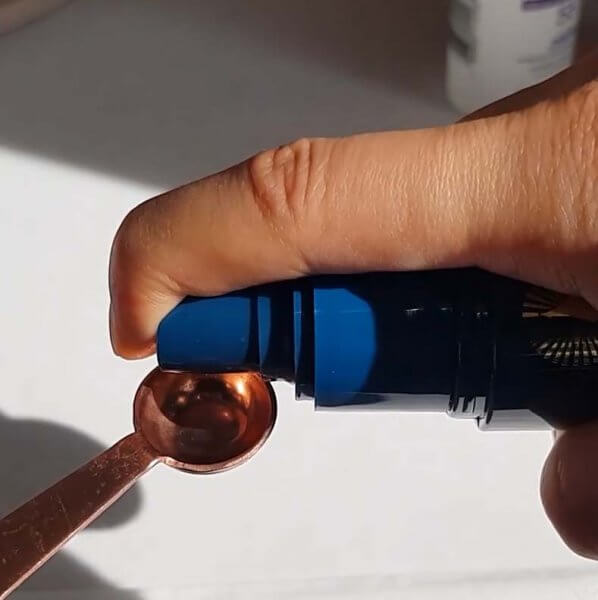
- Mechanism: Cushion puffs, often found in Korean cushion compacts, are thinner than traditional beauty sponges and absorb less product, ensuring more sunscreen transfers to the skin. They are also portable and can be folded to reach intricate areas around the nose and eyes.
- Application: A small amount of lightweight, silicone-based sunscreen is dispensed onto the puff, then gently patted onto the face. The patting motion helps to distribute the sunscreen evenly without excessively disturbing the underlying makeup.
- Minimizing Makeup Transfer: To prevent transferring colored makeup to uncolored areas, it’s advisable to start with areas of the face without makeup (e.g., forehead, jawline if not fully covered), then move to colored sections. Reapplication over eyeshadow is difficult to achieve without disruption; in such cases, one might consider minimal eye makeup or reapplying it afterwards.
- Compatibility: While generally safe, it’s prudent to ensure compatibility between the morning sunscreen/makeup and the reapplication sunscreen. Using the same sunscreen for both initial application and reapplication minimizes the risk of ingredient interactions.
Expert Recommendations and Broader Implications
Leading dermatologists and cosmetic chemists consistently underscore that the best sunscreen is the one that is consistently used and reapplied. While the ideal scenario involves a fresh application of 2 mg/cm² of sunscreen every two hours, the practicalities of daily life, especially for makeup wearers, necessitate adaptable strategies. The emphasis has shifted from a rigid, one-size-fits-all rule to a more personalized approach that balances optimal protection with realistic application methods.
The long-term implications of insufficient sunscreen reapplication are substantial. Chronic, unprotected UV exposure accelerates photoaging, leading to wrinkles, fine lines, sunspots, and loss of skin elasticity. More critically, it significantly increases the risk of skin cancers, including basal cell carcinoma, squamous cell carcinoma, and melanoma. Public health campaigns worldwide continue to highlight these risks, advocating for a multi-pronged approach to sun protection that includes seeking shade, wearing protective clothing, and diligent sunscreen use.
As cosmetic science evolves, there is an ongoing demand for innovative sunscreen formats that seamlessly integrate into makeup routines without compromise. This includes research into more tenacious film-forming technologies, truly transparent and blendable mineral filters, and application methods that ensure even coverage. Until such innovations become widespread, the strategic use of existing products and methods, particularly the cushion puff technique, offers the most viable solution for maintaining effective sun protection throughout the day.
Ultimately, individual assessment of daily UV exposure and personal risk factors should guide reapplication frequency and method. Whether opting for minimal reapplication on low-exposure days, prioritizing sun protection with minimal makeup on high-exposure days, or carefully layering lotion with a cushion puff for moderate exposure, diligence remains paramount. Sharing practical hacks and experiences within the beauty community further enriches the collective knowledge, helping more individuals navigate the complexities of combining beauty and robust sun protection.
