
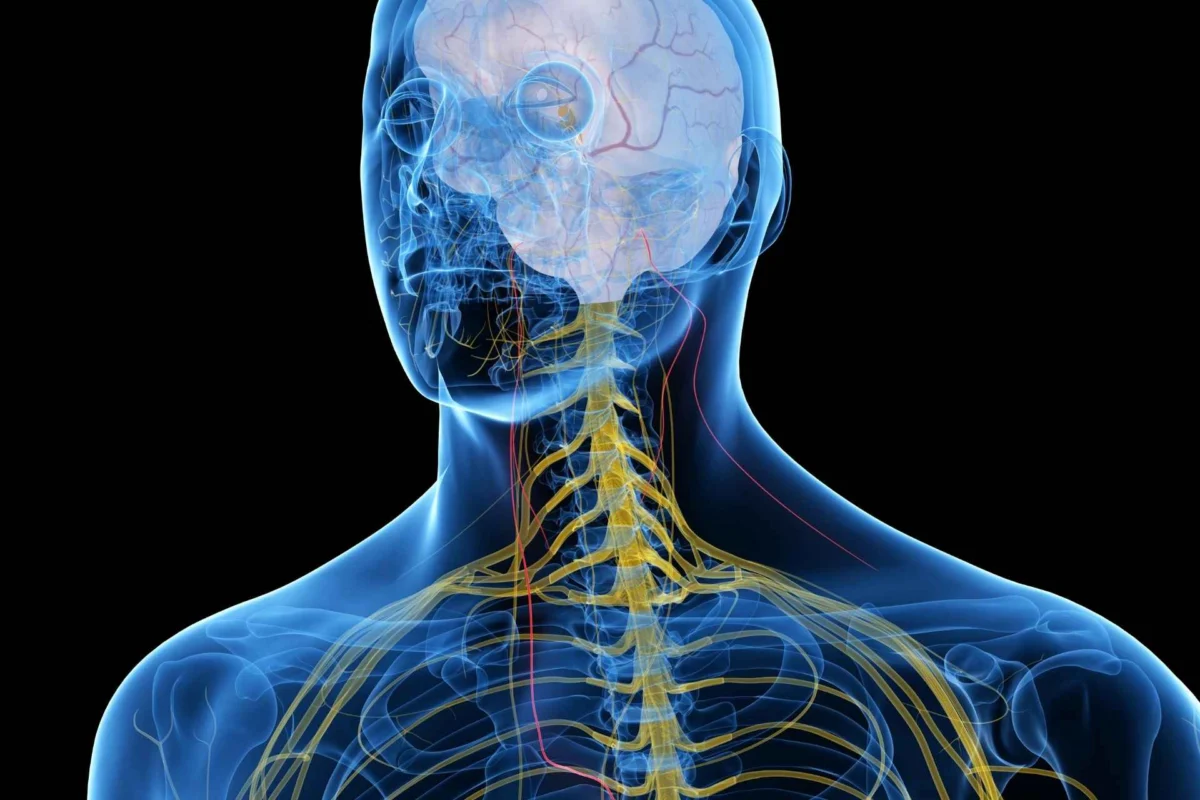
A groundbreaking study led by researchers at Emory University has unveiled a direct biological pathway through which gut bacteria can migrate to the brain, a process significantly influenced by dietary habits and the integrity of the intestinal barrier. Published in the journal PLOS Biology, the research provides new evidence for the "gut-brain axis," suggesting that under specific conditions—such as the consumption of a high-fat diet—small populations of microbes can bypass traditional biological filters and establish a presence within the central nervous system. This translocation appears to occur primarily via the vagus nerve, a major neural highway connecting the digestive tract to the brain, rather than through the bloodstream as previously theorized.
The findings represent a significant shift in the understanding of neurological health, pointing toward a future where dietary interventions and the maintenance of a healthy microbiome could serve as primary strategies for preventing or managing neurodegenerative and neurodevelopmental conditions. Led by Manoj Thapa and a team of scientists in Atlanta, Georgia, the study utilizes advanced mouse models to demonstrate that the presence of bacteria in the brain is not a static condition but a dynamic process sensitive to environmental factors and medical interventions.
The Mechanics of the Gut-Brain Axis and Microbial Translocation
For decades, the scientific community has recognized the gut-brain axis as a bidirectional communication system involving the immune system, endocrine signaling, and the nervous system. However, the physical presence of live gut bacteria in the brain was long considered a sign of severe infection or trauma. The Emory University study challenges this by showing that "micro-translocations" can occur under less extreme, diet-induced circumstances.
The research team focused on the role of the intestinal lining, often referred to as the gut barrier. In a healthy state, this barrier is highly selective, allowing nutrients to pass into the bloodstream while keeping harmful pathogens and large molecules within the digestive tract. When this barrier is compromised—a condition colloquially known as "leaky gut"—the permeability of the intestinal wall increases. The study found that a high-fat diet is a primary driver of this permeability, altering the composition of the gut microbiota and weakening the tight junctions that hold the intestinal cells together.
Methodology: Tracking the Path of Bacteria
To investigate this phenomenon, the researchers employed mouse models of liver disease, a condition often associated with systemic inflammation and gut dysbiosis. By feeding the mice a high-fat diet, the team observed a rapid shift in the microbial landscape of the gut. Specifically, they noted an overgrowth of certain species, including Staphylococcus and Enterococcus.
The most startling discovery occurred during the analysis of brain tissue. Despite the absence of these bacteria in the blood or other major organs, small but detectable numbers of Staphylococcus and Enterococcus were found within the brains of the mice on the high-fat diet. This led the researchers to conclude that the bacteria were not spreading through the circulatory system, which would have resulted in systemic sepsis or widespread organ involvement. Instead, the bacteria appeared to be utilizing a more direct, localized route.
To test the hypothesis that the vagus nerve served as this route, the researchers performed a partial vagotomy—a surgical procedure to cut the vagus nerve. In mice with a severed vagus nerve, the number of bacteria reaching the brain was significantly reduced, even when the mice remained on a high-fat diet. This provided strong evidence that the vagus nerve acts as a physical conduit for microbial migration, allowing bacteria to "hitchhike" from the enteric nervous system in the gut to the central nervous system in the brain.
Supporting Data: The Impact of Antibiotics and Diet
The study further explored how manipulating the gut microbiome could influence the types of bacteria that reach the brain. When mice on a high-fat diet were treated with antibiotics, the microbial diversity in their guts shifted predictably. Interestingly, the bacteria subsequently found in their brains mirrored the new, antibiotic-altered gut profile. This confirms that the brain’s microbial "signature" is a direct reflection of the gut’s current state.
Quantitative data from the study highlighted several key trends:
- Intestinal Permeability: Mice on a high-fat diet showed a marked increase in markers of gut leakage compared to those on a standard diet.
- Bacterial Counts: While the number of bacteria in the brain remained relatively small, their presence was consistent across the high-fat diet group and absent in the control group.
- Microbial Diversity: The transition from a healthy diet to a high-fat diet resulted in a loss of beneficial bacteria and a surge in opportunistic pathogens, which were the primary species found to translocate.
The Reversibility of Brain Bacterial Presence
One of the most promising aspects of the Emory University research is the discovery that the movement of bacteria to the brain is reversible. In an experimental phase where mice were transitioned from a high-fat diet back to a nutritionally balanced "normal" diet, the researchers observed a stabilization of the gut barrier.
As the intestinal lining healed and the gut microbiota returned to a healthy equilibrium, the bacteria previously detected in the brain began to disappear. This suggests that the brain has mechanisms to clear these microbial intruders once the "source" of the translocation is addressed. From a clinical perspective, this implies that dietary modification could potentially "flush" the brain of gut-derived bacteria, offering a non-invasive way to mitigate neuroinflammation caused by microbial presence.
Connections to Alzheimer’s, Parkinson’s, and Autism
The implications of this study extend far beyond general wellness, touching upon some of the most complex challenges in modern neurology. The researchers examined mouse models of Alzheimer’s disease, Parkinson’s disease, and autism spectrum disorder (ASD). They found that these models naturally exhibited higher levels of gut permeability and altered microbiotas, similar to the mice on high-fat diets.
In each of these disease models, small amounts of gut-derived bacteria were detected in the brain. While the study does not claim that these bacteria cause these conditions, it suggests they may be a contributing factor to the chronic neuroinflammation that characterizes them. For instance, in Alzheimer’s disease, the presence of bacteria or their metabolic byproducts in the brain could potentially accelerate the formation of amyloid plaques or trigger an overactive immune response from microglia, the brain’s resident immune cells.
Expert Analysis and Inferred Scientific Reactions
While the scientific community generally views mouse model studies as preliminary, the rigor of Thapa’s methodology has sparked significant interest. Inferred reactions from the broader fields of gastroenterology and neurology suggest a growing consensus that the "blood-brain barrier" is not the only gatekeeper of cerebral health.
"These data reveal a bacterial translocation axis from the gut to the brain, impacted by environmental and genetic factors," the study authors noted. This statement underscores a shift toward a more holistic view of the body, where the digestive system is seen as a primary regulator of neurological integrity. Analysts suggest that if these findings are replicated in human trials, it could lead to a revolution in "psychobiotics"—probiotics specifically designed to support mental and neurological health—and more stringent dietary guidelines for patients at risk of neurodegenerative diseases.
Broader Public Health and Dietary Implications
The study adds to a growing body of evidence linking the "Western diet"—characterized by high intake of saturated fats, processed sugars, and low fiber—to systemic health issues. By demonstrating a direct link between high fat intake and the physical presence of bacteria in the brain, the research provides a biological mechanism for why poor diet is often associated with cognitive decline and mood disorders.
The role of the vagus nerve as a conduit also opens new doors for medical technology. Vagus nerve stimulation (VNS) is already used for treating epilepsy and depression; future iterations of such therapies might focus on modulating the nerve’s role in microbial translocation or enhancing its "gatekeeping" functions.
Future Research Directions
The Emory University team emphasizes that while the results in mice are compelling, further investigation is required to determine if the same phenomenon occurs in humans. Human anatomy and the human microbiome are significantly more complex than those of laboratory mice, and the "leaky gut" phenomenon in humans is influenced by a wider array of factors, including stress, medication, and environmental toxins.
Future studies will likely focus on:
- Identifying specific bacterial metabolites: Determining whether it is the bacteria themselves or the toxins they produce (such as lipopolysaccharides) that cause the most damage in the brain.
- Human Clinical Trials: Using advanced imaging and biomarkers to track gut-derived signals in the human brain.
- Long-term Impact: Understanding the long-term consequences of low-level bacterial presence in the brain over decades, rather than the weeks or months typical of mouse studies.
As researchers continue to decode the complexities of the gut-brain axis, this study serves as a critical reminder of the profound connection between what we eat and how our brains function. The possibility that our dietary choices could literally open the door for bacteria to enter our central nervous system provides a powerful incentive for prioritizing gut health as a cornerstone of overall medical care.
