
The pervasive concept of "hair porosity" has long been a cornerstone of popular haircare advice, guiding countless individuals toward specific products and routines. However, new insights from beauty science are challenging the fundamental premises of widely circulated DIY porosity tests, revealing that these methods often misinterpret hair’s interaction with water. Research indicates that common tests, such as the "float test" and "drop test," primarily diagnose surface damage rather than a hair strand’s intrinsic ability to absorb moisture. This re-evaluation calls for a more nuanced, scientifically informed approach to understanding hair health and developing effective haircare strategies.
The concept of hair porosity has gained significant traction, particularly within communities focused on natural and curly hair. It posits that hair can be categorized into low, medium, or high porosity based on how readily its cuticle layer allows water and products to penetrate. Low porosity hair, with tightly bound cuticles, is thought to resist moisture, leading to product build-up. High porosity hair, with lifted or damaged cuticles, is believed to absorb moisture quickly but also lose it just as fast. Medium porosity is considered the ideal, balanced state. This framework, while seemingly logical, has led to a proliferation of at-home diagnostic tests and a market flooded with porosity-specific products. The allure of these tests lies in their simplicity, offering a quick and accessible way for consumers to "understand" their hair type and tailor their regimens.
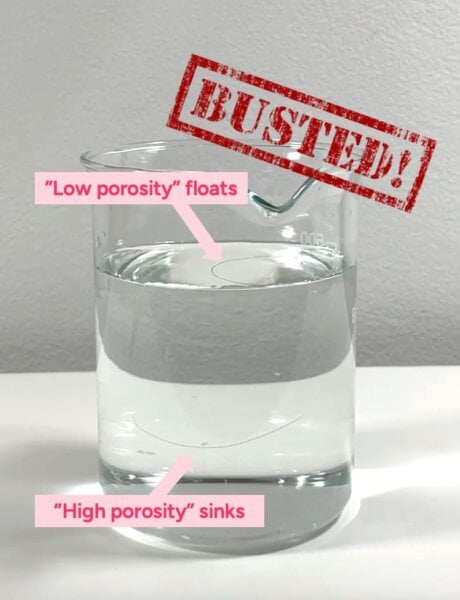
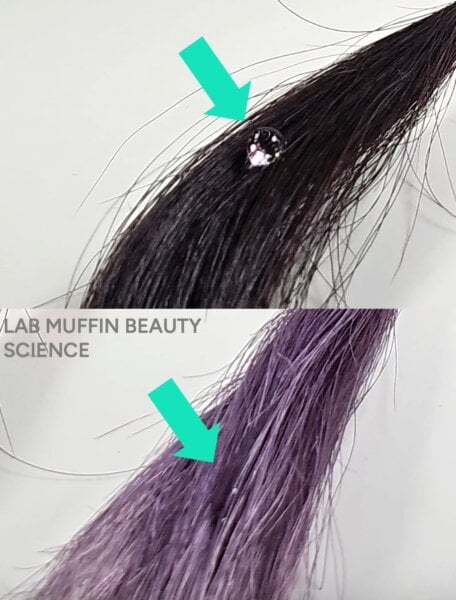
Two tests stand out in their popularity: the "Float Test" and the "Drop Test." The float test instructs individuals to place a clean strand of hair into a glass of water. If the hair floats, it’s deemed low porosity; if it sinks, it’s high porosity; if it floats initially then slowly sinks, it’s medium porosity. The explanation given is that highly porous hair, being full of "holes," absorbs water and becomes dense enough to sink. The drop test involves placing a single drop of water onto a lock of hair. If the water beads up and sits on the surface, the hair is low porosity; if it flattens out and is quickly absorbed, it’s high porosity. This is attributed to the "open cuticles" of high porosity hair allowing rapid absorption.
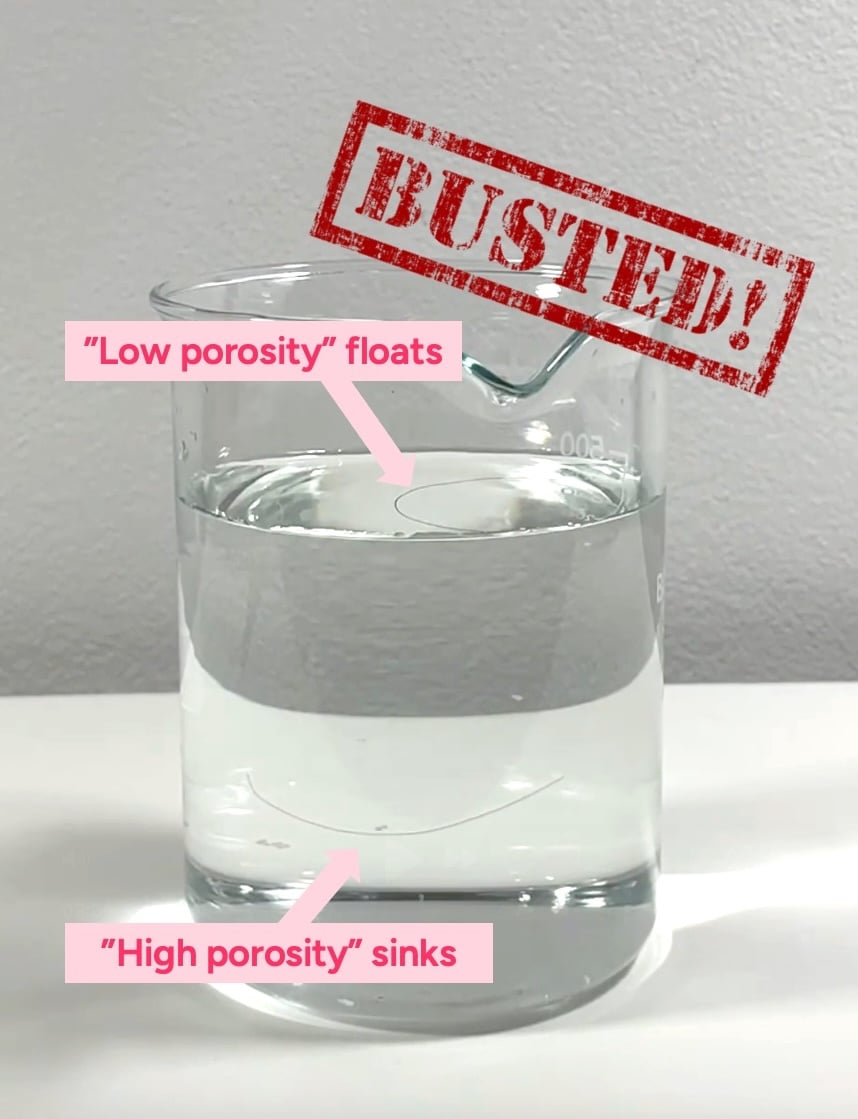
However, scientific literature and detailed analyses from cosmetic chemists, such as those published by Lab Muffin Beauty Science, underscore a critical flaw in these interpretations. The premise that hair is ideally waterproof or that undamaged cuticles completely seal out water is fundamentally incorrect. Human hair, regardless of its condition, is inherently hygroscopic, meaning it readily absorbs moisture from the environment.
Hair’s Natural Affinity for Water: A Scientific Perspective
Contrary to the "waterproof" myth, even healthy, undamaged hair possesses a remarkable capacity to absorb water. Studies demonstrate that undamaged hair can absorb up to 30% of its own weight in water within minutes. This absorption is not a slow process indicative of damaged cuticles but a rapid physical interaction. The water content within hair also fluctuates significantly with changes in ambient humidity. For instance, dry hair in an environment with 0% relative humidity contains virtually no absorbed water, but this figure rises sharply to 10.2% at 40% humidity, 22.6% at 86% humidity, and reaches a substantial 31.2% at 100% relative humidity. This data, drawn from authoritative texts like "Chemical and Physical Behavior of Human Hair" by Clarence R. Robbins, highlights hair’s dynamic relationship with atmospheric moisture.
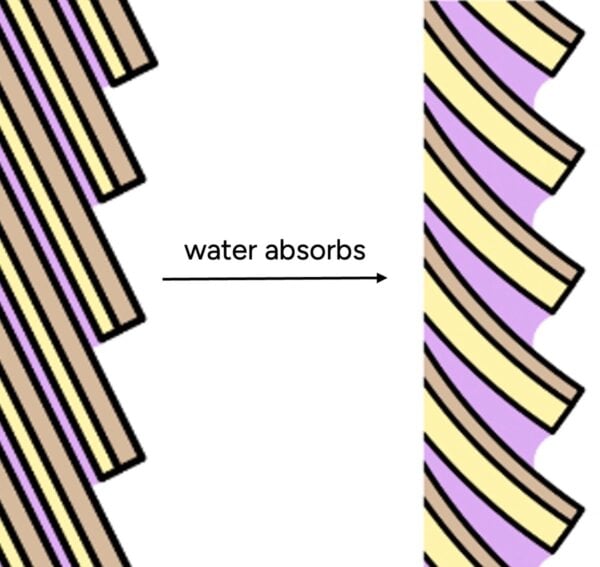
This absorption capacity is attributed to hair’s intricate structure. The outermost layer, the cuticle, is composed of overlapping scales, much like shingles on a roof or scales on a pinecone. While these scales provide protection, they are not hermetically sealed. The natural F-layer, a protective lipid layer on the surface of each cuticle scale, contributes to the hair’s hydrophobicity (water-repelling nature). However, this layer is not continuous across the entire hair strand; there are numerous microscopic gaps and edges where water can penetrate.
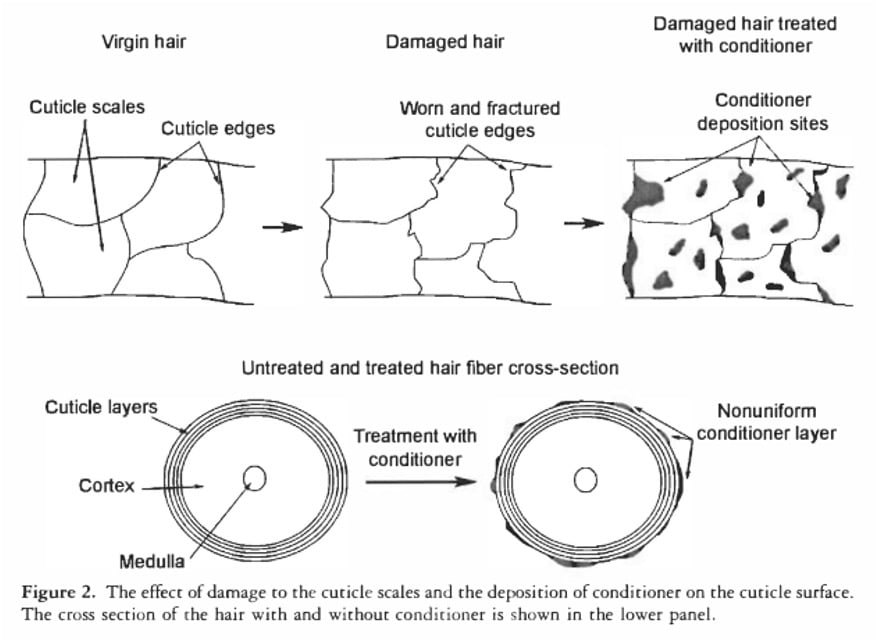
Furthermore, conditioners, often believed to "seal" the cuticle, do not create an impermeable barrier. Electron microscopy reveals that conditioning agents deposit on the hair surface in discrete "blobs" or patches, rather than forming a uniform, continuous film. While these deposits are effective at smoothing the hair’s surface, reducing friction, and imparting a soft feel, they are not designed to, nor do they effectively, block individual water molecules, which are vastly smaller than the conditioner aggregates. The primary function of conditioners is to mitigate damage, improve manageability, and enhance aesthetic properties, not to render hair waterproof.
The True Explanations: Surface Tension and Hair Surface Chemistry
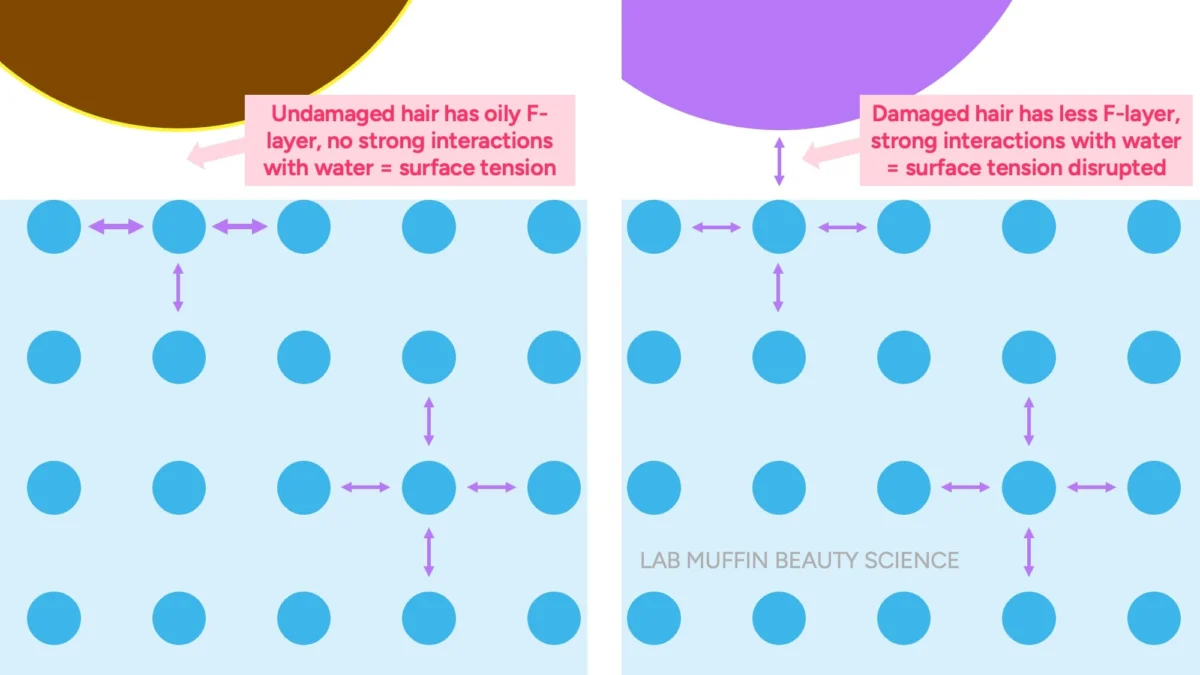
The observations made during the float and drop tests are not due to water soaking into the hair’s internal structure in liquid form at varying rates, but rather to the principles of surface tension and the hydrophobicity/hydrophilicity of the hair’s outermost layer.
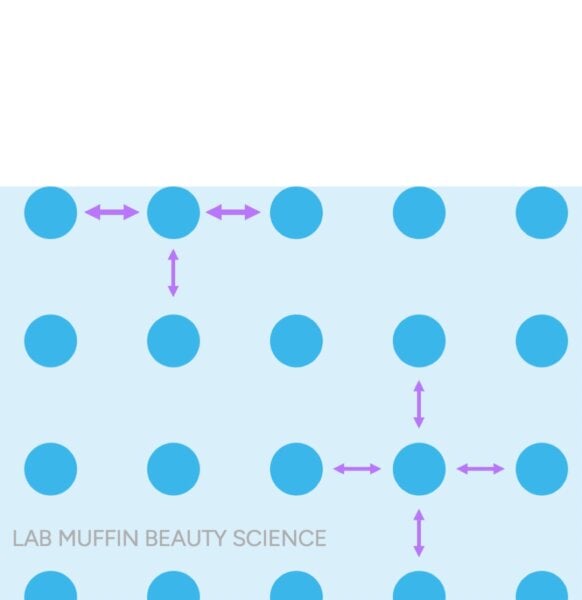
Surface tension is a property of liquid surfaces that causes them to behave like an elastic "skin." In water, molecules at the surface are more strongly attracted to each other than to the air molecules above them, creating an inward pull that minimizes the surface area. This phenomenon is powerful enough to support objects denser than water, such as insects, paperclips, and even hair strands, as long as the surface tension is not disrupted.
Explaining the Float Test:
When a hair strand is placed in water, its ability to float is largely determined by the interaction between its surface and the water’s surface tension. Undamaged hair, with its intact F-layer, is naturally hydrophobic (water-repelling). This oily layer prevents water molecules from "holding hands" with the hair surface, allowing the water’s surface tension to support the hair strand. Damaged hair, however, often has a compromised or removed F-layer due to chemical treatments, heat styling, or mechanical stress. This exposes a more hydrophilic (water-attracting) protein surface. When damaged hair comes into contact with water, the exposed hydrophilic areas readily form hydrogen bonds with water molecules, effectively disrupting the surface tension that would otherwise keep the hair afloat. Consequently, the hair sinks, not because it has absorbed a significant amount of liquid water and become denser, but because the physical barrier of surface tension has been broken.
Explaining the Drop Test:
Similarly, the drop test is also a demonstration of surface interaction. On undamaged, hydrophobic hair, a drop of water will maintain its spherical bead shape because the hair surface repels the water, minimizing contact and maximizing the water’s internal cohesive forces (surface tension). On damaged, hydrophilic hair, the water drop spreads out and flattens because the hair surface attracts the water molecules, overcoming the water’s internal surface tension and allowing it to wet the surface more extensively. This "spreading" is often misinterpreted as rapid absorption into the hair’s interior, but it is primarily a phenomenon occurring on the surface of the hair and between individual hair strands, rather than deep penetration into the cortex. Even significantly damaged hair absorbs only marginally more water (around 45% of its weight) compared to undamaged hair (30%), indicating that the dramatic difference observed in the drop test is not solely, or even primarily, about volumetric absorption.
The Role of Water Vapor vs. Liquid Water:
The significant water absorption by hair, particularly the 30% to 45% of its weight, primarily occurs through the absorption of water vapor from the atmosphere, not liquid water directly "soaking in" through large holes. Water molecules in a gaseous state are much smaller and are not bound by the strong surface tension forces present in liquid water. This allows them to easily "wiggle" their way between the cuticle scales and into the hair’s cortex, regardless of whether the cuticle is tightly bound or lifted. This process is continuous and reversible, explaining why hair feels different and behaves differently in humid versus dry conditions.
Why "Porosity" Advice Sometimes Appears to Work: A Coincidence of Symptoms and Solutions
Despite the scientific inaccuracies of the DIY porosity tests, many individuals report that following "porosity-specific" advice has improved their hair. This perceived success is often a coincidence rooted in the fact that these tests, while misdiagnosing porosity, do inadvertently identify hair surface damage.
- "High Porosity" Diagnosis (Sinking Hair, Spreading Water): This outcome points to damaged hair with a compromised F-layer and possibly lifted cuticles. Hair with significant surface damage often benefits from products rich in conditioning agents, proteins, and humectants that help smooth the cuticle, provide temporary repair, and attract moisture. These are precisely the types of products often recommended for "high porosity" hair. The advice works because it addresses the underlying damage, not because the hair is "porous" in the way the test implies.
- "Low Porosity" Diagnosis (Floating Hair, Beading Water): This outcome suggests healthier hair with an intact F-layer and smoother cuticles. Such hair can be prone to product build-up if heavy, occlusive products are used excessively. Advice for "low porosity" hair often includes using lighter formulations, clarifying shampoos, and applying heat during conditioning (to ostensibly "open" the cuticle). While the "opening the cuticle" part is scientifically dubious, using lighter products and clarifying shampoos is beneficial for hair that easily accumulates product, which is often the case for less damaged hair that doesn’t "grab" products as readily.
The problem arises when these misdiagnoses lead to illogical conclusions or ineffective professional practices. For instance, if a hairdresser relies solely on these tests to determine the processing time for chemical treatments (like coloring or perming), they might severely misjudge. Chemical treatments require precise timing based on how quickly the product penetrates the hair shaft, which is influenced by factors like hair diameter, internal structure, and actual porosity (the internal void volume), not just surface damage or hydrophobicity. A strand test with the actual chemical product remains the gold standard for professionals. Similarly, a consumer might mistakenly avoid beneficial ingredients or techniques based on a flawed "porosity" assessment, hindering their hair health journey. For example, someone using a lot of oils on their hair might get a "low porosity" result due to the oily surface, even if their hair has underlying damage that would benefit from different treatments.
Implications for Consumers and Haircare Professionals
The debunking of these popular porosity tests carries significant implications for both consumers and the professional haircare industry.
For consumers, it means a shift away from over-reliance on simplistic DIY diagnostics. Instead of asking "What is my hair porosity?", the more effective question becomes "What is the current condition of my hair’s surface, and what are its needs regarding moisture balance, strength, and smoothness?" Consumers should focus on observing how their hair feels (rough, smooth, dry, oily), how it responds to different products (heavy, light, greasy, clean), and how it behaves in various environmental conditions (frizzy in humidity, dry in arid air). This experiential understanding, combined with basic knowledge of ingredients, will lead to more effective product selection than a flawed porosity test.
For haircare professionals, this clarification reinforces the need for robust scientific understanding and comprehensive hair analysis. Relying on surface-tension-based tests for critical decisions like chemical treatment timing is irresponsible and potentially damaging. Professionals should instead employ visual inspection, tactile assessment, and, where appropriate, more sophisticated diagnostic tools or, crucially, actual strand tests with chemical products to accurately gauge hair’s response. Understanding that "porosity" is a complex, multi-faceted term encompassing both surface characteristics and internal structure, rather than a simple low/medium/high categorization, is paramount.
Moving Forward: A Science-Backed Approach to Haircare
The evolution of beauty science continues to refine our understanding of hair. While the term "porosity" might continue to be used in common parlance, it is essential to distinguish between the superficial, often misleading, interpretations of DIY tests and the scientific understanding of hair’s complex interactions with its environment. The focus should shift towards holistic hair health, acknowledging that hair is a dynamic, living material that responds to internal and external factors.
Future haircare advice will ideally emphasize:
- Understanding hair damage: Identifying whether hair is damaged, and the type of damage (e.g., heat, chemical, mechanical), is more critical than a porosity label.
- Moisture balance: Recognizing that all hair needs moisture, and the method of delivery (e.g., humectants, occlusives) should align with environmental conditions and personal preference.
- Ingredient efficacy: Learning about the function of common haircare ingredients (proteins, silicones, oils, humectants) and how they address specific hair concerns.
- Personal observation: Developing an intuitive understanding of one’s own hair and how it reacts to different products and styling practices.
By embracing a more rigorous, science-backed perspective, both consumers and professionals can move beyond misleading myths and cultivate genuinely effective haircare routines that lead to healthier, more beautiful hair. The narrative of hair porosity tests serving as an accurate diagnostic tool is gradually being replaced by a clearer, more scientific explanation centered on surface tension and the inherent properties of hair’s outer layer.
References:
- Wong M. Hair porosity tests are a lie. Lab Muffin Beauty Science. January 28, 2026. Accessed May 14, 2026. https://labmuffin.com/hair-porosity-tests-are-a-lie/
- Robbins CR. Chemical and Physical Behavior of Human Hair. 5th ed. Springer Berlin Heidelberg 2012.
- La Torre C, Bhushan B. Nanotribological effects of silicone type, silicone deposition level, and surfactant type on human hair using atomic force microscopy. J Cosmet Sci. 2006;57(1):37-56.
