
Polycystic Ovary Syndrome (PCOS) remains one of the most prevalent endocrine disorders among women of reproductive age, affecting approximately 8% to 13% of the global female population. As a complex condition characterized by hormonal imbalances, ovulatory dysfunction, and metabolic complications, its management has increasingly shifted toward nutritional interventions. Among these, the ketogenic diet—a high-fat, moderate-protein, and very-low-carbohydrate regimen—has emerged as a significant therapeutic candidate. By fundamentally altering the body’s metabolic state from glycolysis to ketosis, the diet aims to address the root cause of PCOS symptoms: hyperinsulinemia. Recent clinical observations and patient reports suggest that while the regimen is highly restrictive, its ability to stabilize insulin levels can lead to profound improvements in weight management, androgen levels, and overall hormonal profiles.
The Metabolic Foundation of PCOS and Insulin Resistance
To understand the efficacy of the ketogenic diet, it is necessary to examine the physiological link between insulin and reproductive health. For a significant majority of women with PCOS, insulin resistance is the primary driver of the condition. When the body becomes less responsive to insulin, the pancreas compensates by producing higher quantities of the hormone. This excess insulin acts directly on the ovaries, stimulating the production of androgens, specifically testosterone. Elevated testosterone levels, in turn, lead to the clinical manifestations of PCOS, including hirsutism, acne, and irregular menstrual cycles.
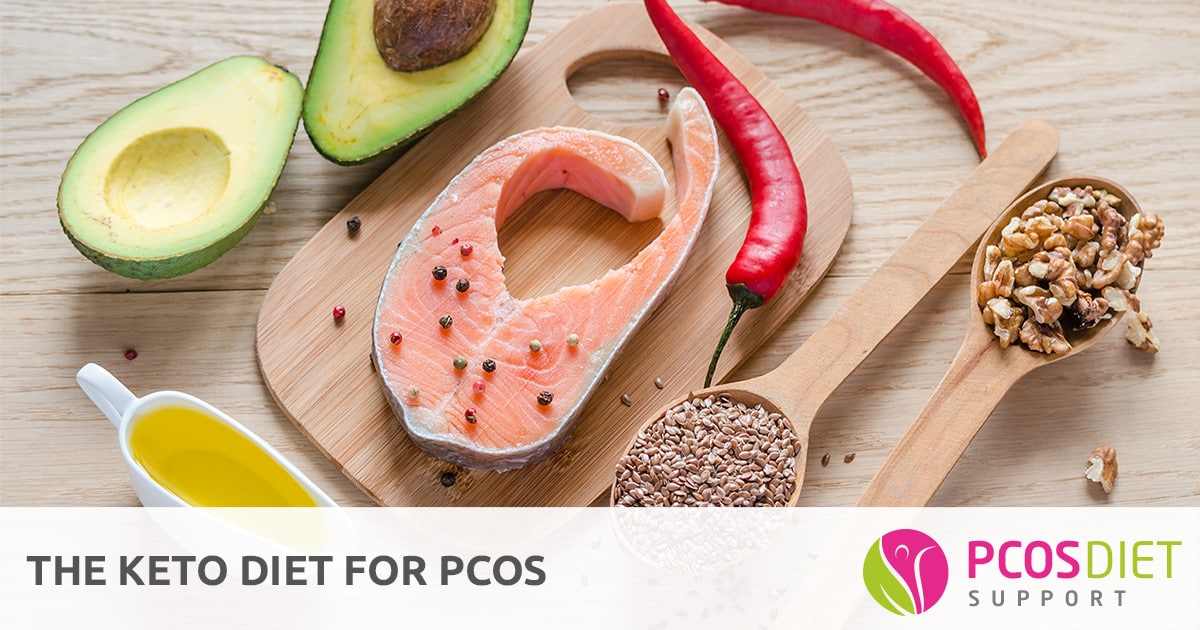
The ketogenic diet functions by drastically reducing the intake of carbohydrates, typically to between 20 and 50 grams per day. In the absence of sufficient dietary glucose, the body exhausts its glycogen stores—often compared to a "refrigerator" of readily available energy—and begins to access its "freezer" of long-term energy: adipose tissue. As the liver breaks down fats into ketones to be used as fuel, the body enters a state of nutritional ketosis. This shift results in a dramatic reduction in the demand for insulin, thereby interrupting the cycle of androgen overproduction.
A Chronology of Dietary Interventions for Endocrine Health
The application of low-carbohydrate diets for metabolic health is not a modern phenomenon, but its specific application to PCOS has evolved through several distinct phases over the last few decades.
- The Atkins Era (1970s–1990s): Initial interest in low-carb diets was primarily focused on general weight loss. While some women with PCOS noticed improvements in fertility during this time, the medical community had not yet fully established the link between insulin resistance and polycystic ovaries.
- The LCHF Movement (Early 2000s): As research into the Low Carb High Fat (LCHF) lifestyle matured, endocrinologists began to explore its effects on specific metabolic markers. A pivotal pilot study in 2005 observed women with PCOS over a six-month period, providing some of the first structured evidence that carb restriction could lower fasting insulin and testosterone.
- Modern Ketogenic Integration (2015–Present): With the rise of biohacking and personalized nutrition, the ketogenic diet has been refined. Experts such as Dr. Jason Fung have popularized the use of ketosis and intermittent fasting to "reset" the body’s insulin sensitivity. This era is defined by a focus on "clean keto"—prioritizing nutrient-dense, whole foods over processed fats.
Clinical Evidence: Hormonal Profiles and Weight Reduction
Supporting data from clinical trials underscores the potential of the ketogenic diet as a medical nutrition therapy. In a six-month study involving women with PCOS who adhered to a ketogenic protocol, participants experienced an average weight loss of approximately 12% of their initial body weight. More significantly, the biochemical data revealed a marked decrease in free testosterone levels and a rebalancing of the Luteinizing Hormone (Luteinizing Hormone) to Follicle Stimulating Hormone (FSH) ratio.

The improvement in the LH/FSH ratio is a critical metric for reproductive health, as this balance is essential for regular ovulation. Furthermore, the reduction in fasting insulin levels observed in these trials suggests that the ketogenic diet can mitigate the long-term risks associated with PCOS, such as the development of Type 2 diabetes and metabolic syndrome.
Impact on Dermatological Health and Cardiovascular Risk
Beyond reproductive and weight-related outcomes, the ketogenic diet appears to address secondary symptoms of PCOS, such as cystic acne. The mechanism behind this improvement is linked to the Insulin-like Growth Factor 1 (IGF-1). High levels of insulin are known to lower the concentration of IGF-1 binding proteins in the bloodstream. When these binding proteins are low, the amount of "free" or active IGF-1 increases, which stimulates sebum production and worsens acne. By suppressing insulin, the ketogenic diet boosts the binding proteins, thereby reducing active IGF-1 and clearing the skin.
Cardiovascular health is another area of concern for the PCOS population, as these individuals are statistically at a higher risk for heart disease. Research indicates that a well-formulated ketogenic diet can improve lipid profiles by increasing High-Density Lipoprotein (HDL)—the "good" cholesterol—and decreasing systemic inflammation. These findings suggest that the diet provides a protective effect that extends beyond mere weight loss.

Navigating the Challenges: The "Keto Flu" and Sustainability
Despite the documented benefits, medical professionals emphasize that the ketogenic diet is not without its drawbacks. The transition into ketosis can trigger a collection of symptoms known as the "keto flu." During the first one to two weeks of carbohydrate withdrawal, individuals often report headaches, nausea, fatigue, and irritability. These symptoms are generally attributed to electrolyte imbalances and the body’s adjustment to a new fuel source.
Furthermore, the restrictive nature of the diet poses a challenge for long-term adherence. Eliminating entire food groups, such as grains, legumes, and most fruits, can lead to social isolation and dietary boredom. There is also a significant risk of fiber deficiency, which can result in chronic constipation. To mitigate this, clinical nutritionists recommend a high intake of non-starchy, fibrous vegetables like leafy greens, broccoli, and cauliflower.
Contraindications and Thyroid Considerations
A critical area of concern for women with PCOS is the prevalence of comorbid thyroid conditions, such as Hashimoto’s thyroiditis. Medical analysis suggests that extreme carbohydrate restriction may be counterproductive for those with impaired thyroid function. Insulin is required for the conversion of the thyroid hormone T4 into its active form, T3.

When insulin levels are driven too low through a strict ketogenic diet, the thyroid may struggle to maintain metabolic homeostasis, potentially leading to increased fatigue and a stalled metabolism. In such cases, experts like Chris Kresser suggest that a moderate-carbohydrate approach—limiting intake to approximately 100 grams per day—may be more beneficial than the 20-50 gram threshold required for deep ketosis.
Strategic Implementation: The "Reset" Approach
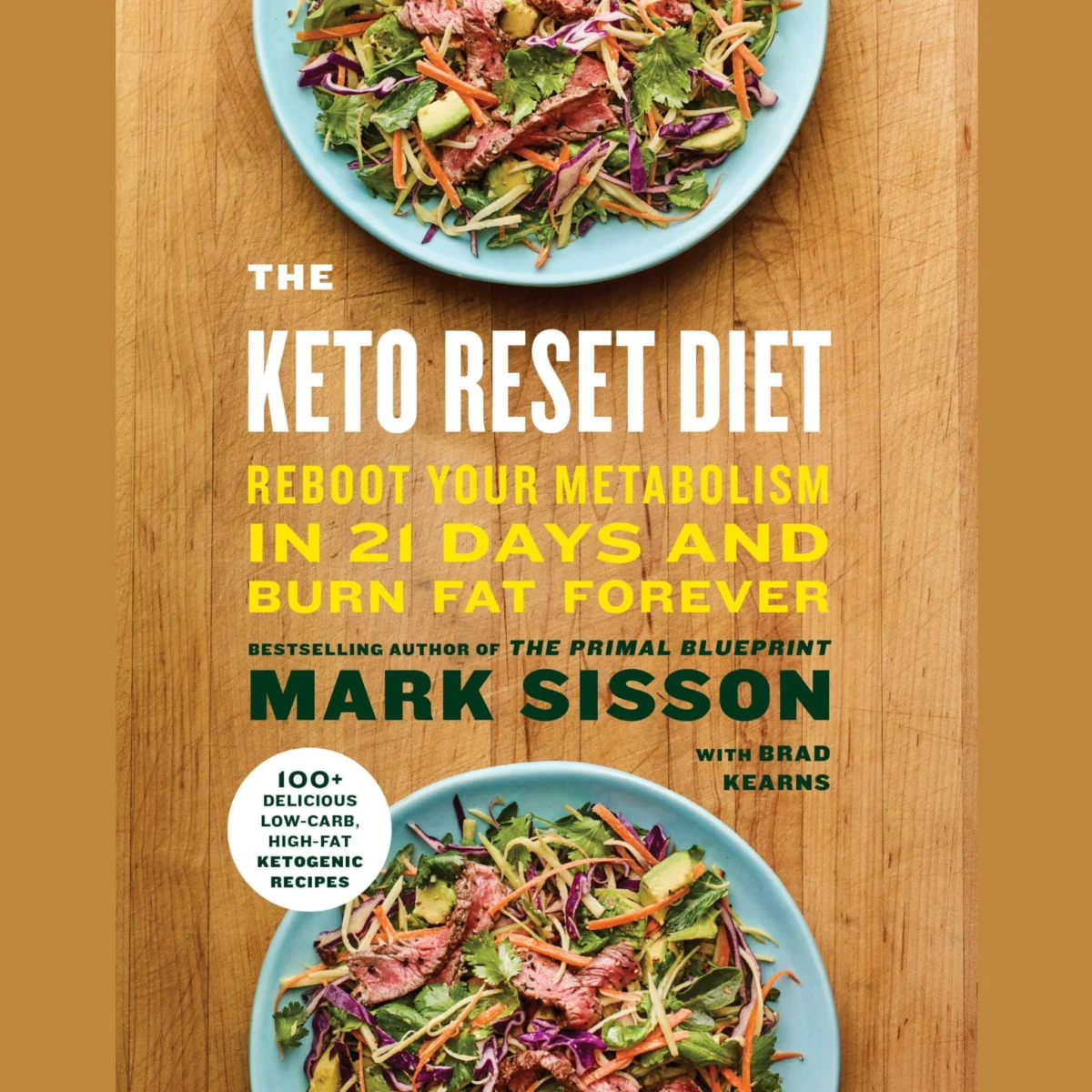
To improve success rates, many health advocates suggest a graded transition into ketosis rather than an abrupt dietary shift. This "reset" strategy involves a 21-day period of cleaning up the diet—eliminating processed sugars, dairy, and gluten—while maintaining a moderate carbohydrate intake. Once the body has adjusted to a whole-food foundation, the individual can then choose to further restrict carbohydrates to enter ketosis.
This phased approach is designed to build metabolic flexibility, allowing the body to switch between burning glucose and burning fat more efficiently. It also provides an opportunity for individuals to identify their personal carbohydrate threshold. While some women with PCOS require strict ketosis to see results, others may find that their symptoms are well-controlled at slightly higher carbohydrate levels, making the lifestyle more sustainable in the long term.

Broader Implications for PCOS Management
The growing body of evidence surrounding the ketogenic diet highlights a shift in the medical paradigm for PCOS management. Traditionally, the condition has been treated primarily through pharmacological means, such as the use of oral contraceptives to regulate cycles or Metformin to manage insulin. While these medications remain valuable, the success of nutritional ketosis suggests that lifestyle intervention can be equally, if not more, effective in addressing the underlying metabolic dysfunction.
However, the medical community remains cautious. The consensus among endocrinologists is that there is no "one-size-fits-all" diet for PCOS. While the ketogenic diet is a powerful tool for those with severe insulin resistance or weight loss plateaus, it is not a requirement for managing the condition. Many women achieve significant symptom relief through a low-glycemic-load diet that is less restrictive and easier to maintain over decades.
Future Outlook and Final Analysis
As research continues, the focus is expected to shift toward the long-term safety and efficacy of the ketogenic diet in the PCOS population. Current data is promising, but long-term longitudinal studies are needed to determine if the benefits to the hormonal profile can be sustained over several years without adverse effects on bone density or gut microbiome diversity.
In conclusion, the ketogenic diet offers a biologically plausible and clinically supported method for managing the complex symptoms of PCOS. By targeting hyperinsulinemia, the diet addresses the hormonal cascade at its source. While the challenges of sustainability and the risk of "keto flu" are significant, the potential for weight loss, improved fertility, and clearer skin makes it a compelling option for many. As with any significant medical intervention, women are encouraged to consult with healthcare providers to ensure the diet is tailored to their specific metabolic needs and to monitor for any potential contraindications, particularly regarding thyroid health. Ultimately, the goal of PCOS management is the creation of a sustainable, health-promoting lifestyle that empowers women to take control of their endocrine health.
